by A1 WorldWide Logistics | Sep 27, 2024 | East Coast Protests, Economic trends, Shipping Logistics
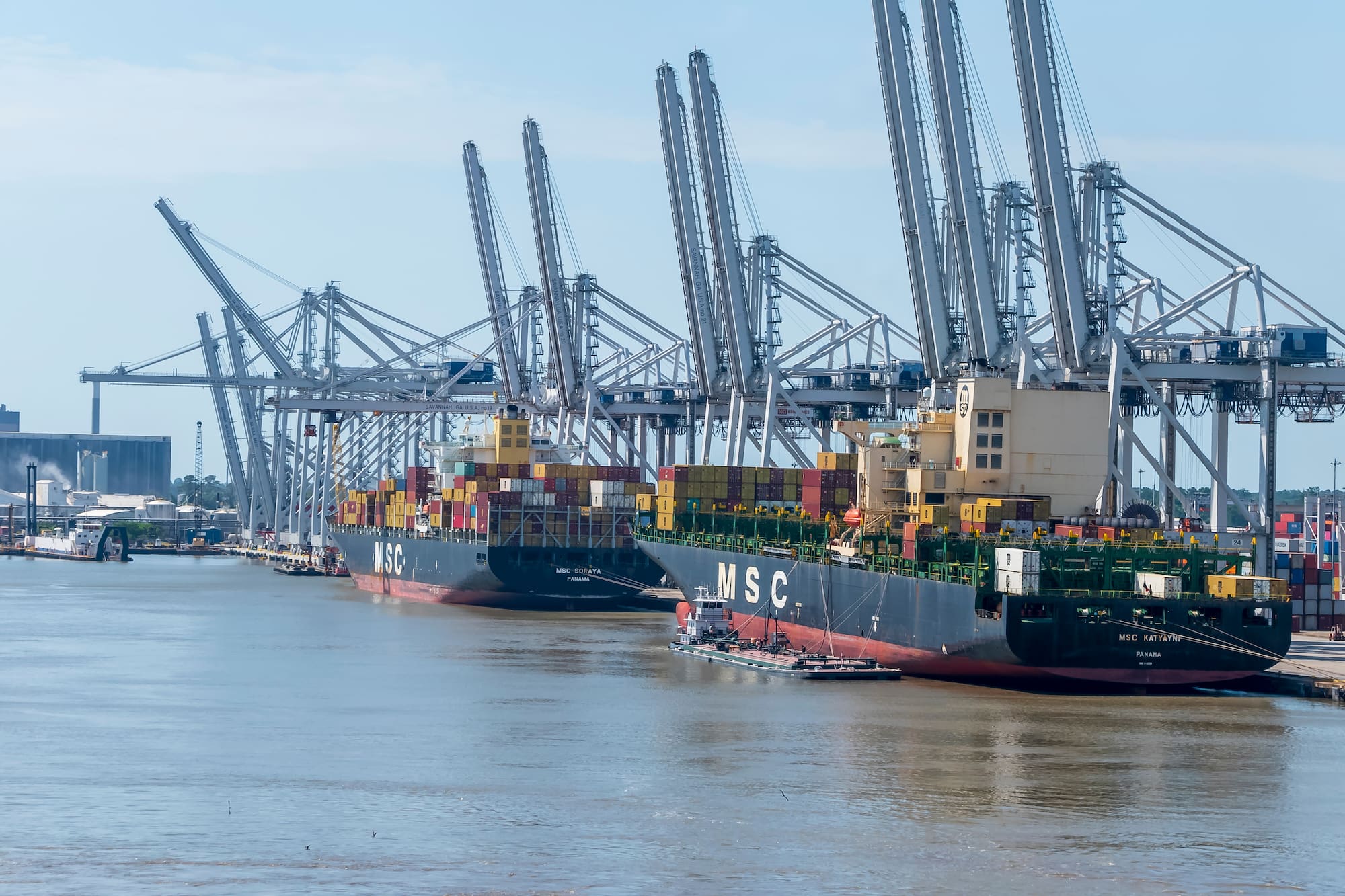
A potential labor strike on October 1st has ports preparing for ILA protests across the East and Gulf coasts. International Longshoreman’s Association (ILA) dockworkers are planning on walking due to unsuccessful negotiations with the United States Maritime Alliance (USMX). In particular, the ILA is protesting for higher wages and more robust pensions and against automation usage. A strike can significantly impact U.S. supply chains, with over 40% of imports going through East and Gulf Coast ports. Analysts predict it can cost the U.S. economy nearly $5 billion a day and create backlogs from congestion. With the strike potentially impacting domestic and international shipping, ports are preparing in various ways.
How Are Ports Preparing For ILA Protests?
Ports across the U.S. East and Gulf Coast are preparing for a potential strike in various ways. Some of the contingency plans for the nation’s busiest Ports include:
Port of Savannah – To enable cargo movement before the October 1st deadline, the port will allow extended weekend gate hours. The port will also receive exports and refer cargo until September 30th. Port Authority will not be responsible for freight damages that could happen during a strike.
Port Houston – If a strike happens, the Bayport Container Terminal and Barbours Cut Container Terminal will close all container handling operations. Despite the closure, the terminals will receive export cargo through September 30th until 7 pm CT. Operations at the general cargo/multipurpose facilities (Terminal Basin Terminal) will continue during potential work stoppage.
Port of Virginia – The Port of Virginia announced that it would halt operations on September 30th for Virginia International Gateway and Norfolk International Terminal if a strike occurs. In a recent update, officials revealed they will extend gate hours for trucks on September 28th and 29th. The port also informed shippers to speak to their ocean carrier to confirm their free-time policy.
Ports Revealing Further Contingency Plans
Port of New York and New Jersey – The port will allow weekend access to APM Terminals and Port Newark Container Terminal for processing cargo. Most terminals will also have extended gate hours. Currently, the port is processing as many vessels as possible to allow a smooth shutdown without disruptions.
Jacksonville Port – 172 port employees are not ILA members, meaning the main functions will continue during regular operating hours. However, the diversified trade lanes mean a protest could impact one-third of businesses.
South Carolina Port – The Port Authority plans to expand gate hours based on cargo demand. If the South Carolina Port stops operations, the port will not charge container storage fees. A significant focus will be on yard equipment availability and full staffing before the strike date occurs. The port’s SMART Pool chassis system will also have additional inventory.
With a protest quickly approaching, a shipper should understand the effect that it can have on their shipment. Along with monetary loss, it can mean massive disruptions and delays for their supply chains. Brokers assist with the clearance of imports by ensuring that it complies with customs rules and regulations. They give shippers an idea of what to expect and the best action. Talking to a customs broker can be ideal when bringing cargo during a disruption. Contact A1 Worldwide Logistics at info@a1wwl.com or 305-440-5156 to speak to a customs broker regarding your import. We are familiar with importing through East and Gulf Coast ports and can navigate your shipment through any disruptions.
by A1 WorldWide Logistics | Sep 20, 2024 | East Coast Protests, Economic trends, Shipping Logistics
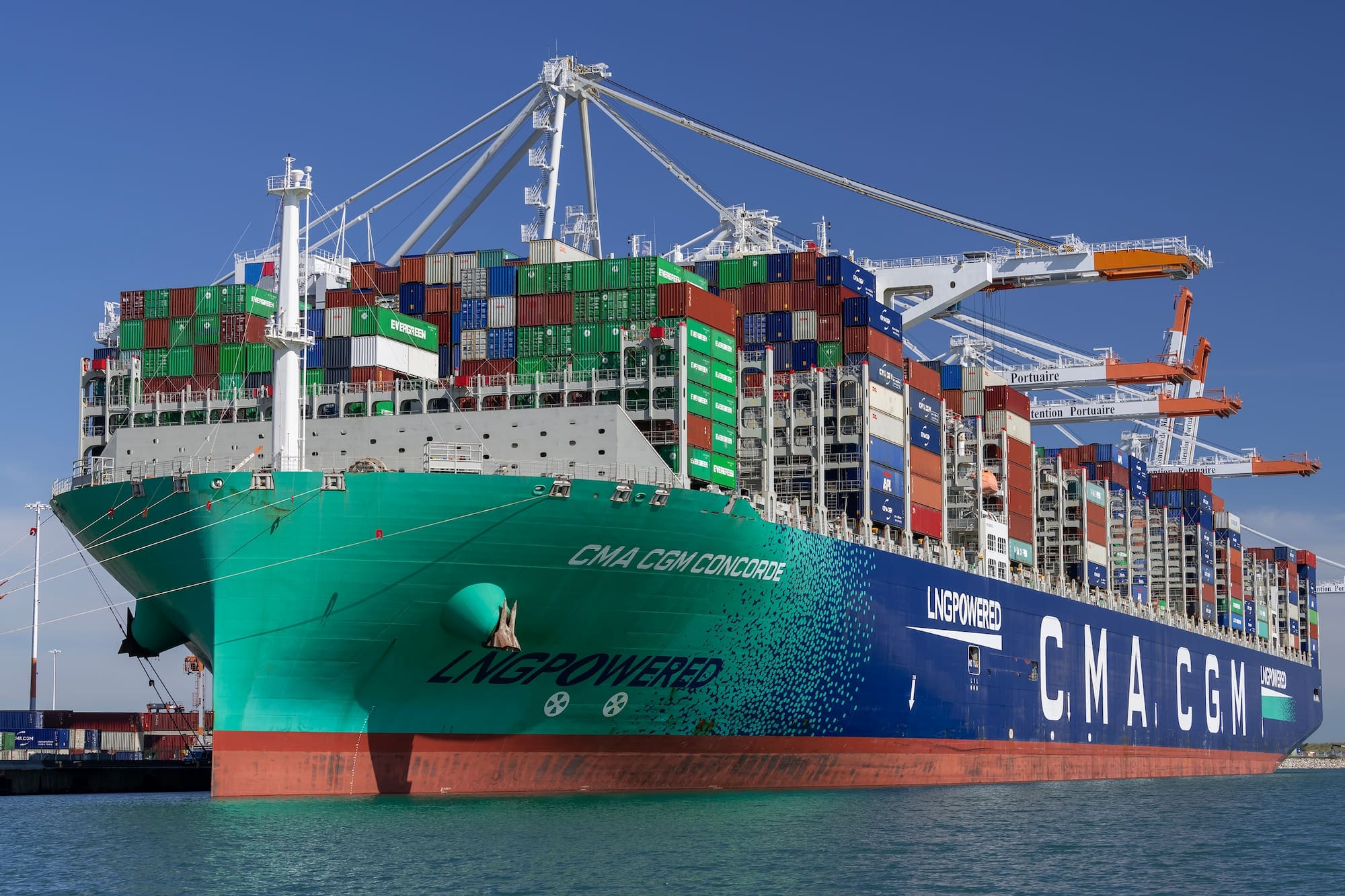
Hapag-Lloyd and CMA CGM announced new charges as strike nears on U.S. East and Gulf Coast ports. The International Longshoreman Association (ILA) plans to protest on October 1st as their six-year contract ends. Unresolved negotiations with the United States Maritime Association (USMX) regarding automation, wage increases, and higher pensions are causing the protest. ILA president Harold Daggett said in an ILA-released video over a week ago, “Mark my words, we’ll shut them down.” The Biden Administration said it will not intervene and invoke the Taft-Hartley Act for a cool-off period. As a result of the strike, two top container lines revealed new surcharges effective mid-October.
Starting October 11th, CMA CGM will charge an extra $1,500 per TEU importing to East and West Coast ports. CMA CGM will also impose a surcharge of $800 per twenty-footer, $1,000 per forty-footer, and $1,266 per forty-foot container for dry and tank exports from the ports. Reefer export surcharges will be $1,000 per twenty-footer and $1,500 per forty-foot container. CMA CGM will also apply a $500 per rate restoration initiative on transatlantic shipments beginning October 1st. Hapag-Lloyd has announced a Work Disruption Surcharge (WDS) starting October 18th. The WDS will be $1,000 per TEU for imports into the U.S. East and West Coast ports from:
- North Europe
- Latin America
- The Middle East
- The Indian Subcontinent
- North Europe
- The Mediterranean
- Africa
Why Are Container Lines Announcing New Surcharges As Strike Nears?
The new surcharges are due to the effect a potential protest can have on the industry. East and Gulf Coast ports handle approximately 55.5% of year-to-date U.S. container imports, accounting for 8% of container volume globally. Containers going to the East and West Coast ports will particularly feel the impact of port closures. Port closures for one week could take six to eight weeks to recover from. Container lines are adding extra surcharges to protect against the probable scarcity in the market. Vessels arriving at East and Gulf Coast ports after October 1st will get stuck for weeks, resulting in limited capacity.
Florida International Terminal Introducing Contingency Plan Due To Strike
Along with the new surcharges, the East and Gulf Coast terminals are implementing emergency strategies due to the strike. Port Everglades, Florida International Terminal (FIT) announced a contingency plan for port operations including:
- Vessel Operations – All vessel operations will stop at 6:00 pm on Monday, September 30th
- Refrigerated Cargo – The terminal will not be liable for any refrigerated containers remaining during the protests. Fit also recommends picking up reefer containers before 4:00 pm on September 30th.
- Export Cargo – In the week of October 1st, the terminal will accept not except export cargo for vessel scheduling.
- Gate Operations – Gate operations will continue operating seven days a week during the strike.
- Demurrage – Containers in demurrage during the ILA protests will remain in demurrage, and containers in free time will stay in free time.
With the potential strike having significant implications for international and domestic shipping, shippers must be ready for what’s to come. This can mean constantly being informed of the situation by checking the news and planning. Contacting a third-party Logistics provider (3PL) can also be helpful. Reach A1 Worldwide Logistics at 305-425-9456 or info@a1wwl.com to stay up-to-date with any occurrences in the shipping industry. Along with educating you on what to expect, we find solutions for protecting your shipments from disruptions.
by A1 WorldWide Logistics | Sep 17, 2024 | Economic trends, Importing, Shipping Logistics
The Biden Administration has finalized a tariff increase on imports from China starting September 27th. On May 14th, the USTR (United States Trade Representative) announced adjustments to Section 301 tariffs after a four-year review. These tariffs fall under the Trade Act of 1974, a law promoting fair international trade. In particular, section 301 allows the president permission to adjust tariffs to retaliate against foreign trade barriers. The finalized increase will see a hike in tariffs for electric vehicles, batteries, solar panels, semiconductors, and more imports. While the U.S. will phase out the tariffs in the next three years, some will take effect in 2024.
Why Is There A Tariff Increase On Imports?
The tariff increase on Chinese imports is being implemented by the U.S. government to counter China’s unfair trade practices. Over the past few years, China has come under fire for practices such as intellectual property theft. Chinese companies that the government backs have been accused by the U.S. of stealing foreign technology and trade secrets. The companies then use the technology and trade secrets to reverse engineer products, cyber espionage, and force technology transfers. Another practice that has raised concern has been using state subsidies to give them an unfair advantage. These subsidies include the Chinese government providing financial support to domestic industries and lowering production costs.
Other unfair trade practices that the U.S. has accused China of include currency manipulation and dumping. Dumping is the exportation of products that is lower than the production costs, which companies can do to undercut foreign competitors. China responded by firmly opposing the new tariffs, believing it goes against the U.S. president’s commitment to not “suppress and contain China’s development.” China’s Ministry of Commerce noted, “China will take resolute measures to defend its rights and interests.” The tariffs will cover $18 billion of imports in the clean energy and technology sectors.
The Categories That Will Increase Tariffs Include:
Steel and Aluminum – From 0 to 7.5% to 25% in 2024.
Semiconductors – from 25% to 50% by 2025.
Electric Vehicles (EVs) – from 25% to 100% in 2024.
Batteries, Battery Components and Parts, and Critical Minerals – from 7.5%% to 25% in 2024
Solar Cells – from 25% to 50% in 2024.
Ship-to-Shore Cranes – from 0% to 25% in 2024.
Medical Products – from 0% to 50% in 2024.
There has been a notable increase in Chinese-produced EVs (electric vehicles) from 25% to 100%. This is to protect the U.S. from the surge in Chinese EV imports. From 2022 to 2023, EV imports from China rose nearly 70%.
A1 Worldwide Logistics
When shipping cargo internationally, situations may arise, such as a tariff increase that can affect your shipment. Being informed and well-prepared for these circumstances is essential in preventing significant backlogs in your supply chain. Using the assistance of a 3PL (third-party logistics) provider is ideal when starting. 3PLs handle numerous parts of a shipper’s supply chain, including international and domestic shipping, warehousing, customs brokering, etc. They also educate you on the best course of action when shipping. To speak to a 3PL company regarding broker importing into the U.S., reach A1 Worldwide Logistics at 305-425-9456 or info@a1wwl.com. We have freight forwarders and customs brokers that can ensure that you meet your goals.

by A1 WorldWide Logistics | Sep 12, 2024 | East Coast Protests, Economic trends, Shipping Logistics
Threats of an ILA walkout are causing the shipping industry to be concerned with the potential impact of a strike. The International Longshoreman’s Association (ILA) will stop working on October 1st when their six-year contract ends. Along with higher wages, other issues include benefits and automation. Talks with the United States Maritime Alliance (USMX) regarding a new contract addressing these concerns have remained unsuccessful. Despite the ILA’s demands, USMX remains unchanged on their current offer. The ILA’s president, Harold Daggett, recently said in an ILA-released video, “Mark my words, well shut them down.” A strike will impact many supply chains that rely on shipping freight internationally.
What Is The Potential Impact Of A Strike?
Due to the ILA’s size, a potential strike can significantly impact the shipping industry differently. The ILA is a union of 45,000 workers in three dozen ports across the East and West Coast. These ports are responsible for approximately 43% of all imports that come into the U.S. The main effect of a strike will be a halt of cargo movement through the ports. As imports and exports stop moving, containers will begin piling, leading to port congestion. Due to congestion, supply chains transporting cargo internationally could experience massive delays in loading and unloading times. A week-long strike may take over five weeks to clear and may even last until 2025.
The disruption from the strike may also impact shipping costs for importers and exporters. When port closures happen, shipping companies raise freight rates due to limited capacity. As vessels pile up in the ports for unloading, it leads to demurrage and detention fees that goes the shipper. To mitigate the delay, more shippers are rerouting their shipments to West Coast ports. Rerouting may become an issue for West Coast ports since it can cause congestion, leading to delays. Similarly, importers could switch to other conveyance methods like land and air. However, this may lead to other expenditures.
Different Sectors Are Urging the ILA And USMX To Come To An Agreement
Different sectors, like the retail and manufacturing industries, have been mainly concerned with the effect of a strike. These industries are pushing the parties to agree to alleviate a potential multibillion-dollar disruption. With the holiday season quickly approaching, companies have already started taking action. The National Retail Federation (NRF) vice president notes, “Many have taken steps to mitigate the potential impact by bringing in products earlier and frontloading the peak shipping season or by shifting products back to the West Coast.” A fear is that retailers will not be able to stock shelves on time for the holidays. Manufacturers’ assembly lines may also shut down if they do not receive the necessary materials on time.
Other industries, like construction, automotive, and farming, will also feel the impact of a strike. Ports with ILA dockworkers like Houston and Savannah import tons of materials for these industries yearly. On a large scale, the economy will feel the effect, and supply chains globally will also feel the effect. While a potential strike can seem daunting if you are a shipper, it should not stop your cargo’s transport. Reach A1 Worldwide Logistics at info@a1wwl.com or 305-425-9513 for any concerns regarding your shipment. Along with educating you on what to expect, we provide transparency and real-time updates on your cargo’s status.

by A1 WorldWide Logistics | Sep 11, 2024 | East Coast Protests, Economic trends, Shipping Logistics
An unsolved resolution is resulting in ILA doubling down on threats to strike on October 1st. Conflict between the ILA and USMX for a new contract agreement has escalated over the last few weeks. In particular, the ILA is fighting for a new contract with a 32% wage hike and higher pensions. Automation in ports is also an issue that resulted in a pause in negotiations in early June. Terminals at the Port of Mobile began using an Auto Gate system that autonomously processes trucks. After ILA released a video with its president, Harold Daggett, discussing the current situation last week, the USMX posted an update.
The main point of the update was to announce an unchanging current contract offer. Some of the offerings of the existing contract noted in the update include:
- The continuation of the current health care coverage.
- An increase to employment retirement fund contributions.
- Higher starting wages and industry-leading wage increases.
Another offer is to retain the existing technology language in the current contract agreement. The agreement formalizes that there will be no fully automated port terminals or use of semi-automated equipment. This is unless agreed upon by both USMX and ILA. Despite the disagreement, the update notes USMX’s willingness to reach a new deal by September 30th.
ILA Doubling Down on Threats Despite The USMX’s Update.
In response to USMX’s update, the ILA wrote a letter of opposition, calling the statement misleading. The ILA believes that the claim of leading wages is false due to inflation. Compared to six years ago, living prices significantly increased when they entered the contract. Another response in the letter was due to USMX’s use of automation. Despite the contract requiring that the USMX does not use automation unless both parties agree, the ILA never agreed. ILA replies, “They continue to sneak in automated programs and eliminate our clerical functions behind our backs.” The letter then goes on to oppose USMX’s current healthcare coverage.
The new contract states that the ILA’s healthcare coverage will remain unchanged despite their desire for better coverage. Along with enhanced benefits, they want a hardship provision for severe cases for members who risk losing their benefits. ILA’s current pension plan has also been an area of concern that the letter addresses. They have constantly talked with USMX about increasing the current benefit amount. The belief is that their man-hour assessment is insufficient to cover the current funds. MILA (Managed Health Care Trust) also collects the first five dollars of the assessment, decreasing the amount. Cameras in the ports that monitor workers are another concern since they reportedly create a hostile work environment.
The Shipping Industry’s Response To The Situation.
As the strike date closely approaches, the shipping industry has responded in various ways. Shippers have already started rerouting their shipments to ports on the West Coast to avoid delays. They also are moving their cargo at earlier times and switching methods of conveyance if possible. With the situation potentially affecting supply chains internationally, it is essential to be informed of the latest updates. Contact A1 Worldwide Logistics at 305-440-5156 or info@a1wwl.com to protect your shipment during this period. We find the best action to take while keeping you informed through the process.
by A1 WorldWide Logistics | Sep 6, 2024 | Economic trends, Importing, Supply Chain
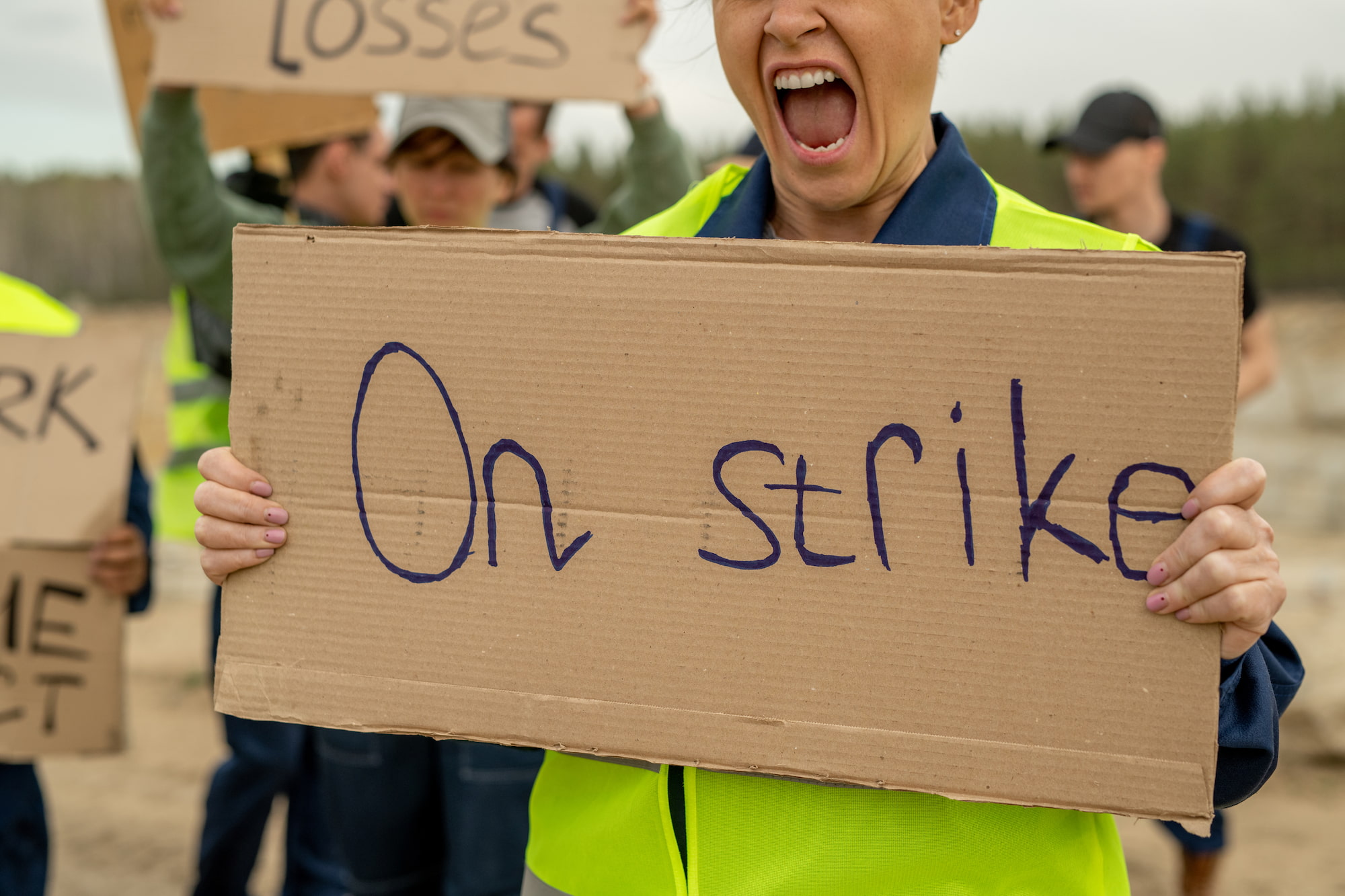
Unresolved negotiations are resulting in ILA strike threats continuing as the October 1st deadline is quickly approaching. The International Longshoreman’s Association (ILA) have been discussing a new contract with the United States Maritime Alliance (USMX). These talks have been unsuccessful as the current six-year contract ends on September 30th. A potential strike will shut down East and Gulf Coast ports and significantly impact international trade. It may also have a disastrous ripple effect through the U.S. economy, as numerous supply chains rely on these ports. With the U.S. import industry worth trillions of dollars, the pressure to find a deal before October 1st is rising.
Why Are The ILA Strike Threats Continuing?
The continuing threats are due to the unresolved resolutions between the ILA and USMX. A primary reason behind the negotiations is for a contract with a higher wage increase similar to the ILWU. In 2023, the ILWU (International Longshore and Warehouse Union) received a 32% hike after weeks of protests. Like their West Coast counterparts, the ILA is fighting for a similar wage increase. The ILA president, Harold Daggett, recently took to social media in a video expressing their displeasure. He notes, “If the employers don’t understand what his members are seeking, I have to go into the street, and we have to fight for what we deserve.”
Harold also believes that the USMX should adequately compensate the ILA for working continuously during the pandemic. Along with better pay, a significant issue has been pensions. While the ILWU has a single coast-wide retirement, part of the ILA does not have one. The workers that do have lower pensions compared to the ILWU. Terminals at the Port of Mobile in Alabama have also used an Auto Gate system that automatically processes trucks. The ILA notes that this system violates the current contract by removing the dockworker’s jobs. Vice President Dennis Daggett says, “We’re not going to allow that cancer to come here on the East Coast”.
Cargo Shifting To The West Coast?
East and Gulf Coast ports are responsible for nearly 43% of all U.S. imports and are critical for trade. With strike threats affecting many supply chains, shipments have already begun moving to West Coast ports. This is similar to the 2022 ILWU protests, where West Coast port imports switched to East Coast ports. The fear is that a potential strike can lead to port congestion due to a volume increase. Imports that come into the U.S. already tend to rise during this period because of the holiday season. Analysis reports that a two-week walkout could result in a slowdown that will take until 2025 to clear.
Port congestion can have numerous other challenges in shipping. Volume increases that come from strikes lead to delays that disrupt supply chains. Delays also look unfavorable for companies with customers that rely on imports. Along with supply chain disruptions, congestion can increase overall costs to ship cargo, such as demurrage. Demurrage is a fee the shipper must pay for containers that remain at the port past the allotted time. Container rates may continue to rise further from the protests since they rose over the last year. Various importers and exporters relying on East Coast ports are urging both sides to continue negotiations. Reach A1 Worldwide Logistics at 305-440-5156 or visit our website to keep up to with the current situation.

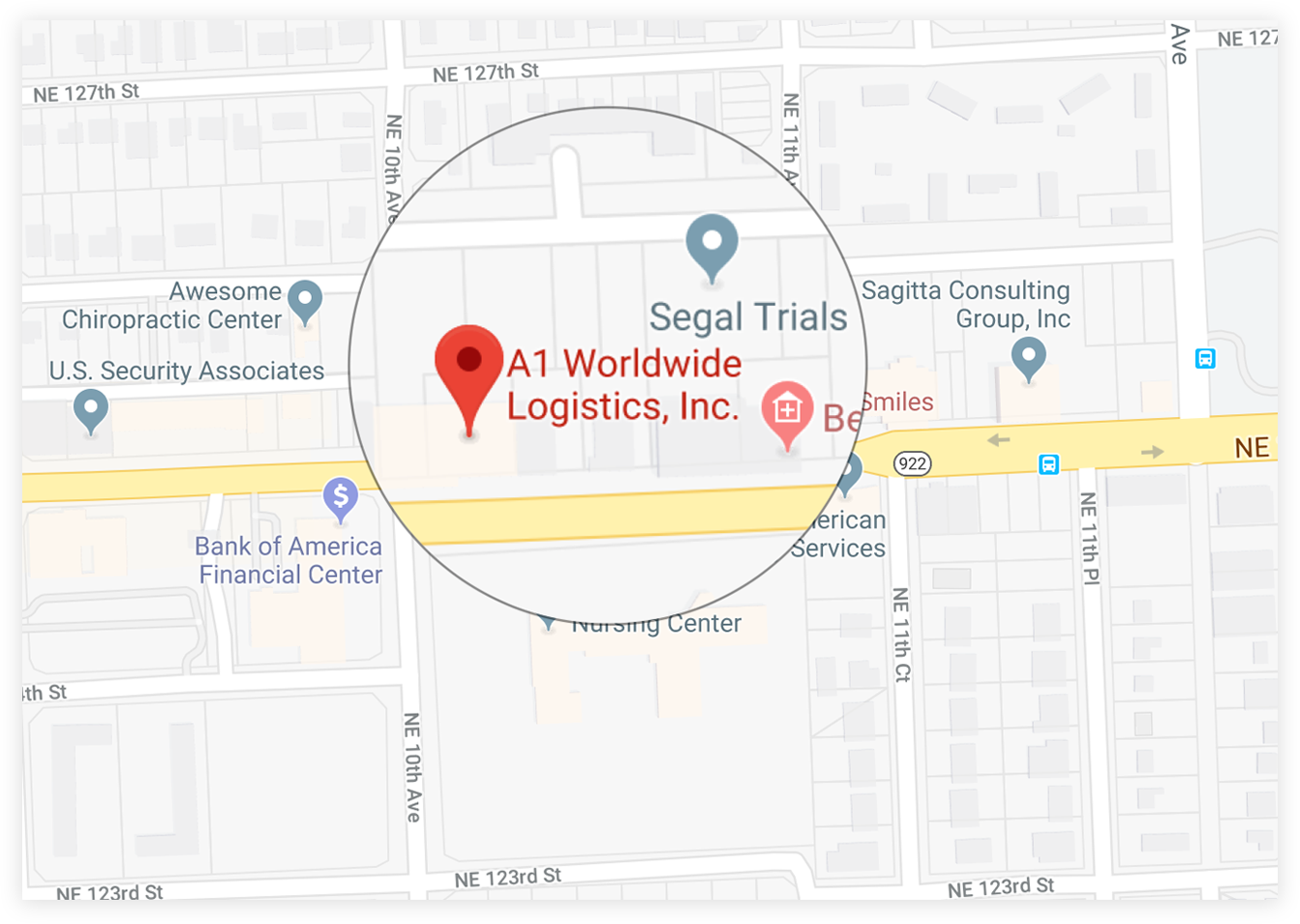
 1035 NE 125th St Suite #320, North Miami, FL 33161.
 a1worldwidelogistics.com
 (305) 821-8995
 Hours: 8AM - 5PM