by A1 WorldWide Logistics | Jun 18, 2024 | Customs Broker, Economic trends, Shipping Logistics, Supply Chain
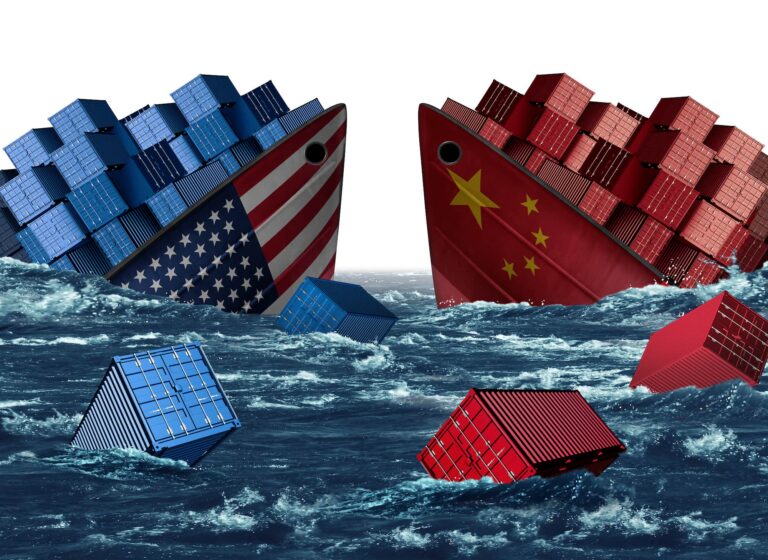
Recientemente, muchas empresas estadounidenses han estado discutiendo sobre otras alternativas de abastecimiento en lugar de China, haciendo que algunos se pregunten: “¿Están disminuyendo las importaciones de China?” Durante más de un siglo, la mayoría de las etiquetas en los productos en los EE. UU. han tenido “Hecho en China” escrito en ellas. La importación de un solo proveedor siempre ha tenido sus beneficios y desventajas. Los riesgos de la importación de un solo proveedor desde China se hicieron más evidentes hace poco.
¿Por qué están disminuyendo las importaciones de China?
El coronavirus aceleró los riesgos actuales y perturbó las cadenas de suministro de numerosos importadores de China. Los puertos en toda China estuvieron cerrados o funcionando a capacidad limitada debido a la pandemia. Esto creó un retraso en el envío de carga y desafíos para los remitentes y sus clientes. Años antes de la presencia del coronavirus, las importaciones de China ya estaban disminuyendo por varias razones. Un ejemplo de esto fue cuando los costos de los aranceles que los importadores tenían que pagar aumentaron a más del 20%.
Las empresas que fabricaban productos en China también tuvieron problemas de robo de propiedad intelectual. Esto es el robo de los productos y las ideas de una empresa para su uso. Además, el impacto ambiental de la importación desde China fue otro factor que las empresas consideraron. Los productores en China utilizan métodos de producción específicos que los EE. UU. prohíben. Esto significa que el impacto ambiental puede ser mayor cuando las empresas fabrican productos en China en lugar de en los EE. UU.
Otras alternativas
A medida que las empresas buscaban otras opciones de abastecimiento, países como Vietnam se volvieron atractivos. El país es políticamente estable y tiene varias industrias en crecimiento, como la automotriz y la electrónica. Los costos laborales también son relativamente bajos, lo que lo convierte en un candidato ideal para que las empresas manufactureras se muden allí. En los últimos años, las importaciones de Vietnam y otros países asiáticos han aumentado considerablemente. Sin embargo, los riesgos, como la infraestructura y la preocupación por los derechos humanos, permanecieron.
En lugar de subcontratar las importaciones desde Asia, otra alternativa es subcontratar desde algún lugar más cercano, como México o América Latina. México ya es uno de los mayores países comerciales con los EE. UU. La proximidad también es un gran beneficio para las empresas que dependen de las importaciones. Los camiones pueden convertirse en un método de transporte cada vez más popular para las importaciones que ingresan a los EE. UU.
¿Puede volverse más común la relocalización a los EE. UU.?
Una de las muchas soluciones fue traer la fabricación de productos de regreso a los Estados Unidos. Hay varias ventajas y desventajas asociadas con trasladar la fabricación de China a los EE. UU. Uno de los principales beneficios es que los tiempos de transporte se vuelven significativamente más cortos. Los remitentes no necesitan importar a los EE. UU. desde países que pueden estar lejos. Además, si los fabricantes producen los bienes en los EE. UU., no se deben pagar aranceles de importación.
A pesar de esto, la relocalización a los EE. UU. puede ser una tarea difícil. Esto se debe a que muchas empresas que subcontratan a diferentes países lo han hecho durante décadas. Retroceder en una cadena de suministro con el mismo proceso durante décadas lleva tiempo. La deslocalización de la fabricación a países extranjeros también tiende a proporcionar costos de producción más bajos, lo que puede beneficiar a las empresas en lugar de la relocalización.
A1 Worldwide Logistics
Aunque las ubicaciones donde los remitentes traen carga pueden volverse más diversas, el número de importaciones de los EE. UU. sigue aumentando. Si planea enviar hacia y desde los EE. UU., A1 Worldwide Logistics está aquí para ayudar. Tenemos servicios de transporte de carga tanto para importaciones como para exportaciones. Llámenos al 305-425-9513 para obtener una cotización para su envío.
by A1 WorldWide Logistics | Jun 6, 2024 | Economic trends, Shipping Logistics, Supply Chain
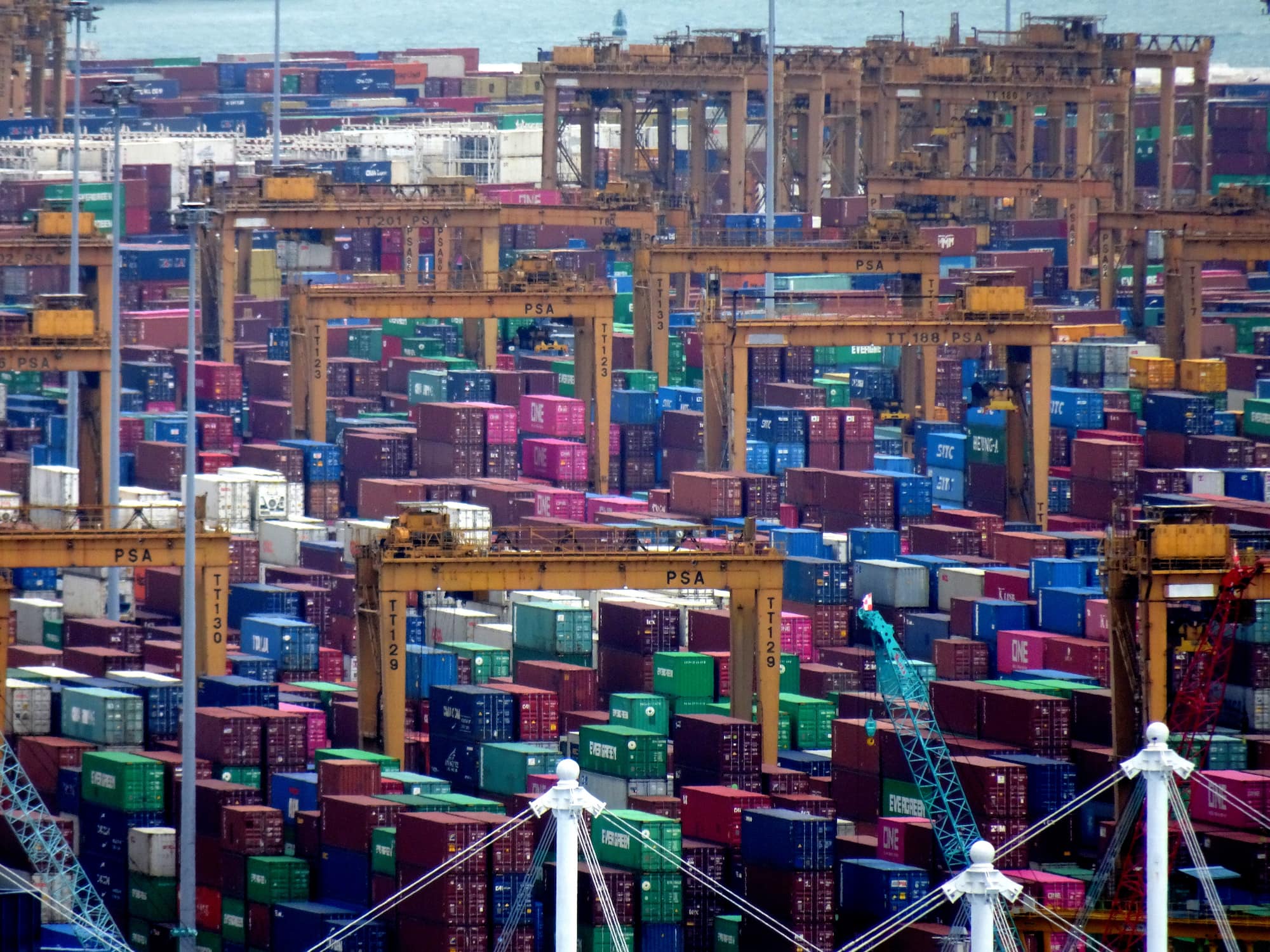
Over the last few weeks, an increase in container volumes has resulted in growing Singapore port congestion. The Port of Singapore is the 2nd largest seaport internationally, handling over 591.7 million tons of freight in 2023. Various international shipping circumstances have recently caused global backlogs across ports, with the Singapore port being an epicenter. A market intelligence firm report noted that nearly 450,000 TEU (Twenty-foot equivalents) are in the queue. For reference, this is a greater volume than the coronavirus pandemic. Shipping delays in the port have also doubled nearly in May, with vessels waiting almost seven days for a berth. What can the congestion mean for shipping as the peak season quickly approaches?
What Is Causing The Growing Singapore Port Congestion?
While different contributors are resulting in current port congestion, the Red Sea Crisis is one of the primary issues. In 2023, the Iseral-Hamas conflict in Gaza made its way to the Red Sea as militants struck multiple vessels. The sea connects to the Suez Canal, one of the significant artificial pathways for international shipping responsible for nearly 30% of the world’s container volume. As a result, containerships began rerouting to locations, such as the Cape of Good Hope in South Africa. A side effect of the conflict was an increase in off-schedule arrivals to ports like the Port of Singapore. When carriers arrive off-schedule, at the same time, it creates a vessel-bunching effect.
As more containerships remain outside the Port of Singapore, berth wait times increase. Vessels typically wait around half a day to dock at the port but currently take up to seven days. As a result, several ships have canceled their shipment to the port. However, that may create congestion for nearby ports. The Singapore port has responded to the jam with plans to open three additional berths later this year. Congestion has become a growing concern globally, with Asian and Mediterranean ports feeling a significant strain. The market intelligence firm also notes that nearly seven percent of global port capacity is currently congested. Usually, the number is between two to four percent.
What Will This Mean For International Shipping?
Geopolitical events like the Red Sea crisis have significantly affected shippers’ supply chains that move goods internationally. Along with rising transit times, another effect is that freight rates have increased over the last few months. The global container freight index has risen over 30% in May 2024 alone. Asia-North America West Coast spot rates have increased by over 70% since the end of April. If the existing trend continues, container rates could reach over $15,000 by the end of the year. Other situations affecting the rising prices include sudden demand increases, capacity constraints, equipment shortages, and rising fuel prices.
Although the current situation can seem intimidating, it should not stop the movement of cargo internationally. It is, however, essential that you are informed and protect your supply chain. Using the assistance of a 3PL (Third Party Logistics) provider is an ideal way to begin. 3PLs handle various parts of a shipper’s supply chain, including international and domestic shipping, storing, customs brokering, etc. 3PLs also offer consulting services to ensure you take the best actions for your supply chain. Reach A1 Worldwide Logistics at 305-425-9513 to find out about our numerous solutions for moving your shipment. We help you navigate the shipping world and move your goods to the final destination.

by A1 WorldWide Logistics | May 23, 2024 | Economic trends, Importing, Transportation
Recent developments are causing an increase in shipping costs, with container rates still rising since the start of 2024. Carrier companies could soon raise prices to $20,000 for 40ft equivalent units (FEU) by the end of the year. In particular, a surge in Freight All Kind (FAK) rates is not bound to a specific commodity. The Drewry World Container notes an increase of 11% for a 40ft container, bringing the average cost to $3,511. This is a 104% increase compared to the same period last year. The spot rates of specific trade routes’ have also risen by nearly 30% in the past two weeks. With peak season starting in mid-August, the current situation may lead to higher costs and delays in the coming months.
Why Are Container Rates Still Rising?
Different global factors have contributed to the rise in container rates, including the scarcity of available space. Along with the Panama Canal drought and the US-China trade war, the Red Sea crisis significantly adds to the surge. The war near the waterway has caused ships to reroute around the Cape of Good Hope in South Africa. This added nearly 14 days to some shipments, extending transit times and limiting container capacity, raising container costs. Meanwhile, demand for international shipping has reached record levels in Q1 of 2024, nearly up 9.2% compared to Q1 last year. The present market is due to lowering capacity and transit times during the coronavirus pandemic.
Although the international shipping industry has recovered from COVID-19, the impact is still in the minds of shippers. The current scarcity of container space is following the pandemic trend, and many are preparing in advance. Companies are importing more goods now to have inventory and prevent potential delays as the peak season nears. The rise in container rates directly results from the demand and is a GRI (General Rate Increase). GRIs are standardized adjustments by carriers to base rates across shipping routes. With prices rising as the peak season approaches, some may be willing to pay more to secure space.
What Does It Mean For The Shipper?
The hike in rates has a direct impact on shippers that extends beyond having to pay extra costs. Other effects include increasing cancellation of reserved space, new weight limits, and more significant surcharges. While it may be impossible to avoid rising rates, exporters must prepare beforehand to prevent any adverse issues from arising. Shippers have already started looking for alternative methods of conveyance, like air, to prevent delays. They must be current with any news in the international shipping industry. This can include constantly checking news websites or other media sources for information. Understanding your supply chain is also crucial in making informed decisions.
Despite the current rising costs, shippers still must move cargo internationally. However, they must take the proper steps to ensure the transport of their goods. Another way to prepare is by using the assistance of a freight forwarder to move your cargo. Forwarders act as the middleman between the shipper and the carrier transporting the goods. They have various responsibilities, including finding the best rates for exporters. Along with guiding shippers throughout the process, they assist with the duty payments and documentation on their behalf. Call A1 Worldwide Logistics at 305-425-9456 to communicate with our freight forwarders regarding your shipment.
by A1 WorldWide Logistics | May 15, 2024 | Economic trends, Shipping Logistics, Supply Chain
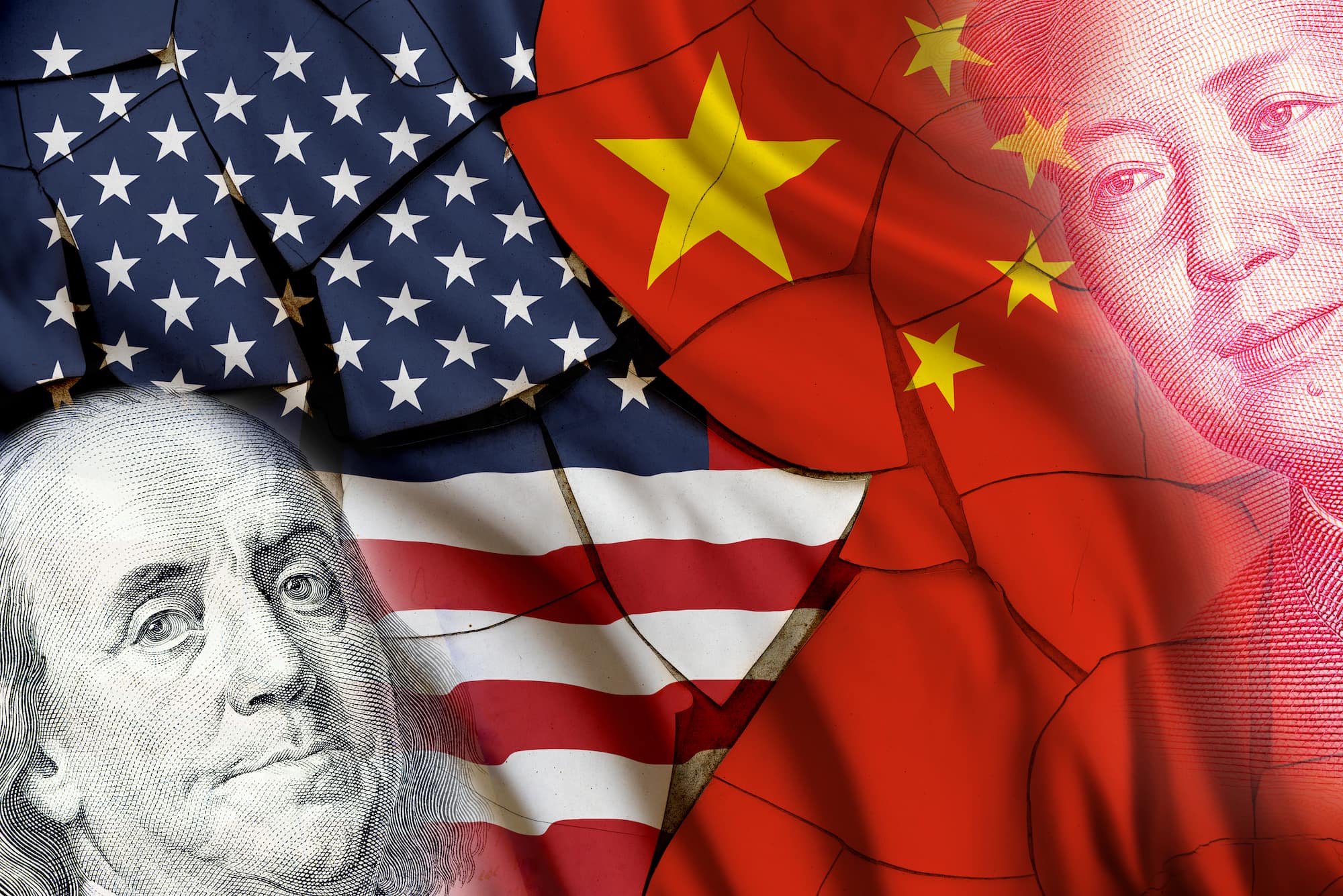
On May 14th, 2024, the USTR Announced strategic adjustments to Section 301 tariffs following a four-year review. U.S. trade representative Katherine Tai initially backed the retention of the Section 301 tariffs for Chinese products. However, there has been a recent strain on U.S. commerce. Due to this, President Biden supervised Tai in either revising or introducing new tariffs. The revisions are a way to counteract the current policy changes introduced by the People’s Republic of China (PRC). China has given signals that it will soon retaliate against the tariff adjustments. The Chinese government stated that the tariff changes will, “seriously affect the atmosphere of bilateral cooperation.”
The key commodities affected by the changes include:
Battery part – Rate increase to 25% in 2024
Electric Vehicles – Rate increase to 100% in 2024
Facemasks – Rate increase to 25% in 2024
Lithium-ion Electrical Vehicle Batteries – Rate increase to 25% in 2024
Lithium-ion Non Electrical Vehicle Batteries – Rate increase to 25% in 2026
Medical Gloves – Rate increase to 25% in 2026
Natural Graphite – Rate increase to 25% in 2026
Other Critical Minerals – Rate increase to 25% in 2026
Permanent Magnets – Rate increase to 25% in 2026
Semiconductors – Rate increase to 50% in 2025
Ship to Shore Cranes – Rate increase to 25% in 2024
Solar Cells (Whether or Not Assembled Into Modules) – Rate increase to 50% in 2024
Steel and Aluminum Products – Rate increase to 25% in 2024
Syringes and Needles – Rate increase to 50% in 2024
The USTR will issue a Federal Register notice regarding the adjustments that will outline the exclusion process and give the protocol for public comments on the tariff adjustments. A1 Worldwide Logistics is closely monitoring the changes and is prepared to guide you through the current situation. We offer solutions for adapting to the tariff increase and ensure the best course of action for the shipment. Contact A1 Worldwide Logistics at 305-425-9456 to navigate the current circumstances and ship your cargo internationally.
by A1 WorldWide Logistics | Apr 11, 2024 | Economic trends, Importing, Supply Chain
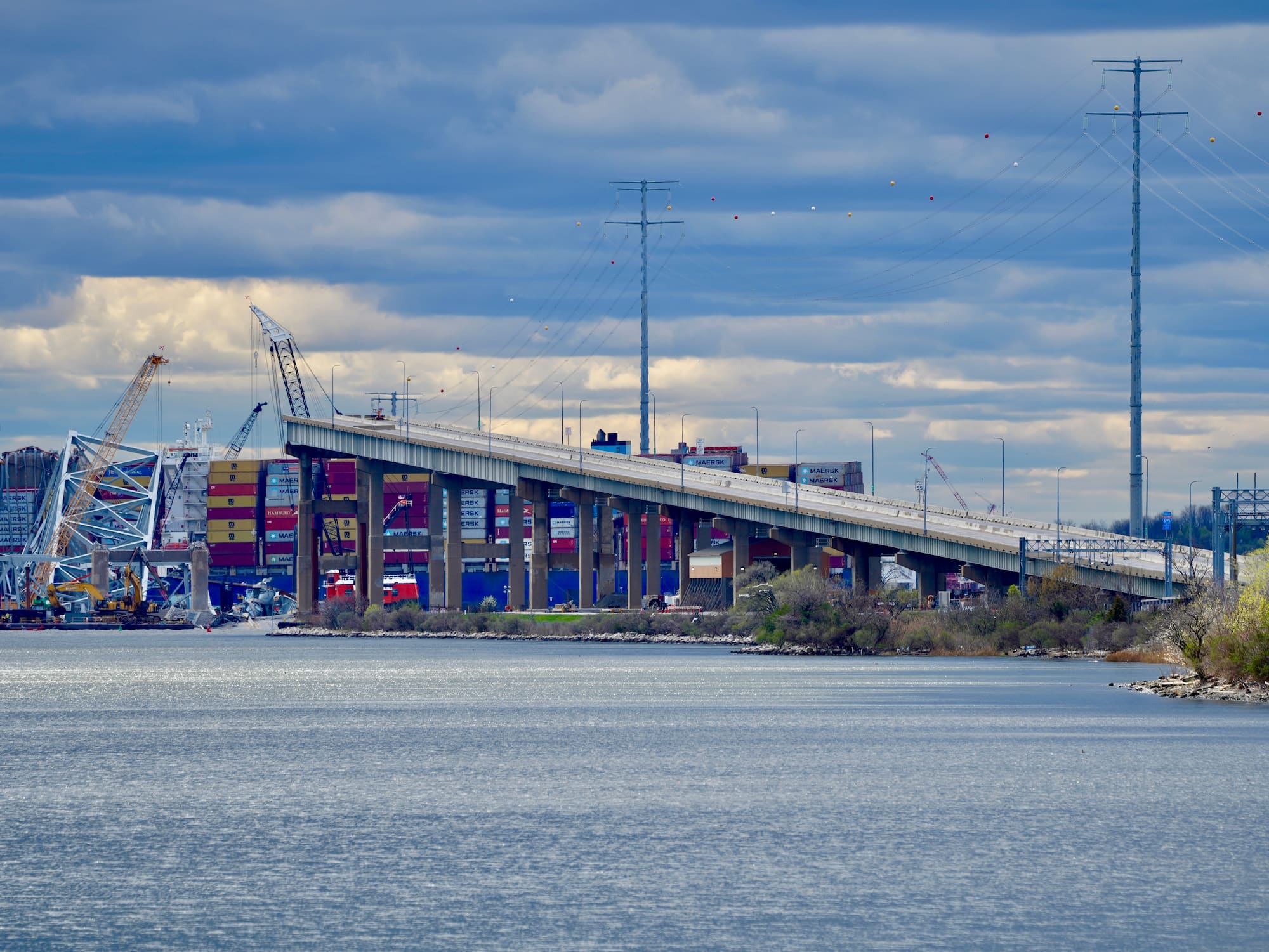
Over a week after the Baltimore Key Bridge collapse, federal regulators have been fearing incoming container fee disputes. On March 26th, a containership struck the Francis Scott Key Bridge, causing it to fall into the Patapsco River. The passageway is one of the main connectors to the Port of Baltimore, a significant hub for automobile shipments. Port operations have halted due to the incident, causing containerships to reroute. As carriers gradually cancel routes, the FMC expects conflict over increasing container costs. The FMC (Federal Maritime Commission) is a regulatory agency that oversees the U.S. international ocean transport system. One of its duties is to resolve shipping issues related to maritime cargo transport.
Why Does The FMC Fear Incoming Container Fee Disputes?
The FMC is expecting a surge in container disputes due to the rerouting of shipments to other ports. Shippers that rely on the Port of Baltimore will soon have to pay extra to have their imports enter through different ports. Canceling inland transport by large ocean carrier companies will also add to the disputes. Increasing costs can also come from ships carrying containers rerouting to ports with limited chassis. With Inadequate chassis, shippers may start to see issues with container pickups and returns, increasing the chances of extra charges. For example, demurrage and detention fees happen when containers remain in or out of the port after a specific time.
Is More Transparency Needed In International Shipping
Different players of the international shipping industry have recently pushed towards greater information sharing. The Baltimore bridge collapse was an event that recently increased those talks. Along with the collapse of the bridge, the Panama Canal drought and Red Sea attacks have disrupted supply chains. In 2021, the FMC created the Maritime Transportation Data Initiative (MTDI) to produce more fluid data transparency and sharing. MTDI will necessitate carriers to have scheduling information available at all container ports. Many still believe that there needs to be more data-sharing initiatives for carriers and shippers. The FMC will continue to take in recommendations from the public and collect data with the goal of creating visibility.
What Can You Do To Avoid Disruptions
As the Baltimore bridge collapse continues to impact international and domestic shipping, so may the disruptions. Along with the potential extra costs from routing cancelations, rerouting can also lead to time loss for shippers. Furthermore, other parts of supply chains may become disrupted by the incident. For example, the closure of the Port of Baltimore means that trucking to and from the port is severely affected. The region could soon see a slowdown in shipping and an increase in transportation rates. Along with rerouting shipments to different East Coast ports, importers and exporters should be up-to-date with the current news.
Another way that shippers can avoid disruptions is by using the help of a freight forwarder. Forwarders coordinate cargo movement on behalf of the shipper and guide you through the process. They can be essential during scenarios like a bridge collapse or port shutdown. Being prepared to overcome any situation that may arise is critical to the movement of your shipment. Call A1 Worldwide Logistics at 305-821-8995 to speak to a professional about importing or exporting to and from the U.S. We understand the importance of transparency when assisting your supply chain.

by A1 WorldWide Logistics | Mar 21, 2024 | Agricultural imports, Air Freight, Customs Broker Miami, Economic trends, Freight Forwarding, Supply Chain
Los productores y/o comercializadores de flores cortadas deben ser excepcionalmente cuidadosos al transportar flores a los Estados Unidos, especialmente durante el Día de San Valentín. El Día de San Valentín es un momento para demostrarle a esa persona especial que la aprecias y te preocupas por ella. Una de las formas más populares es regalándole un ramo de rosas. En 2023, la Agencia de Aduanas y Protección Fronteriza (CBP por sus siglas en inglés) reportó haber inspeccionado más de mil millones de arreglos florales importados durante la temporada del Día de San Valentín. La mayoría de los envíos provenían de Colombia y Ecuador y llegaban a los Estados Unidos a través del Puerto de Miami. Al decidir vender flores a los Estados Unidos, se deben tener en cuenta muchas consideraciones. Este artículo explicará algunos aspectos logísticos básicos de dicho proceso y cómo comenzar.
¿Qué hay que saber antes de comenzar?
Los productos florales pueden ser más difíciles de llevar a los Estados Unidos que otras importaciones. Además de los requisitos de Aduanas y Protección Fronteriza (CBP), los importadores deben seguir las regulaciones del Departamento de Agricultura de los Estados Unidos (USDA). El USDA verifica que las importaciones agrícolas como las flores estén libres de plagas y enfermedades, entre otros. Antes de comenzar, hay que asegurarse de que el envío cumpla con los requisitos de entrada. Si bien los importadores suelen enviar rosas rojas durante el Día de San Valentín, cada tipo de flor puede tener sus propios requisitos, que determina el USDA. Por ejemplo, los arreglos de flores, los ramos y las plantas en maceta tienen diferentes requisitos, y no entenderlos puede afectar negativamente su importación.
¿Cuál es el proceso logístico para importar flores a los Estados Unidos?
Se pueden utilizar varios métodos de transporte para llevar flores a los Estados Unidos, como aire, mar y tierra (caso México), para lo cual por lo general los productores/comercializadores se valen de agentes de carga. Es esencial tener en cuenta que las flores son perecederas, lo que significa que pueden estropearse después de un tiempo específico. Los importadores suelen utilizar contenedores refrigerados y otros métodos más avanzados, como el enfriamiento al vacío, para evitar que se dañen durante el tránsito. Algunos de los documentos que la CBP requiere para importar flores incluyen:
• Conocimiento de embarque aéreo/marítimo: Un recibo que indica que el transportista está moviendo la carga, que también puede proporcionar información de seguimiento.
• Certificado fitosanitario: Un certificado que asegura que las flores están libres de plagas y enfermedades.
• Factura comercial: Un documento con información esencial sobre el envío que también usa Aduanas para evaluar el valor de la carga.
• Certificado de origen: Un certificado que verifica el país donde se realiza la exportación.
Estos son solo algunos de los documentos que la CBP requiere para la importación y pueden variar según el tipo de flor. Para entender la documentación que los envíos requieren, los remitentes suelen asesorarse de agentes de aduana. Un agente de aduanas es un intermediario entre el transportista y las autoridades aduaneras y coordina la liberación de un envío.
En conclusión, importar flores a los Estados Unidos para el Día de San Valentín es un proceso complejo que requiere una cuidadosa planificación y coordinación logística. Desde cumplir con los requisitos de entrada hasta garantizar una entrega oportuna y en condiciones óptimas, cada paso del proceso es crucial para el éxito de la operación. Con una comprensión clara de los aspectos logísticos y comerciales involucrados, los productores y comercializadores pueden aprovechar al máximo esta temporada de alta demanda y celebrar el amor y el afecto de manera exitosa.
*Este artículo también fue publicado en la Revista Metroflor

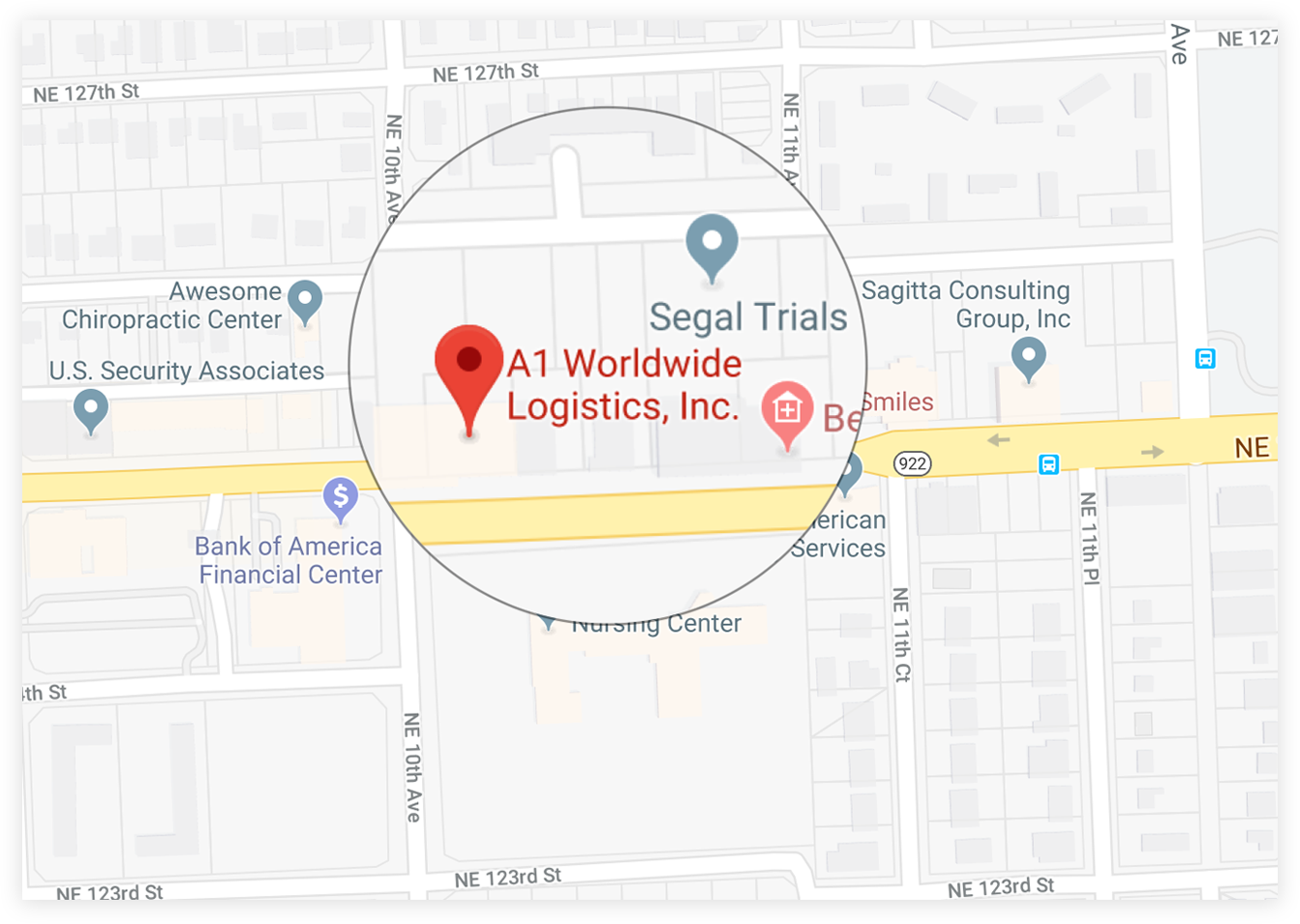
 1035 NE 125th St Suite #320, North Miami, FL 33161.
 a1worldwidelogistics.com
 (305) 821-8995
 Hours: 8AM - 5PM