
by A1 WorldWide Logistics | Feb 15, 2024 | Economic trends, Shipping Logistics, Transportation
After months of turmoil, the ongoing Red Sea attacks are continuing on containerships passing through. On December 26th, 2023, Houthi militants attacked a containership of one of the biggest shipping companies in the world. Over the next month, and into February, the militants struck multiple ships moving through the waterway. The reason that the disruptions are happening is the Israel-Hamas conflict that has been ongoing over the last year. Initially the war was primarily in Gaza but has escalated to other parts of the region, like the Red Sea. The attacks are at a point where shippers exporting their goods globally are starting to feel the effect.
What Do The Ongoing Red Sea Attacks Mean For International Shipping
The Red Sea is one of the most significant waterways in international trade. It connects to the Suez Canal, one of the most crucial artificial passages for shipping. Nearly 30% of container volume and 12-15% of global shipping traffic passes through the Suez Canal. Due to the number of carriers that pass through, the attacks significantly affect cargo moving globally. The reason behind the strikes is to cause trade disruptions, which will potentially push Western governments to force Israel to a ceasefire in Gaza. International trade has begun to feel the impact of higher transit times, shipment delays, and more emissions.
International shipping has already felt the strain from the Ukraine-Russia war and the Panama Canal drought. One of the main effects is that delays and congestion in certain ports could continue to surge. Another effect is increased shipping rates, particularly in shipments from China to the U.S. West Coast. The China-West Coast FBX rate of $2,713 on January 3rd, 2024, was over 95% higher than in January 2020. Many believe the congestion will increase in the next few weeks, specifically in West Coast ports. This is due to U.S. West Coast ports like the Port of Los Angeles becoming a more attractive transportation route.
How Are Shippers Responding To The Attacks
With the conflict continuing, shippers are finding numerous ways to navigate the disruption. As mentioned, some of the biggest shipping companies have rerouted their carriers to various locations away from the Suez Canal. By January 2024, freight passing through the Suez Canal reportedly dropped nearly 45% in two months. A frequent route has been the Cape of Good Hope in South Africa, which has pros and cons. Although exporters avoid the disruptions, this journey adds up to 14 days to the shipment. Another solution that shippers are looking at is using other methods of conveyance, like air and land. Transporting cargo by air reduces the transport time to nearly one or two days, which is crucial for time-sensitive cargo.
When situations like the current conflict arise, you must take measures to ensure your shipment’s success. Although disruptions in a canal may not be avoidable, there are ways to avoid feeling the damage to your shipment. Coordinating with a freight forwarder is a primary factor in preventing delays and impediments to the supply chain process. Freight forwarders are logistics professionals with years of experience in shipping. Contact A1 Worldwide Logistics at 305-821-8995 to speak to our export forwarders and begin moving your cargo globally.

by A1 WorldWide Logistics | Jan 11, 2024 | Economic trends, Shipping Logistics, Supply Chain
Recent disruptions are leading to ocean shipping rates spiking internationally, particularly on the U.S. West Coast. Rates for specific shipments from Asia to the U.S. West Coast have surged over 50% at the start of 2024. The China-West Coast FBX rate of $2,713 on January 3rd was over 95% higher than in January 2020. The rates are going so high because of the current disruptions in the international shipping industry. In particular, the Israel-Gaza conflict is causing containerships to switch routes and Panama Canal Restrictions. Carriers have already rerouted more than $200 billion of cargo from the Red Sea to other locations.
Why Are Ocean Shipping Rates Spiking
The most significant contributor to the current surge in West Coast rates is the situation happening in the Red Sea. A side effect of the Israel-Hamas war is that the Houthi rebels are attacking shipping routes in support of Hamas. Since mid-November, the Houthi has carried out a total of 23 attacks on containerships passing through The Red Sea. As carrier companies reroute their vessels, short routes like Asia to the West Coast are becoming more attractive. While the Cape of Good Hope has also been another alternative route, it is a longer path. A ship transporting goods from Shanghai to New York via the Cape of Good Hope can take 43 days.
Comparatively, A voyage from Shanghai to California takes nearly 17 days plus 1-5 days to move the cargo from China to New York by truck. This is causing Asia to the West Coast to be an increasingly attractive route. The increase in traffic is causing the container shipping rates to the West Coast to rise. A recent drought in the Panama Canal has also led to a growing number of carriers and surging rates. Initially, the restrictions from the draught caused Asian cargo going to the East Coast to reroute to the Suez Canal. The current situation in the Red Sea is now causing carriers to redirect again.
How Are Shippers Managing Disruption
Despite the conflict’s effect on shipping, many believe the disruptions and current rates are temporary. During the coronavirus pandemic, container rates reached record levels due to the immense demand for moving freight. Congestion and the limited capacity to handle the cargo contributed to the surge. The present situation differs since carriers can handle the rising rates more than the pandemic. The Panama Canal’s restrictions will also soon reduce, with the rainy season approaching May 2024. Tankers and dry bulk containers have not been affected by the threats and continue to transit through the Red Sea.
While current situations may seem unfavorable for international shipping, shippers are finding solutions to mitigate potential impacts on their shipments. Along with rerouting cargo, this includes being up-to-date with any events that affect the transport of goods. Exporters are also bypassing the disruptions by switching to different means of conveyance, like air or land, if possible. Another way that shippers are navigating the current situation is by getting assistance from a logistics provider. Call A1 Worldwide Logistics at 305-821-8995 for a quote to move your shipment to and from the U.S. We give you peace of mind knowing that you or your business can navigate the complex world of international shipping.

by A1 WorldWide Logistics | Jan 4, 2024 | Air Freight, Economic trends, Shipping Logistics, Supply Chain
A continuous Israel-Hamas conflict is growing airfreight shipping due to delays in the Suez Canal. Over the last few months, tensions between the parties have escalated with an attack on Gaza in October of 2023. Cargo that has to pass through the Red Sea, in particular, has felt the effects of the war. The Red Sea is a significant passageway, with nearly 10% of the world’s freight passing yearly. Shippers have recently begun looking at alternate solutions, like redirecting shipments to navigate the conflict. Along with rerouting shipments to safer locations like the Horn of Africa, shippers are looking at air as an alternative.
How the Israel-Hamas Conflict is Growing Airfreight Shipping
Businesses and shippers are seeing no end to the Gaza war and are seeing an impact on cargo movement. Delays and potential danger may result in a surge in air shipping because of the benefits of this conveyance method. Rerouting ocean shipments to locations like the Cape of Good Hope adds up to 14 days to the journey. Congestion from the number of carriers redirecting further may increase shipping times. Using an air carrier can reduce the transport time to nearly one or two days. This is especially crucial for importers and exporters who must move time-sensitive goods for sales or production requirements.
Along with the crisis in the Red Sea, other situations are leading to a growth in air shipping. A growing shortage in container ships is happening at a time when China’s New Year is closely looming. The Chinese New Year is a peak season when significant goods pass through the Red Sea. Meanwhile, a record drought in the Panama Canal is further increasing traffic in the Suez Canal. The sizable traffic further pushes shippers to look for alternatives like air carriers to move their cargo. With nearly 3% of global trade done by air, a high demand can soon raise the percentage.
What Can This Mean For International Shipping?
Despite the majority of the war happening around near Israel, international shipping could start feeling the backlash. Nearly 12% of the world’s trade, including 30% of containers, passes through the Suez Canal. Carrier companies have already increased shipment rates moving through the Suez Canal. A major international carrier company has recently indefinably suspended operations in the canal, causing container spot rates to surge. Prices for shipping crude oil have also been rising. The impact on U.S. shipping may be minor relative to China and Asia. As the war persists, risks to global cargo movement could continue to grow.
Another concern is that the conflict may expand to other countries like Lebanon. Last month, Houthi militants in Yemen attacked several containerships passing through the Red Sea in the span of several days. While disruptions can be adverse when importing/exporting, they should not stop you or your company from moving freight. The shipper should, however, take better precautions to prevent delays and other scenarios from happening. Having a 3PL provider like A1 Worldwide Logistics coordinate your shipment is an ideal way to navigate potential disruptions. Contact us at 305-821-8995 for assistance in transporting cargo internationally. We have various methods of conveyances like air, sea, and land to guarantee that you meet your shipping goals.
by A1 WorldWide Logistics | Dec 14, 2023 | Economic trends, Shipping Logistics, Transportation
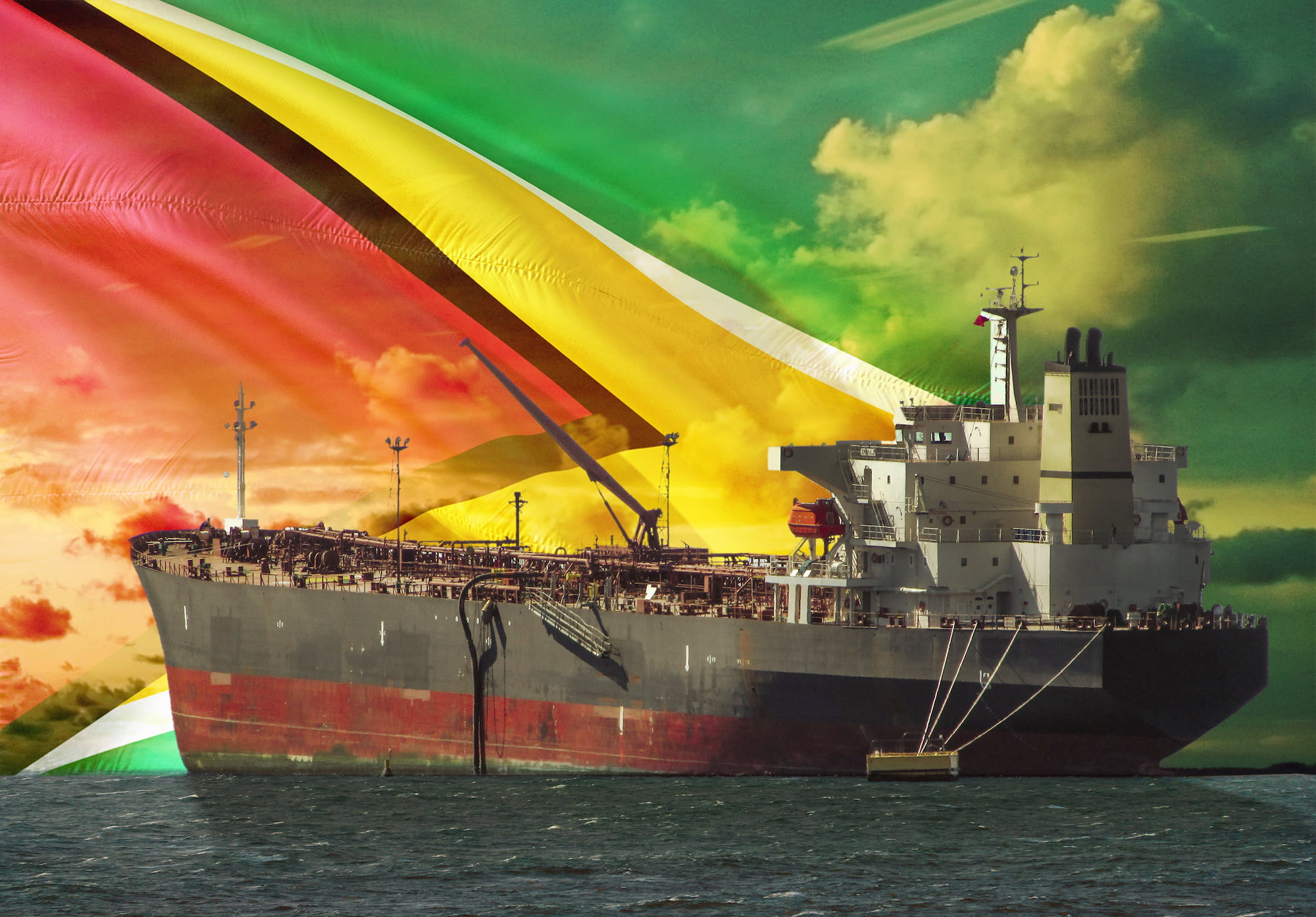
A current conflict between Venezuela and Guyana may result in tankers facing a new war soon. In the past year, international shipping has gone through two conflicts simultaneously. The first was Russia’s invasion of Ukraine, and then the more recent Israel-Hamas conflict. Both events influenced oil trade globally and led to scenarios like a surge in oil prices and shipment rerouting. Now, disputes between Venezuela and Guyana regarding Guyana’s prominent oil region of Essequibo are growing. While exporters are currently not too concerned, a potential escalation in tensions can unfavorably impact global oil transport. In particular, crude tankers moving out of the Atlantic Basin may feel the most significant effect.
Why Could Venezuela Invade Guyana?
The conflict between the two countries results from a more than century-long claim dispute of Essequibo. Essequibo is a land territory that the Paris Arbitral Award gave ownership to Guyana in 1899. In 2015, the discovery of major oil deposits in that region resulted in an oil boom in Guyana. In 2019, Guyana’s economy rose nearly 60% in the first half of that year. When the U.S. company found oil in Essequibo, Venezuela’s interest in the region returned. Venezuela’s pursuit of Essequibo has also grown to the present moment with the justification that the 1899 contract was unjust. Nicolas Maduro, the country’s president, has recently threatened an invasion of Guyana and seizing of the region.
If Venezuela does invade Guyana, both countries could face the drawbacks. Since 2019, Guyana’s oil exports have grown to 400,000 barrows daily and could reach 1 million by 2027. An annexation can halt the growth and hurt Guyana’s economy, of which oil shipping makes up a significant part. For Venezuela, different countries could reimpose sanctions, leading to oil companies leaving Guyana and hurting oil production. It is crucial to note that the U.S. has a notable presence in Essequibo, meaning an invasion can be challenging. Guyana’s and Venezuela’s presidents will meet on the island of St. Vincent this week to discuss the issue further.
Will International Shipping Be Disrupted By Tankers Facing A New War?
An escalation in the current tensions between Guyana and Venezuela could impact international tanker shipping. Similar to the Israel-Hamas conflict, tanker rates can surge to significant levels. In the week that Hamas attacked Israel, tanker rates in 16 global trade routes rose an average greater than 50%. Another effect of Venezuela’s invasion of Guyana is a reduction of Atlantic Basin exports. The decrease will be slight and short because numerous countries are increasing oil production. Brazil has been growing its oil production recently, and the U.S. is still the fifth largest oil producer globally.
Other countries outside the Atlantic Basin are also increasing tanker shipping with refinery capacity being built near the Suez Canal. The impact of Venezuela invading Guyana may be small on international tanker movement since the demand from countries like Brazil and the U.S. is much greater. While the effects may be less dire to global oil shipping, a shipper must understand what to expect before starting. Being informed and prepared is essential to ensure the smoothness of a shipment. Contact A1 Worldwide Logistics at 305-821-8995 to begin shipping your goods internationally. We understand the importance of your shipment and will be with you through the entire process.

by A1 WorldWide Logistics | Oct 19, 2023 | Economic trends, Shipping Logistics, Supply Chain
International freight exporters and exporters may have to take caution soon with the Israel conflict affecting shipping in various ways. The Israel-Hamas war has intensified over the last week, and the maritime industry is now monitoring the situation. While shippers have not felt significant effects on international cargo movement, analysts believe this could change if the conflict continues. Israel is a significant importer/exporter of different commodities for countries like China, the U.S., and Switzerland. With Israel being a critical trade region, this war may impact numerous supply chains. This article will explain how the situation will affect container, gas, and oil shipping markets.
How Will The Israel Conflict Affecting Shipping?
While container shipping has yet to see the effects, that can change if the war expands beyond the country’s borders. Two critical locations for global freight movement are nearby: the Suez Canal and the Strait of Hormuz. The Suez Canal is a crucial waterway for container carriers connecting the Mediterranean and Red seas. The Strait of Hormuz is a pivotal oil and gas shipping channel connecting the Persian Gulf to the Gulf of Oman. One of the main predictions if the conflict expands is that delays and bottlenecks will grow.
Shippers that need to move shipments internationally use these waterways as shortcuts. Having to reroute can result in longer delivery times and higher shipping rates. Another effect is that imports/exports to and from Israel will reduce. Various regional ports are experiencing closure and cancellations, also leading to traffic. An indirect consequence affecting container and dry bulk shipping is the global economy. The continuing war can damage the economy, affecting the costs and amount of freight shippers move.
Crude Oil, LNG, And LPG Shipping
Crude oil and gas shipping could have a more substantial impact from the war than container transport. The greatest prediction is that crude oil, LPG, and LNG rates will rise rapidly. A reason is due to the significance of the Strait of Hormuz. Nearly 20% of the world’s oil supply flows through this waterway. It Is also impossible to navigate without creating disruption compared to the Suez Canal. If the conflict expands to nearby regions, the straight will close, and shipments will backlog.
Since there is a sizable demand to ship oil and gas internationally, a stop can negatively affect supply chains. An increase in petroleum prices can result in higher operational costs for carriers, increasing customer costs. Markets are already reacting, with futures for crude oil rising 5.5% from last Thursday to Friday. Crude oil LNG and LPG rates felt a similar trend during COVID-19 and Russia’s invasion of Ukraine.
What Can I Do To Prevent Supply Chain Disruptions?
It may be too soon to determine the impact of the Israel-Hamas conflict on cargo movement. While alarming, this situation should not stop you from moving your goods. However, you should take necessary precautions to prevent supply chain disruptions and delays. Contact A1 Worldwide Logistics at 305-821-8995 for assistance with your supply chain needs. We help you navigate the world of international shipping by offering services like freight forwarding and customs clearance. We also inform you what to expect and provide solutions to ensure the logistics process goes smoothly.

by A1 WorldWide Logistics | Aug 10, 2023 | Economic trends, Importing, Shipping Logistics, Supply Chain
Technological advancements over the past few decades have opened up the possibilities for seaports of the future. Seaports have been necessary for moving freight locally and internationally for thousands of years. The first recorded harbor was the Wadi al-Jarf, built on the Red Sea coast of Egypt. This was estimated to be built around 4500 years ago. Today, many of the biggest companies in the world depend on harbors to keep their supply chains running. Innovations in technology have led to the growth of ports and the shipping industry, which continues to grow. This article will explain the latest trends and predictions for the seaports of the future.
How will the Seaports of the Future be Different?
A common term used when describing seaports of the future is a smart port. Smart ports are harbors that use advanced tech like AI (Artificial Intelligence), automation, data, and blockchain to enhance their capabilities. Digitalization is one of the most significant trends that will continue to grow. Multiple components from inside to outside operations may become more digitally connected for greater productivity. Before entering the port, real-time GPS tools will monitor the boats and containers entering and leaving the facility. This can slow down traffic and speed up supply chains. Ports can use the same technology to track containers that leave the seaport, decreasing port traffic.
Digitalization will also lead to better data exchange through the IoT. The Internet of Things (IoT) is any object with sensors and software that can communicate over the Internet. Along with everyday life, IoT has become used in various industries like international shipping. Future smart ports could install data-transmitting software on infrastructure like roads, terminals, and warehouses. The purpose will be to collect information about operating systems and improve overall performance. Along with growing port efficiency, digitalization allows for better employee safety. Examples are vehicles and cargo handling equipment with sensors that monitor surroundings for nearby workers.
Digital solutions can also help collect info to increase the amount of environmental sustainability in the ports. This is especially important with the current goal of reducing CO2 emissions to zero by 2050. The Port of Esbjerg in Denmark uses a digital system to monitor CO2 emission outputs. One of the goals of smart ports is to use technology to create more eco-friendly operations.
Automation Will be a Growing Focus
Artificial intelligence has led to a greater use of automation in work environments like ports. Automation is the usage of technology to perform tasks with limited human interaction. With current ports worldwide already having specific automated operations, future ports may be fully autonomous. This doesn’t come with challenges, such as costs and complexity of operations. In time, technological advancements and an increase in data analytics will assist in the push. The Port of Shanghai has already opened the world’s largest fully automated terminal.
While future seaports open up new opportunities for international shipping, it may be a while before the change happens. However, ports are still vital to supply chains when moving cargo globally. The shipping process may not always be as easy; situations like having goods stuck at the seaport can happen. Having a logistics company move the freight for you is the best way to ensure the delivery of your shipment. Contact A1 Worldwide Logistics at 305-821-8995 for assistance with importing into the U.S. or exporting Internationally.

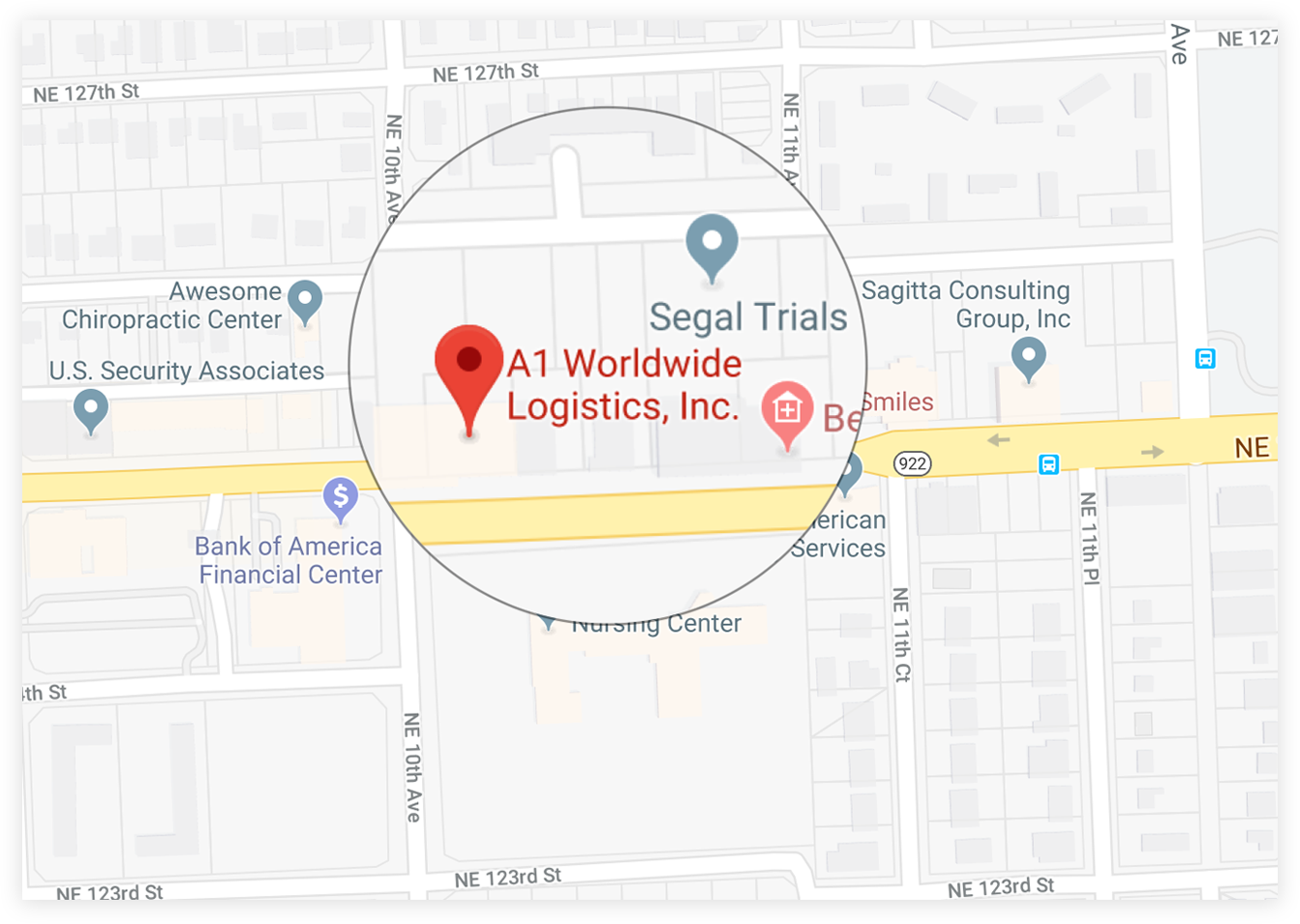
 1035 NE 125th St Suite #320, North Miami, FL 33161.
 a1worldwidelogistics.com
 (305) 821-8995
 Hours: 8AM - 5PM