by A1 WorldWide Logistics | Apr 25, 2024 | Customs Broker, Freight Forwarding, Importing
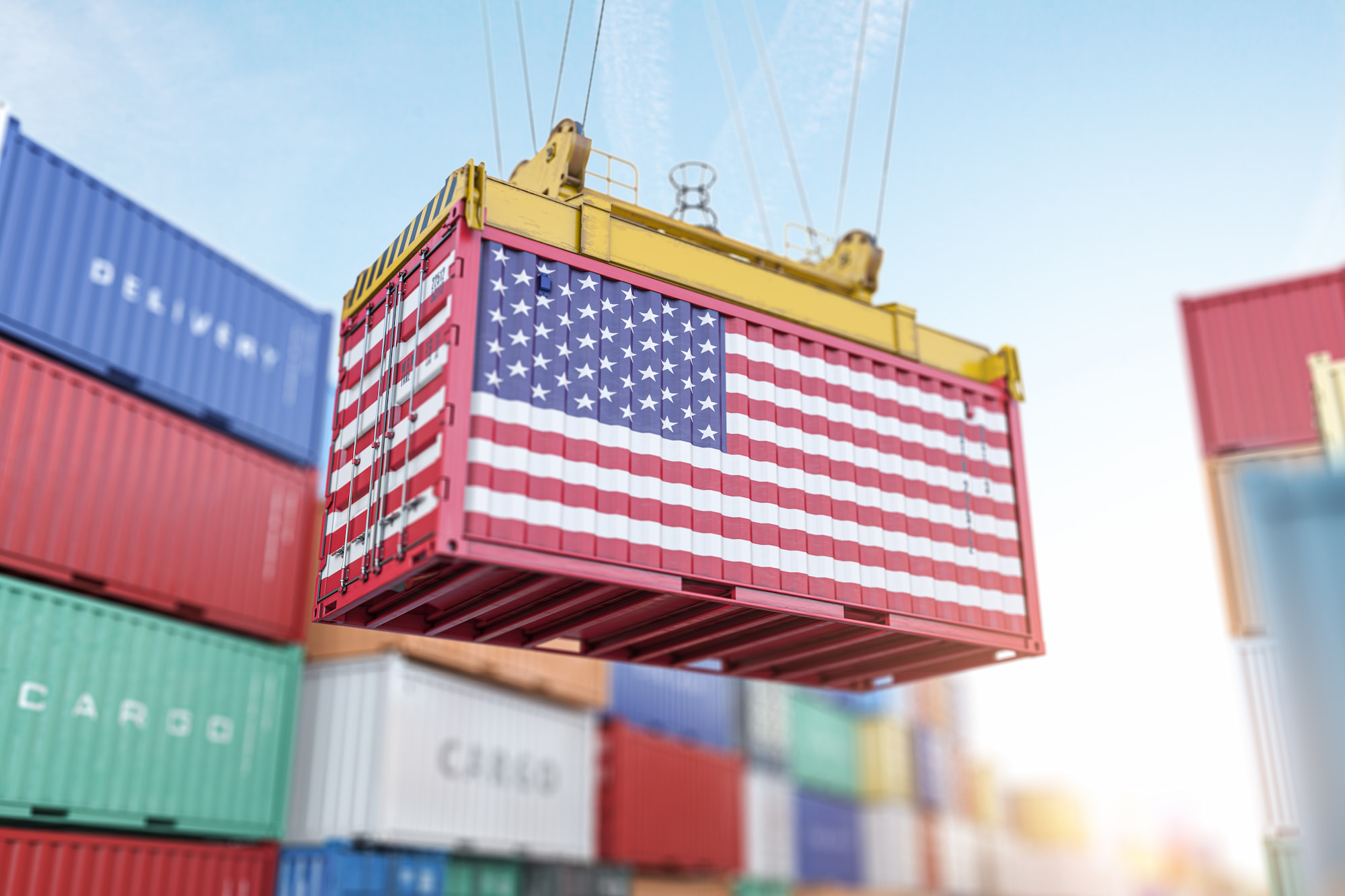
Whether you are a new or experienced shipper, ensuring a successful importation is essential when bringing cargo into the U.S. The U.S. is the most significant importer globally and brought in over $3 trillion of freight in 2023. It may be attractive when starting because of its numerous benefits for businesses and shippers. However, you should take special precautions to avoid potential disruptions during the process. Many things may go wrong during importing which can result in monetary loss or loss of the cargo. This article will explain what can go wrong when importing and give tips to ensure a successful shipment when starting.
What Can Go Wrong During The Importation Process?
Due to the complexity of importing into the U.S. or elsewhere, many components can go wrong. A common issue that arises when moving cargo is delays in customs clearance. Numerous problems can lead to delays like incorrect documentation, unpaid fees, not following packing or label regulations, etc. Holds can be especially bad for businesses that are shipping goods to customers. Another scenario that can go wrong is bringing goods into the U.S. with the incorrect tariff code. Having the wrong code can lead to shipment seizure and other non-compliance penalties. Once customs clears the cargo, late container pickup and drop-off can lead to demurrage or detention charges.
What Are Some Tips For Ensuring A Successful Importation?
Although scenarios like cargo damage can be unavoidable, there are parts of the process that an importer can control. Some of the ways that a shipper can ensure a successful shipment include:
- Have the correct paperwork – There are numerous documents that a shipper may require when importing into the U.S. Some examples include the bill of lading, packing list certificate of origin, arrival notice, commercial invoice, etc. Importers also should verify the correct filing of the paperwork. Incorrect documentation can result in goods staying at customs and extra costs.
- Understand the rules and regulations for importation – Countries that bring in cargo internationally have regulations that shippers must follow, and the U.S. is no different. Before shipping, importers must understand these guidelines and ensure their shipment follows them. An example is not importing illegal freight like absinthe, dog, or cat fur.
- Determine the correct tariff code – Similar to documentation, a shipper must ensure they have the correct HS tariff code. The HS (Harmonized Tariff) is a method for classifying traded goods. These codes help customs assess taxes along with other tasks. Use a tariff database or help from a customs broker when looking up your code.
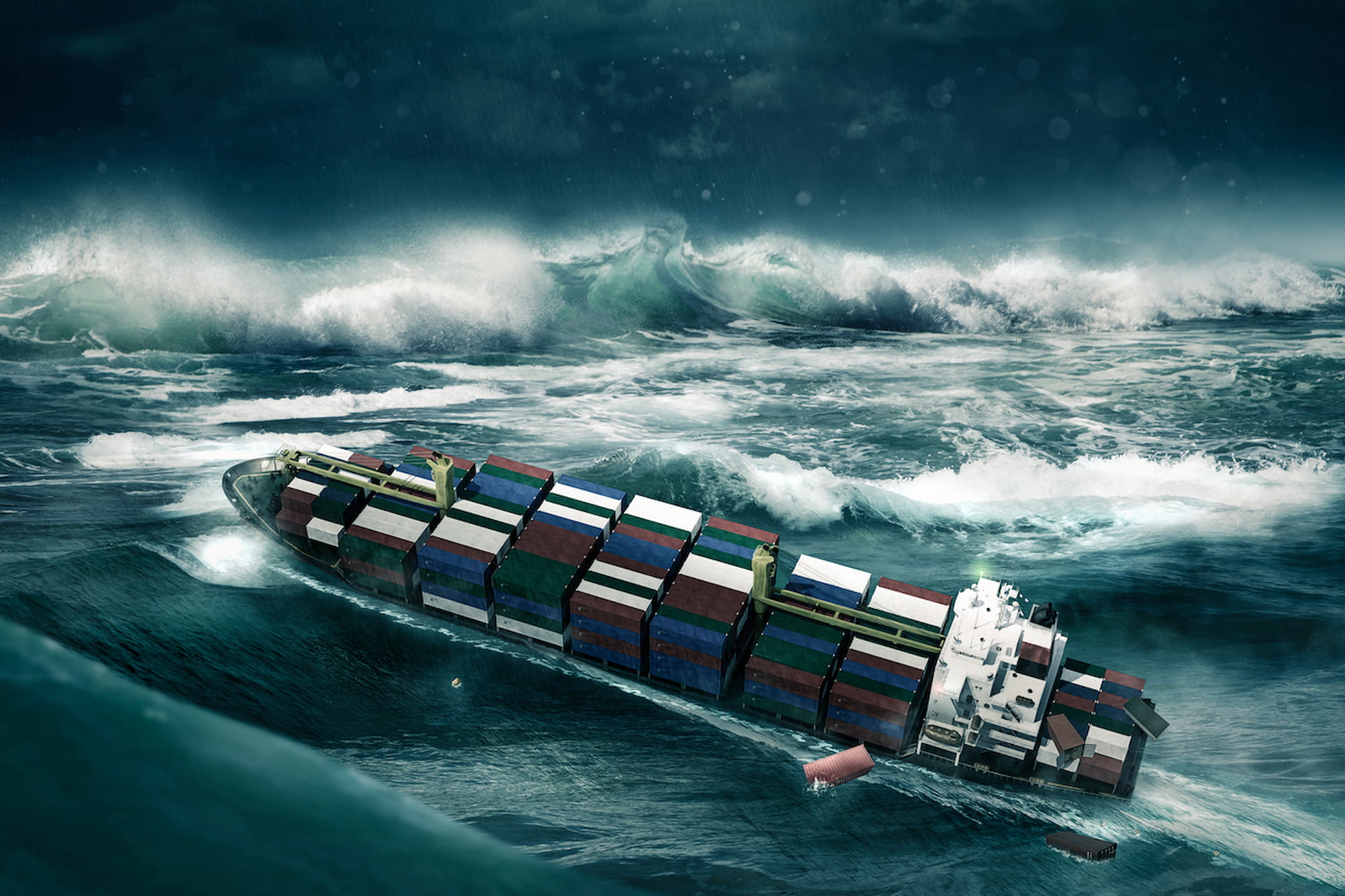
- Prepare for risk – Importing internationally into the U.S. can have numerous risks, especially when starting. In addition to the tips in the article, the shipper should take extra steps, such as using reputable carriers to protect their goods. Having cargo insurance can be useful for unavoidable scenarios like the shipment falling into the ocean.
How To Get Started?
With all the tips in the article, starting may still be challenging for beginner importers. An ideal way to begin is by using a freight forwarder and customs broker to streamline the shipping process. Freight forwarders act as the middlemen coordinating your cargo’s movement into and out of the U.S. Brokers assist in the customs clearance when the shipment enters the U.S. Both professions handle part of the importation, allowing the shippers to focus on other parts of their supply chain. Contact A1 Worldwide Logistics at 305-821-8995 or info@a1wwl.com to start importing from anywhere internationally. We have forwarders, brokers, and different solutions to ensure the success of your import.

by A1 WorldWide Logistics | Mar 21, 2024 | Agricultural imports, Air Freight, Customs Broker Miami, Economic trends, Freight Forwarding, Supply Chain
Los productores y/o comercializadores de flores cortadas deben ser excepcionalmente cuidadosos al transportar flores a los Estados Unidos, especialmente durante el Día de San Valentín. El Día de San Valentín es un momento para demostrarle a esa persona especial que la aprecias y te preocupas por ella. Una de las formas más populares es regalándole un ramo de rosas. En 2023, la Agencia de Aduanas y Protección Fronteriza (CBP por sus siglas en inglés) reportó haber inspeccionado más de mil millones de arreglos florales importados durante la temporada del Día de San Valentín. La mayoría de los envíos provenían de Colombia y Ecuador y llegaban a los Estados Unidos a través del Puerto de Miami. Al decidir vender flores a los Estados Unidos, se deben tener en cuenta muchas consideraciones. Este artículo explicará algunos aspectos logísticos básicos de dicho proceso y cómo comenzar.
¿Qué hay que saber antes de comenzar?
Los productos florales pueden ser más difíciles de llevar a los Estados Unidos que otras importaciones. Además de los requisitos de Aduanas y Protección Fronteriza (CBP), los importadores deben seguir las regulaciones del Departamento de Agricultura de los Estados Unidos (USDA). El USDA verifica que las importaciones agrícolas como las flores estén libres de plagas y enfermedades, entre otros. Antes de comenzar, hay que asegurarse de que el envío cumpla con los requisitos de entrada. Si bien los importadores suelen enviar rosas rojas durante el Día de San Valentín, cada tipo de flor puede tener sus propios requisitos, que determina el USDA. Por ejemplo, los arreglos de flores, los ramos y las plantas en maceta tienen diferentes requisitos, y no entenderlos puede afectar negativamente su importación.
¿Cuál es el proceso logístico para importar flores a los Estados Unidos?
Se pueden utilizar varios métodos de transporte para llevar flores a los Estados Unidos, como aire, mar y tierra (caso México), para lo cual por lo general los productores/comercializadores se valen de agentes de carga. Es esencial tener en cuenta que las flores son perecederas, lo que significa que pueden estropearse después de un tiempo específico. Los importadores suelen utilizar contenedores refrigerados y otros métodos más avanzados, como el enfriamiento al vacío, para evitar que se dañen durante el tránsito. Algunos de los documentos que la CBP requiere para importar flores incluyen:
• Conocimiento de embarque aéreo/marítimo: Un recibo que indica que el transportista está moviendo la carga, que también puede proporcionar información de seguimiento.
• Certificado fitosanitario: Un certificado que asegura que las flores están libres de plagas y enfermedades.
• Factura comercial: Un documento con información esencial sobre el envío que también usa Aduanas para evaluar el valor de la carga.
• Certificado de origen: Un certificado que verifica el país donde se realiza la exportación.
Estos son solo algunos de los documentos que la CBP requiere para la importación y pueden variar según el tipo de flor. Para entender la documentación que los envíos requieren, los remitentes suelen asesorarse de agentes de aduana. Un agente de aduanas es un intermediario entre el transportista y las autoridades aduaneras y coordina la liberación de un envío.
En conclusión, importar flores a los Estados Unidos para el Día de San Valentín es un proceso complejo que requiere una cuidadosa planificación y coordinación logística. Desde cumplir con los requisitos de entrada hasta garantizar una entrega oportuna y en condiciones óptimas, cada paso del proceso es crucial para el éxito de la operación. Con una comprensión clara de los aspectos logísticos y comerciales involucrados, los productores y comercializadores pueden aprovechar al máximo esta temporada de alta demanda y celebrar el amor y el afecto de manera exitosa.
*Este artículo también fue publicado en la Revista Metroflor
by A1 WorldWide Logistics | Oct 12, 2023 | Customs Clearance, Freight Forwarding, Shipping Logistics
While the term demurrage may seem unfamiliar to new shippers, knowing how to avoid demurrage charges is essential when shipping. Demurrage is a fee that port officials place on cargo that overstays its time at a terminal. Also known as the last free date (LFD), this period is the final day that goods have free storage time. LFD can depend on various factors, such as a vessel’s arrival time at a port. Demurrage differs from detention charges when the importer exceeds the time for using the container outside the port terminal. This article will explain the causes of demurrage costs and how shippers can avoid these fees when moving goods internationally.
What are the Causes of Demurrage
Several situations can lead to cargo getting stuck at a port. One of the most common reasons this happens is because of documentation issues. If the paperwork is incorrect or missing, the shipment must stay on hold and may collect demurrage charges. An example is a Bill of Lading (BOL) with incorrect cargo or address data. The documents must also reach the receiver on time, meaning the shipper must gather the paperwork in advance. If an original BOL is lost, a shipper must take several recovery steps, which can take several days.
Another scenario that can lead to demurrage charges is a delay due to cargo inspection. Once the shipment reaches the port of import, customs checks it before clearance. If customs notices an incorrect HS code, they will place the goods on hold. A Harmonized System (HS) code is a number that customs use to classify cargo for tariff payments. Other occurrences unrelated to the shipper, such as labor strikes and bad weather, can also cause goods to remain at ports. Importers must also pay late invoice payments to prevent more costs from racking up. While several scenarios can lead to demurrage, the shipper can avoid and avert most.
How To Avoid Demurrage Charges
Although avoiding demurrage charges from situations like a labor strike is impossible, shippers can still prevent it from happening. Knowing the dos and don’ts of importing goods into the U.S. is essential. The importer should do the paperwork correctly, entirely, and on time. Before shipping, you should know the free days in your shipment contract and plan accordingly. Understanding the customs clearance process and what can go wrong is also essential. The regulations for importing can vary based on the port and the type of goods brought in. Drayage to a less costly off-port storage is ideal if your facility is not ready to receive the cargo.
Hiring a Freight Forwarder
The amount of information in this article may be confusing for first-time shippers. One of the most efficient ways to avoid demurrage charges is by having the help of a freight forwarder. A freight forwarder is an intermediary between the shipper and the final destination. They specialize in arranging cargo movement on behalf of the shipper and handle the logistics of your shipment. Along with educating you on preventing demurrage, they coordinate with the ports to ensure it doesn’t happen. Contact A1 Worldwide Logistics at 305-821-8995 to speak to one of our forwarders regarding starting your transport journey. We also have customs brokers to clear your shipment once it enters the U.S.
by A1 WorldWide Logistics | Oct 5, 2023 | Freight Forwarding, Shipping Logistics, Supply Chain
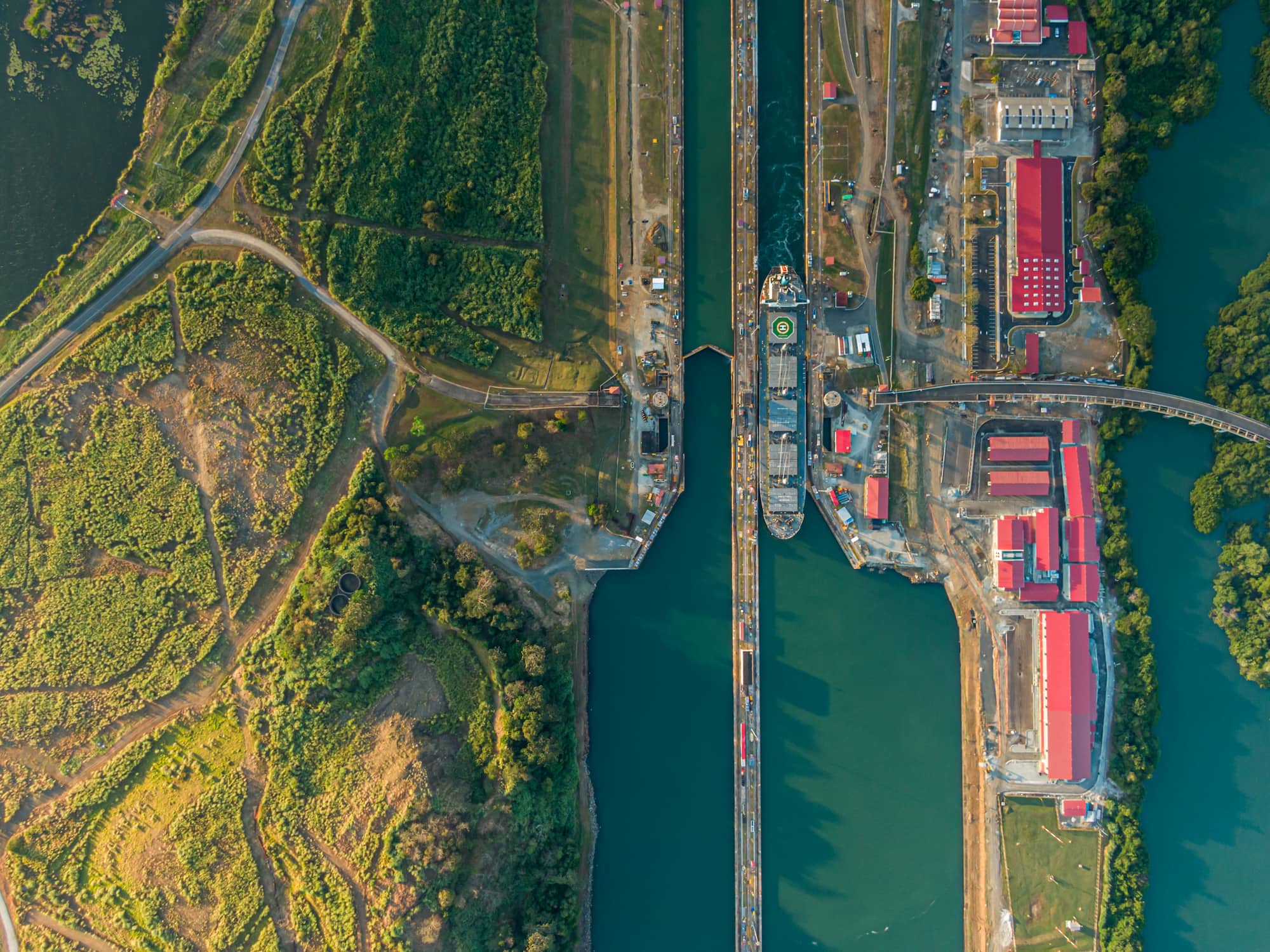
A persistent drought is leading to the Panama Canal transits lowering even further. In June of this year, the Panama Canal Authority (ACP) set various restrictions on carriers passing through the canal. The limitations are due to a drought that the waterway is currently facing. The Panama Canal relies on rainwater to move vessels across; however, the region has been experiencing a lack of rainfall. An ocean warming event known as El Nino further causes water scarcity, leading to an emergency. With the Panama Canal being one of the most important trade routes in international shipping, limitations have a considerable impact.
A few months ago, the ACP put limits on the drafts and the daily transits of vessels passing through. A draft limit is the distance from the lowest point of the boat and the waterline. On June 5th, the ACP cut the limit to 44.5ft (13.65m) from 50ft (15.24). It then went down to 43.5ft (13.26) on June 25th. The ACP also reduced the daily transits or the number of boats that pass through the canal. Usually, that number averages from 36 to 38, but it went to 31 from 32 in August. The newer Neopanamax locks will handle nine ships daily, while the older locks will have 22 pass through.
What Can This Mean For Shipping?
The decrease in the daily transits and the other limitations can negatively impact international shipping. With the Panama Canal being able to cut trade routes by miles, the most significant shippers rely on it. Around 13,000 to 15,000 vessels pass through the passageway yearly, meaning restrictions affect many supply chains. For example, loaders will put fewer containers on a ship to drop the weight when a draft limit lowers. An effect is that a shipper may move fewer containers internationally, which is unfavorable for business shipping to customers. Reducing the number of ships allowed to pass through daily can result in delays.
Will The Panama Canal Transits Lowering Delay My Shipment?
As previously mentioned, the number of vessels passing through the Panama Canal a day is 31. A decrease in daily transits causes a bottleneck where ships must wait outside longer than usual before entering. In August, the backlog peaked at over 160 boats waiting for entry. While that number is lower, it is still over 100 and may rise in the coming months. The main concern for many shippers is that their shipments will experience delays. The ACP notes that wait times for southbound transit rose from 5.56 to 8.85 days in August. Northbound transits went from 6.55 to 9.44 days.
While the restrictions may lead to delays in shipping, this should not stop you from exporting internationally. However, shippers must take steps beforehand to protect their supply chains. An example can be finding alternative routes to transport your cargo. The best way to prevent delays is to talk to a freight forwarder regarding your shipment. A freight forwarder is in charge of arranging the transportation of goods on behalf of the importer and exporter. Contact A1 Worldwide Logistics at 305-821-8995 to speak to our forwarder and ensure the safe movement of your cargo.
by A1 WorldWide Logistics | Sep 21, 2023 | Freight Forwarding, Shipping Logistics, Supply Chain
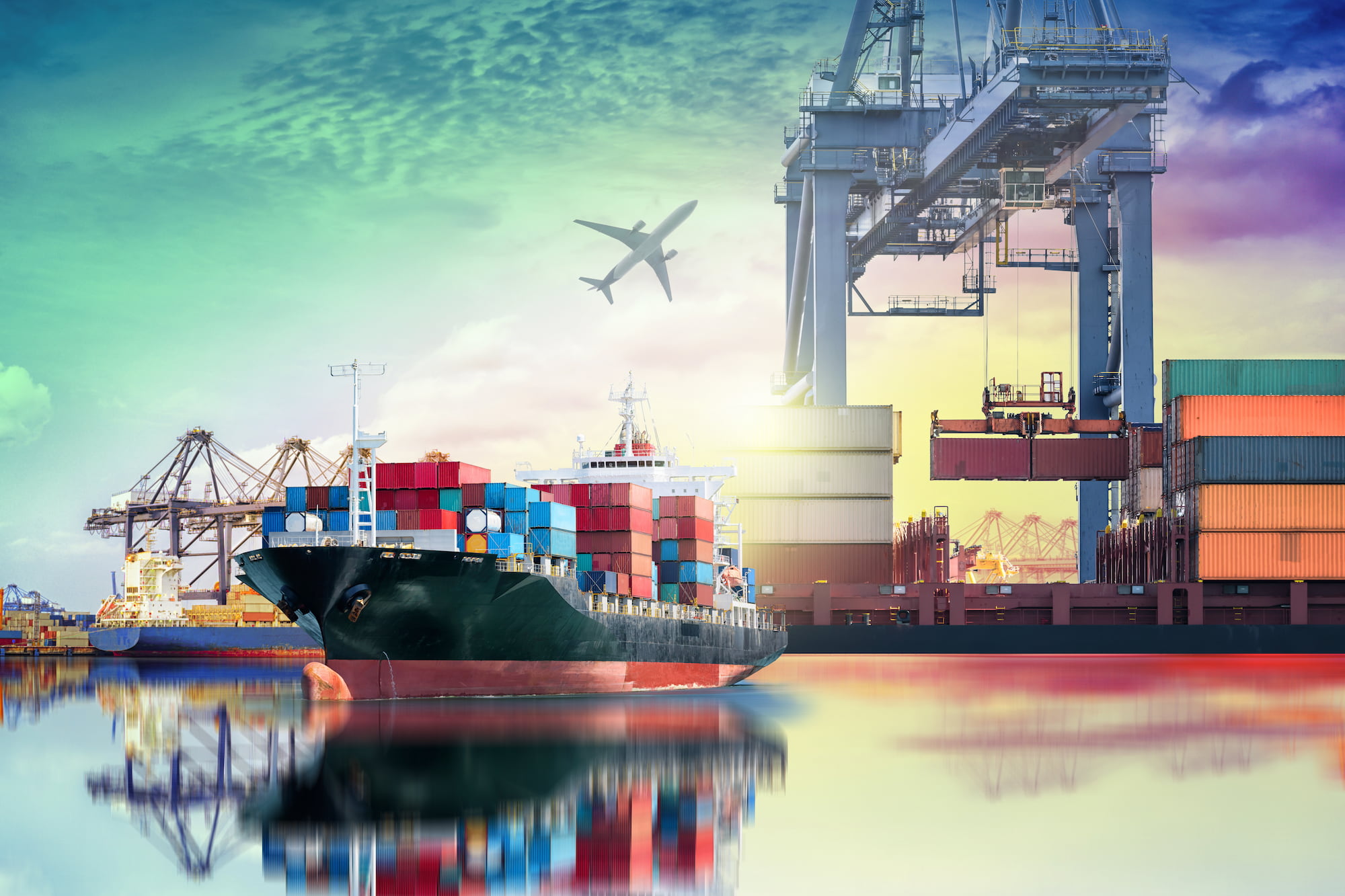
A question that shippers ask themselves when moving goods internationally is whether they should start shipping by air or ocean. Beginning shippers with limited experience tend to be unfamiliar with the two methods of transport. It is essential that importers and exporters fully understand these methods of conveyance and know how they compare and contrast. Failure to understand their differences can result in monetary loss and supply chain disruptions. There are many factors like contents, weight, size, content, and supply chain goals to consider when choosing. This article will introduce shipping freight by air and ocean and explain the differences when choosing between the two.
Moving Cargo By Air
Air shipping is when an air carrier transports freight internationally. The aircraft may be commercial or chartered, with the sole purpose of shipping. This method of conveyance was the last to grow compared to sea shipping but is equally essential for shippers. The most significant benefit is the fast transit times, ideal for time-sensitive cargo. Examples of goods that tend to move by are perishables, high-value commodities, and pharmaceuticals that carriers must deliver quickly. Retail companies with global customers also benefit from air shipping due to the demand for speed. Another benefit is the high level of reliability that air freight offers.
A significant number of supply chain disruptions are due to congestion and traffic. Since freight volumes tend to be smaller at airports, congestion is less common. There also tend to be multiple flights to a city daily, meaning A shipment can be moved to another plane when an issue arises. Airports also tend to have strict regulations for cargo, leading to higher security than other transportation methods. An effect of the benefits is that shipping costs for air transport are usually more expensive than other conveyances.
Moving Cargo by Ocean
Ocean or maritime shipping is the process of moving cargo internationally by sea. A vessel like a containership transports the freight to a seaport. One of the greatest advantages is the significant amount of cargo that carriers can move by ocean. With nearly 80% of the world’s shipments transported by sea, it is an integral part of international trade. Individuals and companies transporting large amounts of goods benefit from this conveyance method. Ships also allow the movement of many types of cargo since a container can fit many items. A shipment larger than containers, like construction equipment, can still go on a vessel.
Compared to other transportation methods, containerships also allow for transporting heavier goods. For example, ships can offer roll-on/roll-off services to bring cars onboard. Another advantage of sea shipping is that it is usually more cost-effective than other conveyances. The freight that benefits the most are bulk goods like raw materials and non-perishable products. Businesses that ship large volumes of cargo also benefit. Since the load is moving by ocean, the transit times may be longer than other ways of transport.
Should I Begin Shipping by Air or Ocean?
While both methods can be equally valuable to a supply chain, specific shipments benefit from one. When choosing to ship by air or ocean, you should have the end goal in mind. For example, ocean shipping is ideal if you plan on moving large amounts of cargo. If your goal is to move goods quickly, shipping by air can be the best solution. To begin your international shipping journey, contact A1 Worldwide Logistics at 305-821-8995. We have freight forwarders to help you find the ideal transport method for your shipment.
by A1 WorldWide Logistics | Aug 31, 2023 | Freight Forwarding, Shipping Logistics, Supply Chain
Shippers should always take precautions when moving goods internationally, which can mainly be true when shipping during the Hurricane season. The Atlantic hurricane season is a time from June to November when more hurricanes appear in the Atlantic Ocean. This period coincides with the peak shipping season when exporters move the most cargo domestically and internationally. The need for supply chains to run smoothly increases with the amount of freight that is moving. The hurricane season may affect the supply chain process and disrupt freight movement. This article will explain what could happen when shipping internationally during a hurricane and how a shipper can prepare.
What Can Happen When Shipping During The Hurricane Season
The most significant impact a hurricane can have, directly and indirectly, is freight movement. For example, shipping by sea during a storm can result in the disappearance of cargo. In 2012, Hurricane Sandy reportedly caused a loss of over 15,000 containers at sea. While containers can withstand severe weather conditions, strong winds can still damage them. For a supply chain, this can mean significant monetary loss. Containership companies use a standard method to protect cargo by making ships heavier. Carriers do this by adding more containers to the vessel to protect against storm waves.
Indirectly, carriers reroute to prevent being in a storm’s path. Rerouting may cause delays in the shipping process, resulting in a loss of money from extra charges. An example is an increase in fuel costs. Along with loss and physical damage to cargo, power outages can also disrupt a supply chain during a hurricane. Power outages in ports may halt operations and slow down the shipping process. Specific ports may even close for a few days, impacting transportation routes globally. Another impact is that the demand for various items increases during hurricane season. The shipping of commodities like groceries and home repair items increased during this period.
How To Prepare
While uncontrollable situations can happen when shipping during the hurricane season, there are ways a shipper can prepare. One of the ways to protect yourself from freight loss is by getting cargo insurance. This insurance protects the value of a shipment stolen, damaged, or lost in transit. The shipper pays a small premium covering the amount specified in the carrier’s insurance policy. Another way to prepare is to plan ahead before moving goods internationally. An example is using the weather forecast to determine the transportation route to avoid weather disturbances. Planning also includes looking for alternative ports when a hurricane causes a port closure or delay.
While shipping during a time with many hurricanes may be daunting, It should not stop you from moving your freight. Companies still require the success of their supply chains when moving goods to their final destinations. However, a shipper must make all of the necessary preparations before starting. Another way to prepare is by finding a freight forwarder to coordinate the movement of your shipment for you. Forwarders ensure the delivery of your cargo while guiding you through the process. They also explain the best steps to take when shipping during events like a hurricane. To speak to a freight forwarder, contact A1 Worldwide Logistics at 305-821-8995.

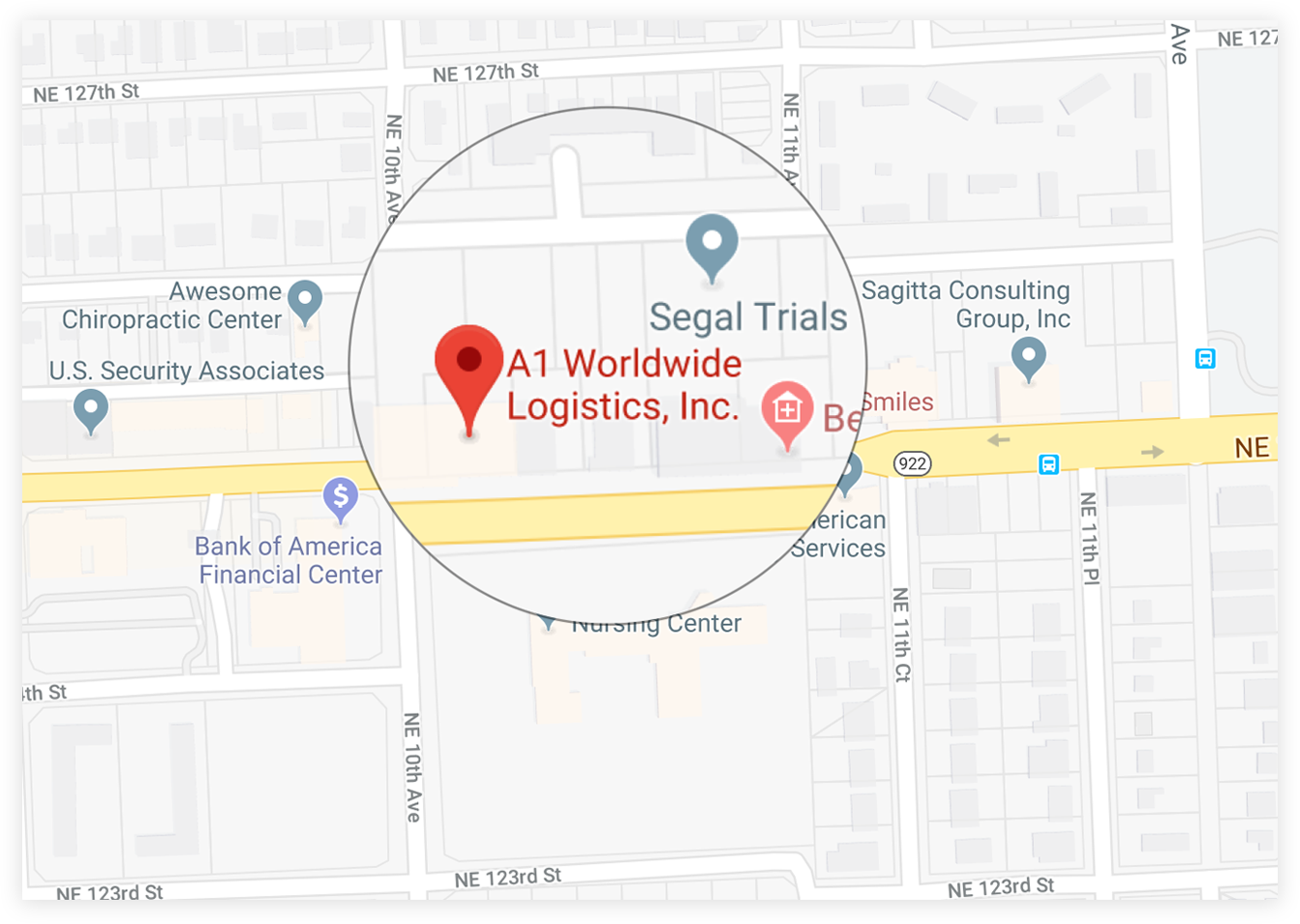
 1035 NE 125th St Suite #320, North Miami, FL 33161.
 a1worldwidelogistics.com
 (305) 821-8995
 Hours: 8AM - 5PM