by A1 WorldWide Logistics | Nov 2, 2023 | Customs Broker, Customs Clearance, Freight
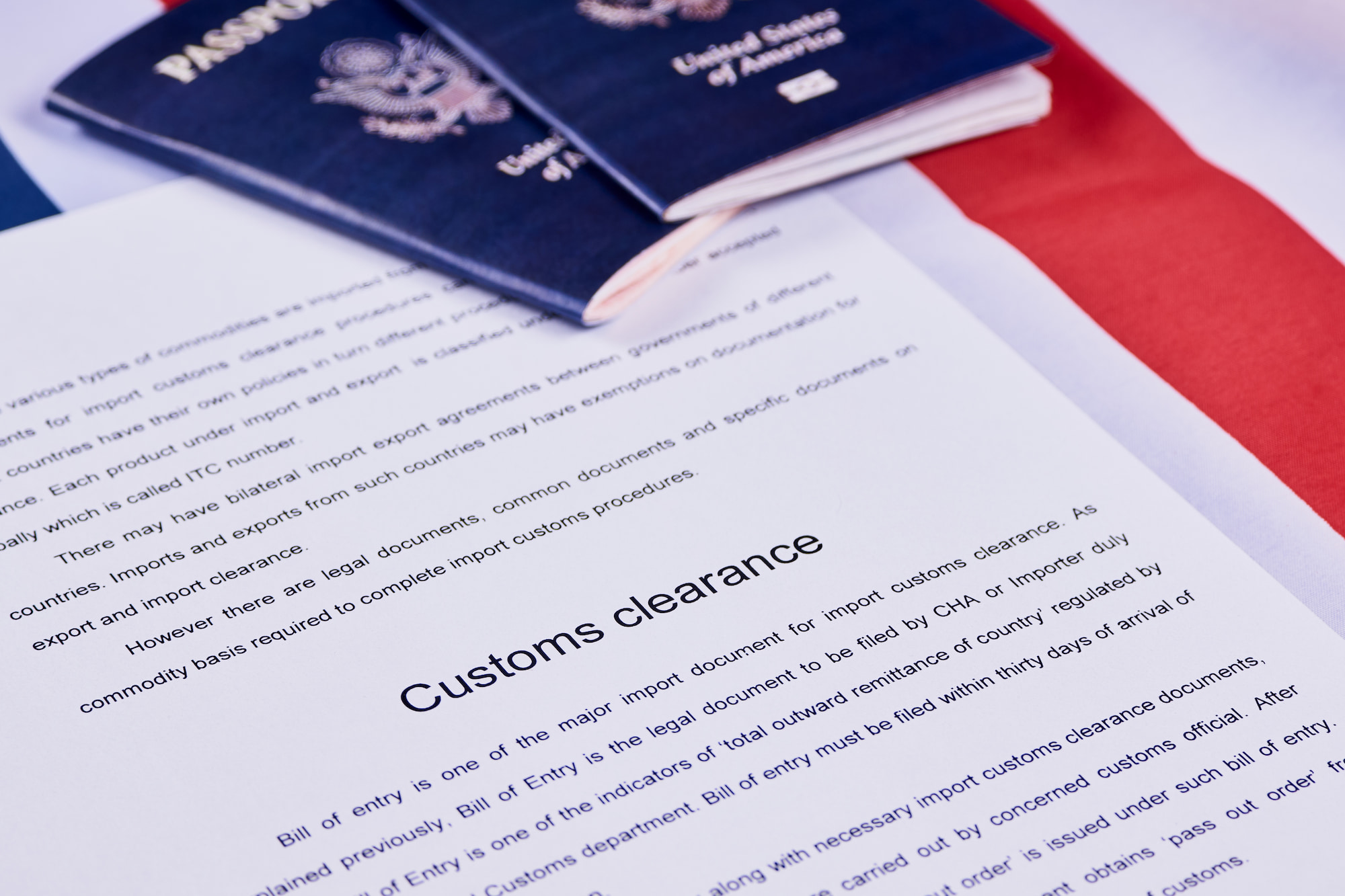
One of the most essential things a shipper should know before shipping freight internationally is the documents in customs clearance. Customs clearance is the procedure of declaring goods to customs authorities when bringing them into a country. In The U.S., they are the Customs Borders and Protection (CBP). Knowing what paperwork to provide can help simplify the transportation process and help prevent delays. There may be different documentation that a shipment needs depending on the commodity that is being imported/exported. This article will explain the more common types, and you should speak to a customs broker for a detailed explanation.
Why Is Understanding The Documents In Customs Clearance Important?
When bringing shipments into the U.S., having the correct documentation can save time and money. Incorrect or missing paperwork can result in customs placing a hold on your shipment. A business with customers can look bad if they cannot deliver their products on time. Freight that customs don’t release may also start collecting storage fees at the port, which is unfavorable for the shipper.
Documents for Clearing Customs
Commercial Invoice – This document is given to the customs officials to evaluate the value of the cargo. Customs also use the commercial invoice to determine the duties and tariffs they will assess to the shipper. It may include the freight description, information about the buyer and seller, shipment details, etc.
Bill of Lading or Airway Bill – When imports enter a country, the carrier gives the BL/AWB to customs. Customs require a bill of lading when goods enter the country using an ocean vessel, and they need an airway when an air carrier is the method. These documents are not only a receipt for what the shipper is transporting but also provide tracking information. Also, if the goods are lost or damaged, these forms are necessary for reimbursement.
Certificate of Origin – Customs use the certificate of origin to verify the country in which the export is taking place. This can be for various reasons, including political or if specific laws are in place. Check with your country’s chamber of commerce to see if it is a necessary document for your shipment.
Packing List – This is the physical description of what the shipper is transporting. It may include the dimensions, weight, and contact info. Although it is like the commercial invoice, it does not cover the fees associated with the cargo. It should, however, match the details on the invoice.
Arrival Notice – When the goods enter the destination country, the carrier sends the arrival notice to the consignee or receiver. This lets the consignee know the location details of the shipment. The arrival notice itself does not mean that the goods are available for release and allows for customs clearance arrangements. Custom brokers then provide the required documents for the release of the goods.
Contacting a Customs Broker
Along with the documents in this article, customs may require additional depending on the shipment. For example, importing firearms, chemicals, and plants requires different licenses. Since having correct paperwork can be intimidating for inexperienced shippers, they usually hire a customs broker to handle the process. If you plan on bringing cargo into the U.S., contact A1 Worldwide Logistics at 305-821-8995 to start. Along with assisting with documentation, our customs brokers offer various solutions to ensure the clearance of your goods.
by A1 WorldWide Logistics | Sep 27, 2023 | Freight, Supply Chain, Warehousing
Over the last few years, the shipping industry has seen a trend of on-demand warehousing growing. The coronavirus pandemic led to a surge in this type of warehousing for retailers. On-demand is a type of warehousing in which services are readily available to the customer when needed. They provide flexibility and swiftness to supply chains and do not require long-term commitment. In 2022, an on-demand logistics company reported that its customers grew by roughly 128% in 2020 compared to 2019. The company even built facilities across North America to accommodate the freight.
What Led to On-Demand Warehousing Growing
In early 2020, when the pandemic began in the U.S., many speedy fulfillment companies like Amazon temporarily limited operations. The main products that came into the fulfillment centers were essential freight needing to move out urgently. This resulted in the inability of a substantial number of sellers to use the warehousing services to move their goods to their customers. Many sellers immediately searched for other substitutes to store and move their goods out quickly. This led to the growth of on-demand warehousing providers. The recent surge in e-commerce also created a need for on-demand warehouses.
On-Demand Warehousing VS Traditional 3PL
3PL or third-party logistics is the use of a separate third party to provide services. This can include the shipping of freight and warehousing for a business. Despite the boom in on-demand warehousing, some believe that traditional 3PL warehousing is the better solution. Traditional 3PLs offer a range of services for long-term relationships. Conventional warehousing companies have more excellent knowledge and experience because of their long-term relationships.
One of the main differences between on-demand warehousing and the traditional 3PL model is their method of offering warehouse space. With traditional 3PL, warehousing tends to be in one or a few centralized locations. They may have more direct, longer-lasting relationships with their clients. On-demand warehousing where the 3PL is the middleman between a business looking for a warehouse and the actual facility. While less direct than traditional 3PL, this is ideal for short-term fulfillment. Even with the differences, these warehousing solutions are equally crucial for extensive supply chains.
A1 Worldwide Logistics
Logistics is the organizing and executing of a complex task or operation. This can involve several different components that work together to produce a result. When moving freight internationally, warehousing is a typical part of the supply chain and logistics aspect. Once cargo enters the U.S., taxes and duties must be paid before the freight reaches the importer. If the importer does not plan on receiving their shipment or paying duties at a specific time, they can keep their imports in a customs-bonded warehouse.
A customs-bonded warehouse is a facility where a shipper can keep imports without paying taxes and duties for up to 5 years. A1 Worldwide Logistics provides a custom bonded facility to store your cargo before you are required to pay taxes or duties. This is ideal if you plan to save money and find customers for your goods. Contact us at 305-821-8995 to learn more about our various supply chain solutions. Along with warehousing, we provide freight forwarding, customs clearance, trucking, and more.
by A1 WorldWide Logistics | Jul 3, 2023 | Delivery, Freight, Shipping Logistics
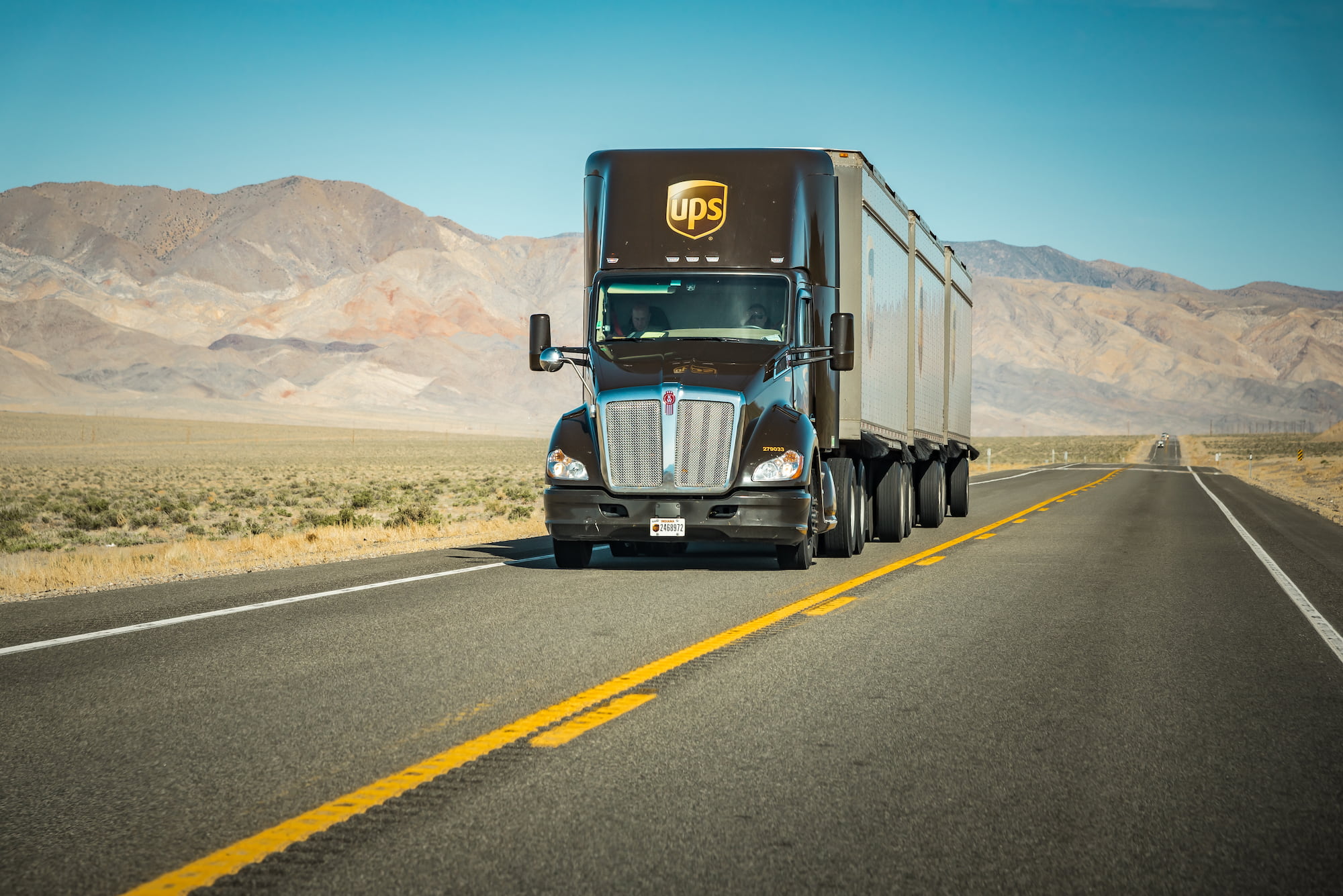
After months of back and forth, UPS vows to reach deal with Teamsters by July 5th. UPS (United Parcel Service) is the largest package shipping company in the U.S. in terms of volume. Recently unsatisfactory contract negotiations between UPS executives and workers have reached a point where a strike was looming. The workers are part of Teamsters, an extensive union of freight drivers and warehouse laborers in the U.S. More than 340,000 UPS employees comprising the Teamsters Union have been negotiating a contract reflecting their work. Last week, 97% of Teamster members voted to protest if UPS did not achieve a compromise.
With the amount of Teamsters workers in UPS, a walkout could be the largest single-company strike in U.S. history. The Teamsters General Secretary-Treasurer noted, “Our members are the backbone of UPS, and they are the reason this corporation hauled in more than $100 billion in revenue just last year.” Along with higher wages, the negotiated contract ended harassment from management and forced overtime. The conversations also brought up the elimination of a two-tier wage system and heat mitigation efforts for drivers. UPS vans that delivers drive do not come equipped with air conditioning, which Teamsters workers are demanding to install.
UPS Vows to Reach Deal by July 5th
One of the reasons why talks between the UPS and Teamsters have not gone so smoothly is due to contract ramifications. A new contract with higher employee pay can lead to UPS finding ways to offset the monetary losses incurred. This could mean looking for larger-sized clients like businesses compared to individuals. A slowing economy and recent inflation are also concerns for UPS if the parties ratify a new contract. With demand predicted to continue slowing throughout the end of 2023, deciding to charge higher rates can have negative effects. UPS’s competitor FedEx, which is currently taking out billions to potentially offer lower rates, may seem more attractive to customers.
On Friday, June 30th, Teamsters announced that UPS planned on reaching a contract agreement by July 5th. The announcement was made before the current 5-year national contract expires on July 31st. With the potential of a strike from Teamsters happening if no resolution is reached, this comes as positive news. A strike not only affects UPS, customers, and the economy feel the impact because of the size of UPS. Teamsters, however, noted that they will have a walkout on August 1st if UPS doesn’t reach an agreement by then.
What Can This Mean for Your Goods?
With over 17 million domestic packages delivered daily, a strike could drastically impact UPS’s customers. As mentioned, a new contract with higher labor costs leads to greater money loss for UPS. To compensate, UPS may begin charging higher rates and surcharges to their customers. A main concern is that UPS may lose customers if shipping becomes more expensive due to the current cost-sensitive market. Customers who ship globally could switch to alternatives like freight forwarders to ship their cargo. If you plan on exporting from the U.S. to anywhere internationally, contact A1 Worldwide Logistics at 305-821-8995 for assistance.

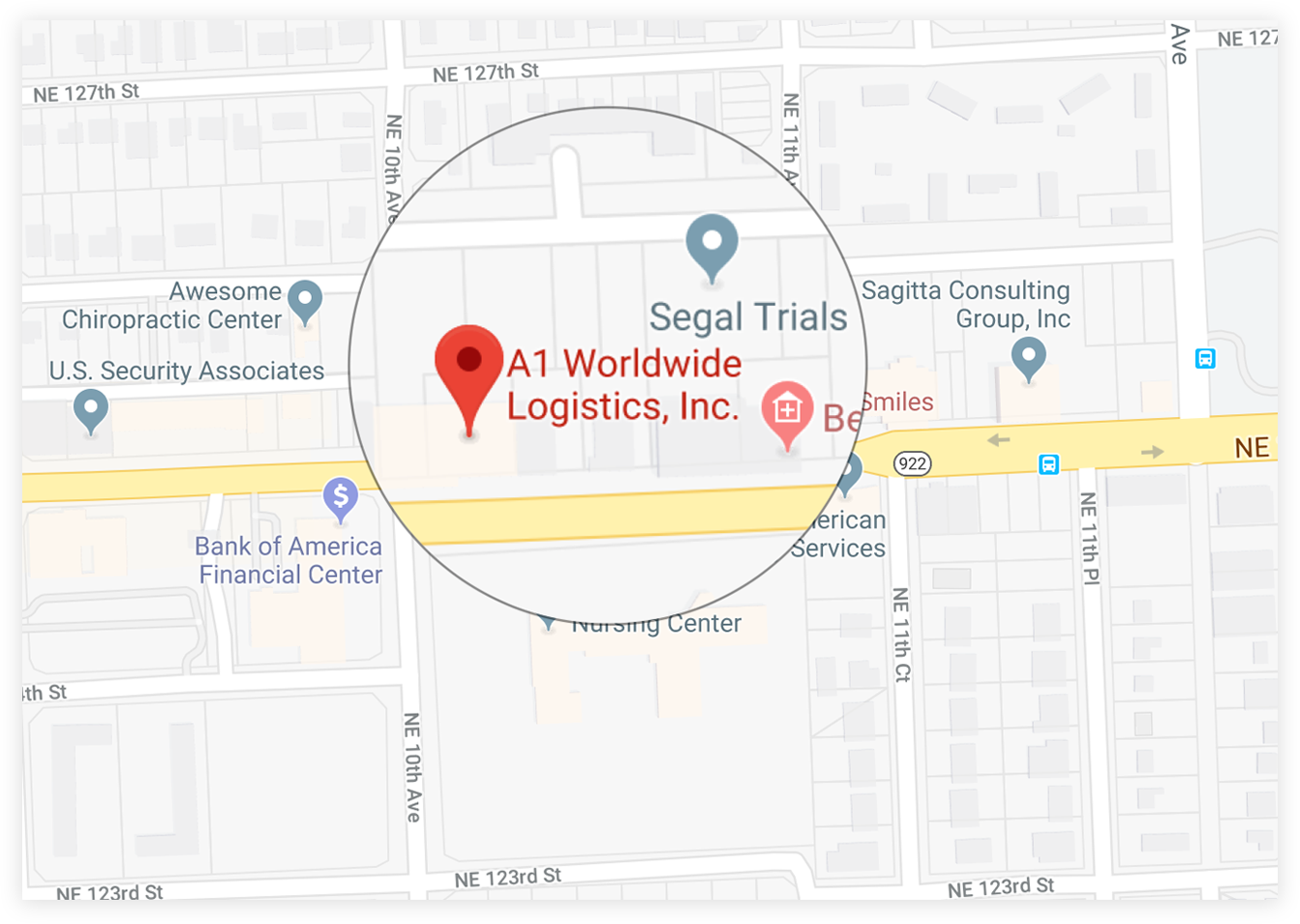
 1035 NE 125th St Suite #320, North Miami, FL 33161.
 a1worldwidelogistics.com
 (305) 821-8995
 Hours: 8AM - 5PM