by A1 WorldWide Logistics | Nov 4, 2025 | 3PL, Shipping Logistics, Supply Chain, Tariffs
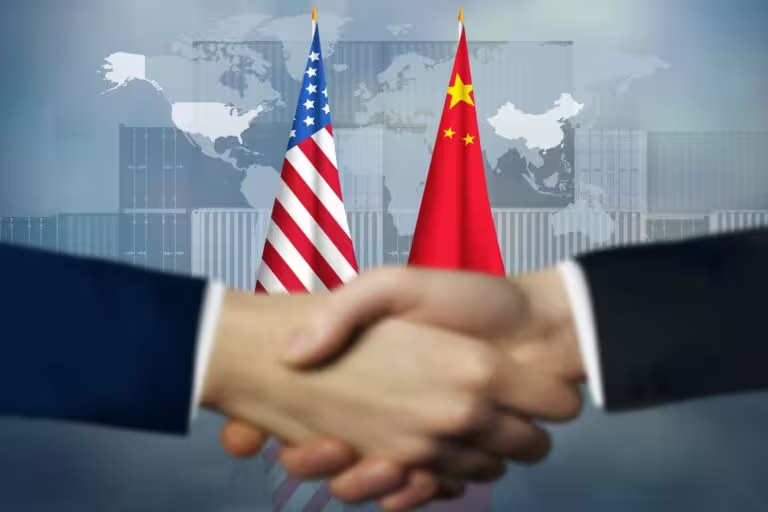
Estados Unidos y China llegaron a un acuerdo comercial después de meses de escalada entre ambos países. Ambas naciones acordaron diversos temas de comercio durante una reunión entre el presidente de EE. UU., Donald Trump, y el presidente chino, Xi Jinping.
El acuerdo se produce pocos días después de que el gobierno chino comenzara a cobrar tarifas a los barcos de propiedad estadounidense que se cargan en puertos chinos. El presidente Trump respondió anunciando un arancel del 100% sobre las importaciones chinas, medida que posteriormente revirtió.
Desde que Trump regresó a la presidencia, ha impuesto, pausado y aumentado importaciones hacia EE. UU., afectando principalmente a China. Este país respondió imponiendo sus propios gravámenes y, tras varios intercambios, los aranceles alcanzaron más del 100% de ambas partes. Posteriormente, los impuestos fueron reducidos y la reciente tregua ayudó a disminuir la tensión de la guerra comercial.
¿Qué incluye el nuevo acuerdo comercial?
El nuevo acuerdo entre Trump y Xi Jinping cubre diversos aspectos del comercio internacional, incluidos los aranceles. Según el pacto, Estados Unidos reducirá la tasa impositiva promedio sobre las importaciones chinas del 57% al 47%. Trump logrará esto reduciendo todos los aranceles relacionados con el fentanilo del 20% al 10%.
Una de las principales razones por las cuales EE. UU. impuso gravámenes a China fue para abordar la entrada de fentanilo al país. Trump también eliminó el arancel del 100% que había anunciado recientemente sobre productos chinos. Los derechos estadounidenses sobre bienes chinos se mantendrán en torno al 30%, mientras que los aranceles de China sobre productos estadounidenses permanecerán cerca del 10%.
China, por su parte, acordó flexibilizar durante un año sus controles planificados sobre la exportación de bienes como los materiales de tierras raras, que EE. UU. suele importar para la fabricación de tecnología y automóviles. Trump destacó que el acuerdo sobre tierras raras es válido por un año y declaró:
“Cada año volveremos a negociar el acuerdo, pero creo que continuará durante mucho tiempo, mucho más allá del año. Pero todo el tema de las tierras raras ya está resuelto, y eso es positivo para el mundo.”
China también aceptó aumentar sus compras de productos agrícolas y energéticos estadounidenses. Además, el gobierno chino tomará medidas más estrictas contra la exportación de químicos que puedan utilizarse para fabricar fentanilo.
¿Cómo impactará el acuerdo comercial en el transporte internacional?
China y Estados Unidos son los mayores actores del transporte marítimo a nivel mundial, por lo que un acuerdo comercial beneficiará significativamente al comercio internacional. Los altos aranceles habían incrementado los costos para los exportadores y transportistas que mueven mercancías entre ambos países.
Diferentes partes de la cadena de suministro, incluyendo al exportador, el transportista y el receptor de la carga, sintieron el impacto. La reducción de costos de importación podría aumentar el volumen de bienes que se comercian entre ambos países, impulsando sus economías. El incremento de las importaciones también podría beneficiar al transporte nacional.
Trump describió el acuerdo como un marco de un año, con negociaciones futuras para definir una hoja de ruta a largo plazo.
Prepararse para aprovechar el nuevo escenario comercial
Aunque el acuerdo comercial puede hacer más atractiva la importación y exportación desde EE. UU., los transportistas deben prepararse con anticipación. No hacerlo puede provocar interrupciones en la cadena de suministro y pérdidas económicas.
Para envíos internacionales, los exportadores pueden prepararse trabajando con un proveedor logístico 3PL (Third-Party Logistics) como A1 Worldwide Logistics. Los 3PL ofrecen una variedad de servicios para optimizar la cadena de suministro, incluyendo agenciamiento de carga, despacho aduanal, almacenamiento, y más.
Además, asesoran sobre qué esperar y cuál es la mejor estrategia para asegurar un envío exitoso.
Comunícate con A1 Worldwide Logistics al info@a1wwl.com o al 305-425-9456 para conocer nuestras soluciones 3PL diseñadas para tu cadena de suministro.
by A1 WorldWide Logistics | Oct 30, 2025 | Economic trends, Shipping Logistics, Tariffs
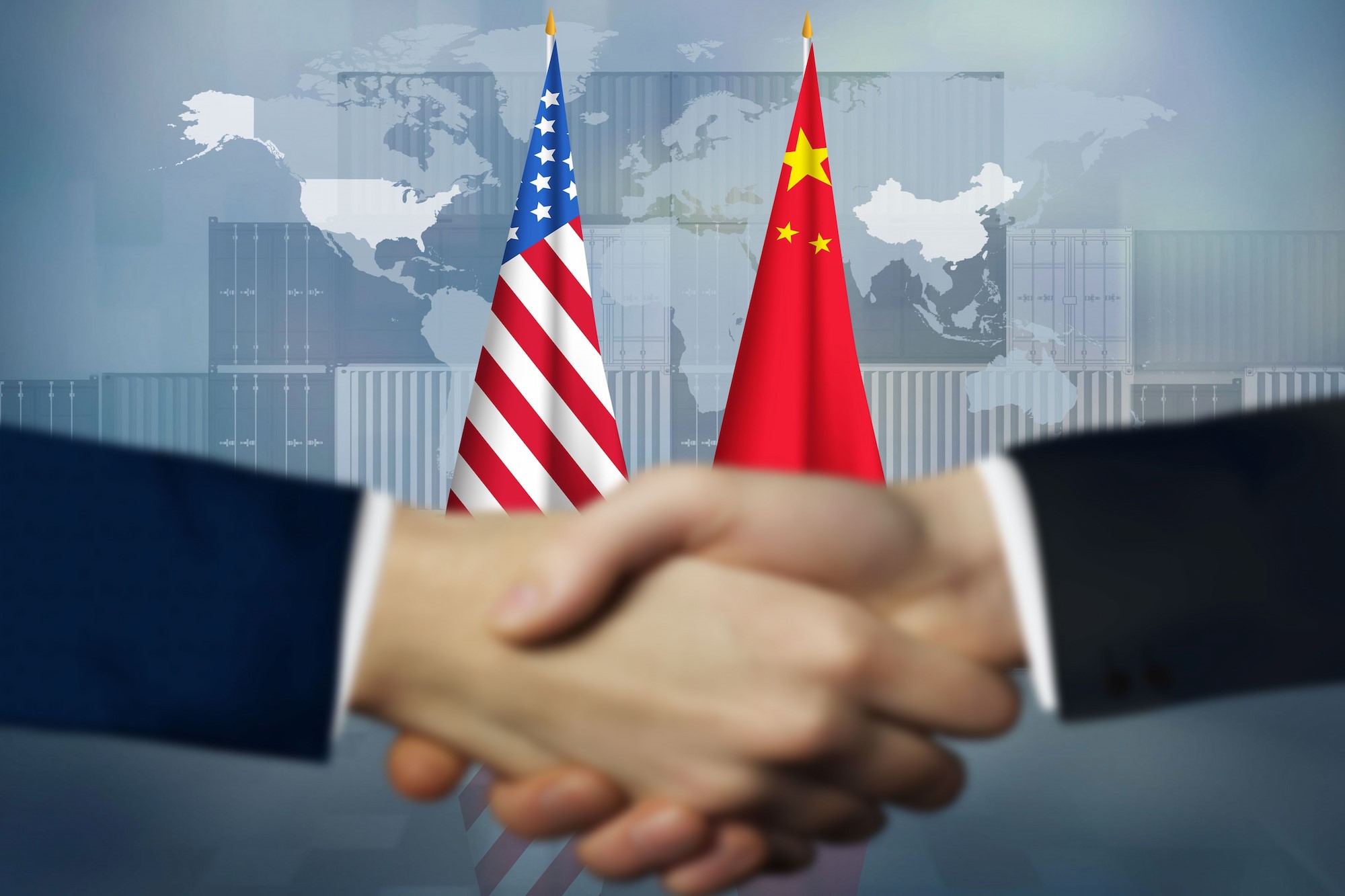
The US and China reach a trade deal after months of escalation between the two countries. Both nations agreed on various trade issues during a meeting between US President Trump and Chinese President Xi Jinping. The agreement comes days after the Chinese government began charging fees on US-owned ships docking at Chinese ports. President Trump responded by announcing a 100% tariff on Chinese imports, which he has since reversed. Since Trump has reentered the office, he has released, paused, and increased imports into the US, hitting China the hardest. China retaliated by imposing its own levies, and after a few back-and-forths, the tariffs reached over 100% for both countries. The taxes were then reduced, and the recent truce further de-escalated the trade war.
What Will The New Trade Deal Entail?
Trump’s and Xi Jinping’s new deal covers various aspects of international trade, including tariffs. Under the agreement, the US will lower the average tax rate for Chinese imports from 57% to 47%. Trump will do this by reducing all of the tariffs related to fentanyl from 20% to 10%. One of the primary reasons that the US placed levies on China is to address the inflow of fentanyl. Trump has also removed the 100% tariff he recently announced on China. US duties on Chinese goods will remain around 30%, while China’s duties on US products will stay near 10%.
China has agreed to relax its planned controls on exporting goods like rare earth materials for one year. The US typically imports them for manufacturing technology and automobiles. Trump noted that the rare earth agreement is a one-year deal, stating, “Now, every year we’ll renegotiate the deal, but I think the deal will go on for a long time, long beyond the year. But all of the rare earth has been settled, and that’s for the world.” China has also agreed to increase US agricultural and energy product purchases. The Chinese government will also take stronger measures against the export of chemicals that can be used to make fentanyl.
How Will International Shipping Be Impacted As The US and China reach A Trade Deal?
China and the US are the largest shippers globally, so a trade deal will significantly benefit international shipping. Higher tariffs may have raised costs for shippers that move goods between the two countries. Different supply chain parts, including the cargo’s shipper, carrier, and receiver, would have felt the impact. Lower importation costs can increase the volume of goods imported into both countries, potentially boosting the economies. The increase in imports could also benefit domestic shipping. Trump described the deal as a one-year framework, and further negotiations will happen for a long-term roadmap.
Although a trade deal may make importing and exporting from the US more attractive, shippers should still prepare beforehand. Not being prepared can lead to supply chain disruptions that result in monetary loss. When shipping cargo internationally, shippers can prepare by speaking to a 3PL (Third-Party Logistics) provider like A1 Worldwide Logistics. 3PLs are service providers that offer various services for a shipper’s supply chain. These services include freight forwarding, customs clearance, warehousing, and more. They also explain what to expect and give the best action to ensure a successful shipment. Reach A1 Worldwide Logistics at info@a1wwl.com or 305-425-9456 to learn about our 3PL solutions for your supply chain.
by A1 WorldWide Logistics | Oct 2, 2025 | Economic trends, Importing, Shipping Logistics
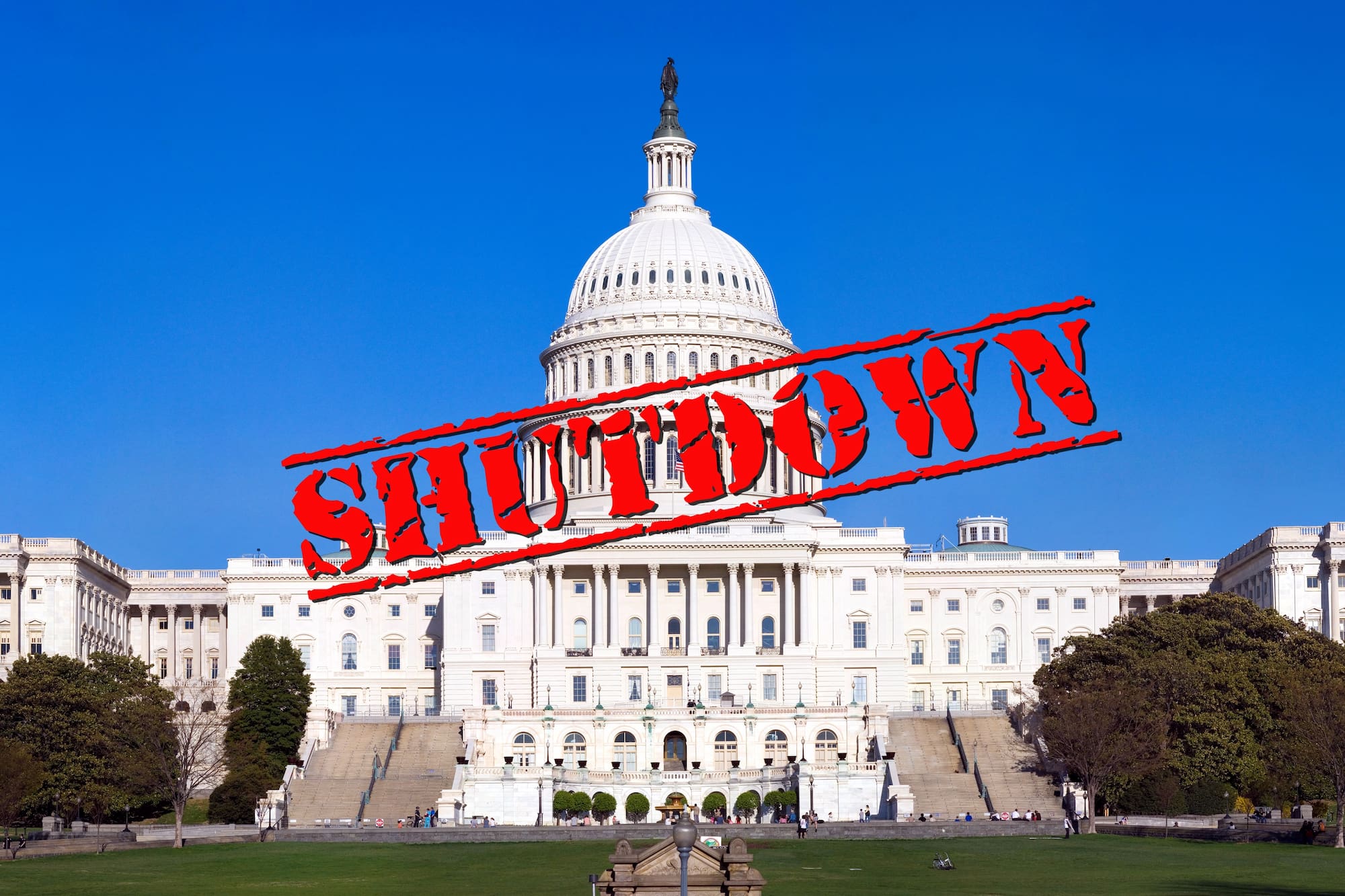
Shippers that bring goods into and out of the US could soon feel the effect as the government shutdown begins. On October 1, Congress disagreed on an operations funding bill, leading to the US government shutting down. When this happens, it can cause widespread disruptions for Americans and the economy in numerous ways. Along with impacting different sectors, a shutdown would directly impact international and domestic shipping. For example, it will affect the CBP (Customs and Border Protection), part of the Department of Homeland Security. This article will explain the impact of a government shutdown on cargo movement and how to protect your shipment.
What Can International Shipping Expect as the Government Shutdown Begins?
One of the most significant effects of a government shutdown on international shipping is increased delays. When this happens, the government will furlough or send home up to 750,000 federal workers without pay. While CBP officials are “essential,” ports will remain open; however the shutdown could furlough other workers, resulting in delays. An example is the FDA (Food and Drug Administration) workers, who may have to inspect certain imports before customs release. Many FDA workers are not essential, meaning the government could temporary discharge them, and fewer staff may lengthen customs clearance. During the last government shutdown in December 2018, delays rose by nearly 20% in the port of Los Angeles.
Delays can have further implications for supply chains, particularly for importers of perishables and pharmaceutical products with limited life spans. In addition to damaged goods, delays could cause higher costs in other parts of the supply chain. An example is drayage, the movement of goods over short distances, like from a seaport to another location. Nonessential functions may also pause for agencies like the Department of Commerce and the US International Trade Administration. This could further interrupt the shipping process by pausing permits and export licenses for shippers. A prolonged shutdown could further hurt trade and push foreign partners to look for countries other than the US to import from.
How Can Shippers Prepare?
Despite the government shutdown already starting, shippers can still protect their shipments during this time. The shipper must be current with any regulations that can impact cargo movement. Reading news articles or speaking to experts on importing and exporting are ideal ways to do this. Although ports run during this time, importers should prepare for longer transit times than usual. Importing through seaports with less traffic or using alternative methods of conveyance, like air or land, can quicken the process. shippers must file paperwork correctly since mistakes can lead to holdups in customs. If customs clearance is delayed, storing the goods in a bonded warehouse can prevent immediate duties.
When shipping cargo internationally, various situations, such as a government shutdown, can impact the process. While alarming, it should not stop the importation of cargo into the US. However, the shipper must take the proper steps to avoid disruption. Along with being informed and planning, an importer can prepare by contacting a customs broker. Brokers are licensed individuals or corporations who arrange the customs clearance process on behalf of the importer. They do this by providing various solutions like ensuring regulatory compliance, providing paperwork, calculating duties, and more. Contact A1 Worldwide Logistics at info@a1wwl.com or 305-425-9456 to speak to our brokers regarding transporting your cargo.
by A1 WorldWide Logistics | Aug 28, 2025 | Customs Broker, Customs Clearance, Freight Forwarding, Shipping Logistics, Transportation
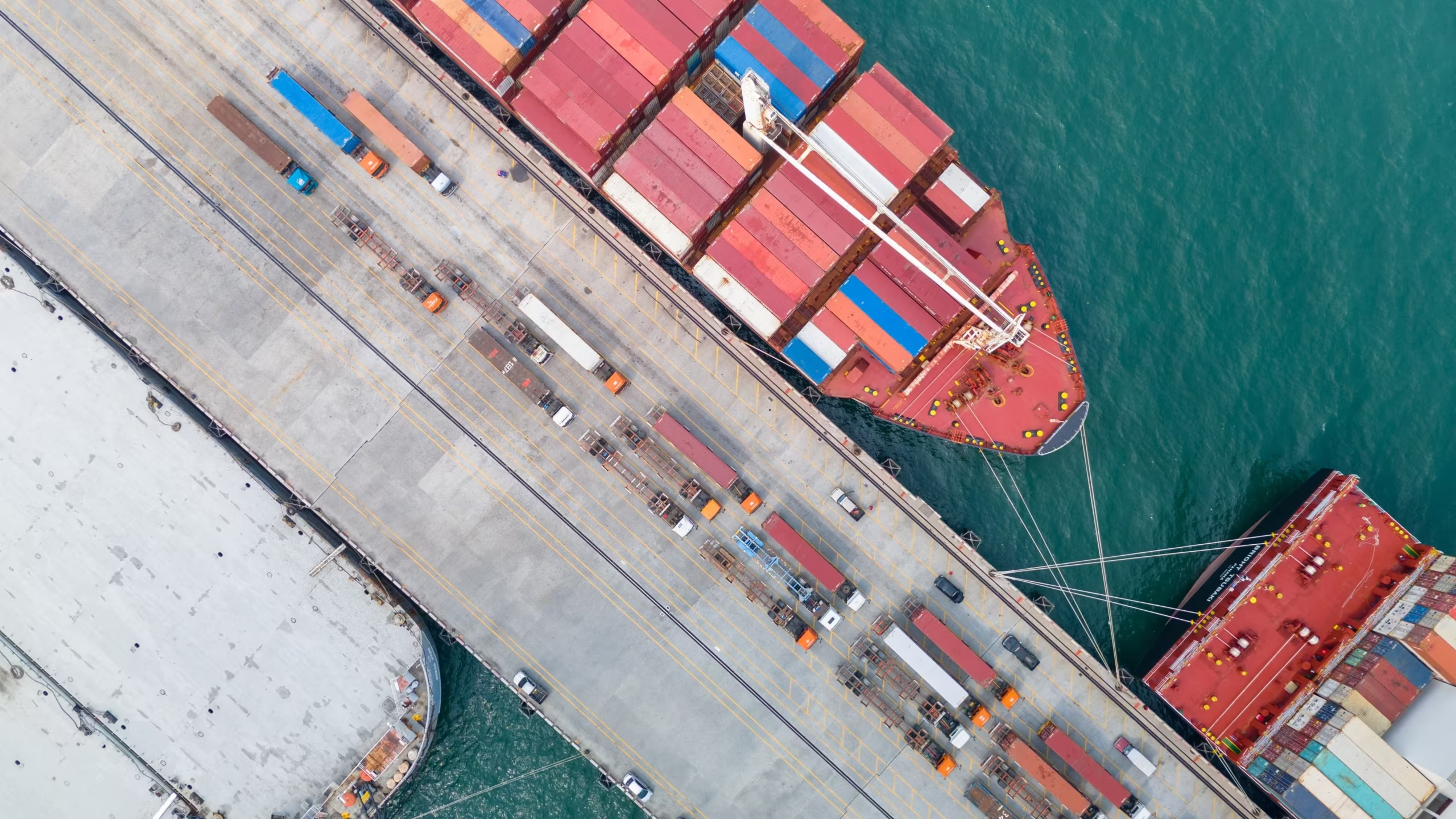
Cuando se trata de realizar envíos internacionales de mercancías, existen múltiples maneras de llevarlos a cabo. Algunos remitentes prefieren hacer envíos directos con sus proveedores, utilizar un agente de carga internacional o contratar directamente los servicios de una naviera. Sin embargo, es fundamental conocer las diferencias entre estas opciones, así como sus beneficios y desventajas, para tomar decisiones logísticas informadas.
En este artículo revisaremos las diferencias entre una naviera y un agente de carga internacional.
Las navieras son compañías dedicadas al transporte marítimo de mercancías, que operan barcos con el fin de trasladar carga comercial de un puerto a otro. Las navieras negocian con los agentes de carga y los agentes de carga negocian con los remitentes de las mercancías. En otras palabras, por regla general, no es posible contratar directamente con una naviera. Si uno necesita enviar mercancía de un país a otro, lo que necesita es una agencia de carga porque el agente de carga (freight forwarder) actúa como intermediario logístico entre el remitente y los transportistas (como navieras, aerolíneas y empresas de transporte terrestre), negociando las mejores tarifas, ofreciendo seguros de carga y optimizando las rutas y tiempos. Además, aún si fuera posible contratar directamente con una naviera, si una empresa en Colombia deseara enviar productos a Miami, la naviera solo movería el contenedor desde Cartagena hasta el puerto de Miami. Pero ¿quién se encargaría del transporte hasta el almacén del cliente final o de los trámites aduaneros? Ahí es donde entra el agente de carga.
Es importante resaltar que no todo agente de carga es agente de aduanas. Estos últimos están dedicados al cumplimiento de las normas legales existentes en relación con importación, exportación y tránsito aduanero, por lo que hacen de intermediarios con entidades gubernamentales como la Oficina de Aduanas y Protección Fronteriza de EE. UU. (CBP).
Así pues, si usted está planeando un envío de carga comercial internacional, le conviene contratar un agente de carga que ofrezca un servicio logístico integral: manejo de carga marítima, aérea y/o terrestre, liberación aduanal, consultoría y transporte de puerto a destino, entre otros.
¿Por qué elegir un agente de carga como A1 Worldwide Logistics?
En A1 Worldwide Logistics, acompañamos todo el proceso de transporte internacional de carga, tanto para importaciones a los Estados Unidos como para exportaciones desde EE. UU. hacia América Latina y el mundo.
Con más de 11 años de experiencia en la industria logística internacional, contamos con una red global de agentes y una sólida infraestructura que nos permite ofrecer soluciones personalizadas y eficientes para cada envío.
Te asesoramos desde el inicio, evaluamos las mejores rutas y opciones de transporte (marítimo, aéreo o terrestre), y nos encargamos de todos los trámites, para que tu carga llegue segura y a tiempo.
En Estados Unidos, también ofrecemos servicio de transporte terrestre de carga puerta a puerta.
Comunícate hoy al 305-425-9456, escríbenos a Whatsapp o a info@a1wwl.com para recibir asesoría personalizada y cotización gratuita.
by A1 WorldWide Logistics | Aug 25, 2025 | Freight Forwarding, Importing, Shipping Logistics, Supply Chain
Cuando se habla de comercio internacional, es común escuchar los términos “importadora” y “agente de carga“. Sin embargo, aunque ambos participan en el proceso de mover mercancía desde un país a otro, sus funciones son completamente distintas.
Una importadora es la empresa que compra productos en el exterior con el objetivo de venderlos localmente, asumiendo la propiedad de la mercancía y los riesgos comerciales. En cambio, un agente de carga (o freight forwarder) es el especialista en logística internacional que se encarga de coordinar y gestionar el transporte de esas mercancías, actuando como intermediario entre el importador y los distintos actores del proceso logístico.
Funciones y responsabilidades: Importadora vs. Agente de carga
En primer lugar, una importadora es propietaria del producto, asume los costos de compra, movimiento de la carga, aranceles, impuestos, y su finalidad es comercializar los productos. Mientras tanto, el agente de carga no es dueño de la mercancía, sino que organiza su transporte y logística a nombre del cliente —que puede ser una importadora, distribuidor o empresa.
Además, el importador negocia con proveedores extranjeros, gestiona los pagos internacionales y debe cumplir con las regulaciones aduaneras para poder vender los productos. Por su parte, el agente de carga reserva espacios con navieras o aerolíneas, coordina la liberación aduanal (si cuenta con agentes de aduanas), recolecta la documentación y hace seguimiento al envío.
Imagine que una empresa quiere importar 500 bicicletas desde China. Esta empresa es la importadora: negocia con el proveedor chino, realiza el pago internacional y se hace responsable de nacionalizar el producto. Pero para que las bicicletas lleguen desde el puerto en Shanghái hasta su bodega, necesita un agente de carga que coordine el transporte marítimo, gestione la liberación aduanal, y haga el traslado final hasta su destino.
¿Estás buscando un agente de carga confiable en Estados Unidos?
Si estás buscando un agente de carga en Estados Unidos que ofrezca un servicio completo de puerta a puerta, A1 Worldwide Logistics será tu mejor aliado. Contamos con una red global y la experiencia necesaria para ofrecer soluciones logísticas eficientes y personalizadas.
Te acompañamos en todo el proceso y gestionamos cada detalle para que tu carga llegue segura y a tiempo.
En EE. UU., también brindamos transporte terrestre puerta a puerta.
Escríbenos por Whatsapp, al correo info@a1wwl.com o llama al 305-425-9456 para recibir tu cotización gratuita.

by A1 WorldWide Logistics | Aug 21, 2025 | Economic trends, Importing, Shipping Logistics
International shipping could soon feel the impact as the end of de minimis approaches on August 29. On July 30, President Trump signed an executive order to suspend the exemption for all countries importing into the US. The de minimis is a threshold value below which goods can enter a country tax-free. In the US, the amount is currently $800 or less after rising from $200 in 2016 due to e-commerce. Trump initially eliminated the de minimis for China on May 2, but the current pause will be for every nation. Taxes for imports previously under the exception will now be assessed by country-specific reciprocal tariffs or the international postal system.
Duties for goods imported through the international postal system will now be assessed by ad valorem or specific duty. Ad valorem is a tax based on the origin country and evaluated on the value of the cargo. Specific duty is a fee between $80 and $200 based on the IEEPA rate of the origin country. Trump has various goals behind eliminating the de minimis, including combating illegal and deceptive trade practices. Since packages that fall under this exemption tend to be subjected to less scrutiny than regular imports, shippers have used it to bring in illicit fentanyl and other drugs into the US. De minimis shipments, increasing from approximately 134 million to 1.36 billion in the last nine years, further increased the volume.
What Does The End Of De Minimis Mean For Shippers?
Ending the exemption will directly affect shippers due to the goods that other countries import into the US. The most significant impact of ending de minimis is the higher costs for importers. Every shipment will now require duties, customs entry, and paperwork, regardless of value, increasing the price. Online buyers and sellers will feel the effect with many de minimis shipments coming from e-commerce. Logistics providers from different countries have already paused US-bound shipments due to the challenges in quickly adapting to compliance requirements. Another issue that can arise from returning customs entry requirements is a slowdown in the shipping process and potential delays.
If the shipper is a business that sells products, the higher costs could fall on the customers. Especially with the peak season notably increasing the number of products entering the US. Shippers have already begun finding ways to adapt to the higher costs, including importing in bulk. Consolidating shipments into larger sizes instead of importing thousands of smaller sizes can protect against the price increase. Another solution has been nearshoring production into US locations and shipping goods domestically. Importers have also moved manufacturing to nearby countries like Mexico and Canada, allowing easier importation through trade agreements.
A1 Worldwide Logistics
Shippers must be aware of laws and regulations affecting their shipments when bringing goods into the US. Understanding the various regulations can help prevent potential delays, monetary losses, and cargo losses. Another way shippers prepare when importing into the US is by speaking to a customs broker. Brokers are licensed professionals who facilitate the clearance of imports across the country’s borders. They do this by calculating duties, providing documents, filing entries, offering consultation, and more. In the US, brokers ensure compliance with CBP (Customs and Border Protection). Contact A1 Worldwide Logistics at 305-440-5156 or info@a1wwl.com to speak to our brokers about providing a successful importation.

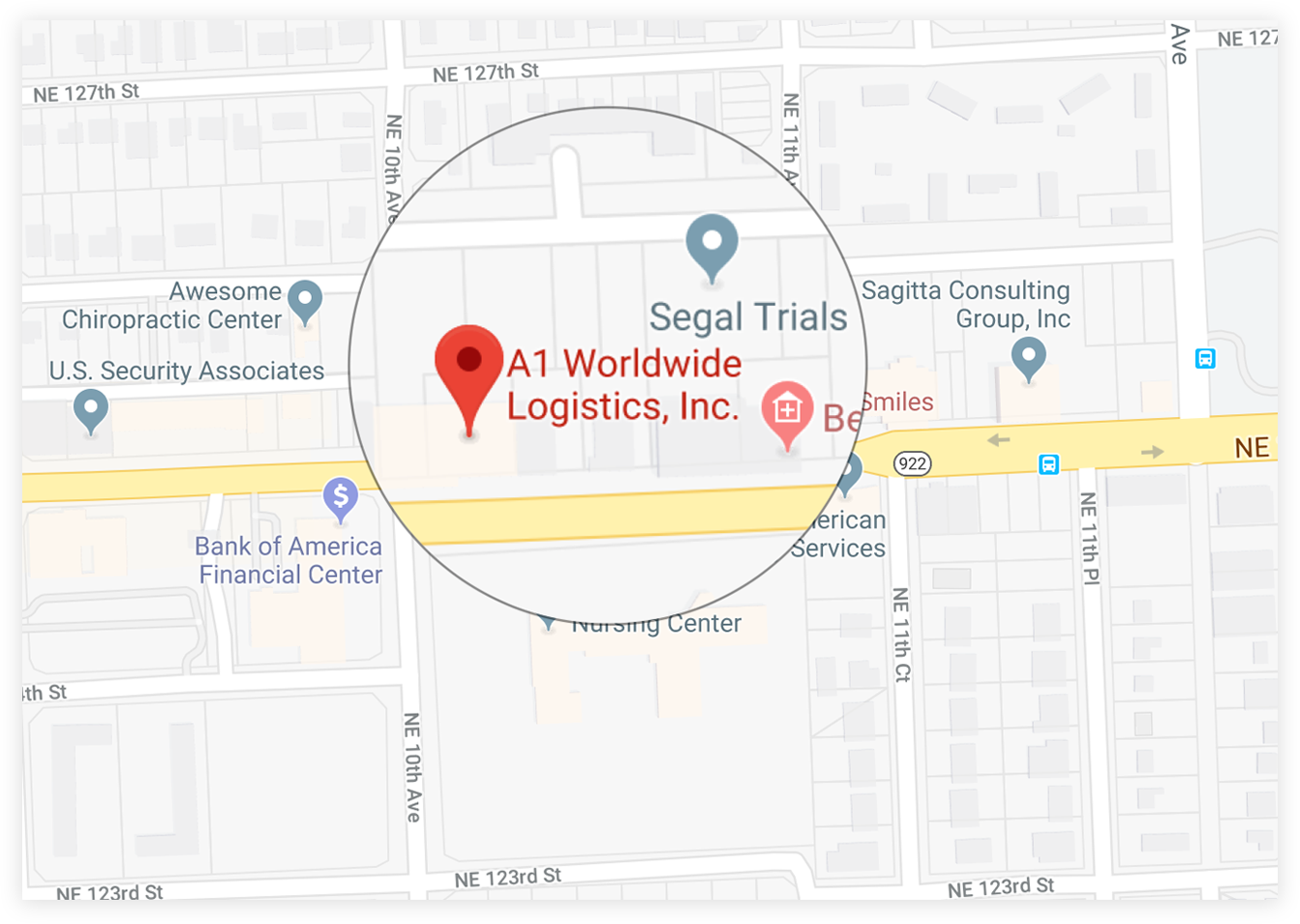
 1035 NE 125th St Suite #320, North Miami, FL 33161.
 a1worldwidelogistics.com
 (305) 821-8995
 Hours: 8AM - 5PM