by A1 WorldWide Logistics | Dec 12, 2024 | East Coast Protests, Importing, Supply Chain
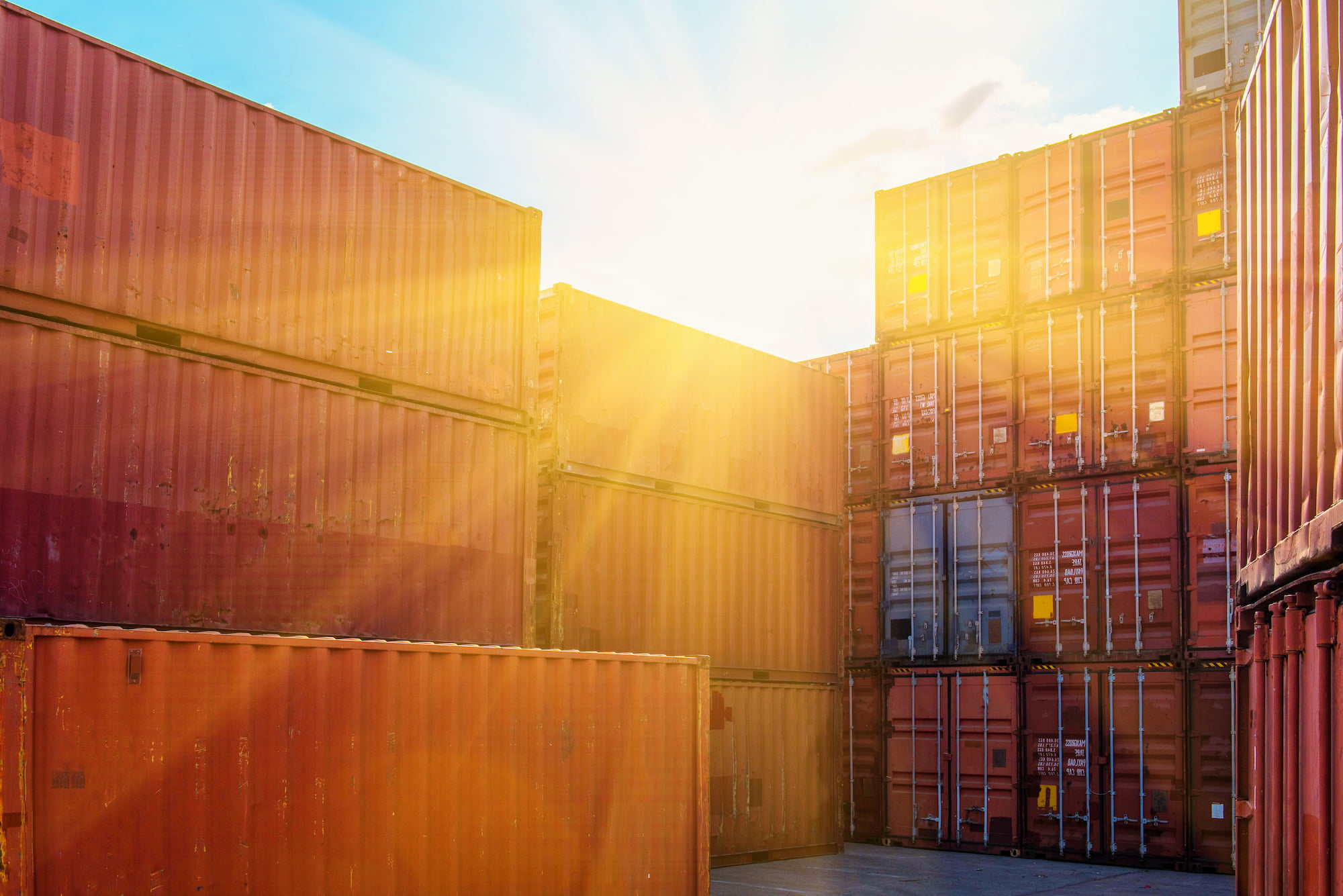
The National Retail Federation (NRF) predicts container imports will increase into the new year and could continue into spring. Data from the NRF’s Global Port Tracker, which tracks America’s biggest importers, notes an increase in the near future. In January 2025, the NRF forecasted 2.2 million TEUs (Twenty-Foot Equivalent) more than January 2024. The surge has already been evident, with imports in October 2024 up approximately 9.3% year-over-year. December projections could see a 14.3% TEU import compared to the previous year. As container imports continue to rise, international shipping could have numerous implications. This article will explain why container importations are increasing and the impact it will have on shippers.
What Are Causing Container Imports To Increase?
Various scenarios, such as threats of port strikes and tariff increases, are leading to a rise in container imports. On October 1st, 2024, approximately 45,000 International Longshoremen’s Association (ILA) dockworkers walked out of ports protesting for better contracts. They are also protesting against the use of automation, which threatens job security. Two days later, the strike ended, with the USMX and ILA agreeing to extend contracts until January 15th, 2025. With the extension date nearly a month away, shippers are importing to avoid any potential protests that could arise. The NRF recently urged the ILA and Port employers to continue negotiations, but there was no response.
Another contributor to the container surge is the new tariff imports that the Trump Administration recently announced. When in office, Trump will impose a 25% tariff increase on all goods entering the U.S. from Canada and Mexico, along with an additional 10% tariff on goods coming from China. Shippers import cargo before the inauguration date to avoid an increase in cost. The NRF advocated that the Trump administration should deploy the tariffs more strategically instead of using a broad-based method. Along with increasing taxes, the hikes could result in higher logistic and customer costs. The new tariffs and the potential of a port strike create a sense of urgency for shippers.
How Will Shippers Be Affected By A Rise In Container Imports?
As container imports into the U.S. continue to rise, international shipping can have numerous implications. A higher volume of containers arriving at a port may increase the chances of port congestion, resulting In delays. In turn, this could lead to supply chain disruptions, with delays leading to potential shortages of products. The cost for shippers, carriers, and customers may also rise as the demand for transportation increases. Despite the possible adverse impact of a rise in imports on shippers, it could benefit domestic shipping. Drayage services for picking up containers from ports could soon see a significant increase in volume.
When shipping internationally, it is essential to understand how a rise in imports can impact your shipment. This allows the shipper to take preventive methods to protect their supply chain from disruptions. Another way that an importer or exporter can prepare is by using the help of a 3PL (third-party logistics.) provider. 3PLs handle various parts of a shipper’s supply chain, including customs clearance, shipping storage, and more. They ensure a shipment’s success by assisting you through the journey and providing the best course of action. Call A1 Worldwide Logistics at 305-425-9513 or email us at info@a1wwl.com to learn about our 3PL solutions.
by A1 WorldWide Logistics | Nov 26, 2024 | Order Fulfillment, Supply Chain, Warehousing
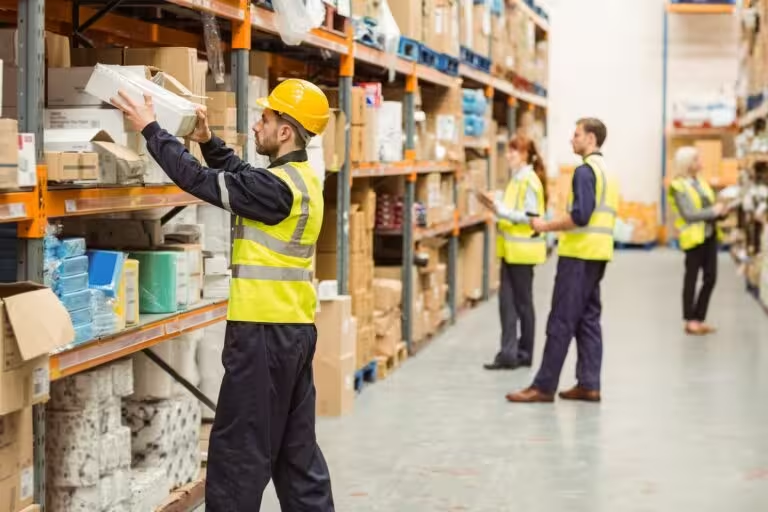
Un tema común al discutir sobre el almacenamiento en la cadena de suministro es la distribución. Esta consiste en transportar productos o mercancías almacenadas a un lugar para cumplir con los pedidos. Si bien existen centros de distribución específicos, los almacenes estándar también pueden ofrecer esta solución. La razón por la cual los servicios de distribución son tan vitales para las cadenas de suministro es el valor que agregan.
Algunas de las soluciones incluyen:
– Transporte de carga.
– Cumplimiento de pedidos.
– Cross-docking (transbordo de carga directo).
– Embalaje y estiba.
– Mezcla de productos.
Una de las principales diferencias entre los almacenes regulares y las instalaciones que brindan distribución es el tiempo que se almacena el inventario. Los almacenes estándar están diseñados para albergar mercancías durante períodos más largos. Dado que el propósito principal de los centros de distribución es cumplir con los pedidos, la carga tiende a quedarse por períodos más cortos. Un almacén que ofrece servicios de distribución puede incluir tiempos de almacenamiento a corto y largo plazo, además del cumplimiento de pedidos.
¿Cómo se benefician las empresas de la distribución?
Las empresas medianas que venden productos a los clientes son uno de los principales usuarios de los servicios de distribución en almacenes. Esto se debe al trabajo y los costos de tener instalaciones propias de distribución. Subcontratar los servicios a un almacén 3PL (Third Party Logistics) puede ayudar a la empresa a ahorrar dinero y enfocarse en otras áreas del negocio. El almacenamiento para distribución también puede ser ideal para las empresas que desean mantener relaciones sólidas con los clientes. Una de las principales formas de mantener una relación sólida con los clientes es tener una distribución eficiente y consistente.
Otro tipo de negocio que se beneficia significativamente del almacenamiento para distribución es el comercio electrónico. A medida que las compras de productos en línea crecieron, especialmente en los últimos años, también lo hizo la necesidad de servicios de cumplimiento de pedidos. Las empresas que dependían del comercio electrónico rápidamente vieron cómo los almacenes de distribución podían cumplir con los pedidos de los clientes. Las compras en línea se envían de inmediato al almacén, donde el pedido es procesado y seleccionado del inventario. Luego, los productos son empaquetados y preparados para ser transportados fuera de la instalación. La carga puede ser luego trasladada a una tienda departamental o directamente al cliente.
Muchos almacenes que ofrecen servicios de distribución también están aduanados. Esto significa que es un edificio asegurado donde las mercancías importadas pueden ser retenidas durante cinco años sin tener que pagar impuestos. Los importadores pueden beneficiarse de almacenar sus productos mientras generan el capital necesario para pagar la carga. Las empresas también pueden almacenar mercancías mientras buscan clientes para su carga.
Si está buscando un almacén, comuníquese con A1 Worldwide Logistics al 305-425-9513. Junto con los servicios de distribución, nuestra instalación aduanada le permitirá almacenar su carga sin el pago de aranceles.

by A1 WorldWide Logistics | Nov 21, 2024 | Freight, Shipping Logistics, Supply Chain
An essential consideration for shippers of high-value items is understanding how to ship luxury goods internationally. Knowing the logistics for shipping this cargo type is necessary whether you are exporting or importing to the U.S. A general definition of luxury cargo is anything with significant monetary worth that requires secure and specialized handling during transport. Some examples can include jewelry like expensive watches, precious metals, rare artworks, exotic items, high-end vehicles, etc. Due to the value of these shipments, the transportation process must require careful planning, precision, and security. This article will explain what to expect when transporting luxury freight internationally and how to prevent disruptions from occurring.
The Importance Of Knowing How To Ship Luxury Goods.
It is crucial to know how to transport luxury goods because of the consequences of not shipping them correctly. The most significant consequence is the monetary risk taken by the shipper, carrier, and receiver. For carriers, damages can result in high claim payouts they must give the shipper. However, claim payouts to shippers may still not be enough to cover the cost of the cargo. If the exporter is a business with customers, damages or lost high-value goods look highly unfavorable to the company. The value of this type of shipment also makes it vulnerable to cargo theft. Another consequence of incorrect shipping is delays in transportation. If the item is a construction machine worth over $100,000, delays can stall the project.
What Is The Process?
The process begins before the luxury goods are in transit and starts with understanding the regulations for these cargo types. Due to the value of these shipments, they may have strict import rules. Before transporting, the shipper must also pay meticulous attention to the packaging to prevent damage. For items like expensive jewelry, discrete packaging reduces theft risk. The shippers must label the packages correctly and ensure they have the proper HS (Harmonized System) code. HS codes are used by customs to correctly identify and classify imports for taxation purposes. Incorrect codes can result in delays and customs seizing the luxury item.
When deciding on a carrier, the shipper must find one with experience and knowledge handling luxury goods. This can depend on the type of item and urgency of delivery. For example, trusted air carriers with high security can move rare paintings promptly, and vessels with experience, while qualified vessels with ro-ro services can handle expensive vehicles. It is also essential to have the proper insurance coverage to protect against damages or loss. The importer should have their paperwork prepared before the goods arrive at the port of entry to prevent delays. Speak to a customs broker to understand and provide the necessary documentation for customs clearance.
A1 Worldwide Logistics
Once the cargo reaches the destination country, the shipper must move it to the final destination. Choosing an ideal carrier that takes measured steps ensures a successful delivery. While shipping luxury items may seem daunting, shippers can provide the shipment’s success using a freight forwarder. Forwarders understand the importance of this cargo type and focus on utilizing the best practices throughout the supply chain. They also educate the shipper through the journey and connect them to trusted and vetted carriers. Contact A1 Worldwide Logistics at 305-440-5156 or info@a1wwl.com to speak to a broker regarding transporting your luxury goods internationally.

by A1 WorldWide Logistics | Nov 14, 2024 | Shipping Logistics, Supply Chain, Transportation
With electronics being a popular U.S. import, optimizing logistics for electronics imports can be an excellent opportunity for shippers. In 2023, the U.S. brought approximately $463.36 billion in electrical and electronic goods. Since there is such a high demand for these types of goods, it may be attractive to importers. However, there are many steps that a shipper should be aware of. Failure to prepare correctly can lead to disruptions, which result in delays and monetary loss. Understanding shipping logistics is especially crucial for businesses that ship large volumes of electronics yearly. This article will explain what to expect when bringing in electronics and how to improve the importation process.
What Should You Know Before Importing Electronics Into The U.S.?
Before importing electronics, it is essential to understand that there are various laws and regulations. Organizations such as the Customs and Border Protection (CBP) and the Federal Declaration of Conformity (FCC) determine the requirements for importation. The Food and Drug Administration (FDA) regulates all radiation-emitting devices humans use. Each organization can have its requirements for importation. For example, the CBP requires specific paperwork for goods entering the U.S. These documents include a commercial invoice, customs bond, bill of lading, etc. It is also essential to note the regulations can depend on the type of electronic. Electronics is a broad term that includes consumer products, medical equipment, digital technology, etc.
Classifying the type of electronic is necessary to determine the product’s HTS code. The HTS (Harmonized Tariff Schedule) code is a 10-digit number that defines the duties that the importer has to pay. Classifying the goods incorrectly can result in non-compliance penalties, delays, and product seizure. Understanding the type of electronics is also vital for knowing the registration process. Before beginning the importation of medical devices, the shipper must register with the FDA. The FDA also requires listing the device along with the premarket notification and approval. Similarly, importing products like televisions, radios, or telephones requires registration with the FCC by a Declaration of Conformity or certification.
How Can You Optimize Logistics For Electronics Imports?
Once you are ready to ship your electronics, optimizing logistics for importation can be advantageous for your supply chain. There are various ways to optimize, such as choosing the appropriate conveyance method. If the shipper wants to move their products quickly, shipping by air could be ideal. Likewise, sea transport would be suitable if the shipper wants to move large quantities at a lower rate. Shippers can talk to a freight forwarder or customs broker to complete paperwork and comply with regulations. A forwarder coordinates the shipment’s movement while a broker ensures compliance with the CBP.
For regular supply chains, the logistics for importing electronics continue after they reach the U.S. Importers typically look for warehousing to store their cargo, and customs-bonded warehouses are an ideal choice. A bonded warehouse is a facility where importers can store freight for up to 5 years without payment of duties. This allows the importer to save money and find customers before they must pay taxes for the shipment. A1 Worldwide Logistics has a bonded warehouse and numerous other optimization solutions. Reach us at info@a1wwl.com or 305-425-9513 to learn more about our custom bonded warehousing solutions. We also have freight forwarders and customs brokers to ensure your shipment’s success.
by A1 WorldWide Logistics | Oct 24, 2024 | Shipping Logistics, Supply Chain, Transportation
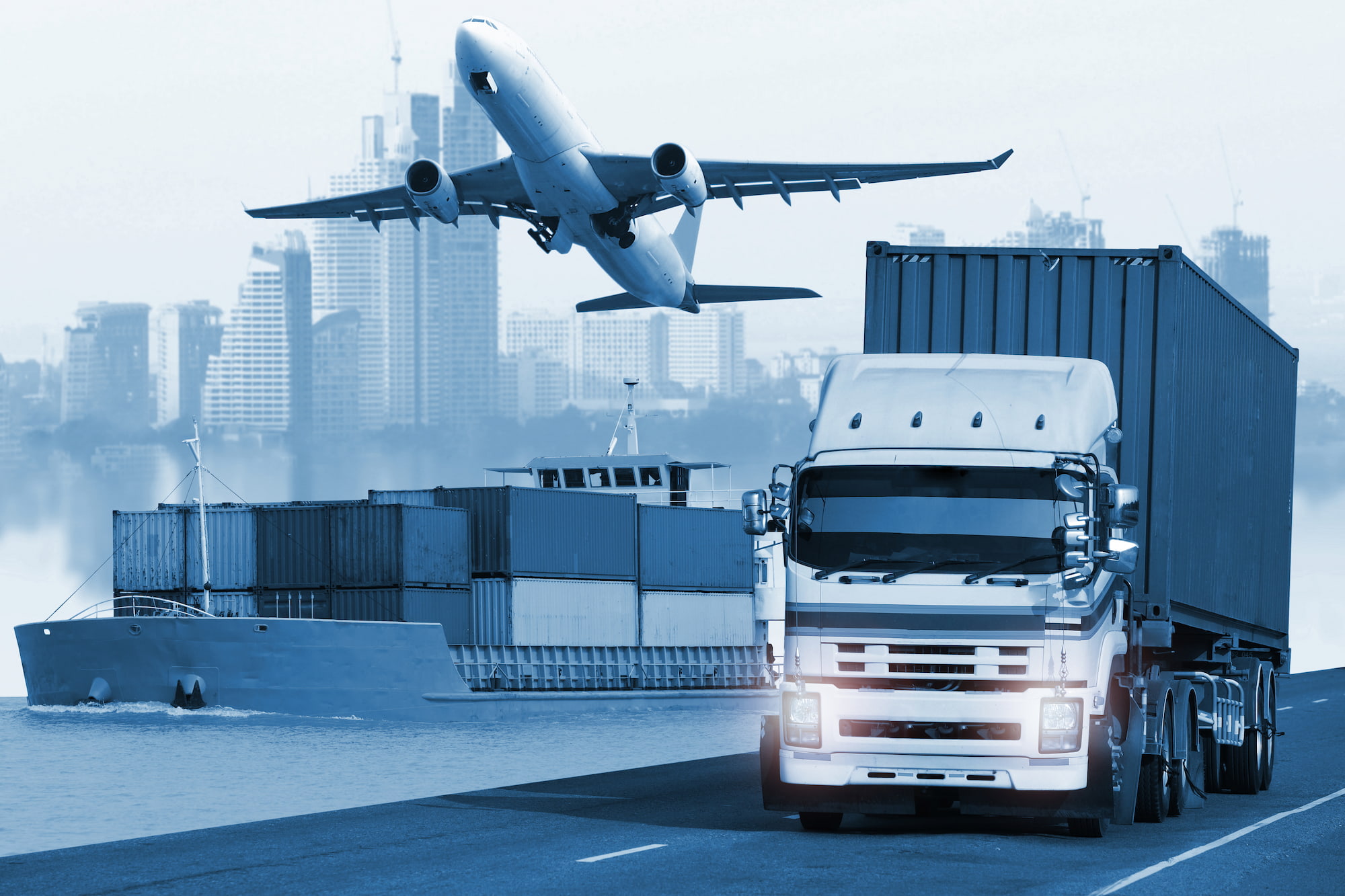
When shipping cargo internationally, it can be very beneficial to understand what is multimodal transport. Multimodal transport uses various modes of transportation to move cargo from the origin to the final destination. For example, this can include a shipment moving by vessel to a country before a truck transports it domestically. The conveyance can consist of air, ocean, road, and rail; however, a shipper uses a single contract and house bill. A single Multimodal Transport Operator (MTO) manages the entire journey despite the multiple transportation methods that the transporter can involve. This article will explain the benefits of multimodal transport and how it differs from intermodal transport.
Why Is It Essential To Know What Is Multimodal Transport?
Because of the components involved in moving goods internationally, understanding multimodal transport can benefit the shipper in numerous ways. A significant advantage is the increased flexibility in the overall supply chain. International shipping tends to be volatile with changing circumstances like demand and disruptions influencing cargo movement. Having different modes of transportation allows for adaptability when situations arise. For example, if a shipment becomes time-sensitive, a shipper can quickly switch to a transportation mode like air. Adaptability from various conveyance methods is also effective for timely deliveries since shippers can avoid situations like congestion. This is increasingly essential for businesses that must ship products to their customers.
Another benefit of multimodal transport is that it can decrease the overall costs of the transportation process. Since the shipper uses one contract with multiple methods of transport, the price tends to be less than using various agreements. The MTO can find the least costly solution for the shipper. Reducing the cost of shipping goods internationally becomes beneficial when moving large volumes of shipments constantly. It can simplify the logistics process for companies with complex supply chains that require managing multiple supply chains. Since a single MTO handles the entire process, the responsibility for damages and delays goes to the handler.
How Does Multimodal Differ From Intermodal Transport?
While multimodal and intermodal transport uses multiple conveyance methods, they differ in various ways. Due to the differences, freight forwarders play a different role based on the type of shipping. Intermodal transportation is the movement of goods to their final destination using various modes of transport with multiple contracts. For example, a truck, vessel, and rail carrier have their own contractors and issue separate Bill of Ladings. Due to the differences, these two transportation methods can have separate advantages based on the shipper’s needs. Intermodal transport lets the shipper choose carriers that fit their expenses and goals. Although multimodal transport may lessen choice freedom, it alleviates responsibility and may simplify scheduling.
A1 Worldwide Logistics
Since multimodal transport uses multiple modes of transport to ship, a key aspect is freight forwarding. Forwarders coordinate the movement of goods for the shipper by contracting one or more carriers. They act as intermediaries between shippers and carriers, ensuring the cargo reaches its final destination. A1 Worldwide Logistics has forwarders that can provide multimodal transport services for moving shipments internationally and domestically. For assistance with transporting cargo internationally, reach A1 Worldwide Logistics at info@a1wwl.com or 305-425-9752. We have solutions like freight forwarding, customs clearance, warehousing, and more to ensure the success of your supply chain.

by A1 WorldWide Logistics | Oct 17, 2024 | Economic trends, Shipping Logistics, Supply Chain
Nearly a week after the storm hit Florida, there are numerous reports of Hurricane Milton disrupting supply chains. On Wednesday, October 9th, hurricane Milton landed near Tampa, Florida, resulting in heavy rains and strong winds. Local weather services issued over 125 tornado warnings in various counties nationwide. Along with the damage to infrastructure and economic loss, Milton impacted supply chains for importers and exporters. With Florida being an entry point for supply chains nationwide, the potential ripple effect could be more substantial. While the storm has left Florida, Milton has already done the damage, and shippers are still determining the full impact.
How Is Hurricane Milton Disrupting Supply Chains?
Located between the Gulf of Mexico and the Atlantic Ocean, Florida is known by shippers as a critical freight market. Its strategic location is a gateway for trade between North and South America. An immediate disruption from the storm was the shutdown of ports like Port Tampa. Port Tampa is a significant hub for steel, cement, petroleum, construction aggregates, and foods. As the seaport suspended operations, it created a backlog that could take a while to clear. As a result, ships are diverting to other ports along the Gulf Coast, potentially raising volume and creating congestion. The Gulf Coast ports are still recovering from the aftereffects of the ILA’s (International Longshoremen’s Association) recent strike.
Milton also impacts supply chains in Florida’s agricultural industry by damaging farmlands that produce agriculture. The damage that occurred two weeks ago from Hurricane Helene remains, which may add to it. Importers in other countries could soon experience shortages and price increases from decreased delays in U.S. exports. Perishable cargo imports that are time-sensitive are at risk from port and infrastructure shutdowns resulting from power outages. Along with shipping internationally, Hurricane Milton affected domestic freight movement. Damaged roads and port closures resulted in delays and made it difficult for shippers to move goods by truck. As a result, freight rates may go up from limited capacity.
What Can Shippers Expect When Shipping During a Hurricane?
When importing or exporting during a hurricane, there are many expectations shippers should be aware of. There may be immediate delays in transportation for air, land, and sea cargo from port closures. To avoid potential slowdowns, importers could reroute to alternative ports. However, this can also increase transit times and transport costs. Price increases could come from limited carrier capacity due to paused services. There can also be significant communication challenges between shippers and carriers, such as power outages and telecommunication disruptions. Shippers must plan by staying updated with weather conditions and constantly communicating with the various players in the supply chain.
Understanding what to expect during a hurricane and how to prepare is vital for a shipment’s success. Along with the ways that the article mentions, preparation shippers can also do this by speaking to a 3PL provider. 3PLs (Third-party Logistics) companies handle numerous supply chain functions for the client. Their services include freight forwarding, customs clearance, domestic shipping warehousing, and more. They also provide supply chain consulting to navigate distributions like a hurricane. Contact A1 Worldwide Logistics at info@a1wwl.com or 305-425-9456 for assistance with shipping to and from the U.S. We have ideal solutions for ensuring that your goods reach the final destination regardless of the situation.

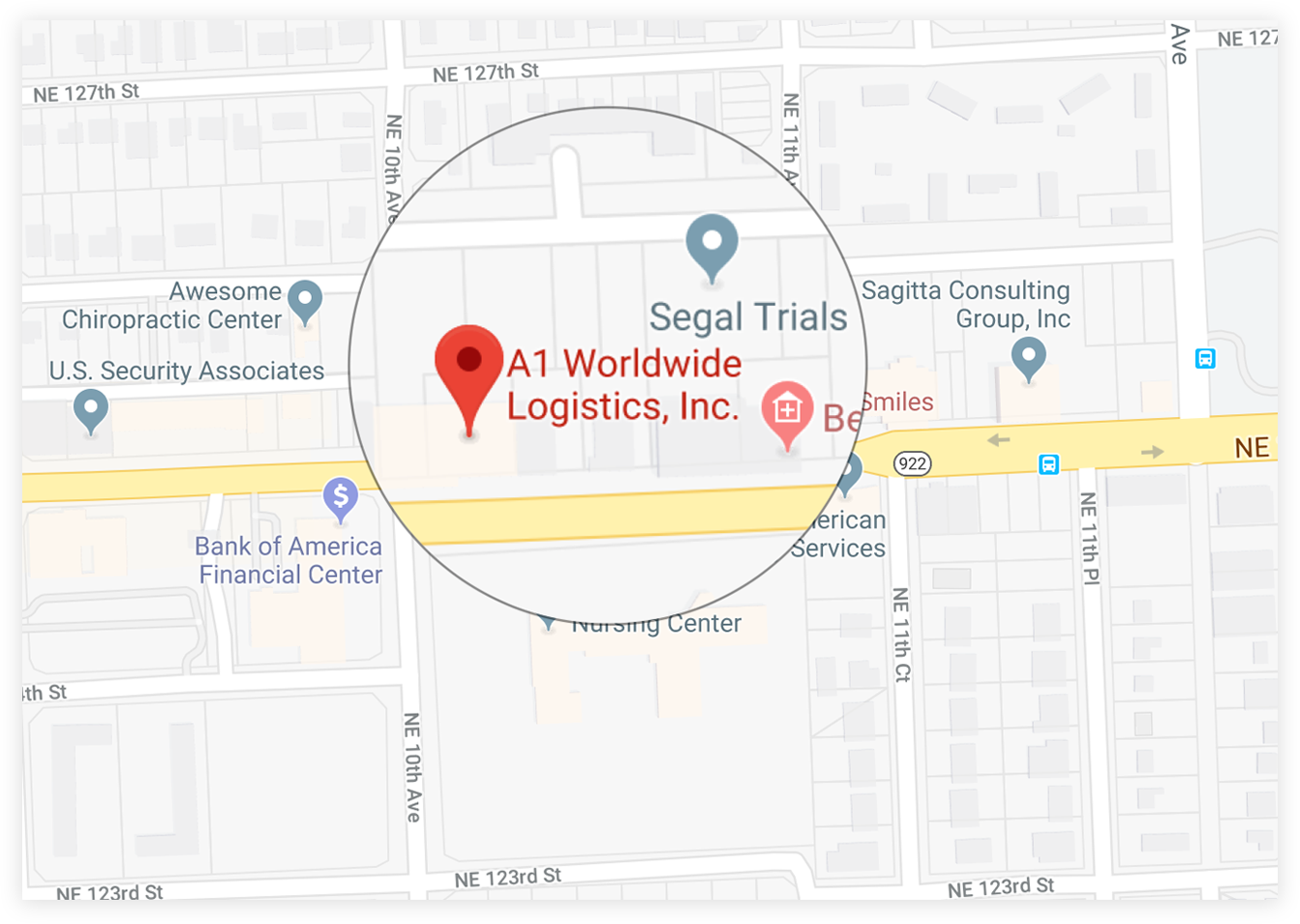
 1035 NE 125th St Suite #320, North Miami, FL 33161.
 a1worldwidelogistics.com
 (305) 821-8995
 Hours: 8AM - 5PM