by A1 WorldWide Logistics | Feb 8, 2024 | Shipping Logistics, Supply Chain, Transportation
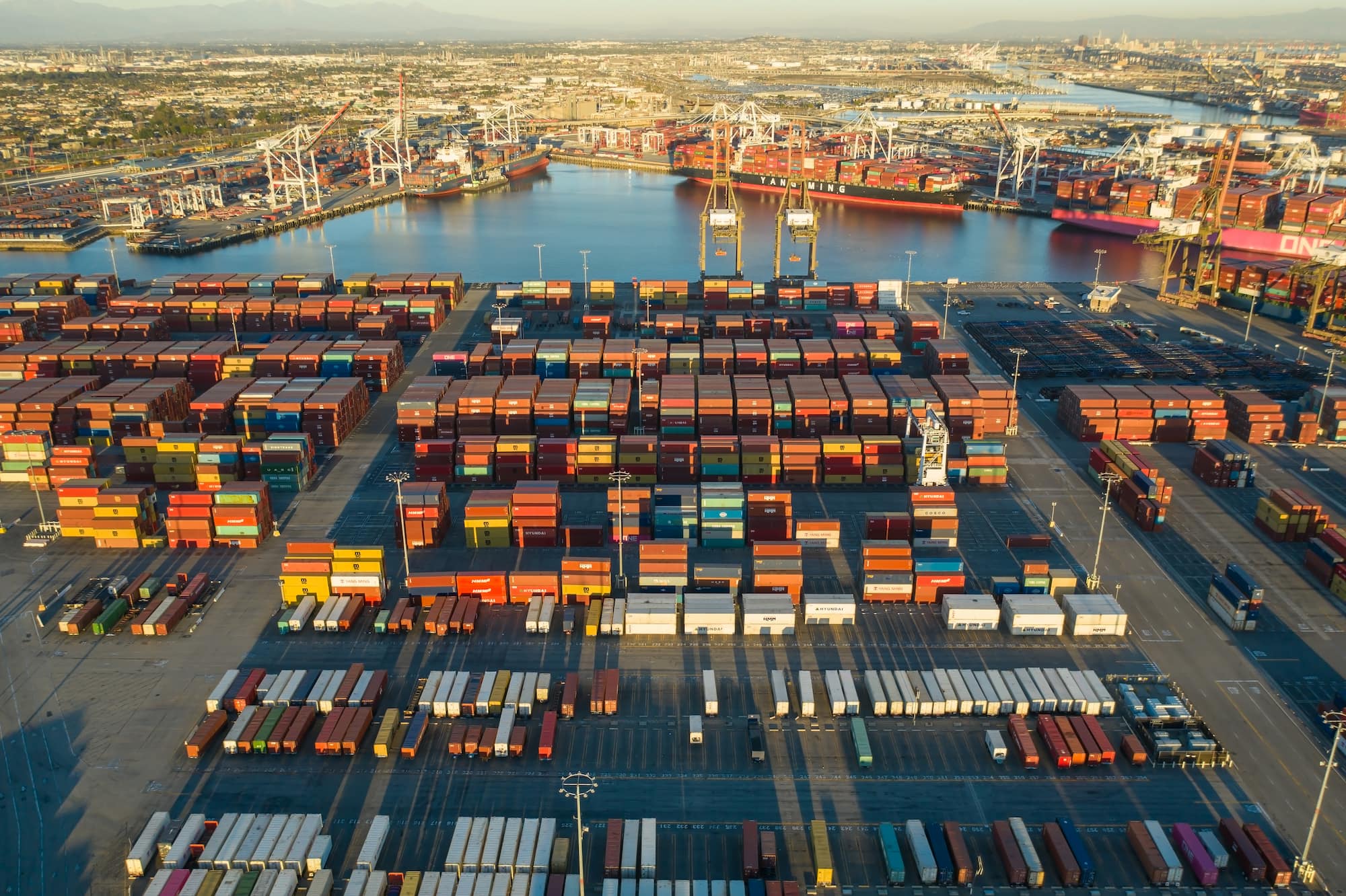
Different situations internationally are causing many to expect a cargo surge in U.S. ports in the coming weeks. Particularly on the West Coast, Long Beach and Los Angeles ports may soon receive extraordinary volumes. A primary reason is the Gaza war, which has a direct effect on the containers passing through the Red Sea. The U.S. Department of Transportation (DOT) has been monitoring the situation, and stakeholders expect increased congestion across ports. With the number of shippers that rely on the ports, potential delays can adversely affect their supply chains. Despite the predicted shipment surge, ports and inland transportation services are more prepared for the volumes than the COVID-19 pandemic.
What Is Causing The Cargo Surge In U.S. Ports?
The issues between Israel and the Hamas militant group have escalated to a war in 2023. Shippers moving cargo to and from the Red Sea to the Suez Canal were affected by potential delays and attacks. The Suez Canal is one of the most significant artificial canals, with more than 12% of global trade passing through. As the conflict reached the canal, numerous shippers began rerouting to safer locations to protect their shipments. As carriers began switching routes, places like the U.S. West Coast rose in popularity. Instead of going the long route through the Cape of Good Hope in Africa, Asia-U.S. shipments can cut time by nearly 14 days by going to the West Coast.
Along with the conflict in the Red Sea, the Panama Canal has been facing a drought. Over the last year, the Panama Canal Authority (ACP) set restrictions on carriers that must pass through. This meant the number of containerships that move through daily went from approximately 40 to nearly 32. A decrease in daily transits led to a backlog of over 100 ships waiting for entry, leading to significant delays. The Panama Canal water shortage initially rerouted cargo going to the U.S. West Coast to the Suez Canal. Now, the situation in the Suez Canal is redirecting ships again to the U.S. West Coast, increasing cargo volume.
How Can You Prepare Your Shipment From Congestion And Delays
With U.S. ports potentially experiencing congestion in the coming weeks, you must prepare your shipment beforehand. Looking at the news or reading shipping web pages could protect your goods from delays by giving you a warning. When your cargo is on the journey to the port, proactive communication with your carrier or logistics provider is critical. Knowing the time expectations beforehand helps you plan your supply chain accordingly and warn your customers about setbacks. Having the documentation ready before the goods enter the port may prevent further delays and demurrage charges. If possible, you can look for alternate nearby ports to import your shipment.
As the West Coast ports get more congested in the coming weeks, protecting your shipment is increasingly essential. While delays can be unfavorable for your supply chain, you can take steps to prevent them from happening. Another way to do this is by speaking to a logistics provider. Logistics companies have various services like freight forwarding and customs brokerage for ensuring the movement of your cargo. Reach A1 Worldwide Logistics at 305-821-8995 or info@a1wwl.com for assistance with importing or exporting to or from the U.S. We have customs brokerage and freight forwarding services to help you navigate the world of international shipping.
by A1 WorldWide Logistics | Jan 18, 2024 | grain exports, Shipping Logistics, Transportation
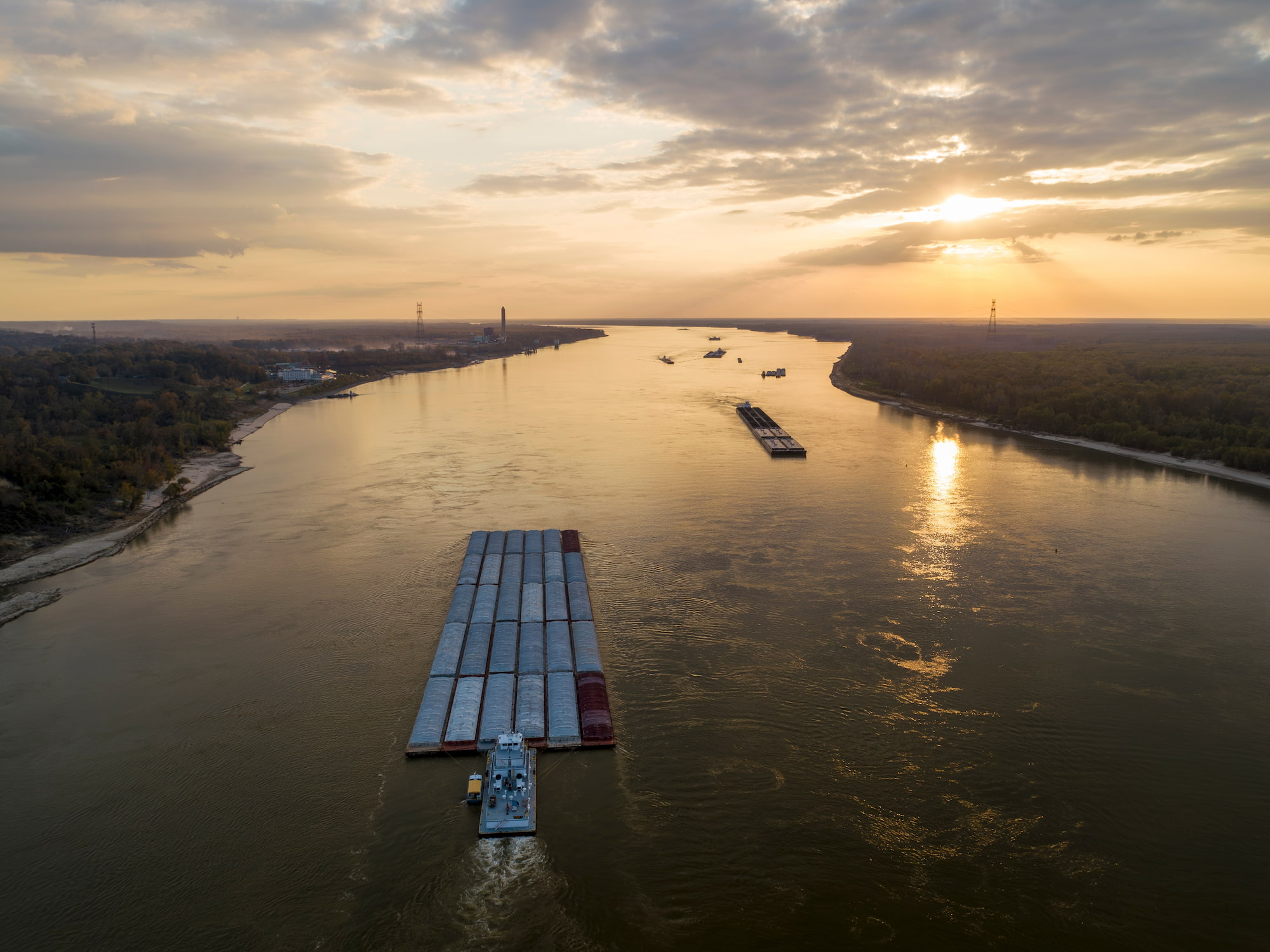
Shipping in the Mississippi River is vital to the U.S. economy, bringing in over $405 billion annually. Flowing from Minnesota to the Gulf of Mexico, the Mississippi River is the 2nd largest river in the U.S. For over 200 years, shippers have used this waterway to move various cargo, including agricultural goods and petroleum products. While containerships can pass through up to a point, the primary transport method is by barges. Barges are inland waterway vessels that are flat-bottomed and do not have engines but move with the assistance of tugboats. The barges carry the containers across since most of the river is too shallow for containerships.
The Importance of Cargo Shipping In The Mississippi River
Since shipping began in the Mississippi River, it has been essential for domestic and international cargo movement. Today, nearly 175 tons of freight move through yearly, which is still growing. 92% of U.S. agricultural exports and 78% of feed grains and soy pass through the river. Other exports include oil, steel, wood, coffee, paper, chemicals etc. Due to the traffic, 41 ports and harbors are in the river and on connecting waterways. A few thousand barges transport the goods to the various ports. Despite its importance, the Mississippi River has had challenges adjusting to the growing traffic because of issues like a lack of infrastructure.
Low Water Levels Are Still A Concern
Another challenge the Mississippi River faces is record-low water levels. Over the last few years, a drought has decreased water levels in the river to a point of concern. Above-normal heat conditions have also added to the decline. An effect was that river barges could not float, meaning that limited cargo could move across. Despite the increase in dredging efforts in 2023, barges were still moving at two-thirds of the standard capacity. Since most U.S. grain shipments go through the waterway, exports may soon be at risk. Along with shipping, lower levels impact drinking water, which the river provides to nearly 20 million people.
New Container Terminal
Despite the current drought, companies plan to grow the Mississippi River’s capabilities. Plaquemines Port announced on January 12 that it completed a deal to build a new container terminal in Plaquemine, Louisiana. The location will be 50 miles from the river’s entrance and be able to serve 22,000 TEU Megamax-24 ships. Nearby, the Port of New Orleans has also started developing a new container terminal on the Mississippi River. This terminal will handle over 180,000 containers in the first year and approximately 1.2 million containers in the 25th year. Along with increasing the traffic going in and out of the river, the ports will expand opportunities for international shipping.
As international shipping continues to grow, the possibilities can be attractive to new shippers; however, beginning may not be as easy. Whether you are an individual or a company, having the assistance of a freight forwarder is ideal when starting. They coordinate the shipping process on behalf of the shipper and educate them throughout the journey. Contact A1 Worldwide Logistics at 305-821-8995 to begin moving your shipment domestically and internationally. Along with movement by sea, we provide other methods of conveyance like air and land to ship your goods.
by A1 WorldWide Logistics | Dec 14, 2023 | Economic trends, Shipping Logistics, Transportation
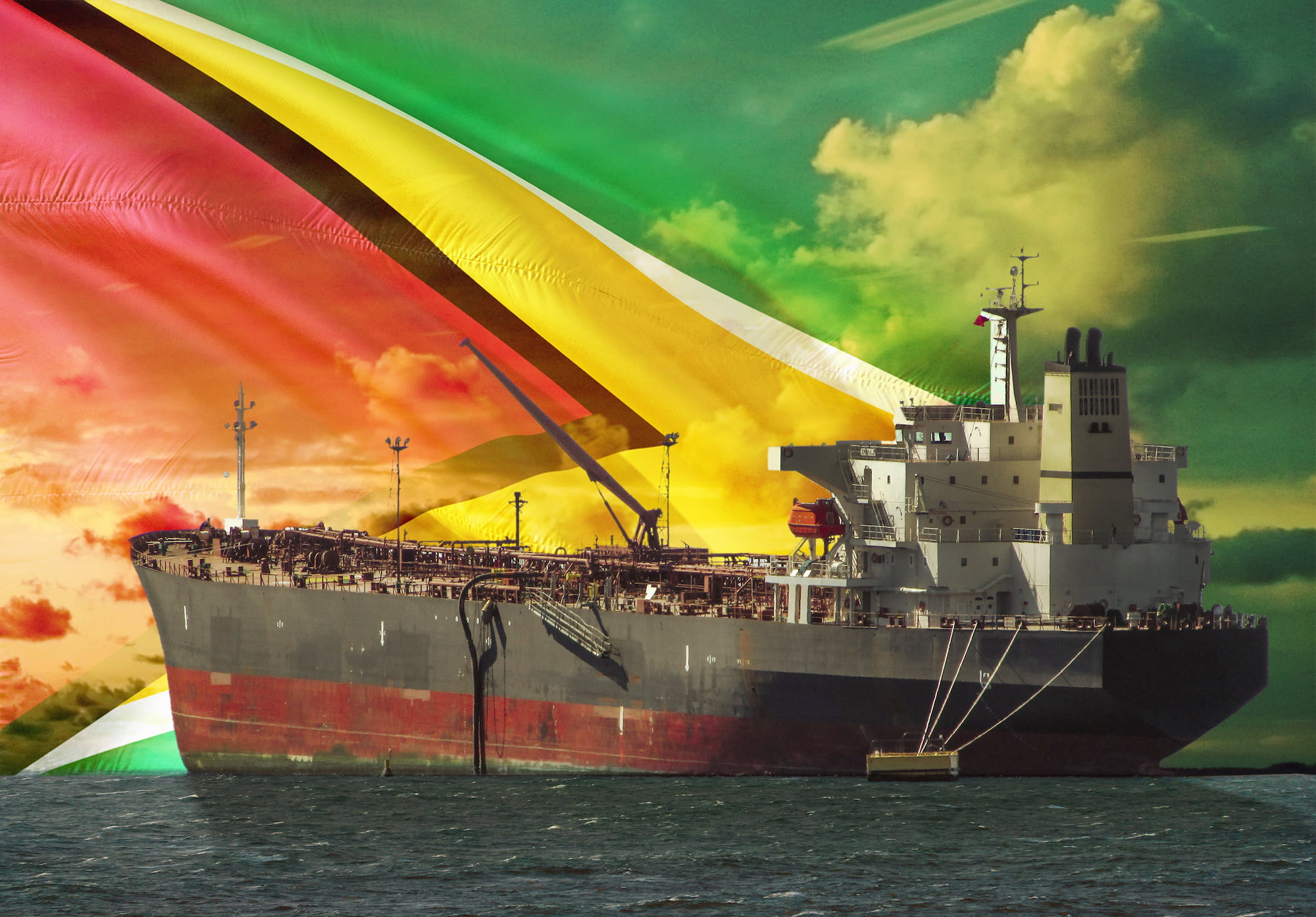
A current conflict between Venezuela and Guyana may result in tankers facing a new war soon. In the past year, international shipping has gone through two conflicts simultaneously. The first was Russia’s invasion of Ukraine, and then the more recent Israel-Hamas conflict. Both events influenced oil trade globally and led to scenarios like a surge in oil prices and shipment rerouting. Now, disputes between Venezuela and Guyana regarding Guyana’s prominent oil region of Essequibo are growing. While exporters are currently not too concerned, a potential escalation in tensions can unfavorably impact global oil transport. In particular, crude tankers moving out of the Atlantic Basin may feel the most significant effect.
Why Could Venezuela Invade Guyana?
The conflict between the two countries results from a more than century-long claim dispute of Essequibo. Essequibo is a land territory that the Paris Arbitral Award gave ownership to Guyana in 1899. In 2015, the discovery of major oil deposits in that region resulted in an oil boom in Guyana. In 2019, Guyana’s economy rose nearly 60% in the first half of that year. When the U.S. company found oil in Essequibo, Venezuela’s interest in the region returned. Venezuela’s pursuit of Essequibo has also grown to the present moment with the justification that the 1899 contract was unjust. Nicolas Maduro, the country’s president, has recently threatened an invasion of Guyana and seizing of the region.
If Venezuela does invade Guyana, both countries could face the drawbacks. Since 2019, Guyana’s oil exports have grown to 400,000 barrows daily and could reach 1 million by 2027. An annexation can halt the growth and hurt Guyana’s economy, of which oil shipping makes up a significant part. For Venezuela, different countries could reimpose sanctions, leading to oil companies leaving Guyana and hurting oil production. It is crucial to note that the U.S. has a notable presence in Essequibo, meaning an invasion can be challenging. Guyana’s and Venezuela’s presidents will meet on the island of St. Vincent this week to discuss the issue further.
Will International Shipping Be Disrupted By Tankers Facing A New War?
An escalation in the current tensions between Guyana and Venezuela could impact international tanker shipping. Similar to the Israel-Hamas conflict, tanker rates can surge to significant levels. In the week that Hamas attacked Israel, tanker rates in 16 global trade routes rose an average greater than 50%. Another effect of Venezuela’s invasion of Guyana is a reduction of Atlantic Basin exports. The decrease will be slight and short because numerous countries are increasing oil production. Brazil has been growing its oil production recently, and the U.S. is still the fifth largest oil producer globally.
Other countries outside the Atlantic Basin are also increasing tanker shipping with refinery capacity being built near the Suez Canal. The impact of Venezuela invading Guyana may be small on international tanker movement since the demand from countries like Brazil and the U.S. is much greater. While the effects may be less dire to global oil shipping, a shipper must understand what to expect before starting. Being informed and prepared is essential to ensure the smoothness of a shipment. Contact A1 Worldwide Logistics at 305-821-8995 to begin shipping your goods internationally. We understand the importance of your shipment and will be with you through the entire process.
by A1 WorldWide Logistics | Nov 22, 2023 | grain exports, Shipping Logistics, Transportation
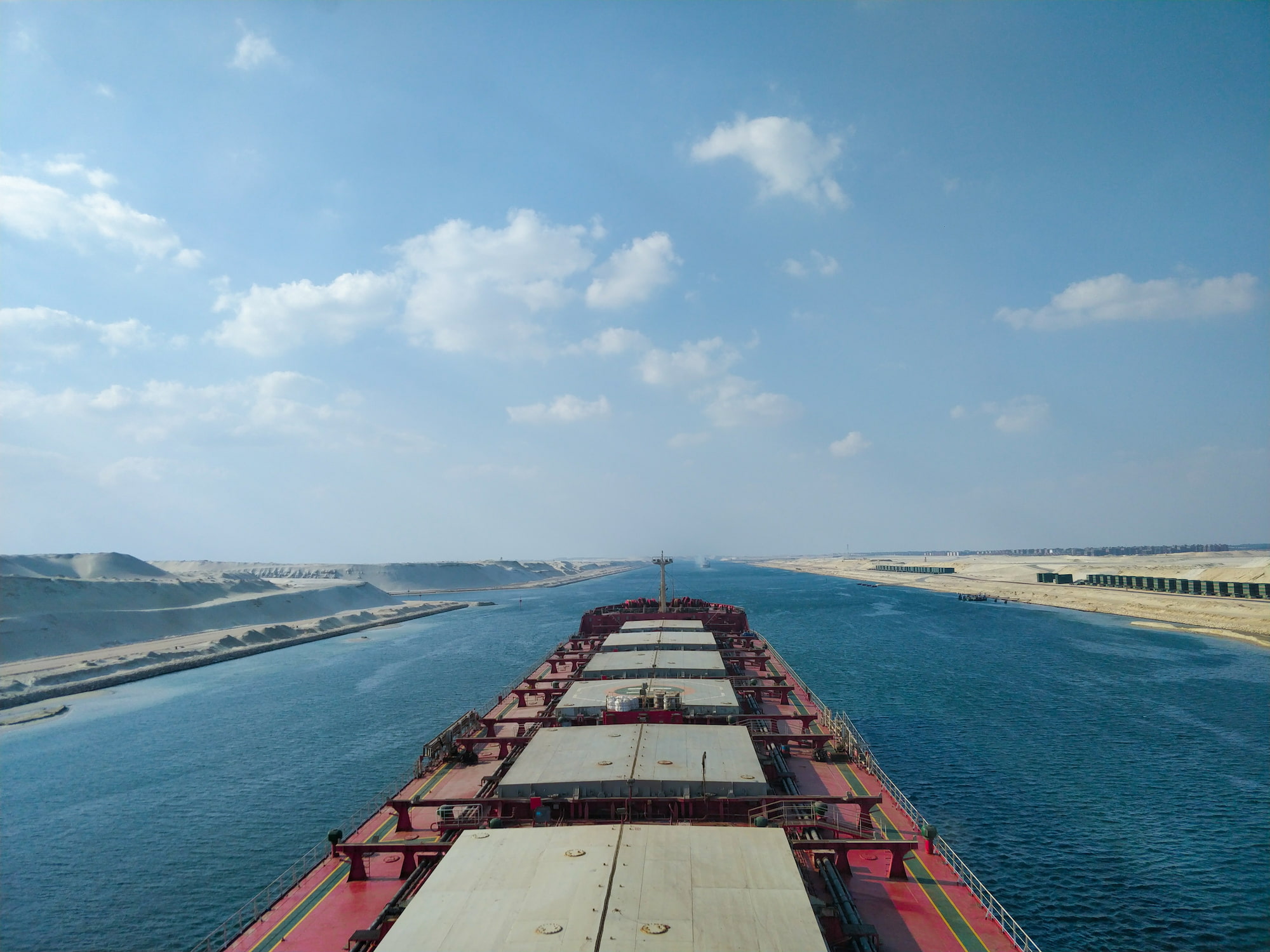
A current drought in the Panama Canal is leading to the Suez Canal gaining U.S. exports of farm products. Bulkers carrying agricultural goods like grains are rerouting their journey to Asian countries due to the crisis. At first, larger container vessels felt the effect of lowering water levels, which dry bulk carriers now feel. USDA data shows approximately 67% of year-to-date soybean, corn, and wheat exports are moving through the Atlantic Ocean. It is essential to note that the Suez Canal is a longer route and can be more expensive. The freight takes nearly ten extra days to reach China compared to using the Panama Canal.
What Is Happening In the Panama Canal
In the summer of this year, the Panama Canal Authority (ACP) set restrictions on ships entering the canal. The draft limit went to 44.5ft (13.65m) from the standard of 50ft (15.24m). A draft limit is the distance between the waterline and the lowest boat point. A lower limit means that carriers have to carry less cargo to be able to enter the Panama Canal. ACP cut the draft further to 43.5ft (13.26m) in the same month. The average number of daily transits through the canal also went down to 32 in August. The usual number of vessels passing through the canal is 36 to 38 ships.
The restrictions are due to the current drought the Panama Canal faces. Rainfall levels have been reaching record-low levels in the region, and the canal uses rainwater to move ships through. Water scarcity further rose due to the El Nino weather phenomenon. Along with having to decrease the amount of cargo that they ship, limits are extending carrier shipping times, causing delays. This is due to the backlog of ships waiting to enter the canal from lowering daily transits. Restrictions are pushing carriers to look for alternative routes to move their freight, such as the Suez Canal.
How Can The Suez Canal Gaining U.S. Exports Impact Shipping?
The Panama Canal and Suez Canal are the two most critical artificial passageways for international shipping. These waterways are shortcuts for shippers moving freight. While agricultural exporters tend to use the Panama Canal to reach Asia, delays force many to switch to the Suez Canal. Since the Suez Canal is the longer route, the increase in traffic is causing freight rates to rise. This is because farmers have fewer dry bulk vessels to load their exports into. As the Suez Canal gains importance for agricultural shipments, a concern remains nearby: the conflict in Gaza. One of the fears is that the war will close the canal during high traffic.
Shutting down the Suez Canal can result in agricultural exporters taking an even longer route to Asia. Rerouting to the Cape of Good Hope may create longer shipping times and further increase rates. While certain situations may be impossible to avoid, they should not stop shippers from transporting their goods. Exporters and importers must, however, take greater precautions to prevent misfortune. Contact A1 Worldwide Logistics at 305-821-8995 to speak to a freight forwarder regarding shipping internationally. Along with importing and importing to and from the U.S., we offer numerous other solutions for your transporting needs.

by A1 WorldWide Logistics | Aug 17, 2023 | Shipping Logistics, Supply Chain, Transportation
Compared to the shipment of regular-sized goods, shipping oversized cargo internationally has been known to be more difficult. Not only are the safety measures different, but the overall transportation logistics differ. Numerous industries, like construction, manufacturing, and mining, rely on oversized shipping to progress their supply chains. Individual shippers also ship large-sized freight like cars and boats globally. While there are various ways to transport oversized cargo, the most common is by truck and ocean vessels. Shipment by air is rare due to the size of an aircraft, so this article will focus on sea transportation. For transporting large loads domestically by truck, click here.
Regulations For Oversized Cargo
One of the essential precautions the shipper should take before shipping freight internationally is to research the regulations. The guidelines may depend on what shippers move for oversized cargo due to the number of goods considered sizeable. Breakbulk is a term used to describe freight that cannot fit in a standard 20 or 40-foot container. Some of the common measurements for breakbulk consideration are:
- A height greater than 13.6ft
- A With greater than 8.6ft
- A Length longer than 53ft
- A weight of over 80,000lbs
How Vessels Transport Oversized Cargo
Once the cargo is ready to ship, a truck with a specialized trailer will transfer it to a seaport. The typical method for loading at a port is by a mechanical crane that lifts the container off the truck and secures it on the vessel.
The loading method differs slightly since standard containers do not transport oversized cargo. How ports load large goods on a vessel depends on the shipper’s item and the container moving the shipment. Open-top containers carrying long scrap metal are placed on a containership similar to regular containers. However, if the scrap metal sticks out of the container, the container will not stack on the standard containers. The carrier will also keep the container in a different location and have a tarp draped to prevent damage. Another type of container used in breakbulk shipping is a flat rack.
Flat racks are containers without walls or roofs with foldable sides on the front and back. Unlike open-top containers, flat racks can accommodate extra wide loads and bulky goods that cannot enter a standard container. The type of cargo that this container transports are large machinery and vehicles that can’t fit in a standard container. In international shipping by sea, cars, RVs, and trucks that ship by flat racks use RoRo to board vessels. RoRo or Roll-on/Roll-off is a method of loading where wheeled freight uses built-in ramps to mount ships. The ship secures the goods throughout the journey until rolled off the ramp at the final destination.
How to Begin Shipping Oversized Cargo International
While moving oversized cargo internationally has many benefits, starting may not be as simple. There are not only more supply chain parts than the ones mentioned in the article, but numerous regulations exist. The paperwork the U.S. and other countries require for import/export may also be confusing. Hiring a freight broker to walk you through the process is the best way to start shipping. Contact A1 Worldwide Logistics at 305-821-8995 or info@a1wwl.com for a quote to move your oversized cargo internationally. We also provide customs clearance for goods for shipments entering the U.S.

by A1 WorldWide Logistics | Jul 28, 2023 | Importing, Shipping Logistics, Transportation
A confusing process for many beginner shippers is understanding how to import construction materials into the U.S. Examples of this material include steel, concrete, wood, and other substances used for building structures. Nearly 32% of all building goods used in the U.S. come from various countries. The reason is due to the costs saved from offshoring goods from a country like China, nearly 50 percent. While importing may seem attractive, there are many precautions that the shipper must take beforehand. This article will be a brief introduction to bringing construction cargo to the U.S. For more information on starting, contact A1 Worldwide Logistics at 305-425-9513 to speak to a freight forwarder.
Why is Understanding How to Import Construction Materials Complex?
Shippers must follow various laws and regulations when importing goods from different countries. Most building supplies brought into the U.S. come from China, so China will be the country of focus. An example of a regulation is banning imports coming into the U.S. from China’s Xinjiang region. This is due to reported forced labor of the Uyghur Muslims used for product production. Understanding the laws and guidelines is the first step of the importation process.
Along with the regulations of the exporting country, it is essential to know the importing country’s laws. In the U.S., Customs and Border Protection (CBP) oversees imported freight. Construction materials like granite and sand require permits from regulatory agencies before U.S. entry. When choosing a supplier, it is vital to use a trustworthy source to ensure quality materials. Before importing freight, another consideration is the paperwork that CBP requires. Different types of goods can require specific documents, but the general paperwork includes:
- Arrival Notice
- Bill of Lading/Airway Bill
- Commercial Invoice
- Importer Security Filing (ISF)
- Packing List
Since construction materials tend to ship in large quantities, the import may be costly. Shipments valued at or over $2500 require a customs bond. It is crucial to note that the shipper should submit the documents to customs days before leaving the origin country.
The Importation Process
Once the materials are ready to be imported to the U.S., they will be moved to a port in the origin country. Two of the most common methods of conveyance used in freight movement are transportation by air or sea. Containerships frequently move construction supplies due to the number of goods carried at a time. When the cargo first reaches the U.S. from an international country, they are subjected to import duties. Duties are tax payments required by the CBP, and shippers calculate them using the Harmonized Tariff Schedule.
Any cargo entering the U.S. risks being held up at customs before being released. This can be due to many reasons, such as poorly completed paperwork and unpaid duties. If the shipment goes smoothly and the filing is correct, customs will release the goods to the importer. While the import process may be complex, hiring a customs broker streamlines the process. A broker coordinates with U.S. customs to ensure the release of your cargo. To speak to one of our experienced customs brokers, contact a1 worldwide logistics at 305-821-8995.

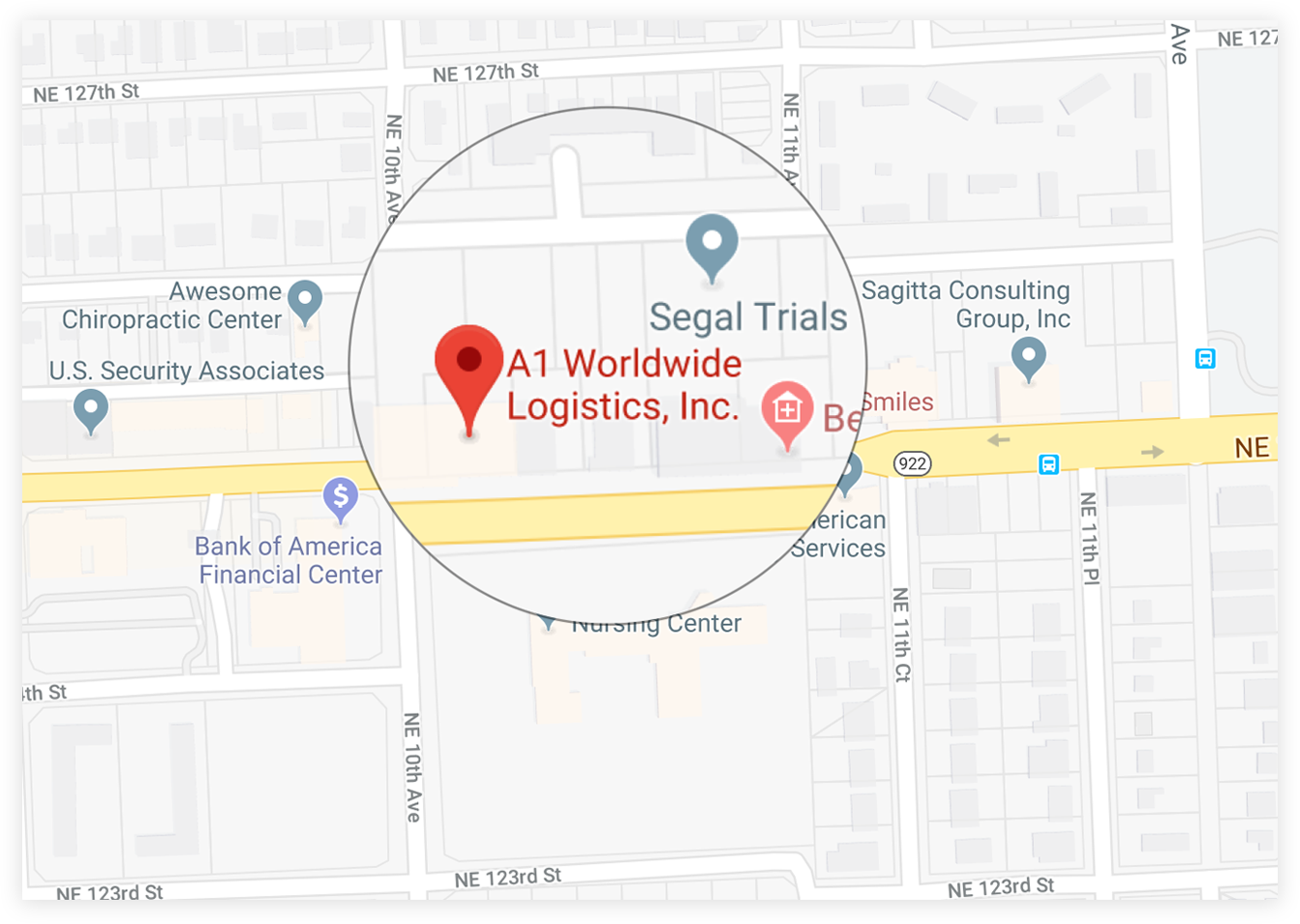
 1035 NE 125th St Suite #320, North Miami, FL 33161.
 a1worldwidelogistics.com
 (305) 821-8995
 Hours: 8AM - 5PM