When shippers bring up warehousing in conversations, a frequent topic is the merchandise they put away. While there is an extensive amount of items kept in warehouses, we can break them down into categories. This article will discuss the common types of goods stored and how warehouses handle them.
Dry Goods
One of the most conventional types of goods stored in warehouses is dry goods. These can range from shoes, furniture, and electronics to packaged food goods. Dry goods are foods stored at room temperature. Specific agricultural and chemical products are not considered dry goods because they must be stored at specific temperatures. Warehouses also ensure they are in excellent condition before moving to the next destination.
Raw Materials
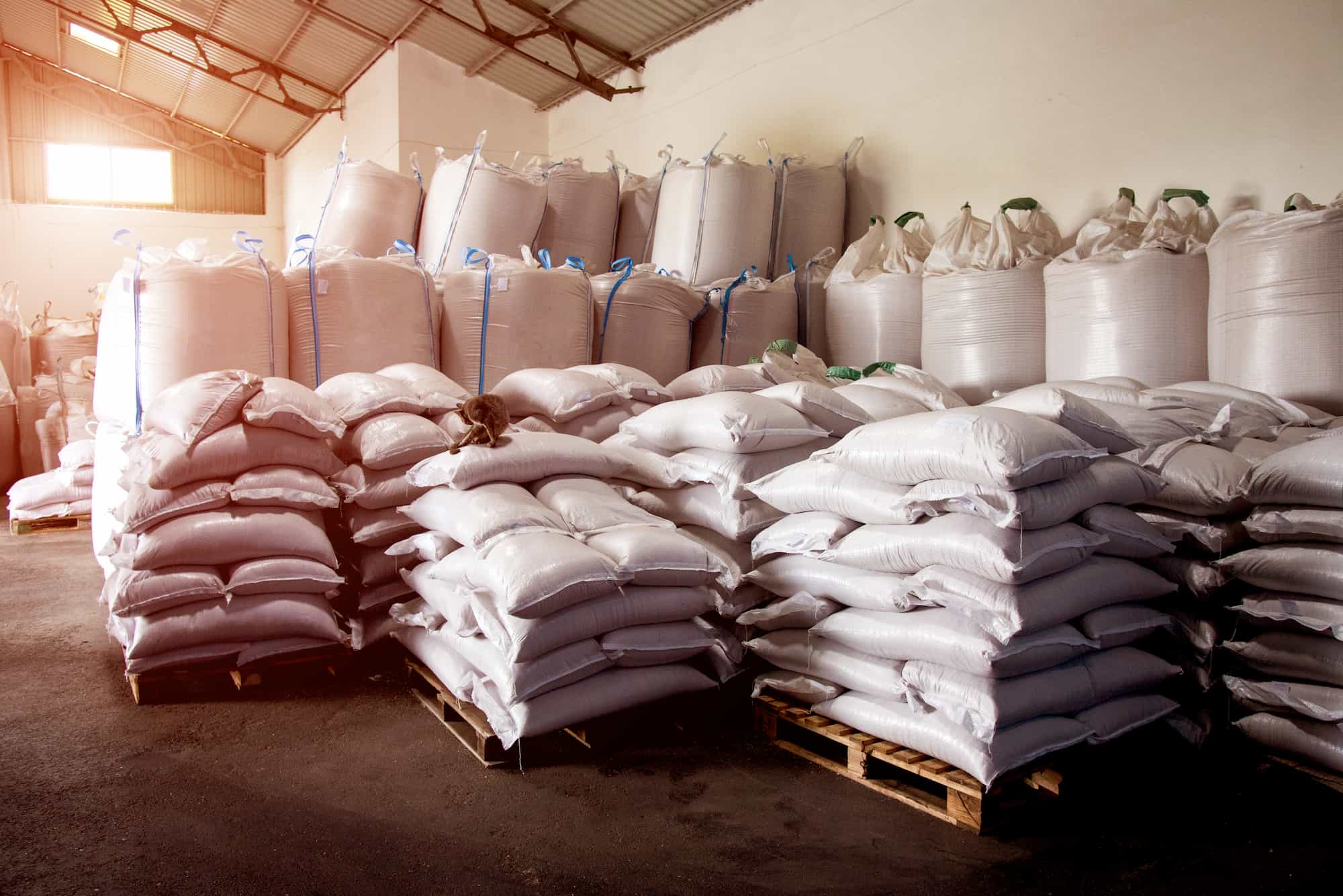
Other common goods stored in warehouses are raw materials such as grains, metal, crude oil, etc. Manufacturing facilities eventually use these materials that they reserve for production to create a final product. Since manufacturers are constantly receiving orders, storing these materials can help them maintain backup stock. Manufacturers may also forecast more accurate delivery dates for incoming orders based on their inventory levels.
Temperature Controlled Goods
These goods must be stored at a specific temperature to prevent damage or spoilage. An example is perishable foods, such as dairy products, that require refrigeration below 40 degrees Fahrenheit. Pharmaceuticals are also temperature-controlled goods that facilities store at specific temperatures. The warehouses tend to have specialized equipment like evaporators, condensers, and airlock systems.
Bulk Items
Oversized or bulk items are goods stored in large quantities in a warehouse. Different types of cargo can be considered bulk, ranging from industrial supplies to liquid products like petroleum. Typically, bulk storage items are palletized and stored in large areas of warehouses; however, there are several types of bulk storage. For example, warehouses store liquids in storage tanks or vats, as well as in intermediate bulk containers (IBCs). Facilities may store bulk goods in other ways, such as floor stacking and pallet racking.
Hazardous Goods
Hazardous materials, or hazmat, are items that may pose a potential threat to people, animals, or the environment. Examples of hazmats include flammable, explosive, toxic, radioactive, or otherwise dangerous items, such as gases, batteries, and pesticides. Because the goods are hazardous, facilities take additional precautions during warehouse storage. Designated ventilated areas that can be dry and cool are used solely for these materials. Safety barriers, warning signs, and proper labels are also required for storing these goods.
A public warehouse is a facility that provides long-term and short-term storage solutions. When shippers move goods across the globe, warehousing is a standard part of the supply chain for many businesses. Compared to regular storage facilities, public warehouses tend to offer more services to their customers. Some examples of the services provided include:
The storage and warehousing of your shipments.
Transportation of cargo to and from the facility to the final destination.
Transloading goods to different containers and cross-docking.
Cargo manipulation and segregation of shipments.
Picking, picking, and crating of cargo.
There are an extensive amount of benefits that renting public warehousing space can provide. One of the main advantages is the revenue that the company or individual may save. For example, storing inventory requires space, which costs money. Renting warehouse space tends to be cheaper during long-term storage. Getting a warehouse can cut transportation costs, and it also moves your goods to your customers for you. Another benefit is the security of your cargo due to technological advancements in warehousing.
How Does A1WWL Cater to Your Warehousing Needs
One of the most significant ways that A1WWL differentiates itself from other companies is by the transparency we offer. We ensure honest and open communication with our clients and address their concerns. Our specialized one-on-one services are tailored to your goals, and your cargo is our highest priority. In addition to the previously mentioned services offered by public warehousing, A1WWL offers flexibility. We understand that the shipping industry is constantly evolving and have solutions to help you adapt.
Are you an individual moving freight internationally, or a company that needs to store its goods for a specific period? Contact A1 Worldwide Logistics at 305-821-8995 or info@a1wwl.com to learn more about our value-adding warehousing services. We can also assist you in Spanish.
In Shipping, many aspects come into getting the supplier’s goods to their customers. One essential part of the supply chain is warehousing. When transporting goods internationally, the shipper may place the cargo in a warehouse before or after shipping it. Also, shipments that arrive in the destination country are liable to taxes and charges before your customer can receive them, so they may be kept in a warehouse before being released.
The Purpose of Warehousing in Freight Forwarding
Warehouses provide numerous services for your goods during the shipping process. Storage is a primary function that allows your goods to be kept in a secure facility for a period. The shipper may store the cargo until they are ready to sell or deliver it to a customer. Meanwhile, protecting those goods from damage or hazard is also a priority in warehousing.
How has warehousing changed over the years?
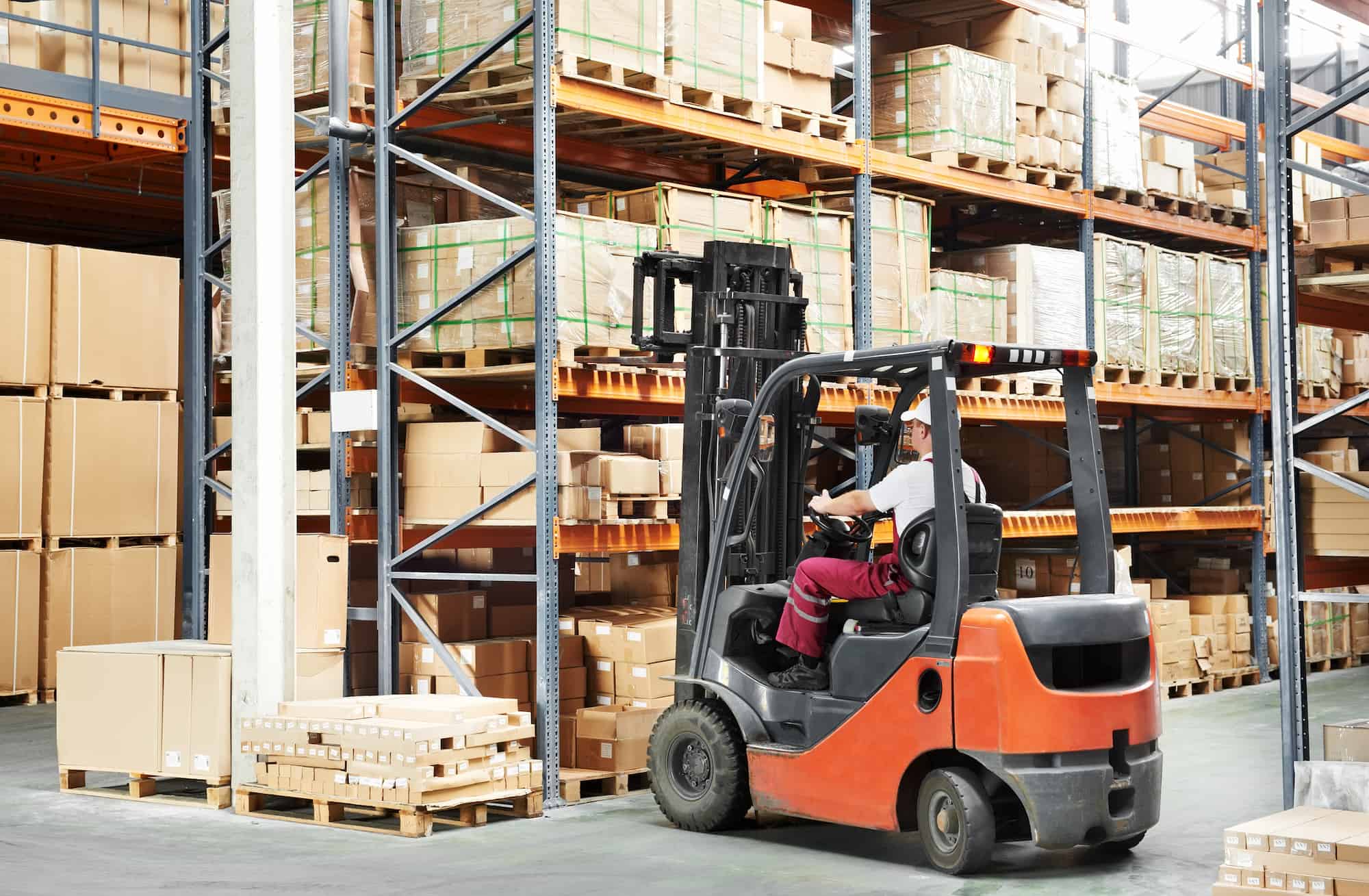
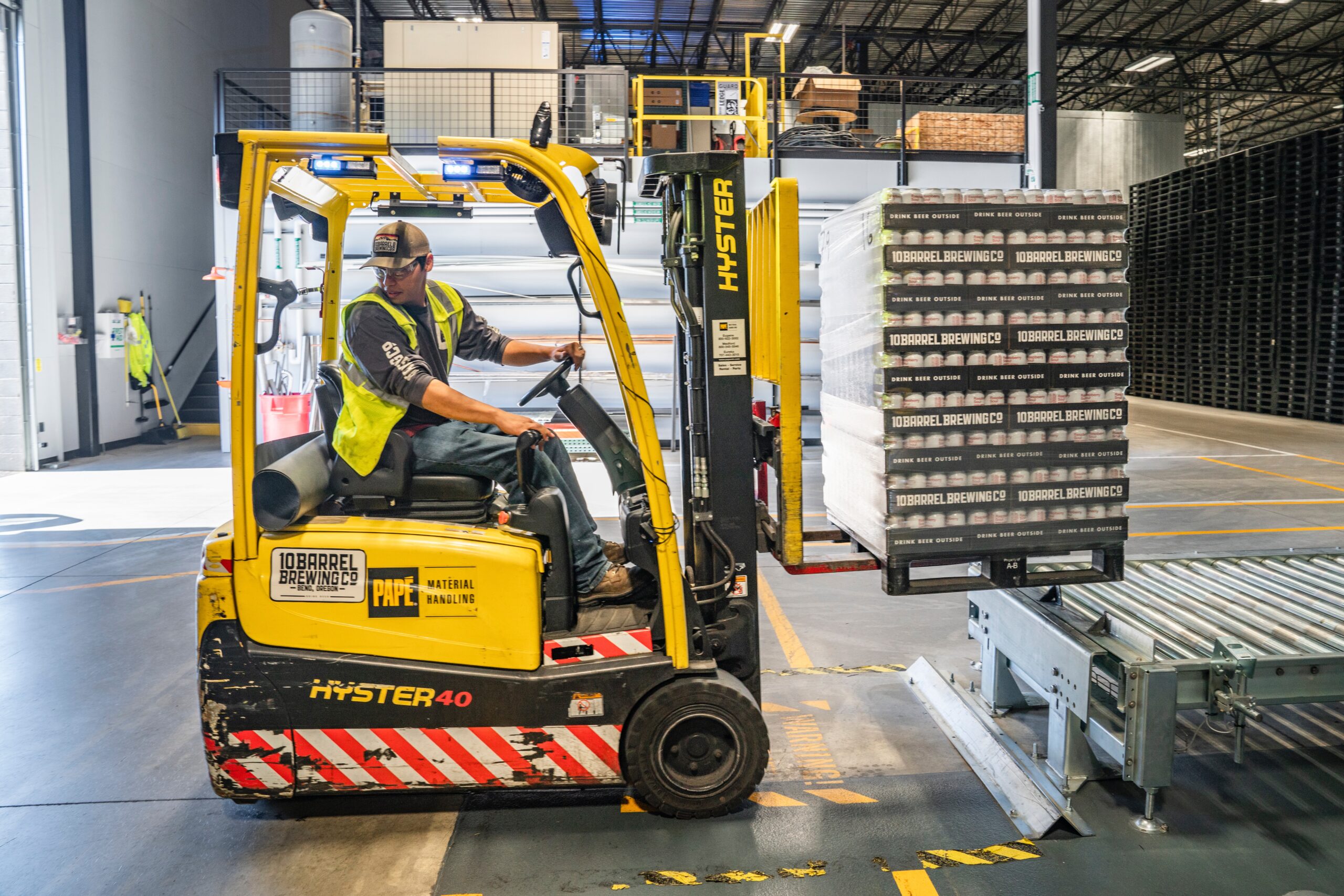
Automation – The technological advancements over the last few decades have led to improved product protection and faster communication within the supply chain. Present-day tractors and forklifts provide easier access to storage while simultaneously increasing workers’ safety.
Location – An increase in warehouses worldwide has improved the supply chain process. As this continues, more customers can participate in the supply chain process compared to the past. Plus, E-commerce has welcomed the creation of even more warehouses to keep up with the demand.
Dimensions – Compared to the past, the overall size of warehouses has increased to hold a broader storage capacity. This helped add variety to the types of products available, since warehouses could now store a broader range of items than before.
Distribution – The advancements in automation and the expansion of locations helped shorten the time it took for products to reach customers. It used to take days or even weeks after the buyer placed an order for them to receive it. Now, same-day deliveries are possible.
Accessibility – Traditionally, large businesses with substantial budgets were the only users of warehouses. However, many smaller businesses and individuals began utilizing warehouses to store their goods more recently. This is due to a combination of the advancements in warehousing and people wanting to manage their own operations.
One of the main components of a shipper’s supply chain is warehousing. When goods have to be imported or exported, warehousing is the step that usually comes before or after. The importance is traced back from the 17th-century trade routes of European settlers to the ancient Roman Empire. Fast forward to today, and countless people still use warehousing due to its benefits. Businesses from a wide range of industries, as well as individual shippers, use warehouses to store their goods. The reason is that it adds value to their supply chain.
The primary usage of a warehouse is for the storage and distribution of goods. Without warehousing, shippers may not have the space to store cargo for an extended period and deliver it to customers. Likewise, warehousing is ideal for storing goods for later use or until demand for that product is high. Using a warehousing facility may also cut transportation and supply chain costs. A1 Worldwide Logistics offers a range of cost-effective warehousing services to streamline your supply chain.
A few examples of the solutions that we offer include:
Public warehousing services cater to your specific cargo needs.
Storage of merchandise, including industrial products, dry goods, oversized cargo, and more.
Loading and unloading containers for storage.
Distributing the freight to its final destination.
Sorting and segregating items in pallets by color, flavor, size, and other traits.
Cross-docking and trans-loading shipments from one location to another using various modes of transportation.
Picking, packing, and crating cargo.
Cargo manipulation.
The process begins by calling A1 Worldwide Logistics at 305-821-8995. We will give you a quote for warehouse storage. Next, we will coordinate the pick-up and transportation of your goods to our warehouse facility. Once the goods arrive, they will be unloaded and stored securely for the allocated period. While being held, the cargo may undergo any of the above services at your request. Once you are ready, we will also arrange the movement of your goods to the next or final destination.
How has the creation of its first automated warehouse led to the growth of Chewy’s warehousing logistics? Chewy is a company that has used its extensive supply chain to deliver pet products across the U.S. At a time where there is a high reliance on e-commerce, Chewy has stepped the warehouse logistics up to meet the needs of customers.
What is Warehousing Logistics?
The definition of logistics itself is the comprehensive planning and execution of a complex process. Warehousing logistics is the moving of goods in and out of a warehouse and everything in between. This may include order picking, storing goods for a period of time, sorting the goods, and other intricate practices.
Different types of warehouses like fulfillment centers, Storage centers, and distribution centers have specific logistics in place. The difference between automated fulfillment centers and regular fulfillment centers is how the goods are processed. Automated facilities rely more on technology to process and move the goods.
Chewy Creates Its First Automated Warehouse.
In October of 2020, Chewy opened its first automated fulfillment center after years of planning. This warehouse is different from Chewy’s previous fulfillment centers in terms of logistics. In the past, workers would manually pick, move, and store the items in the facility. The automated warehouse allows for conveyor belts to move the goods. This saves time and energy. The storage of the goods has also been redesigned for easier access.
The idea behind this automated facility is to quicken delivery and fulfillment while improving worker safety and logistics. The amount of money saved by automation is also an advantage. Chewy’s warehouse system management team is currently examining and analyzing this first automated warehouse in hopes of producing more in the future.
What can this mean for the Future of Warehousing Logistics?
Warehousing tends to be an important part of many supply chains. With Chewy developing its warehousing operations, other companies and corporations may join in on the trend. United Natural Foods has announced that it anticipates that its new automated facility will double picking time. Big lots have also created 2 warehouses that focus solely on the processing of bulky and heavy inventory.
One of the main goals in 2020 for many companies was to protect and strengthen their supply chains. Many companies including Chewy have developed innovative ways to protect against economic downturns. This can include changing their warehousing logistics. If you are looking for a warehouse to store your imported goods and assist with your company’s logistics, call us at 305-821-8995. We have a bonded warehouse facility where your imports can be stored for 5 years without payment of duties.

 These goods must be stored at a specific temperature to prevent damage or spoilage. An example is perishable foods, such as dairy products, that require refrigeration below 40 degrees Fahrenheit. Pharmaceuticals are also temperature-controlled goods that facilities store at specific temperatures. The warehouses tend to have specialized equipment like evaporators, condensers, and airlock systems.

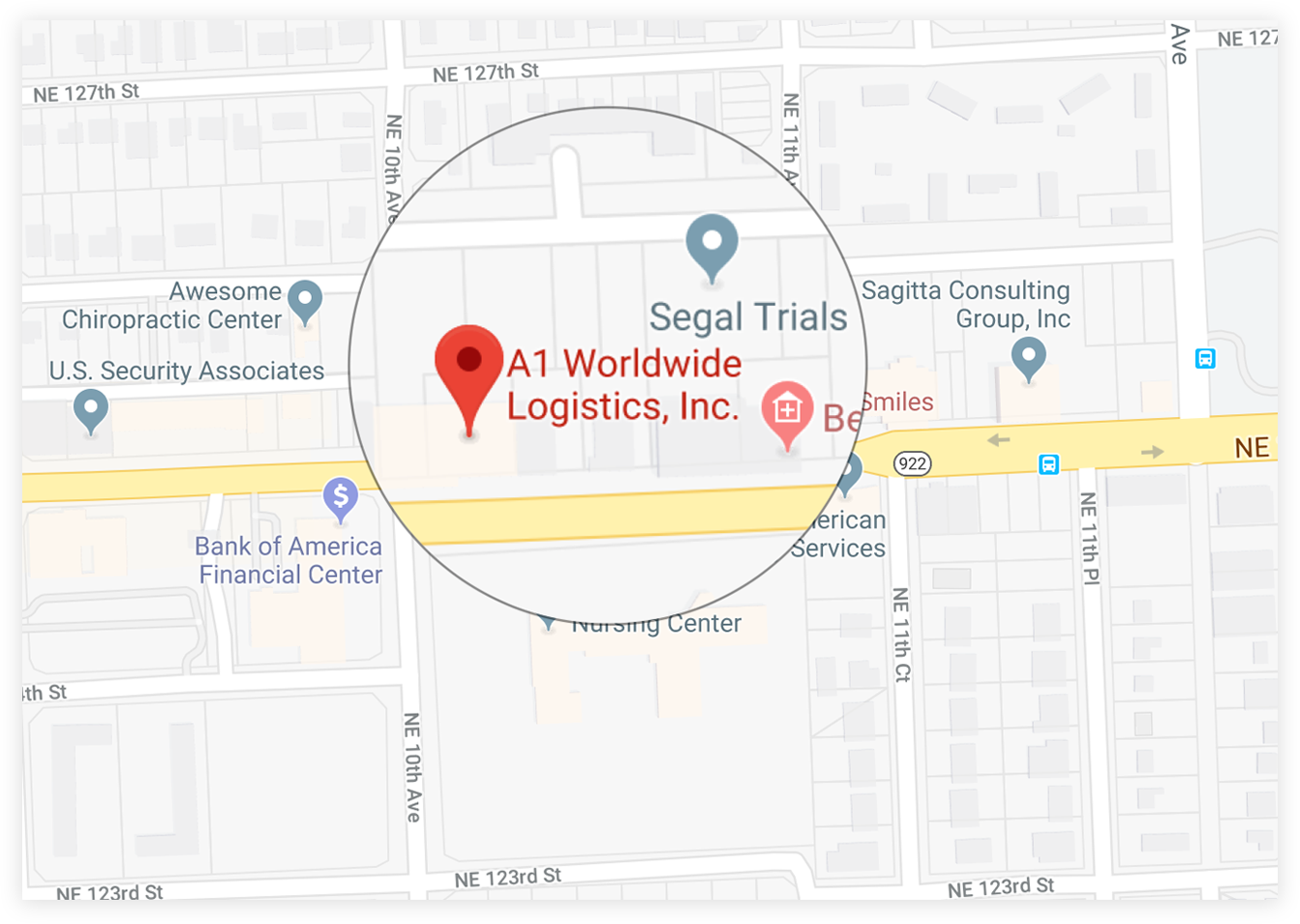
 1035 NE 125th St Suite #320, North Miami, FL 33161.
 a1worldwidelogistics.com
 (305) 821-8995
 Hours: 8AM - 5PM