CBP Enforcing Cargo Descriptions
Share Article in Social Media
Recent noncompliance has the CBP enforcing cargo descriptions more strictly. The CBP (U.S. Customs Borders and Protection) is an agency in charge of facilitating lawful international trade in the U.S. One of its responsibilities is managing the flow of goods coming in and out of U.S. borders. Recently, the CBP has become more stringent in how shippers describe the merchandise they are importing. On April 1st, CBP announced implementing cargo messages for vague, noncompliant cargo descriptions for entry filings.
In particular, the CBP notes in the message, “Carriers and other parties electing to file electronic cargo information data to CBP are required to provide a precise description of the cargo.” More recently, the CBP released a list of acceptable and unacceptable import cargo descriptions. The list is on the CBP webpage and will continue to expand as they add more descriptions.
Why is the CHB Enforcing Cargo Descriptions?
The CBP has become stricter on cargo descriptions to ensure precision when describing the cargo. This helps identify the cargo’s physical characteristics like shape, size, and packaging. Proper descriptions ensure compliance with CBP regulations and create a smoother customs clearance process. It also helps find the freight’s correct HTS (harmonized Tariff Schedule) code. The HTS code is a 10-digit number that identifies and classifies goods that importers bring into the U.S. Customs use it to determine the duties and fees associated with the import. Correct descriptions also prevent illegal goods from entering the U.S.
Consequences Of Not Having The Correct Cargo Description
Due to the CBP’s strict nature of monitoring imports and exports, incorrect cargo descriptions have various consequences. Unacceptable or “vague” cargo descriptions can result in the CBP rejecting the submission and pausing shipment movement. If customs hold the shipment, it can result in delays in the supply chain. Delays may look unfavorable for importers that have customers expecting a product. Other consequences include fines, cargo seizures, and, in some cases, criminal penalties.
Unacceptable VS Unacceptable Descriptions
Some of the examples of acceptable vs unacceptable descriptions that the CBP mentions in the list include:
- Just brand names themselves are unacceptable. An example of an acceptable description is “Bubbles Brand” Laundry detergent.
- The word “Appliances” by itself is unacceptable. Describing the appliances like stoves, ovens, or coffee machines is acceptable.
- “Auto Parts” is an unacceptable description. The importer must describe the actual part, such as Automotive Brakes or Automotive Windshield Wipers.
- “Electronic Goods” is an unacceptable description. The importer must specify the goods, for example, Computers, Telephones, Televisions, Video Game Consoles, etc.
- The word “Metal” by itself is an unacceptable description. The importer must describe the metal more specifically. For example, Plates (of metal), Pipes (of metal), Sheets (of metal), and Expanded metal are acceptable descriptions.
To see the complete list, visit the webpage here: https://www.cbp.gov/trade/basic-import-export/e-commerce/examples-unacceptable-vs-acceptable-cargo-descriptions.
While the list explains how to describe imports, specific descriptions may confuse shippers. Contact a customs broker for a clear idea of what to expect when bringing goods into the U.S. Brokers handle the importation process for the shipper while educating them along the way. They offer solutions like preparing documentation, processing payments, and ensuring importers comply with regulations. For assistance clearing your goods through customs, please contact our customs brokers at 305-425-9513 or info@a1wwl.com.




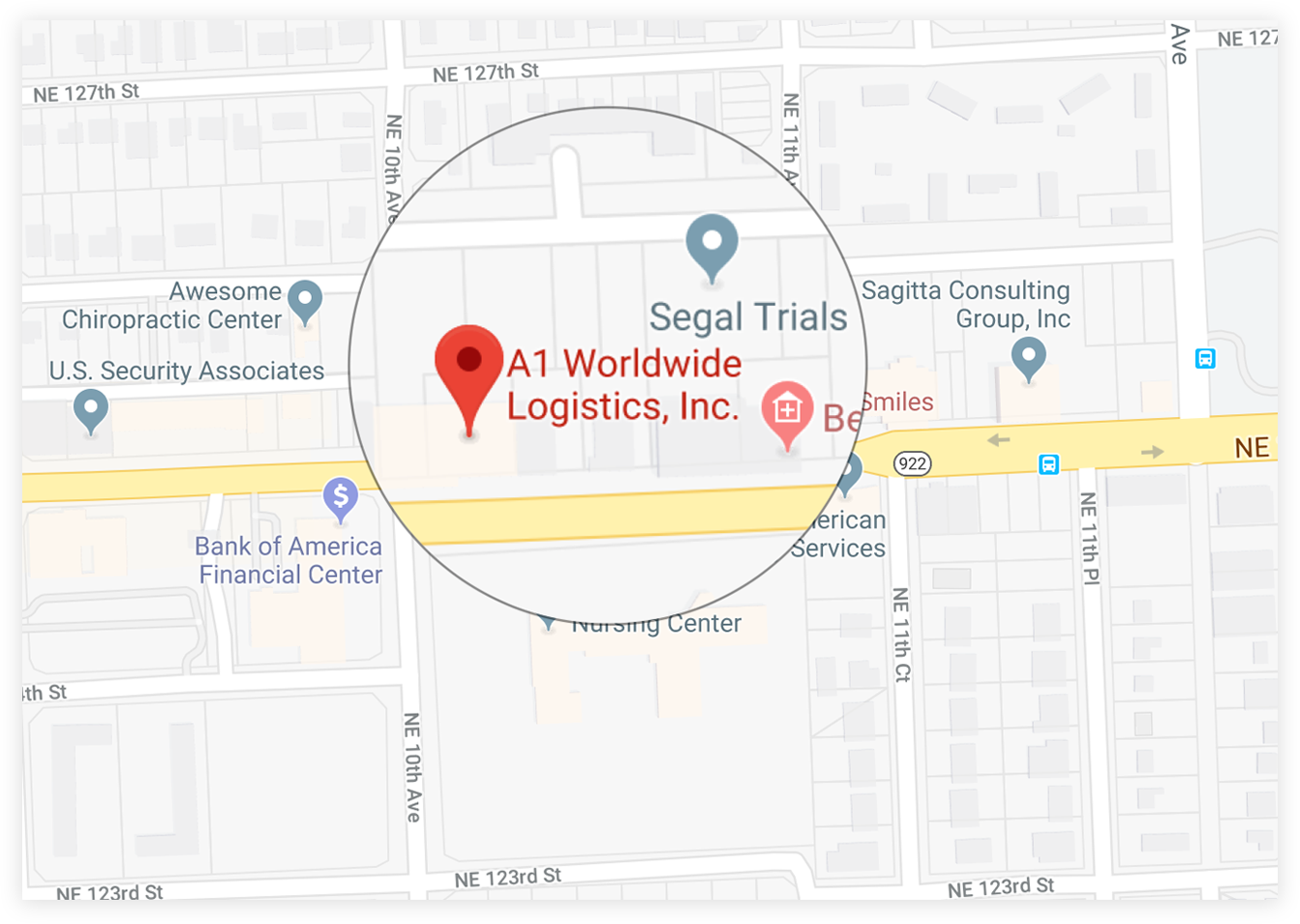
 1035 NE 125th St Suite #320, North Miami, FL 33161.
 a1worldwidelogistics.com
 (305) 821-8995
 Hours: 8AM - 5PM