China Tariffs Impacting Air Cargo
Share Article in Social Media
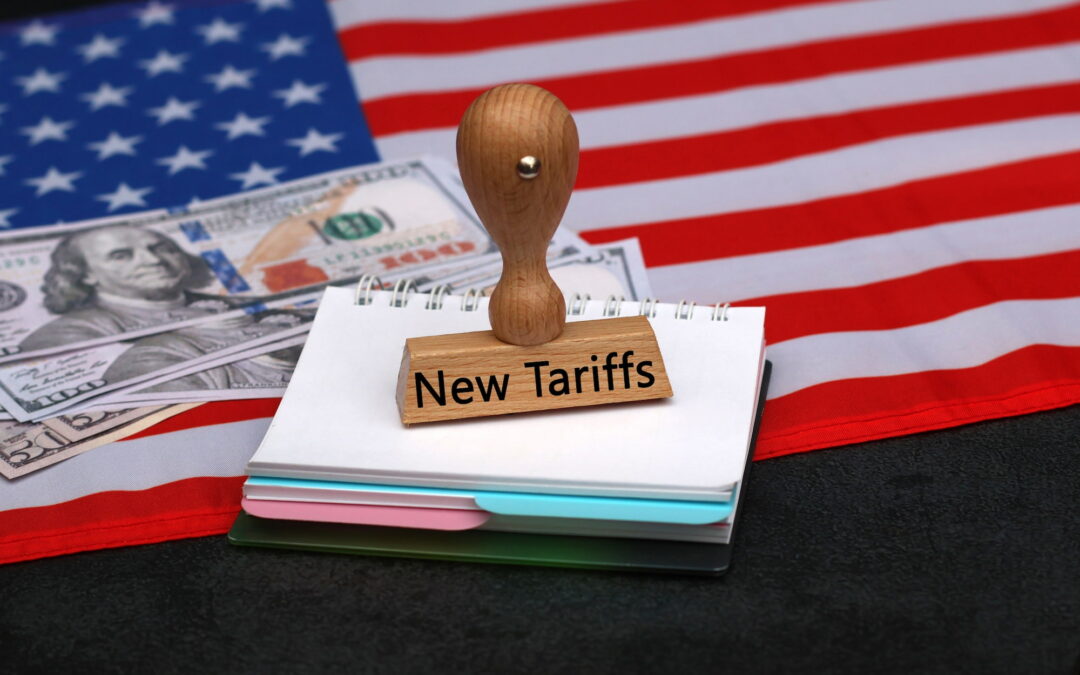
An executive order signed by President Donald Trump could soon see China tariffs impacting air cargo. On February 1st, Trump imposed a 25% tariff on Canada and Mexico imports and a 10% tariff on China imports. The order also eliminated duty-free exemptions for low-value e-commerce goods imported from the countries to the U.S. While Trump has deferred Canada’s and Mexico’s tariffs for a month, China’s hikes will take effect on February 10th. The taxes are to stop illegal immigration and the smuggling of illicit drugs into the U.S. Along with directly affecting international shipping, the tariffs will impact China’s air cargo industry.
How Are the China Tariffs Impacting Air Cargo?
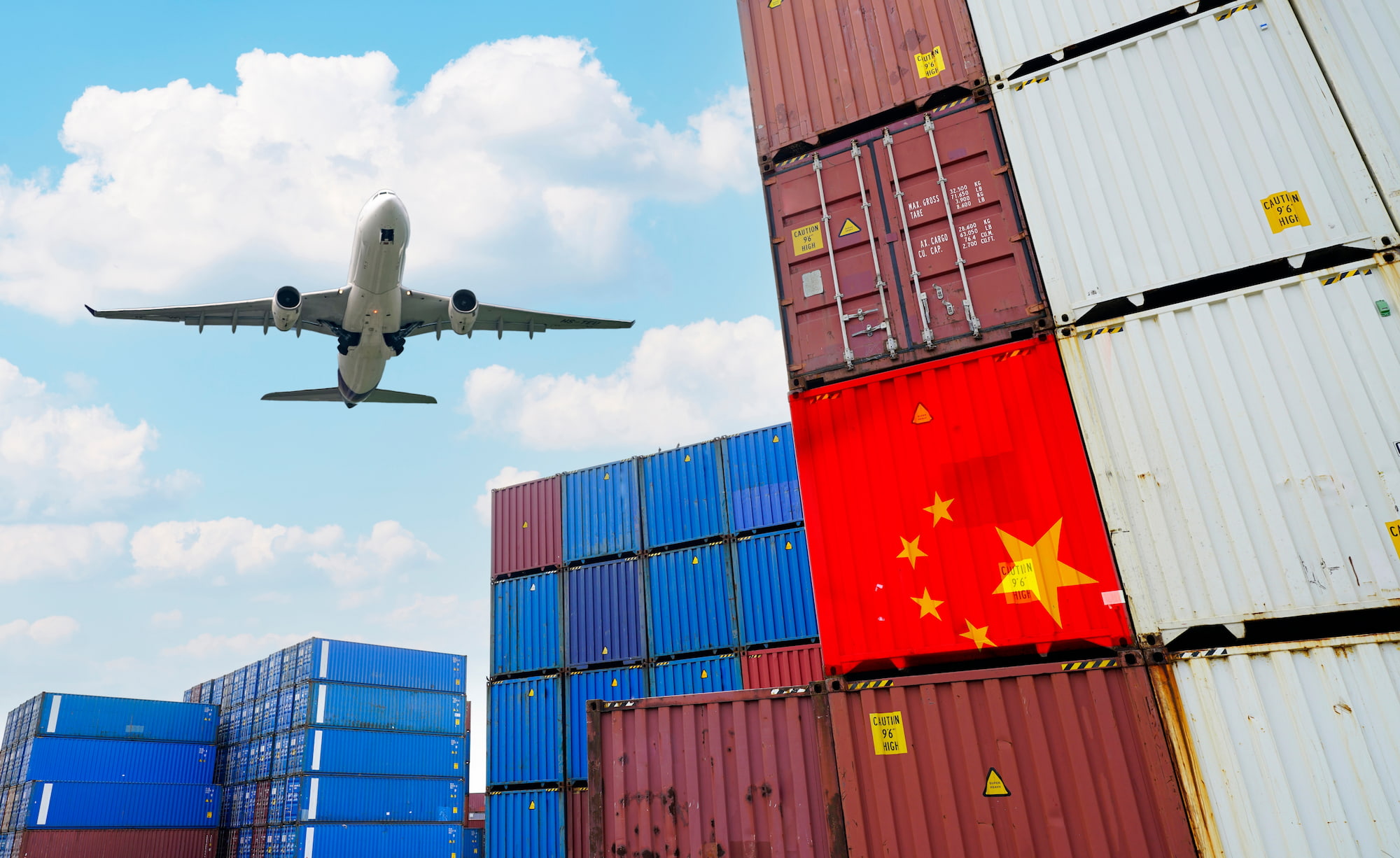
In 2024, China exported approximately $2.62 trillion in goods, making it the largest exporter globally. A significant portion of goods imported into the U.S. are e-commerce shipments from China by air. Nearly 1.3 million tons of e-commerce air imports fall under the duty-free exemption that Trump’s executive order eliminated. The de minimis is a provision that exempts goods $800 or less to a single person per day from taxes. Shippers and online retailers like Temu in China use this to legally avoid import tax on smaller, larger-volume imports. The CBP (Customs Border and Protection) notes that 61% of de minimis entries are from China.
De minimis shipments from China could now have tariffs of up to 35% due to the executive order. Without the de minimis rule, a $50 package bought in Temu may be double the amount due to the fees. Vendors from marketplaces like Temu have built warehouses in the U.S. in the past few years to avoid additional costs. They also have relocated to nearby locations like Vietnam and Thailand to be able to send de minimis shipments. China filed a complaint to the WTO (World Trade Organization) challenging the cancellation of the 10% tariff and duty-free exception. In a country response, China also introduced tariffs of up to 15% on various U.S. goods like coal and oil.
What Can The Tariffs Mean For The Air Cargo Industry?
The tariffs could negatively affect air cargo due to the amount of goods China imports to the U.S. by air. Ending de minimis may significantly reduce airfreight rates as importers decrease the volume of imported goods. Reducing daily de minimis imports could result in overcapacity in the air cargo industry and decline rates. Rates declined during this period due to the Chinese New Year, when demand was lower than usual. A tariff increase will also directly impact customers since sellers could pass on the higher costs.
While the tariffs could impact cargo transport, they should not stop you from importing into the U.S. However, shippers should take the proper steps to mitigate potential disruptions to their supply chains. An ideal way to get started is by speaking to a freight forwarder. Forwarders act as intermediaries between the shipper and the good’s final destination. Along with transporting your cargo, they offer various services like providing documentation, negotiating rates, vetting carriers, warehouses, and more. Contact A1 Worldwide Logistics at 305-425-9752 or info@a1wwl.com to talk to a forwarder regarding moving your goods internationally. Whether you’re shipping by air, sea, or land, we ensure the success of your shipment.


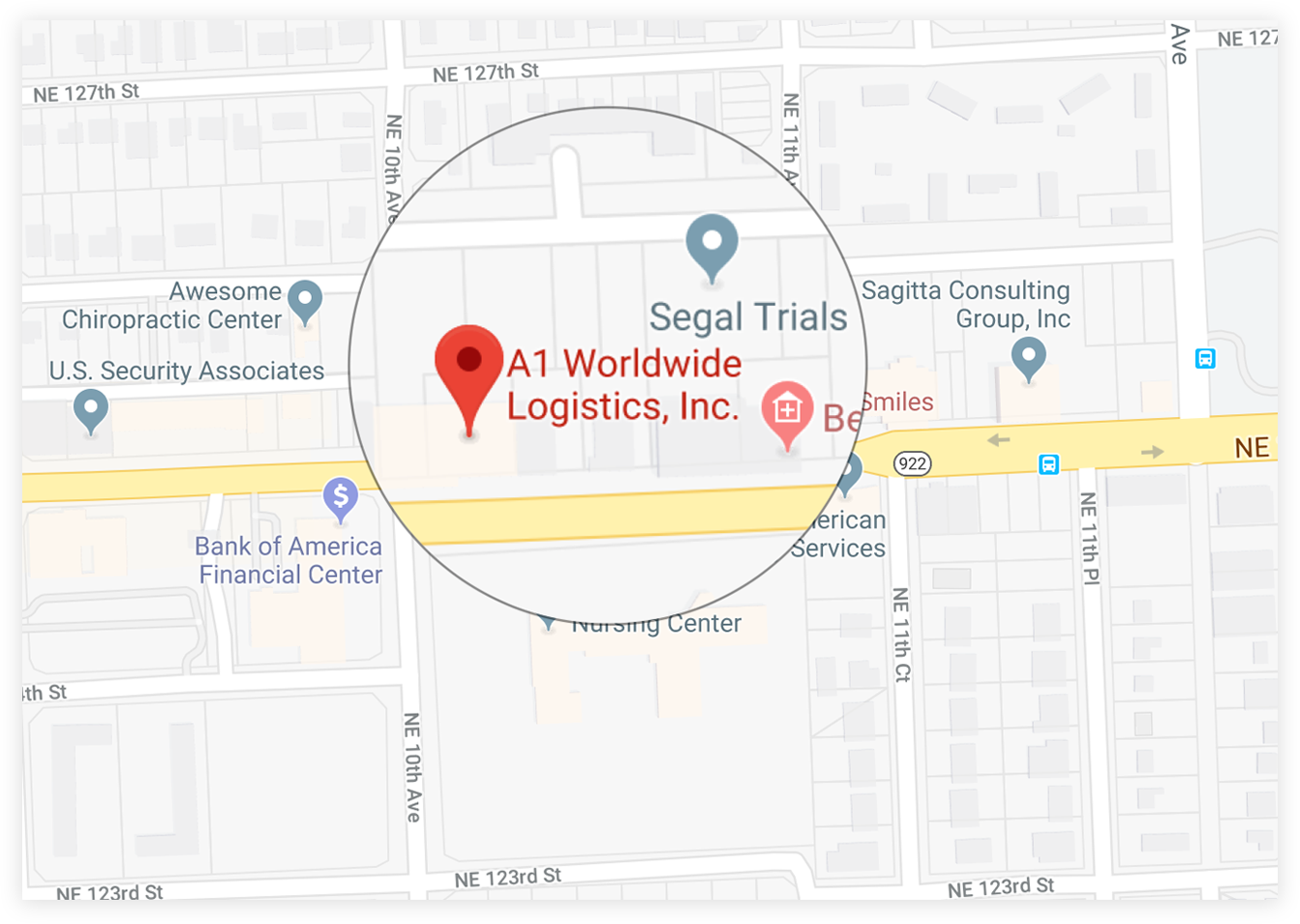
 1035 NE 125th St Suite #320, North Miami, FL 33161.
 a1worldwidelogistics.com
 (305) 821-8995
 Hours: 8AM - 5PM