Container Imports To Increase
Share Article in Social Media
The National Retail Federation (NRF) predicts container imports will increase into the new year and could continue into spring. Data from the NRF’s Global Port Tracker, which tracks America’s biggest importers, notes an increase in the near future. In January 2025, the NRF forecasted 2.2 million TEUs (Twenty-Foot Equivalent) more than January 2024. The surge has already been evident, with imports in October 2024 up approximately 9.3% year-over-year. December projections could see a 14.3% TEU import compared to the previous year. As container imports continue to rise, international shipping could have numerous implications. This article will explain why container importations are increasing and the impact it will have on shippers.
What Are Causing Container Imports To Increase?
Various scenarios, such as threats of port strikes and tariff increases, are leading to a rise in container imports. On October 1st, 2024, approximately 45,000 International Longshoremen’s Association (ILA) dockworkers walked out of ports protesting for better contracts. They are also protesting against the use of automation, which threatens job security. Two days later, the strike ended, with the USMX and ILA agreeing to extend contracts until January 15th, 2025. With the extension date nearly a month away, shippers are importing to avoid any potential protests that could arise. The NRF recently urged the ILA and Port employers to continue negotiations, but there was no response.
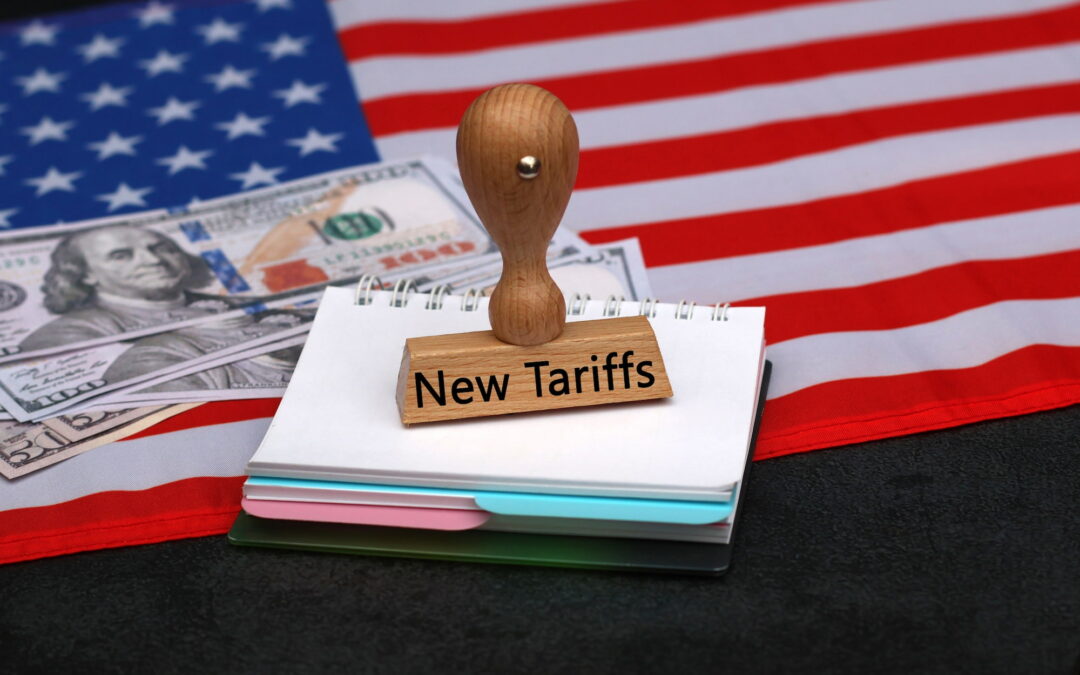
Another contributor to the container surge is the new tariff imports that the Trump Administration recently announced. When in office, Trump will impose a 25% tariff increase on all goods entering the U.S. from Canada and Mexico, along with an additional 10% tariff on goods coming from China. Shippers import cargo before the inauguration date to avoid an increase in cost. The NRF advocated that the Trump administration should deploy the tariffs more strategically instead of using a broad-based method. Along with increasing taxes, the hikes could result in higher logistic and customer costs. The new tariffs and the potential of a port strike create a sense of urgency for shippers.
How Will Shippers Be Affected By A Rise In Container Imports?
As container imports into the U.S. continue to rise, international shipping can have numerous implications. A higher volume of containers arriving at a port may increase the chances of port congestion, resulting In delays. In turn, this could lead to supply chain disruptions, with delays leading to potential shortages of products. The cost for shippers, carriers, and customers may also rise as the demand for transportation increases. Despite the possible adverse impact of a rise in imports on shippers, it could benefit domestic shipping. Drayage services for picking up containers from ports could soon see a significant increase in volume.
When shipping internationally, it is essential to understand how a rise in imports can impact your shipment. This allows the shipper to take preventive methods to protect their supply chain from disruptions. Another way that an importer or exporter can prepare is by using the help of a 3PL (third-party logistics.) provider. 3PLs handle various parts of a shipper’s supply chain, including customs clearance, shipping storage, and more. They ensure a shipment’s success by assisting you through the journey and providing the best course of action. Call A1 Worldwide Logistics at 305-425-9513 or email us at info@a1wwl.com to learn about our 3PL solutions.


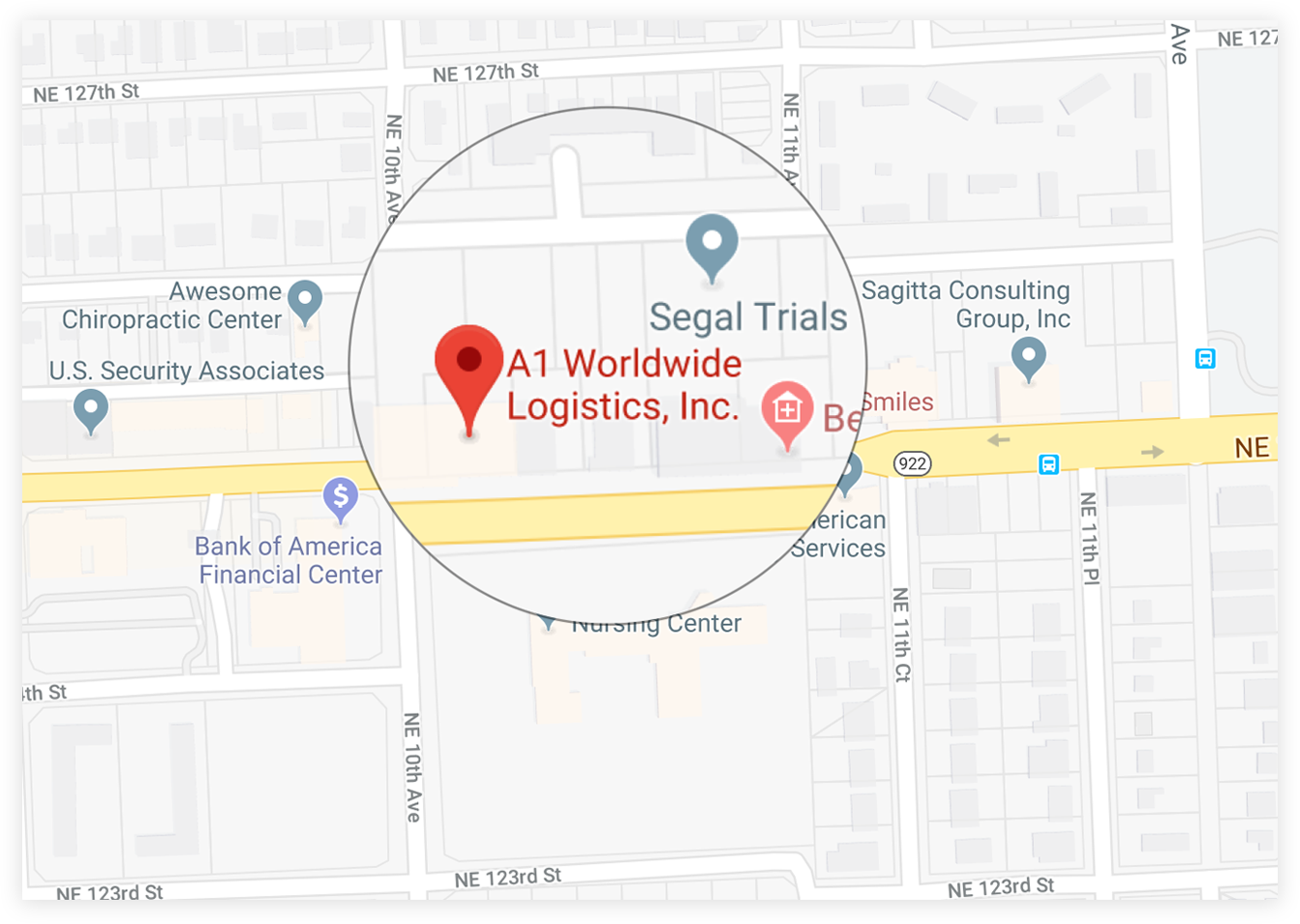
 1035 NE 125th St Suite #320, North Miami, FL 33161.
 a1worldwidelogistics.com
 (305) 821-8995
 Hours: 8AM - 5PM