U.S. Container Imports Returning to Pre-Pandemic Levels
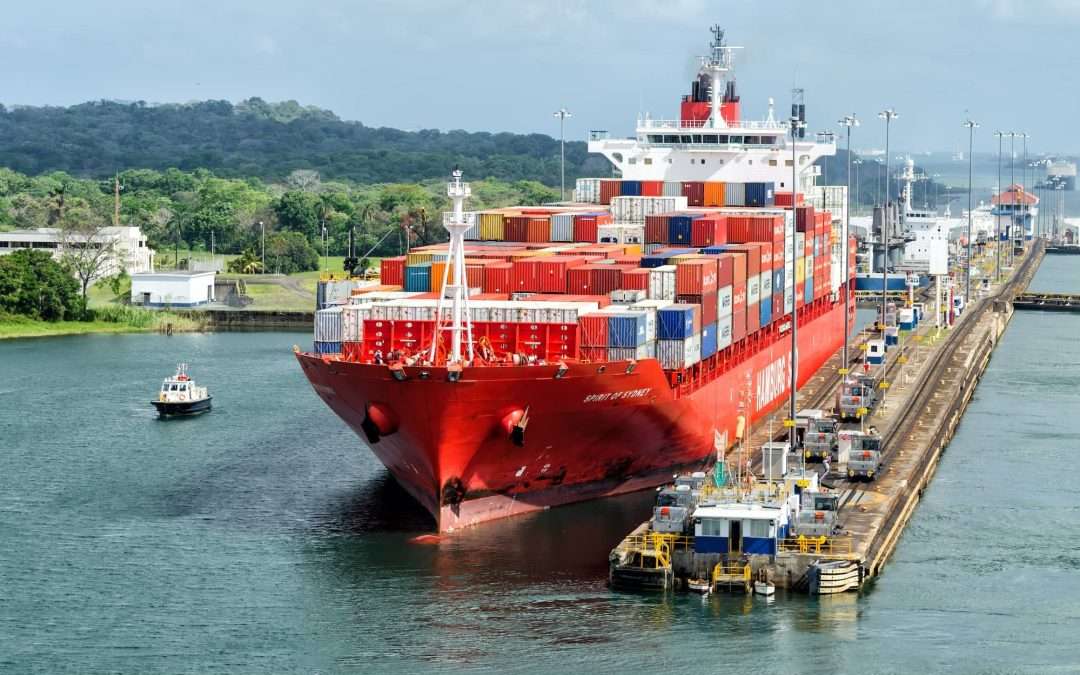
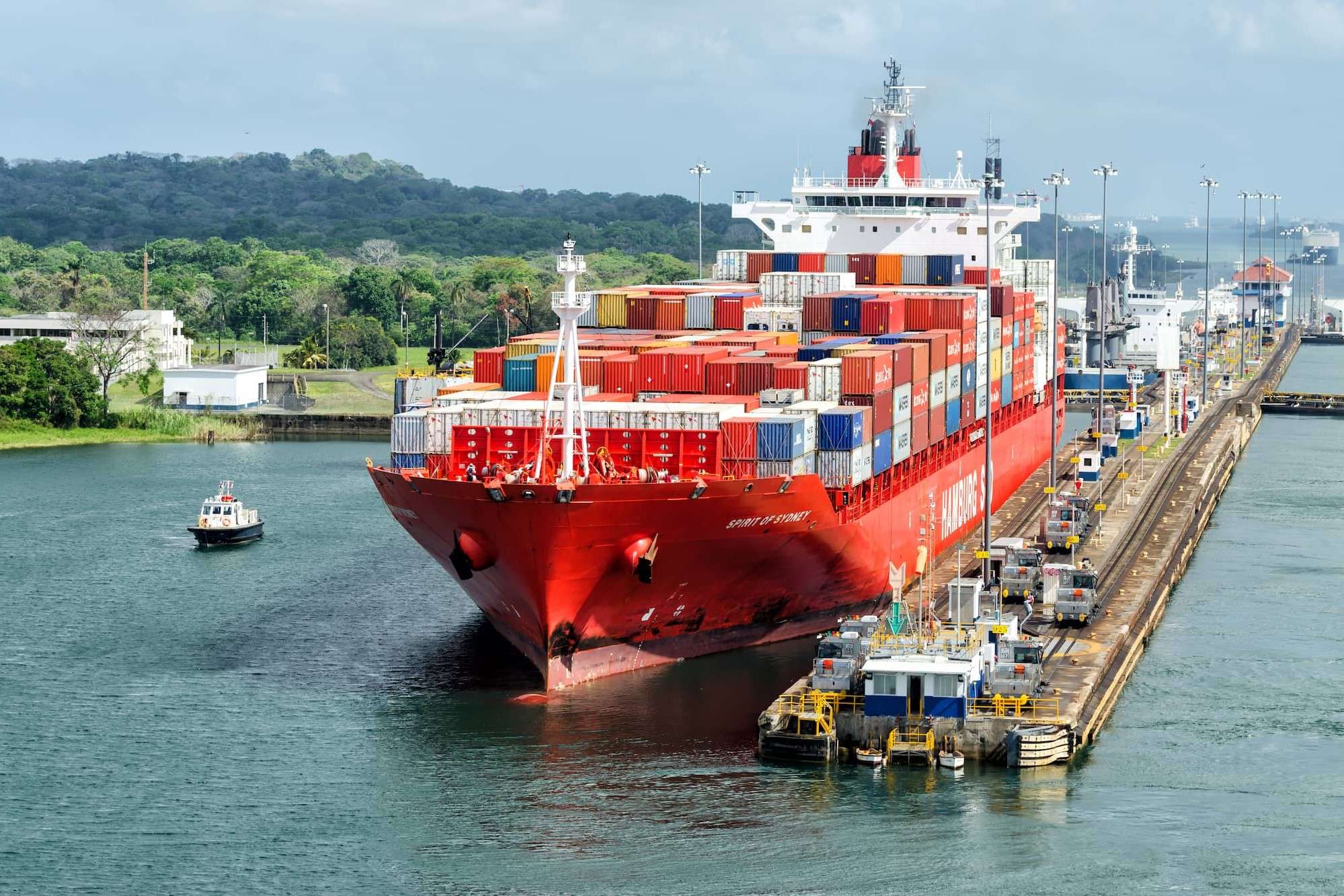
Ports across the United States have recently seen a decrease in container import demands. This surprises many with the high volumes of imports into the U.S. in early 2022. The number of vessels waiting outside Los Angeles/Long Beach ports decreased from over 100 in January to under 30. From May 24 to June 7, container imports dropped an estimated 36%. While some believe this is the calm before the post-Shanghai lockdown storm, others see it as something more positive. Over the past year and a half, COVID has led to massive port congestion and backlogged supply chains. This decline in container ships could be a potential sign of relief.
One of the reasons for the reduction in West Coast ports is carriers moving freight to East Coast ports. The East Coast ports became more attractive after the congestion months ago created a logjam in West Coast ports. What is interesting is that East Coast ports are also facing a reduction in container imports. The drop is leading many to speculate that imports will reach pre-pandemic levels. However, it may be too soon to predict how inflation will impact the international shipping industry in the coming weeks. The vessels that left ports overseas on the trans-Pacific are expected to reach the U.S. by June.
The Impact of Inflation
Inflation has spread worldwide and affected industries such as oil and food. Compared with March last year, inflation has risen an estimated 8.5%, according to the Bureau of Labor Statistics. This is a 40-year high, with the previous high at 7.9% in December 1981. The price increases are due to multiple factors, such as the war in Ukraine and post-COVID demand. The geopolitical risks of the Ukraine war have also led companies to keep their goods in inventory in the U.S. As inventory builds up in the U.S., new orders from overseas slow, decreasing imports.
The price increase may have directly contributed to the decrease in demand. Now that inflation has risen to substantial levels, customers may be spending less on goods than before. With fewer goods purchased, fewer container vessels are being brought into U.S. ports internationally. It may be too early to tell if inflation significantly affected the decrease in U.S. port imports.
Can this Be a Good Thing?
The return of imports to pre-pandemic levels may signal a return to normalcy in the shipping world. Alongside the U.S. port import volumes, container spot rates from China to west coast ports are also declining. On a month-to-month basis, the spot rate has gone down over 30% since March 28, 2022. With container shipping rates lowering, this can tremendously benefit shippers transporting goods internationally. It may cost less to ship freight compared to a year ago. The container capacity to move freight has risen compared to last year, which shippers can take advantage of.
If you need a freight forwarder to move your cargo, contact A1 Worldwide Logistics at 305-821-8995 for assistance. We have a team of experts ready to handle your shipment and provide you with the best quote.