ILA And USMX Reach An Agreement
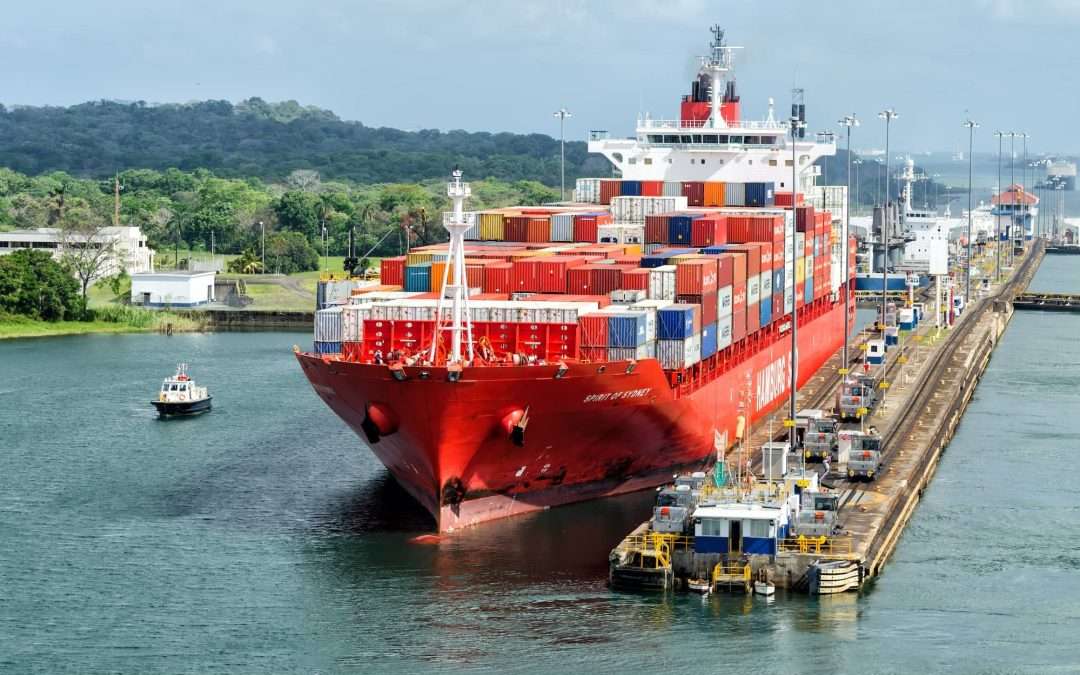
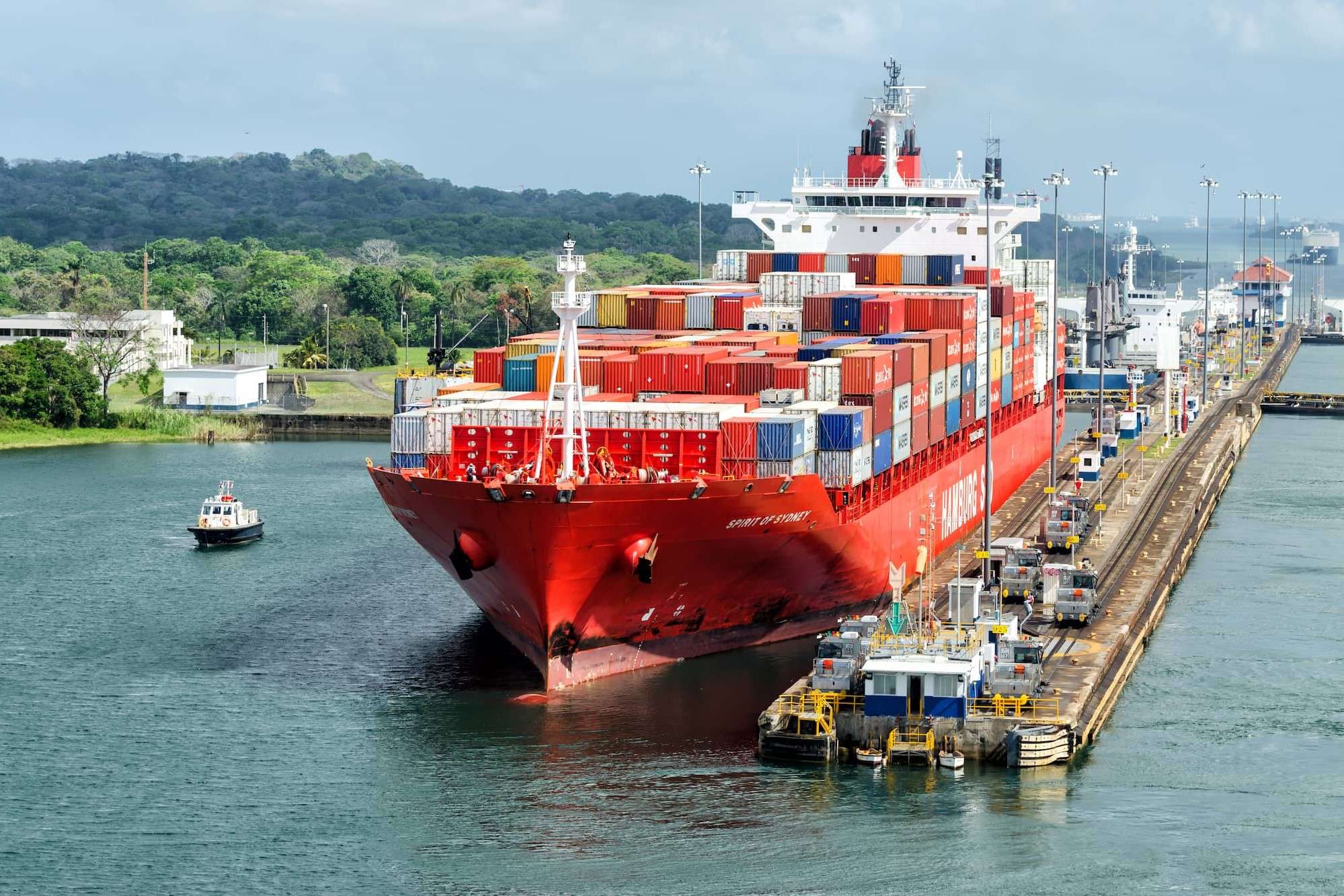
The ILA and USMX reach an agreement nearly a week before the original contract extension expires. In a January 8th, 2025, announcement, the two parties agreed to replace the expiring contract with a tentative 6-year contract. A joint statement stated, “This agreement protects current ILA jobs and establishes a framework for implementing technologies that will create more jobs while modernizing East and Gulf Coast ports.” The new deal encompasses an estimated 25,000 workers across 14 port authorities from Boston, Massachusetts, to Texas. However, the contract does not include ILA workers in RORO (roll-on/roll-off) jobs across the locations. This agreement averted a potential second port strike by the ILA that would have severely disrupted international shipping.
Why Was There A Potential Strike?
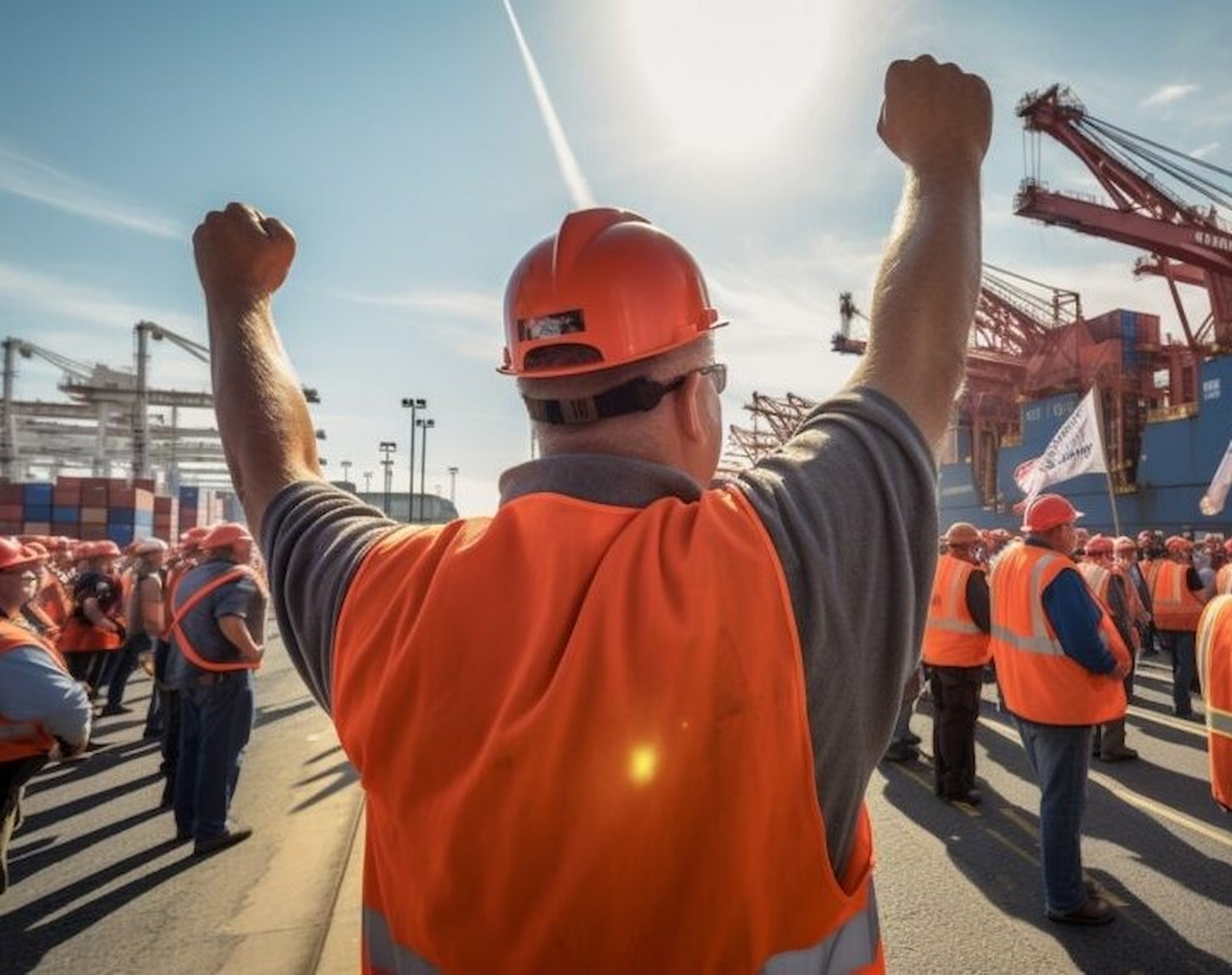
On October 1st, 2024, the ILA had a strike in East and Gulf Coast ports across the U.S. For over a year, the ILA has been protesting for better employee wages and to stop automation at ports. During the pandemic, the USMX made approximately $400 billion in revenue, which the ILA felt was not paid back. Especially with growing inflation and as the cost of living increases. Another issue has been the introduction of automated equipment at ports, which threatens job security. The ILA believes that the USMX is replacing workers to increase corporate profit. USMX has the opposite belief that automation will create an opportunity for new jobs to maintain the equipment.
After a three-day strike in October, the ILA and USMX agreed to extend the contract. Along with a 61.5% pay increase, the extension included a $4 an-hour wage growth yearly over six years. The original contract ending the October 2024 protests expired on January 15th, 2025. Talks that started on January 7th resulted in a finalized master contract between the parties lasting six years. The new contract benefits ILA and USMX by increasing wages and job security while allowing automation. While the two sides will continue to operate under the current contract, they will meet with the Wage Scale Committee to ratify the final terms of the agreement.
What Will Be The Impact As The ILA and USMX Reach An Agreement?
The most significant impact of the new deal is the potential disruptions that the two parties have avoided. Analysts reported that the October 1st strike resulted in an economic deficit of nearly $5 billion daily. A second strike could further hurt the economy, with port stoppage and congestion causing container buildup. With a financial loss for importers and exporters, customers, ports, and truckers felt the strain. The backlogs of containers would have severely hurt businesses by creating massive delays in supply chains.
Trade groups and businesses positively welcomed the news since it provided certainty and avoided further disruptions. Another effect of the new contract is that shippers may regain the confidence to ship internationally. While moving cargo may seem like an opportunity for your business, shippers must take steps to prevent disruptions. This can include speaking to a logistics provider for assistance to get started. Reach A1 Worldwide Logistics at info@a1wwl.com or 305-425-9752 for a quote for importing into or out of the U.S. We are with you from the start of the shipping process until the goods reach the final destination.