U.S. Retail Imports Surging
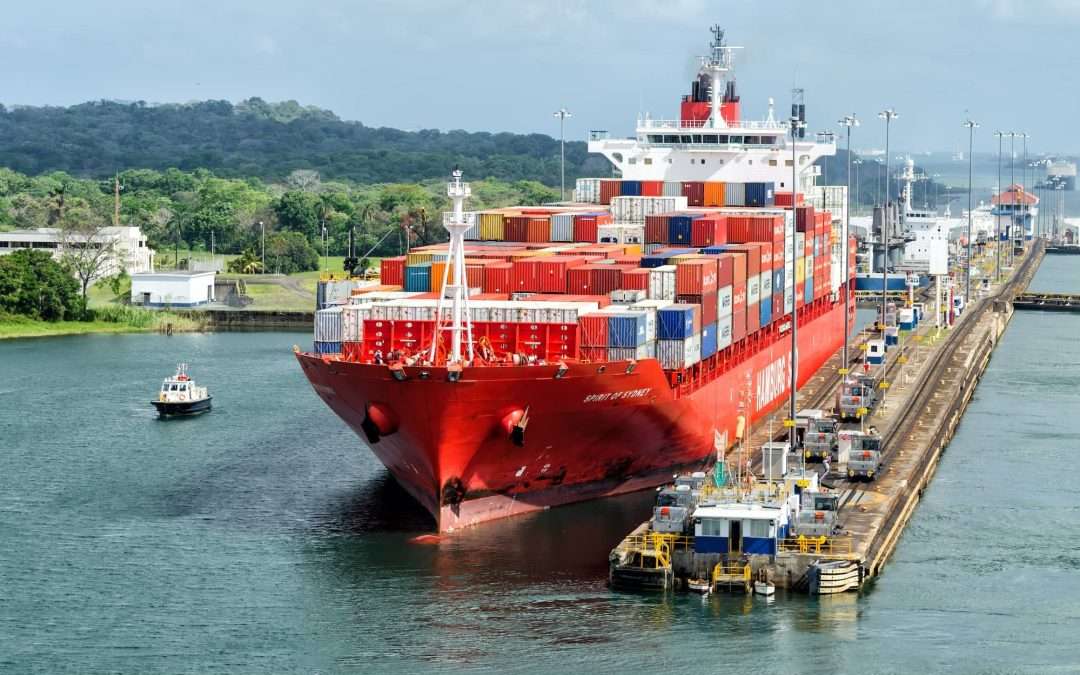
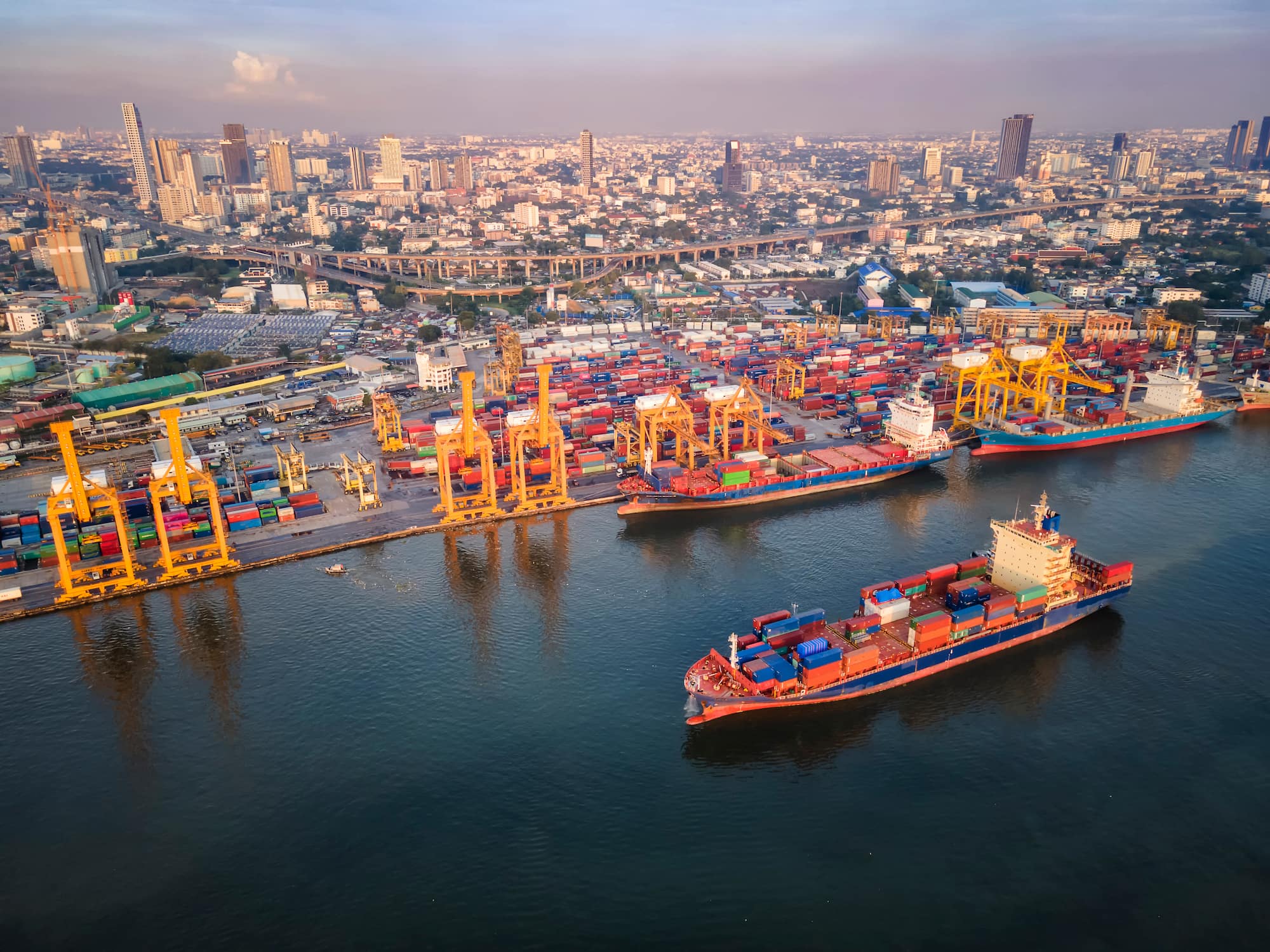
Various situations in the international shipping industry are resulting in U.S. retail imports surging. The Global Port Tracker is predicting that the import volume for December 2024 will be up 14.3% y/y. This number is 19% over the NRA’s (National Retail Association) predicted volume. The NRA also predicted that the total TEUs (twenty-foot equivalents) in 2024 will total 25.6 million. This is more than 15% of the TEUs in 2023. Scenarios from a potential port protest (that shippers avoid) and freight tariffs are causing the surge. This article will explain why importations are surging and how to prepare when importing into the U.S.
Why Are U.S. Retail Imports Surging?
Imports into the U.S. were rising before 2025 due to situations like a port strike. A contract extension between the ILA (International Longshoremen’s Association) and the USMX (United States Maritime Alliance) expired in 2025. Unresolved talks regarding wage increases and automation between the parties have increased the chances of an East and West Coast port strike on January 15th. Due to the fear of port shutdowns, shippers began importing a significant volume in late 2024, including retail freight. Although the parties reached a new contract avoiding a potential shutdown, the NRA predicts that imports will continue to rise. Another reason imports are growing is the tariff increases President Trump will introduce on the first day of office.
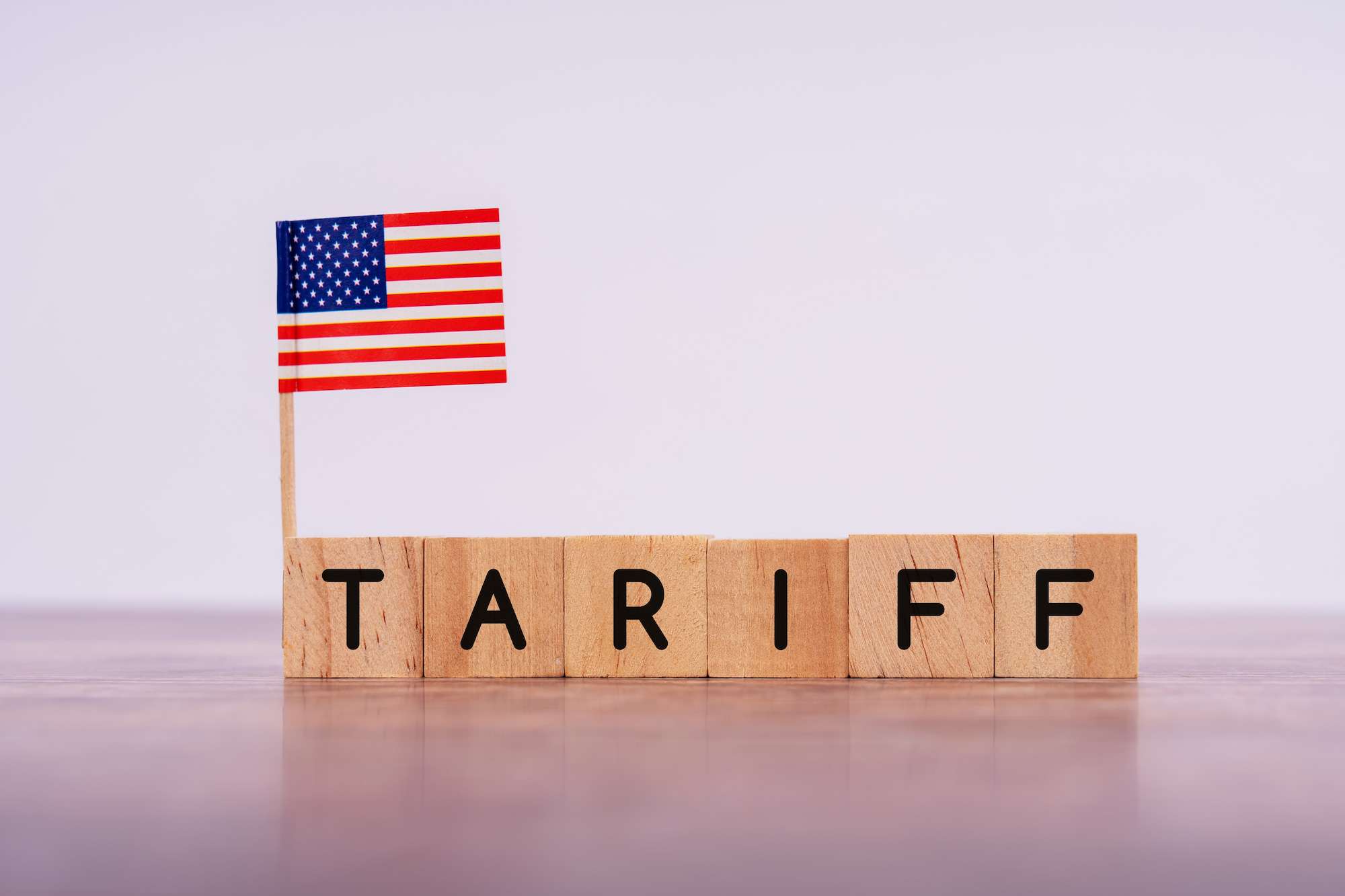
In particular, Trump will impose a tariff increase of 25% on all imports from Mexico and Canada. The hike will also include a 10% tax on all Chinese goods entering the U.S. Retailers import a high volume of cargo before the inauguration date to avoid potential cost increases. The customer will pay these costs. The NRF predicts that the tariffs could cost American customers $46 to $78 billion in annual spending power. To prevent the impact of tariff increases, retailers are looking for solutions like importing from different parts of the world. Various retail companies have already announced plans to reduce imports from China.
Will The Trend Continue To Rise?
Even with Trump imposing tariffs, the NRA believes the momentum will continue through the first quarter of 2024. The NRA predicts that February won’t increase much due to the Chinese New Year. An agreement reached between the ILA and USMX could also decrease the import volume by lessening urgency. Shippers must be ready to navigate scenarios like surging import volumes. When cargo growth comes into U.S. ports, this can sometimes lead to port congestion and delays. To prepare for potential disruptions, a shipper must be current with any news affecting their shipment. They can do this by constantly reading news reports and speaking to professionals.
When importing into the U.S., a shipper must also understand the regulations they must follow. Failure to know the procedure can lead to delays and loss of cargo. Due to the numerous guidelines, it may be beneficial to use the assistance of a customs broker when importing. Customs brokers are individuals or firms that act as intermediaries between importers and U.S. customs. They ensure customs clearance by offering various services like documentation, calculating taxes, and customs compliance. Brokers also educate shippers on the importation process while helping them save time. Contact A1 Worldwide Logistics at 305-440-5156 or info@a1wwl.com to speak to a broker regarding clearing your goods from customs.