Port Labor Talks Are Resuming
Share Article in Social Media
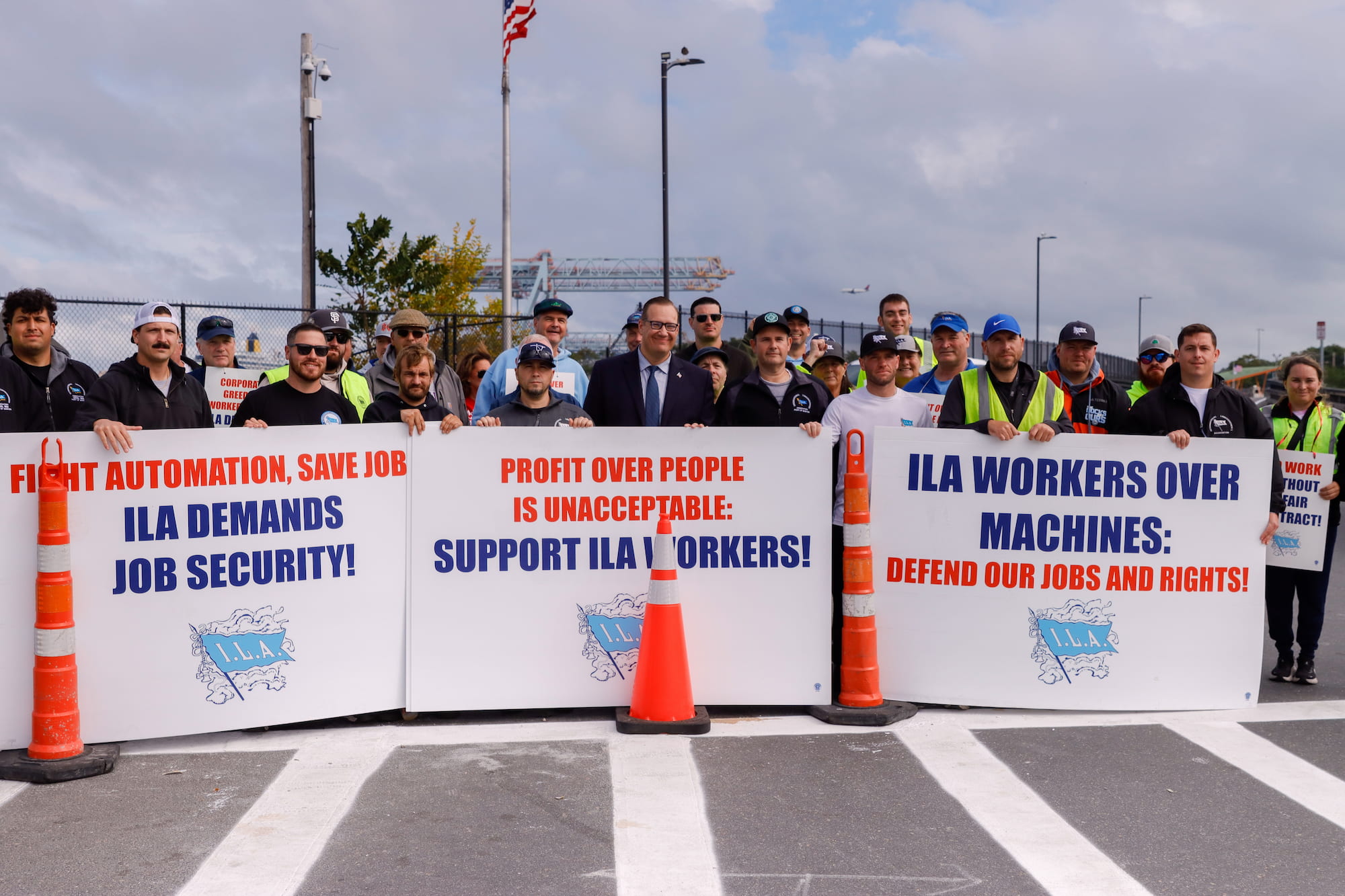
Port labor talks are resuming between employers and dockworkers, with the current contract extension expiring on January 15th. Negotiations between the ILA (International Longshoremen’s Association) and the USMX (United States Maritime Alliance) have stopped since October 2024. The pause was after a strike on October 1st that lasted after three days. A tentative agreement ended the protest by extending the existing contract to January 15th, 2025. The agreement promised an hourly pay increase of 10% in the first year and 62% over the six-year deal. Over the last year, ILA workers have been protesting for higher and against using automation at ports. Specifically, they are fighting for wage hikes like West Coast ILWU dockworkers received in 2022.
During and after the pandemic, international shipping rates surged to incredible amounts. Specific container rates rose from $2,500 to $12,000. From 2020 to 2023, the USMX reportedly made nearly $400 billion. ILA President Harold Daggett noted, “Since COVID, they’re making billions of dollars, but they don’t want to share it.” International shipping companies have already announced container surcharges in the scenario that a strike does occur. They advise customers to retrieve their containers and return empty ones before January 15th. If the parties fail to reach an agreement by the date, associations like the NRF (National Retail Federation) are pushing for another extension.
The Reason Why Port Labor Talks Are Resuming
The reason why negotiations are resuming is to avert a situation similar to October’s port strike. While the October strike only lasted three days, a potentially longer one can have numerous consequences. Analysts approximate that a prolonged strike can result in an economic loss of $0.5 to $5 billion daily. Numerous supply chains rely on the ports, and disruptions can lead to delays and monetary loss. Shippers have already rerouted their shipments to ports away from ports affected by possible protests. The results of the talks are noteworthy, with East and Gulf Coast ports handling significant volumes of U.S. imports.
Automation Is A Primary Concern In The Talks
Although the October 2024 talks ended the strike last year, they did not address the issue of port automation. Automation is a huge concern due to the belief that it threatens the job security of ILA dockworkers. Dennis Daggett, the union’s vice president, stated, “It’s about replacing workers under the guise of progress while maximizing corporate profits.” The ILA also doubts the effectiveness of implementing automated systems and that the cost will outweigh the productive gains. Conversely, the USMX argued that semi-automated cranes are essential for improving efficiency and making U.S. ports competitive globally. Ports in countries like China have increased the volume of cargo movement due to these technologies.
The USMX also believes that automation will create new jobs for handling and maintaining the strategies. President-elect Donald Trump has backed the ILA’s stance against automation, noting that it will hurt American workers. Despite the concern that a potential port strike may cause, it should not stop you from moving your shipment. You should, however, take preventive steps beforehand and be up-to-date with the current situation. Reach A1 Worldwide Logistics at info@a1wwl.com or 305-425-9513 for a quote to move your goods internationally. We find the best action to ensure cargo moves to the final destination.


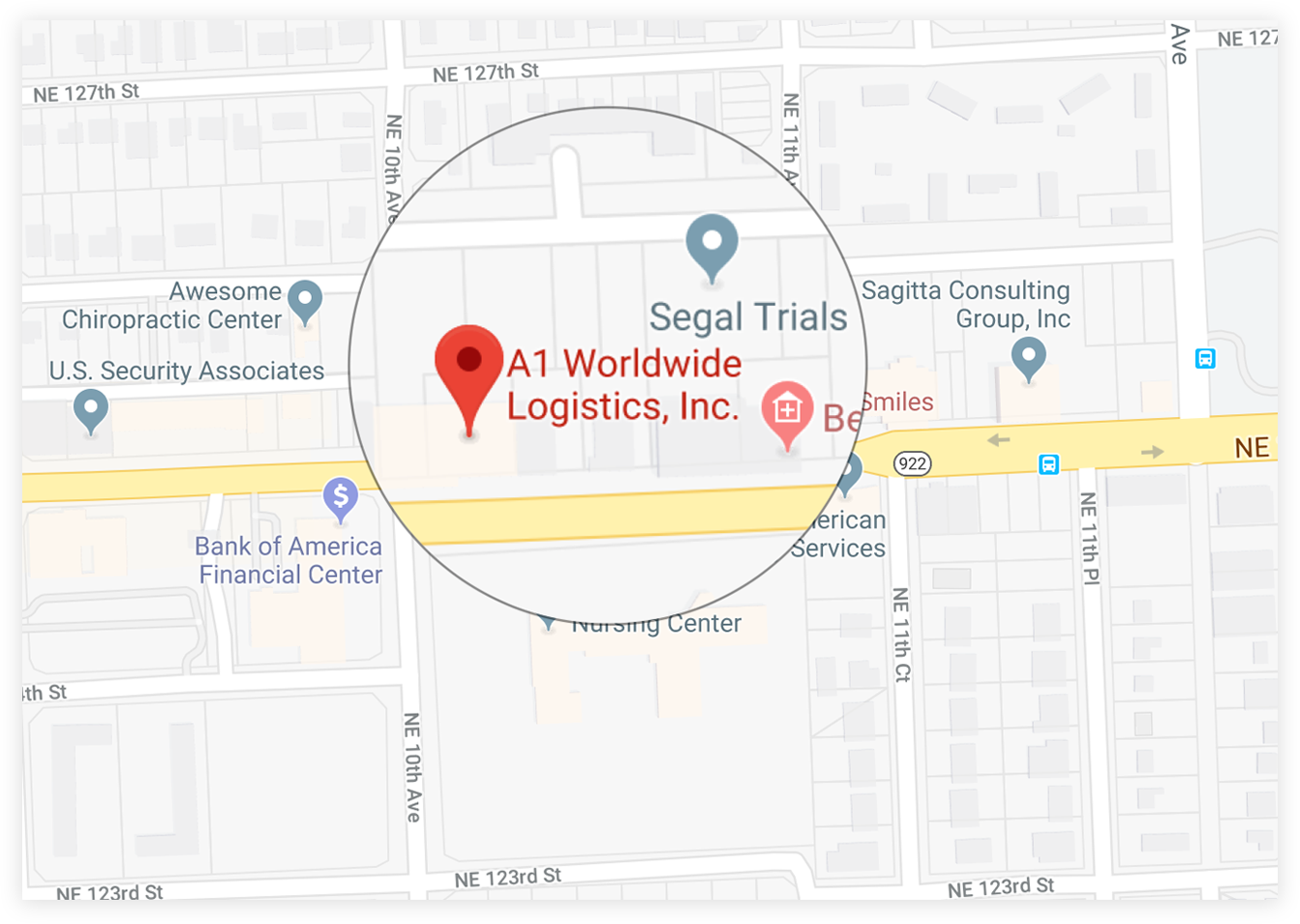
 1035 NE 125th St Suite #320, North Miami, FL 33161.
 a1worldwidelogistics.com
 (305) 821-8995
 Hours: 8AM - 5PM