Reciprocal Tariffs Will Be Softer
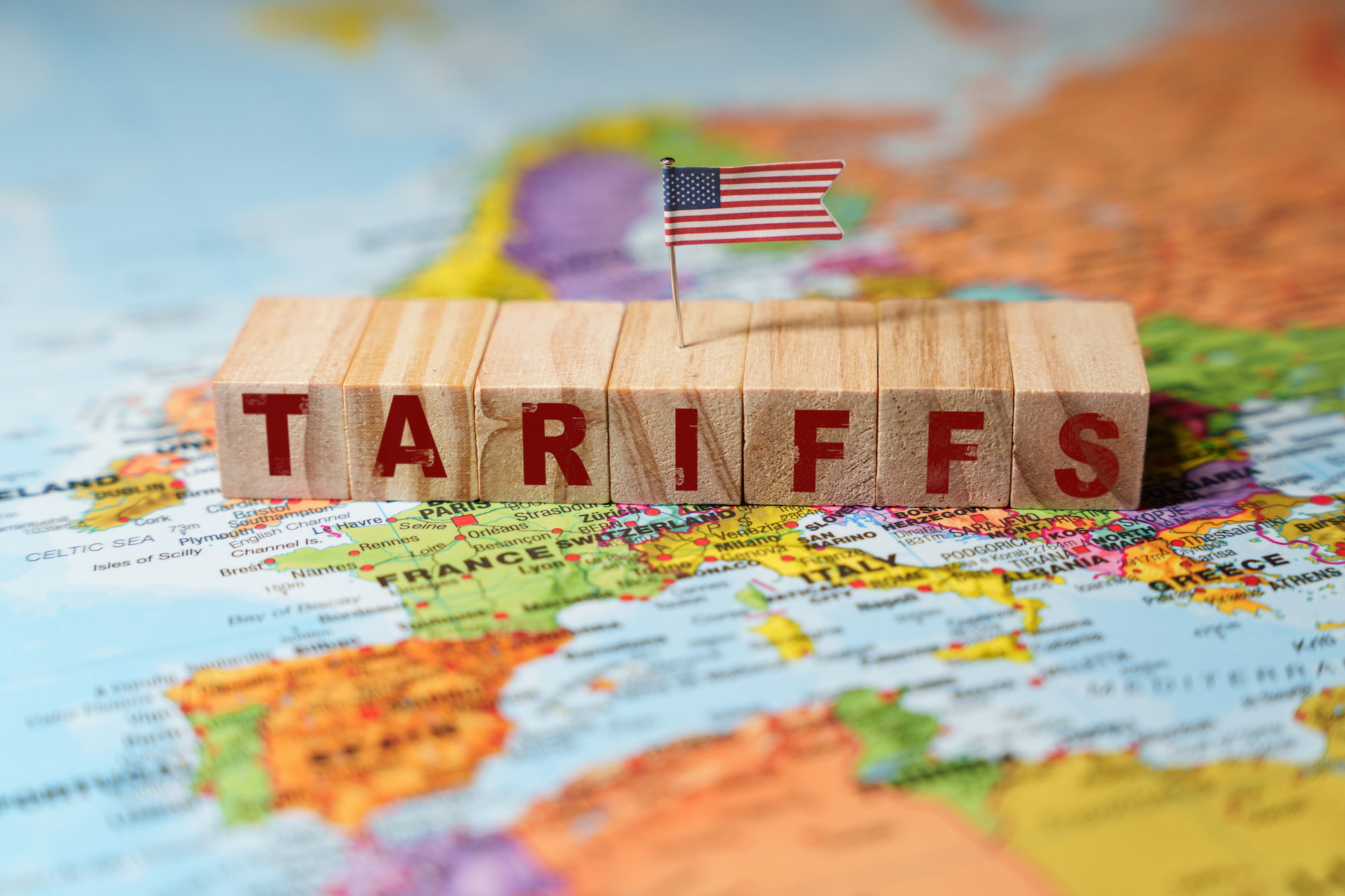
As the April 2nd date approaches, the Trump administration announced that the reciprocal tariffs will be softer than anticipated. Earlier this year, President Trump signed an executive order to implement mutual taxes on imports from U.S. trade partners. These are separate from recent ones Trump released for steel and aluminum imports and specific countries. The order was to address unfair trade imbalances by other countries. By matching tariffs that other nations place on imports from the U.S., Trump is pressuring them to reduce theirs. The central countries affected include China, Canada, Brazil, Mexico, and the European Union. As the date nears, Trump said he will likely be more lenient than reciprocal.
Why Reciprocal Tariffs Will Be Softer
On Monday of this week, Trump revealed that the reciprocal tariffs won’t be as wide-ranging as initially proposed. He stated, “I may give a lot of countries breaks. It’s reciprocal, but we might be even nicer than that.” The reason behind the leniency is that Trump believes that if it were reciprocal, it would be difficult for importers. While Trump has proposed to soften the tariff’s impact, he has plans to announce extra tariffs soon. In particular, for imports like pharmaceuticals, lumber, semiconductor chips, autos, and aluminum. April 2nd is also when USMCA exemptions for Trump’s 25% tariffs on Canada and Mexico imports expire.
Along with leveling the trading field with other countries, Trump is implementing tariffs to bring manufacturing back to the U.S. This will stimulate the economy by creating jobs and increasing U.S. production. It could also benefit the trucking industry by improving the freight volumes that shippers move domestically. Economists and companies in the U.S. have a separate belief that it would hurt the economy and raise prices. Another goal behind the tariffs is to address drug trafficking and illegal immigration. The majority of fentanyl that smugglers bring into the U.S. comes from China and Canada. Countries targeted by U.S. tariffs, like Canada, China, and the EU, have announced retaliatory measures against the U.S.
The Tariffs Will Still Impact International Shipping
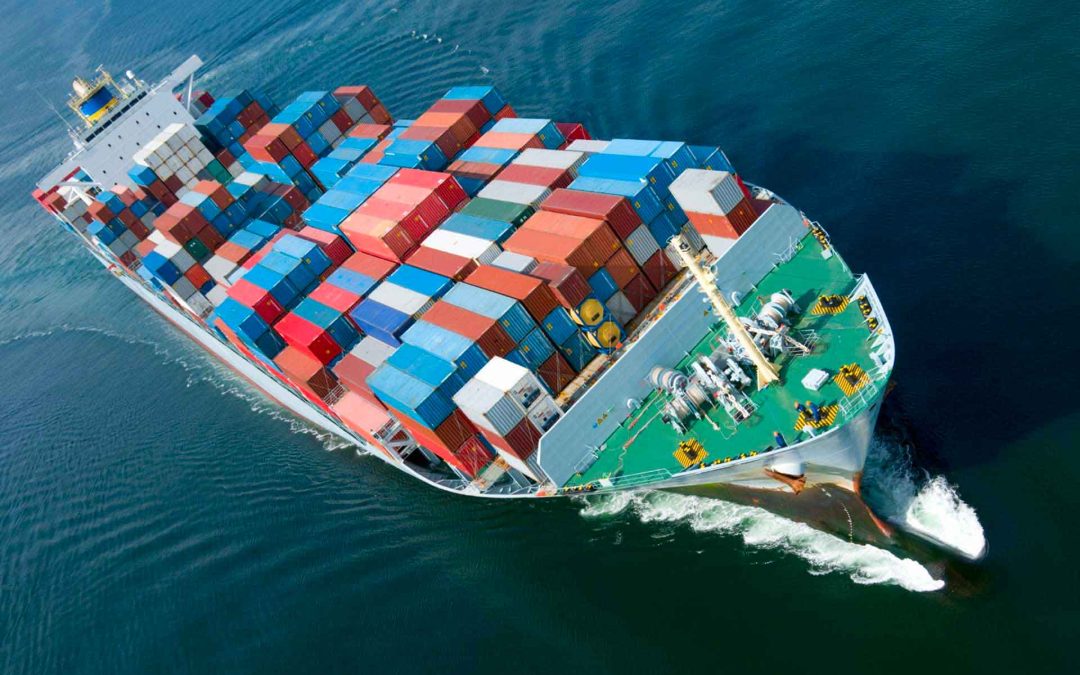
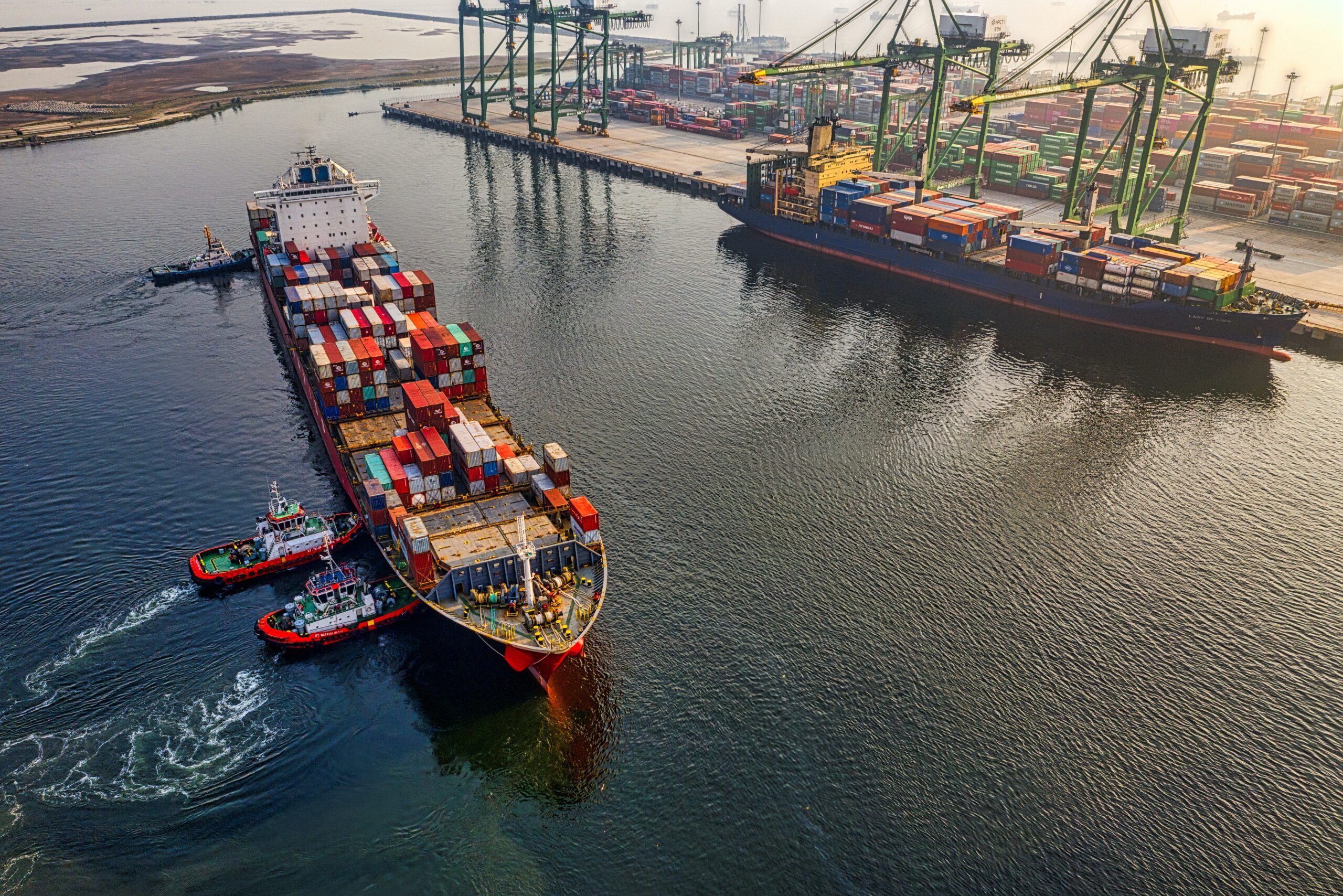
Despite the reciprocal tariffs potentially being softer, they will still have a major effect on the international shipping industry. In 2024, The U.S. imported nearly 13.5% of goods totaling approximately $3.35 trillion, making it the most significant importer globally. Countless supply chains could feel increased import costs that could fall on the customer. Shippers also fear that other countries will retaliate, leading to a trade war that will increase tariff hikes. Another effect is that supply chains that require international shipping could face disruptions from adjusting to the tariffs. Readjusting trade routes and relocating manufacturing to other countries can be challenging and costly.
Bringing goods into the U.S. can seem intimidating and stressful to importers, especially with potential tariffs. Being unprepared can result in delays, cargo loss, and extra expenses. This can especially look bad if you are an importer with customers receiving your shipment. Speaking to a customs broker is an ideal way to protect your cargo when importing. Brokers coordinate the clearance of an import by ensuring that they comply with a country’s customs regulations. They also offer various services, including documentation, paying duties, filing customs entries, and more to ensure your shipment’s success. Reach A1 Worldwide Logistics at 305-440-5156 or info@a1wwl.com to speak to a broker regarding importing into the U.S.