The Chinese New Year isn’t just a celebration — it’s a major moment for global supply chains 🌏🚢 With factories and families celebrate, international shipping can slow dramatically.


The Chinese New Year isn’t just a celebration — it’s a major moment for global supply chains 🌏🚢 With factories and families celebrate, international shipping can slow dramatically.
Exportar desde Estados Unidos ofrece acceso a mercados globales y grandes oportunidades de crecimiento. Sin embargo, el proceso también implica desafíos importantes que pueden afectar tanto a exportadores nuevos como experimentados. La falta de preparación puede generar retrasos, costos adicionales e incluso la pérdida de la carga.
A message that your shipment is stuck at customs is the last response that a shipper wants to receive. This is especially true for cargo that is time-sensitive freight, like perishable or products for selling. The U.S. Customs and Border Protection (CBP) is responsible for safeguarding the country against importing dangerous goods. Its primary purpose is to facilitate lawful international trade and prevent terrorists and their weapons from entering the U.S. CBP has to carefully check cargo when entering the country and may sometimes put the shipment on hold. While there are many reasons why customs detains your goods, there are ways to prevent this from happening.
As previously mentioned, CHB has to prevent the importation of goods that the U.S. prohibits from entry. Because of this, a common reason why goods may be stuck at customs is because they are illegal. Examples include absinthe (Alcohol), bush meat, dangerous toys, dog/cat fur, etc. Customs can hold other items like firearms due to restrictions the U.S. places on them. Importers of guns and ammunition require a Federal firearm license (FFL) before shipping into the U.S. Another reason customs may hold your freight is incorrect valuation. The customs value is the total monetary amount of the shipment brought to a country.
Customs is in charge of valuing the goods the importer brings to the U.S. from other countries. If the cargo the shipper imports does not have the correct value, customs will hold it for clarification. This can include revaluing of the taxes based on their pricing. Another common cause of customs holding your freight is an incorrect HTS Code. The Harmonized Tariff Schedule (HTS) is a system used to determine the duty rates for U.S. imports. Every item has a specific code to classify it, and an incorrect number can mess up the paperwork.
Another reason customs might hold up your goods is missing or incorrect paperwork. Some of the documents a shipper requires when importing to the U.S. include:
The documents listed are some of the few a shipper requires for importation; however, the cargo determines the additional forms. For example, a vehicle may have different documentation than construction materials. It is essential that there are no errors in the paperwork, and the shipper fills everything out correctly.
While this article explains why customs may hold your cargo, other reasons exist. The amount of regulations for entry can confuse beginners and even regular shippers. The best way to prevent your goods from getting stuck at customs is by having a customs broker handle the clearance process. Customs brokers guide shippers through the importation process and ensure that the importer meets all requirements. They also submit all of the paperwork on behalf of the shipper. Contact A1 Worldwide Logistics at 305-821-8995 to speak to our experienced broker. We also provide other logistics solutions, like drayage services, to move your goods to the final destination when they arrive.
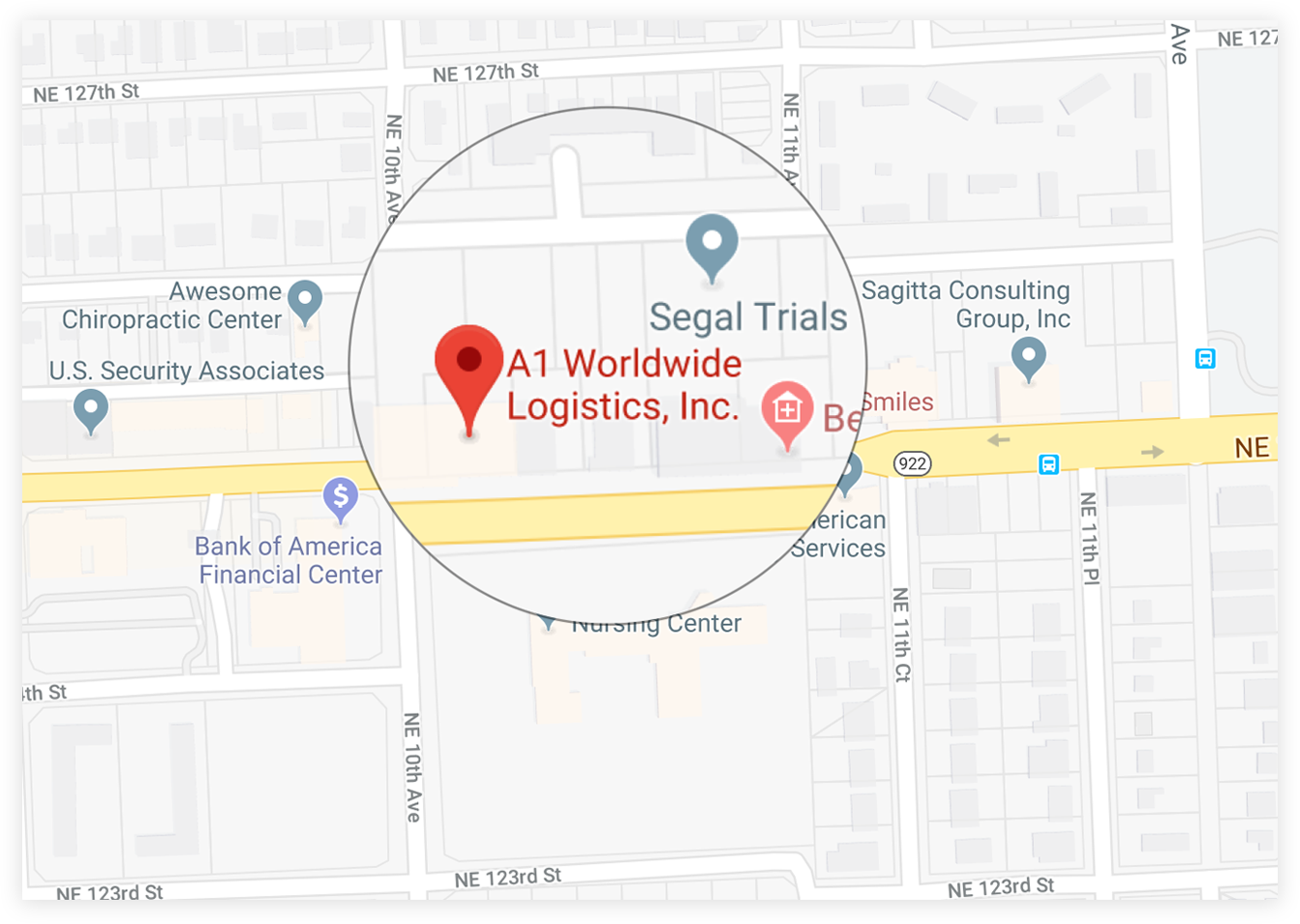
 1035 NE 125th St Suite #320, North Miami, FL 33161.
 a1worldwidelogistics.com
 (305) 821-8995
 Hours: 8AM - 5PM