In a Landmark decision, the Supreme Court ruled against Trump’s tariffs imposed under the International Emergency Powers Act (IEEPA).


In a Landmark decision, the Supreme Court ruled against Trump’s tariffs imposed under the International Emergency Powers Act (IEEPA).

The Chinese New Year isn’t just a celebration — it’s a major moment for global supply chains 🌏🚢 With factories and families celebrate, international shipping can slow dramatically.
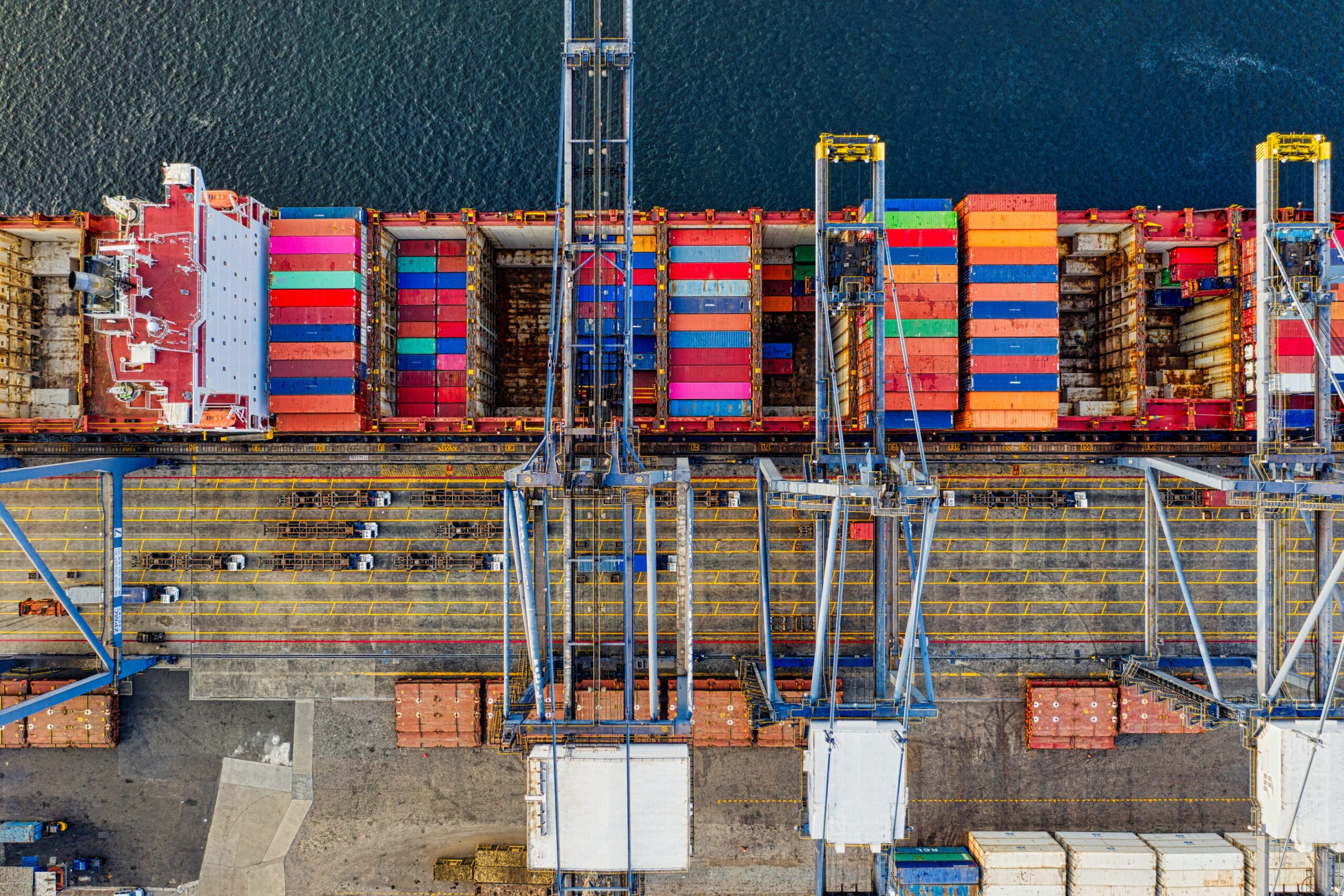
Sometimes referred to as hazmat, a shipping hazardous material can be described as any material that may pose a potential threat to safety, health, and the environment. Because of this, there are specific regulations that have to follow when shipping these types of goods. The rules may differ relative to the method of conveyance, but we will focus on air and ocean freight.
Shipping by Ocean
The International Maritime Organization sets the safety and security measures for international freight moving across the ocean. The IMO categorizes hazardous goods into various classes and some of the classes are grouped further into divisions with the class. For example, class 2 contains dangerous gasses and division 2.2 contains non-flammable gasses. Along with the typical documents that are required when shipping freight internationally, additional information such as the declaration of hazard goods, classification, and emergency phone numbers are needed for shipping HAZMAT.
When the hazardous freight is transported on the ocean, it may be in a large bulk which requires that the handling of the freight is very distinct. This can mean that that the HAZMAT cargo is separated from the rest of the cargo. The workers on the ship may have to report the details of the goods to the maritime authorities before entering the destined port.
Shipping by Air
The International Air Transport Association is responsible for setting the regulations for safety for transporting goods by air and similar to the IMO, has classifications that the hazardous goods being transported fall into. To verify if your freight is hazardous acquire a Safety Data Sheet (SDS) which can usually be obtained by the manufacturer of the goods being shipped.
When transporting, the packing is set into various groups from 1-3 depending on how much packaging is required with 1 being the highest amount. Supplementary info is also needed for hazardous airfreight and the goods may not be allowed on the aircraft if the authorities do not have proper documentation.
A1 Worldwide Logistics
Navigating the world of international freight may sometimes be challenging, even more so if you plan on transporting hazardous goods. If you want to understand the necessary requirements or are planning on shipping materials that would be considered hazardous, contact us at 305-821-8995 to help you out.
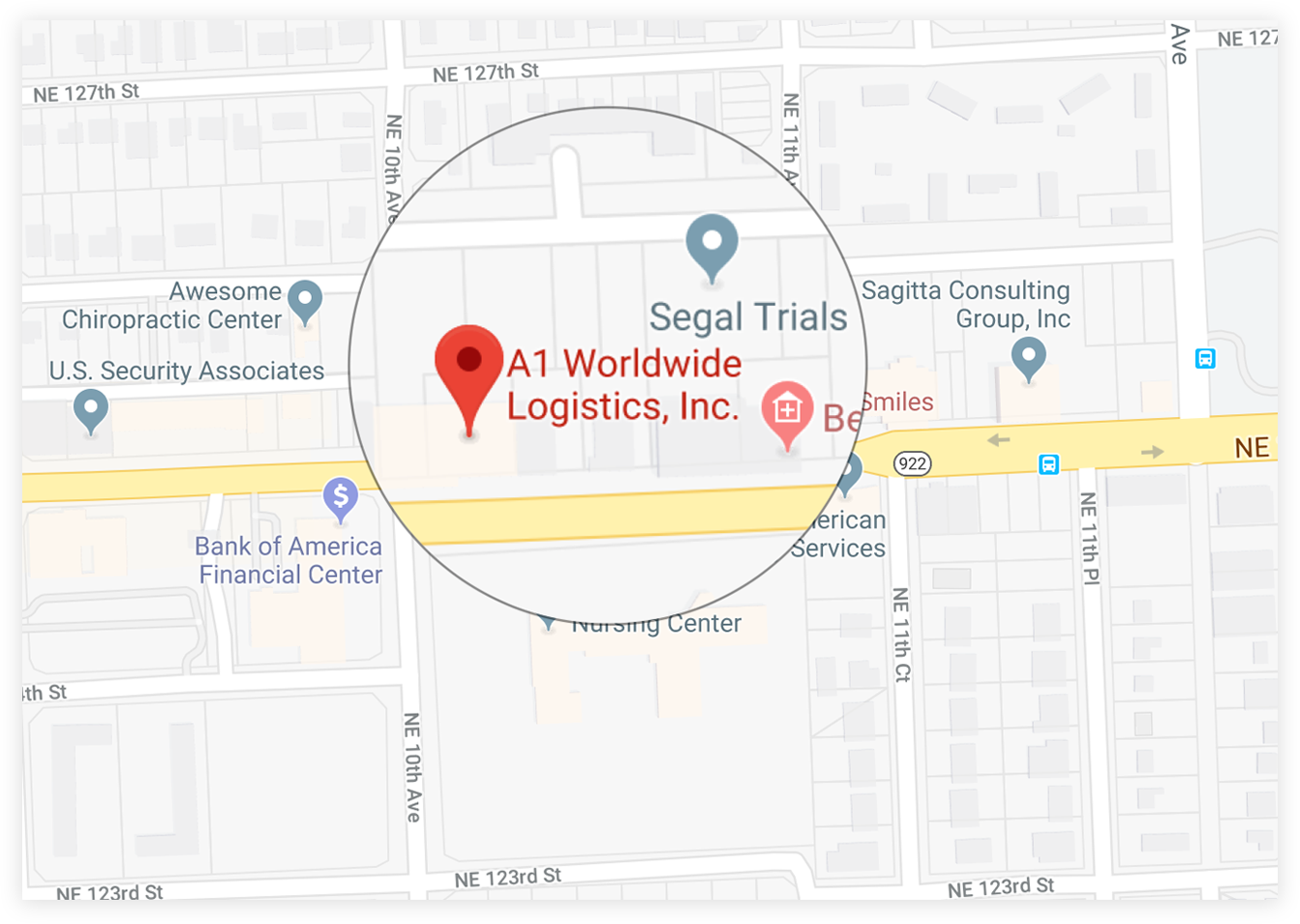
 1035 NE 125th St Suite #320, North Miami, FL 33161.
 a1worldwidelogistics.com
 (305) 821-8995
 Hours: 8AM - 5PM