Supreme Court Ruled Against Trump’s Tariffs
Share Article in Social Media
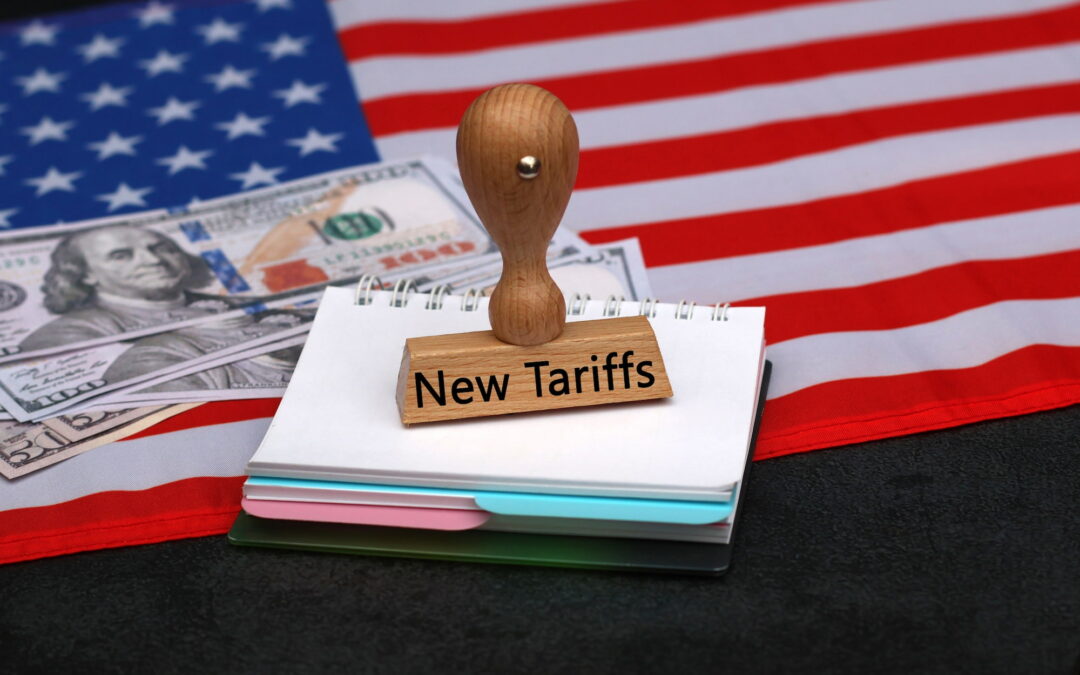
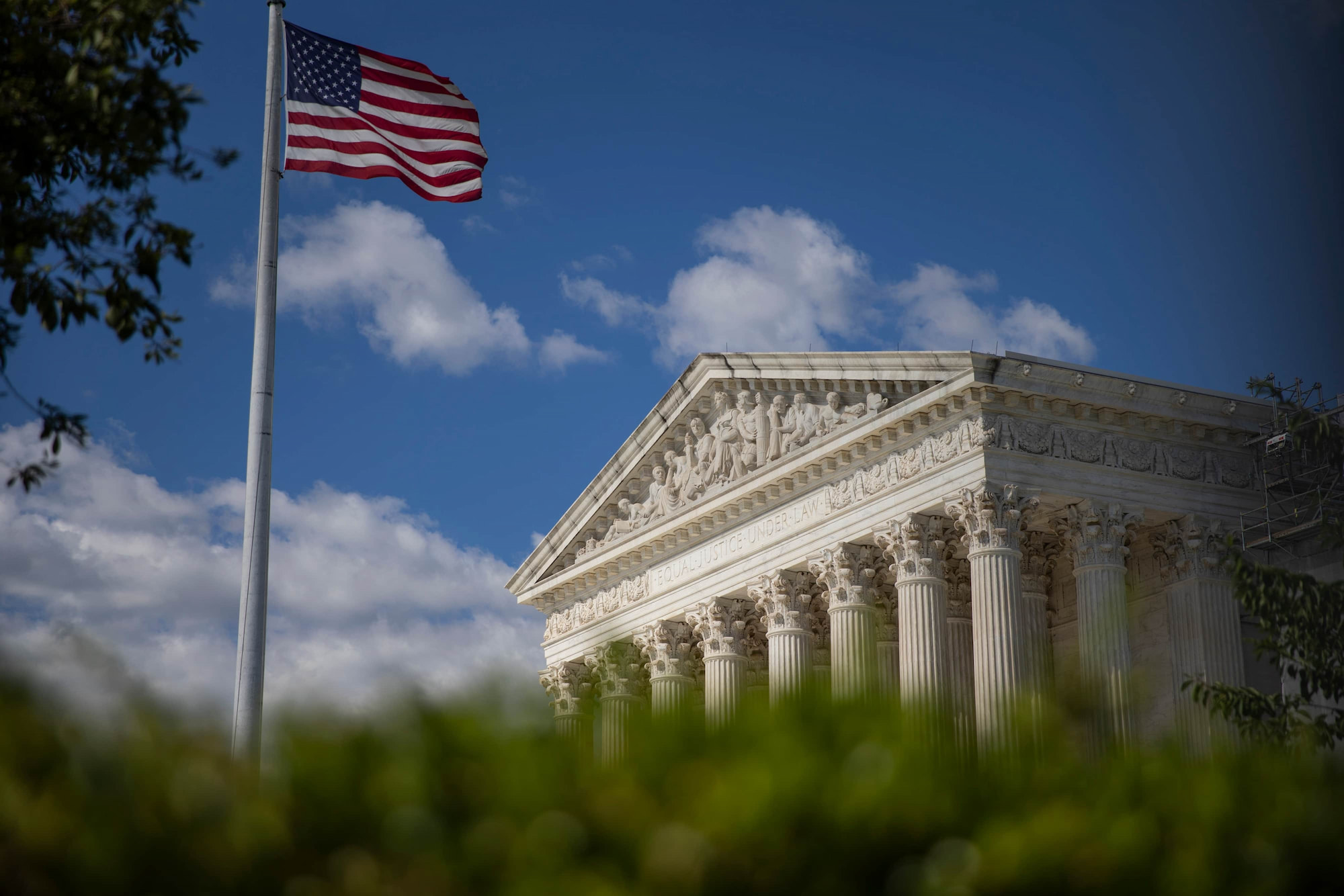
The Supreme Court ruled against Trump’s tariffs imposed under the International Emergency Powers Act (IEEPA) in a landmark decision. In April 2025, President Trump issued sweeping reciprocal tariffs on all countries importing into the US. Months after the announcement, an appeals court ruled that Trump’s tariffs were illegal in a 7-4 decision. Following the decision, the Supreme Court announced that it would hear the case, and an oral announcement began in November 2025. Due to the case’s significance, the court justices agreed to decide it on an expedited timeline. On February 20, 2026, the Supreme Court ruled that Trump exceeded his authority in imposing levies.
Why The Supreme Court Ruled Against Trump’s Tariffs.
In a 6-3 decision, the Supreme Court justices concluded that Trump could not rely on the IEEPA to impose levies. The belief is that the president cannot impose broad tariffs without definite congressional approval. This affirmation reaffirms that the power to levy taxes lies with Congress. The Trump Administration’s original argument for the levies was to address unfair practices by trading partners and boost the economy. Economists believed it would have a negative effect, hurting the economy by creating inflation. Although reciprocal tariffs issued under the IEEPA were struck down, others issued by Trump under separate laws remain. The president could also use other legal authority to reimpose tariffs.
Trump Response to Supreme Court Tariff Ruling
President Trump’s immediate response was to disapprove of the ruling and express disappointment with the justices. Trump further announced a 10% global tariff under a different legal authority (Section 122 of the Trade Act of 1974). Section 122 replaces the invalidated tariffs for up to 150 days. There is a potential that the Trump Administration may also impose Section 338 of the Tariff Act of 1930. This act allows the president to impose tariffs up to 50% on imports from countries that “discriminate” against the US.
What Can This Mean For Shipping?
Given the volume of goods entering the US, the Supreme Court’s decision will significantly impact shippers. Importing into the US could become less expensive, leading to more goods entering the country. Despite the removal of tariff pressure on international shipping, uncertainty remains in the industry. With the court declaring the tariffs unlawful, importers could be entitled to refunds. Even if refunds happen, only those who meet strict deadlines and compliance protocols may be eligible. We Pay The Tariff, a coalition of 800 small businesses, has begun demanding refunds, launching a national sign-on letter to the Trump Administration and Congress for “full, fast, and automatic” tariff refunds. Currently The Supreme Court does not provide specific guidance for a refund process.


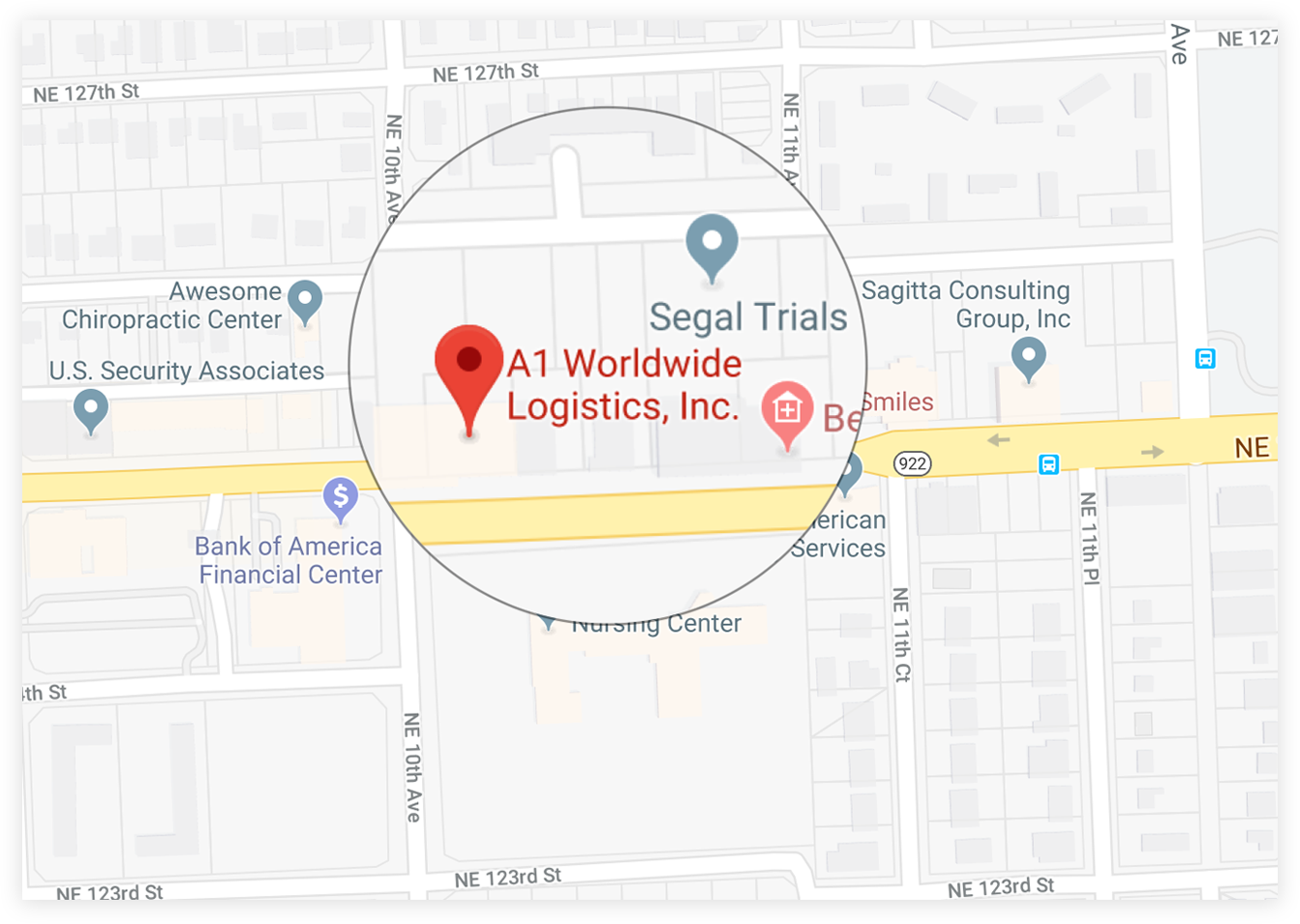
 1035 NE 125th St Suite #320, North Miami, FL 33161.
 a1worldwidelogistics.com
 (305) 821-8995
 Hours: 8AM - 5PM