Supreme Court Ruling On Tariffs
Share Article in Social Media
A final Supreme Court ruling on tariffs imposed by the Trump Administration could come as early as Friday. Friday, January 9, will be an opinion day where the Supreme Court will discuss and potentially make a decision. In 2025, Trump imposed levies under the International Emergency Economic Powers Act (IEEPA), which is currently before the Supreme Court. Given the urgency of the situation, the Court agreed to expedite the review. A final decision will have a significant impact on international shipping and could reshape US trade policy.
What Will The Court Be Deciding On?
The primary decision would be on the legality of President Trump’s tariffs imposed under the IEEPA. In 2025, two federal courts ruled that the tariffs were illegal in a 7-4 decision. The argument was that Trump lacks the authority to impose the levies without explicit congressional approval. Following the verdict, the president requested an immediate review, citing national security as a justification for IEEPA tariffs. Trump also argued that the levies have collected billions for the US economy. In a social media post, Trump said the ruling against the tariffs would be a “terrible blow” to the US economy.
What Could The Supreme Court Tariff Ruling Mean For Shipping?
The final ruling could significantly impact international shipping. If the Court rules that the tariffs are illegal, the US government could be required to refund importers billions of dollars. Shippers must understand that only those who meet strict deadlines and comply with protocols are eligible. If the Court rules Trump’s tariffs legal, his presidential powers may expand, potentially leading to unilateral tariff enforcement. Along with rising costs for US importers, this could continue to strain relations with US trade partners. There is also a chance of potential retaliatory tariffs.
Regardless of the ruling, your shipment mustn’t be disrupted during this period of uncertainty. The shipper should, however, take appropriate steps to prevent delays, financial losses, and cargo loss. In addition to staying current with news and regulations, shippers can prevent disruptions by engaging a freight forwarder. Forwarders act as intermediaries between shippers and carriers, coordinating cargo movement. They do this by offering services like international and domestic shipping, customs clearance, warehousing, and more. Speak to our forwarders at info@a1wwl.com or 305-425-9752 for assistance with exporting and importing into the US.



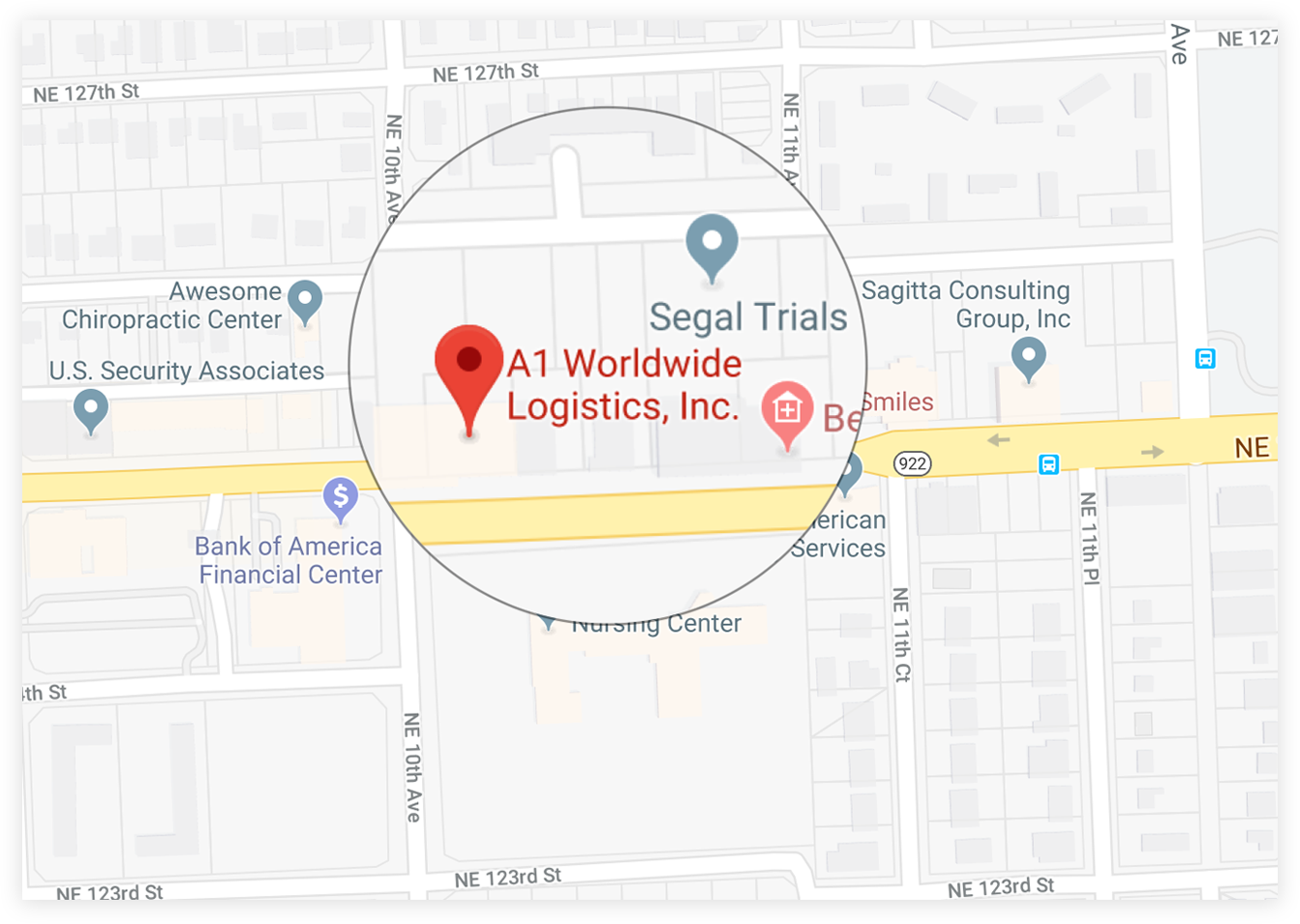
 1035 NE 125th St Suite #320, North Miami, FL 33161.
 a1worldwidelogistics.com
 (305) 821-8995
 Hours: 8AM - 5PM