by A1 WorldWide Logistics | Oct 24, 2024 | Shipping Logistics, Supply Chain, Transportation
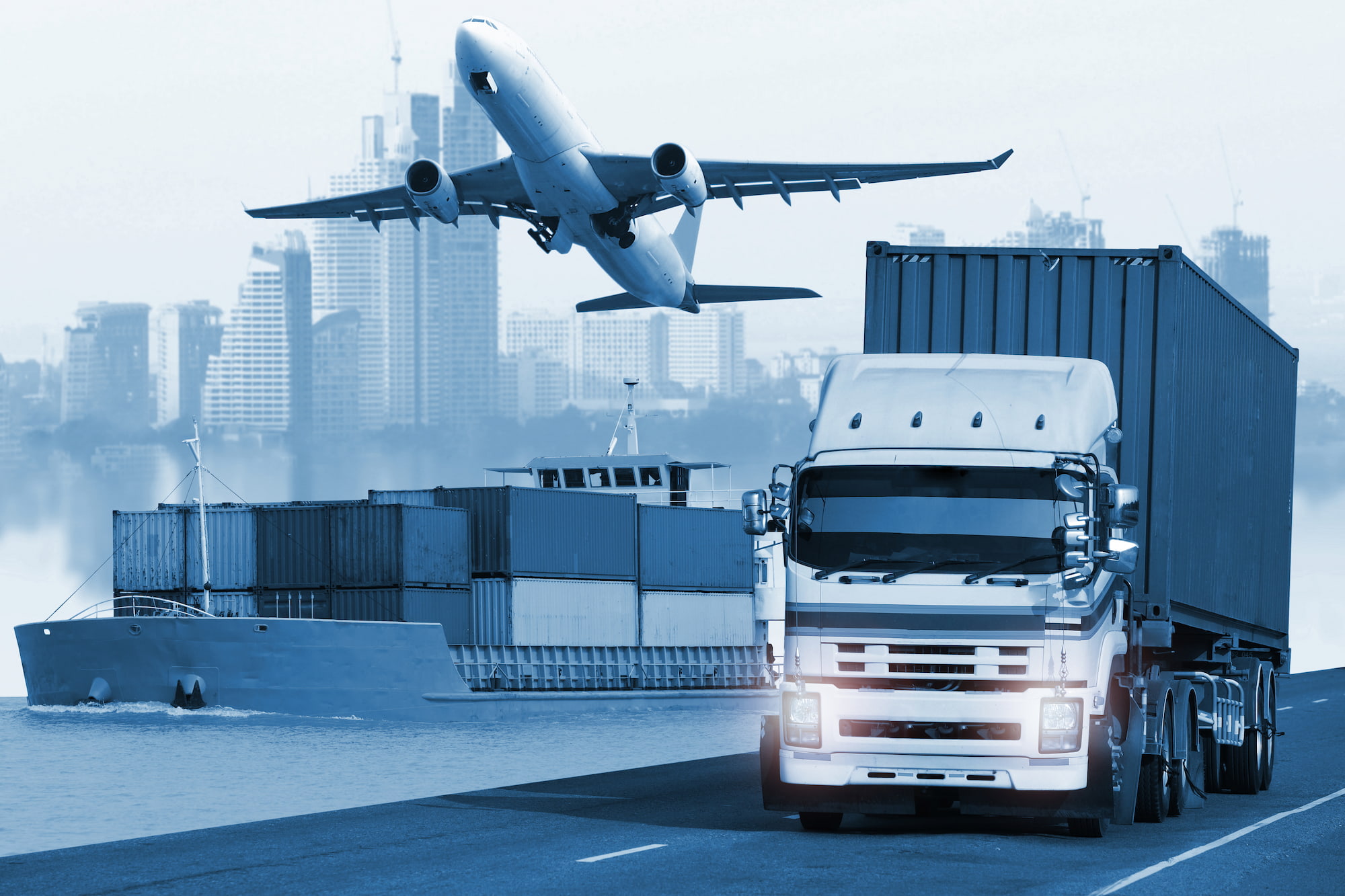
When shipping cargo internationally, it can be very beneficial to understand what is multimodal transport. Multimodal transport uses various modes of transportation to move cargo from the origin to the final destination. For example, this can include a shipment moving by vessel to a country before a truck transports it domestically. The conveyance can consist of air, ocean, road, and rail; however, a shipper uses a single contract and house bill. A single Multimodal Transport Operator (MTO) manages the entire journey despite the multiple transportation methods that the transporter can involve. This article will explain the benefits of multimodal transport and how it differs from intermodal transport.
Why Is It Essential To Know What Is Multimodal Transport?
Because of the components involved in moving goods internationally, understanding multimodal transport can benefit the shipper in numerous ways. A significant advantage is the increased flexibility in the overall supply chain. International shipping tends to be volatile with changing circumstances like demand and disruptions influencing cargo movement. Having different modes of transportation allows for adaptability when situations arise. For example, if a shipment becomes time-sensitive, a shipper can quickly switch to a transportation mode like air. Adaptability from various conveyance methods is also effective for timely deliveries since shippers can avoid situations like congestion. This is increasingly essential for businesses that must ship products to their customers.
Another benefit of multimodal transport is that it can decrease the overall costs of the transportation process. Since the shipper uses one contract with multiple methods of transport, the price tends to be less than using various agreements. The MTO can find the least costly solution for the shipper. Reducing the cost of shipping goods internationally becomes beneficial when moving large volumes of shipments constantly. It can simplify the logistics process for companies with complex supply chains that require managing multiple supply chains. Since a single MTO handles the entire process, the responsibility for damages and delays goes to the handler.
How Does Multimodal Differ From Intermodal Transport?
While multimodal and intermodal transport uses multiple conveyance methods, they differ in various ways. Due to the differences, freight forwarders play a different role based on the type of shipping. Intermodal transportation is the movement of goods to their final destination using various modes of transport with multiple contracts. For example, a truck, vessel, and rail carrier have their own contractors and issue separate Bill of Ladings. Due to the differences, these two transportation methods can have separate advantages based on the shipper’s needs. Intermodal transport lets the shipper choose carriers that fit their expenses and goals. Although multimodal transport may lessen choice freedom, it alleviates responsibility and may simplify scheduling.
A1 Worldwide Logistics
Since multimodal transport uses multiple modes of transport to ship, a key aspect is freight forwarding. Forwarders coordinate the movement of goods for the shipper by contracting one or more carriers. They act as intermediaries between shippers and carriers, ensuring the cargo reaches its final destination. A1 Worldwide Logistics has forwarders that can provide multimodal transport services for moving shipments internationally and domestically. For assistance with transporting cargo internationally, reach A1 Worldwide Logistics at info@a1wwl.com or 305-425-9752. We have solutions like freight forwarding, customs clearance, warehousing, and more to ensure the success of your supply chain.

by A1 WorldWide Logistics | Jun 27, 2024 | Freight Forwarding, Shipping Logistics, Supply Chain
Technological advancements have led to a recent growth in shipping perishables by sea. Perishables can spoil or decay if not transported by the carrier under a specific temperature and time. This can include cargo like fresh produce, dairy, pharmaceuticals, meat, flowers, and more. When people think about how perishables are transported internationally, air is the first thing they tend to imagine. The reason is the airplanes’ quickness to move freight internationally. Despite this, transporting these shipment types by sea has grown due to its advantages. Understanding the shipping process is crucial to the shipment’s success when moving perishables by the ocean.
What Is The Difference Between Shipping Perishables By Sea Vs Air?
Despite sea and air being standard conveyance methods for shipping perishables internationally, they have distinct differences. A common difference is the time it can take for the carrier to make the delivery. While sea freight may take a few days to weeks, air freight takes a few hours to a few days. An effect is that air freight usually has more significant costs due to quickness and higher fuel prices. Another difference is the capacity of cargo that can move in a trip. With air carriers being significantly smaller than a containership, the cargo volume is much less. The average vessel can carry 3,000 to 20,000 TEUs (Twenty-foot equivalent), depending on its size.
Choosing between air or ocean usually depends on perishable type, size, and urgency. For example, goods with short shelf life, like certain pharmaceuticals, tend to benefit from air transport. The speed also allows for greater flexibility since the departures are more frequent. Shippers of bulk perishable shipments usually use containerships due to their transport volume. Another difference is the environmental impact between the two conveyances. Flights have a higher carbon footprint, emitting nearly 500 grams of CO2, while vessels emit 10 to 40 grams. Despite the difference, both methods are essential in international shipping, with sea recently gaining traction.
The Process Of Shipping Perishables By Sea.
Before starting to ship perishables by sea, an exporter must understand that various precautions and regulations are involved. Depending on the type of perishable, specific packaging with insulation or moisture control should be used for the shipment. When the shipper is ready to ship the cargo, they must find a reliable carrier experienced in perishable shipping. The goods must stay in specialized containers during the journey to prevent damage and spoiling. This can include ventilated, insulated, or refrigerated containers (reefers). The shipper must ensure that all the necessary documentation is correct and correct before reaching the designated port. Some of the paperwork needed for the exportation include:
- Bill of Lading
- Packing List
- Commercial Invoice
- Certificate of Origin
Once customs releases the shipment, the shipper may have a truck transport it to the final destination. Shipping perishables by sea can seem challenging for inexperienced shippers due to the various components. Along with the information in the article, you must understand other parts, such as labeling and insurance. You can use the help of the help of a freight forwarder to simplify the process. Forwarders coordinate the cargo movement and handle all of the requirements on behalf of the exporter. Reach A1 Worldwide Logistics at 305-425-9752 regarding speaking to our forwarders about transporting perishables by air or sea internationally.
by A1 WorldWide Logistics | May 30, 2024 | Shipping Logistics, Supply Chain, Transportation
A vital consideration a shipper must make when transporting goods internationally is reducing ocean freight costs. Shipping by sea is the most common way cargo moves globally, accounting for over 90% of international trade. Despite its popularity, there can be numerous expenses that may confuse even the experienced shipper. While certain fees are unavoidable, there are specific ways that shippers can reduce the overall price of transporting by sea. Whether you are shipping as an individual or from a company, this can benefit your supply chain. Saving costs is especially important with recent market conditions and the rise in container rates. This article will explain the best ways to lower expenses.
How Do Carriers Calculate Shipping Costs?
Ocean carriers that move freight internationally have different ways of calculating costs. It is crucial to note that cargo has base rates that depend on the shipment type. Other volumes include the weight, volume, distance, origin, and more. The mode of transport is also a crucial consideration. For example, containerships transport sea freight in different ways, including FCL (full container load), LCL (less than container Load), and RoRo (roll-on/roll-off). There are also additional fees like fuel and special handling surcharges. When importing into a country, there are also port terminal handling charges and customs duties a shipper should know. Shipments can also have optional insurance costs for cargo damage or loss.
What Are The Most Effective Ways of Reducing Ocean Freight Costs?
While there are numerous ways to save on ocean freight costs, the most popular ways that shippers use include the following:
- Consolidating Shipments – Consolidation is a method of shipping where a shipper combines multiple orders into one shipment. The shippers share the transportation cost by fitting various shipments into one container. This can reduce costs, and consolidation can speed up the delivery and customs clearance process.
- Negotiate With Multiple Carriers – Since countless carriers move cargo internationally, each has its shipping rates. A shipper can negotiate these rates and get the best quote amongst the transporters. Having solid relationships with steamship lines is critical in negotiating prices. Using online freight marketplaces to compare quotes is also ideal for finding cost-effective options.
- Optimize Shipping Routes – A carrier’s route to transport freight directly impacts the cost. Shorter, more direct lanes are less costly than more extended ones. Avoiding routes with high congestion is also helpful, as it can increase costs and lead to other issues.
- Pay Attention To Cargo Packaging – A way to optimize costs that shippers tend to overlook is to optimize packaging. Not packing cargo optimally can add extra volume and space, raising costs.
- Ship Off Peak Season – Peak season is when shipping demand is high. This season usually starts in mid-August, goes to the end of October, and sometimes extends to November. An effect is that the cost of shipping internationally tends to rise. Deciding to ship before that period can help in saving costs.
Using The Help of a Freight Forwarder
Finding the best cost to transport your goods can be crucial for individual and business shippers. Another way to reduce ocean freight costs is to use the assistance of a freight forwarder to ship internationally. Forwarders are connected to a network of carriers and can negotiate the best rate to move your shipment. Contact A1 Worldwide Logistics at 305-821-8995 to discuss your cargo’s movement with our forwarders.

by A1 WorldWide Logistics | May 4, 2023 | Freight Forwarding, Supply Chain, Transportation
In shipping, words such as NVOCC and Freight Forwarders continuously pop up. For shippers beginning their exporting/importing journey, this could be the first time seeing these terms. While forwarders and NVOCC are commonly mistaken to be the same, they are different services. Knowing how they differ is ideal for choosing the best option to streamline your supply chain. This article will help you understand the difference between the two terminologies and describe the pros and cons of each. For a more in-depth explanation, contact A1 Worldwide Logistics at 305-425-9456. We have freight forwarding services with various means of conveyance for transporting cargo.
What are NVOCCs?
NVOCC, or Non-Vessel Operating Common Carrier, is an ocean carrier that moves cargo without owning a vessel. This is accomplished by paying steamship lines to lease container space, making them the “carrier.” The NVOCC then sells the space to shippers that want to ship their goods. Despite not operating a containership, NVOCC accomplishes all the functions and responsibilities that a regular carrier would. The two parties enter a contract where the NVOCC issues its own HBL (House Bill of Lading). Companies use this transporter type because of the personalized attention to customers compared to larger carriers.
Other functions of NVOCC can include:
- Negotiating contracts and freight rates with steamship lines for the exporter.
- Handling different transport documents that the shipper must give the carrier.
- Consolidation and Deconsolidation services for containers by the use of a third party.
- Transportation services from port to port or to the final destination.
What are Freight Forwarders?
Freight forwarders are supply chain specialists focusing on moving a shipper’s cargo. Forwarders are intermediaries between the cargo’s shipper and the good’s final destination. They are valuable players in logistics because of the number of services they offer. Although freight forwarders usually are not carriers, they coordinate with a network of transporters to move goods. The methods of conveyance can include vessels, planes, trucks, and rail. Since there are many steps in the shipping journey, they assist by taking the process off the shipper’s hands. Specific forwarders also offer customs clearance services for shipments entering a country.
Along with the services mentioned, freight forwarders also:
- Arrange the freight shipment from the origin facility to port-to-port and the final destination.
- Explain the different shipping costs and offer cargo insurance to protect the shipper.
- Provide short-term and long-term warehousing and other storage services.
- Constant updates on the status and location of shipments.
Which is Better?
While NVOCCs and freight forwarders both have their benefits, the answer depends on the shipment being made by the shipper. The most significant distinction is that NVOCCs are only for maritime shipping, while forwarders move cargo differently. If a business moves goods by the ocean, NVOCCs can provide personalized services and help shippers avoid the intermediary fee. This is because they are independent carriers instead of agents. Forwarders benefit from allowing different ways to transport goods. Businesses with international supply chains can take advantage of having their entire freight journey handled. Forwarders also have extra services not provided by NVOCCs, such as warehousing and customs clearance.

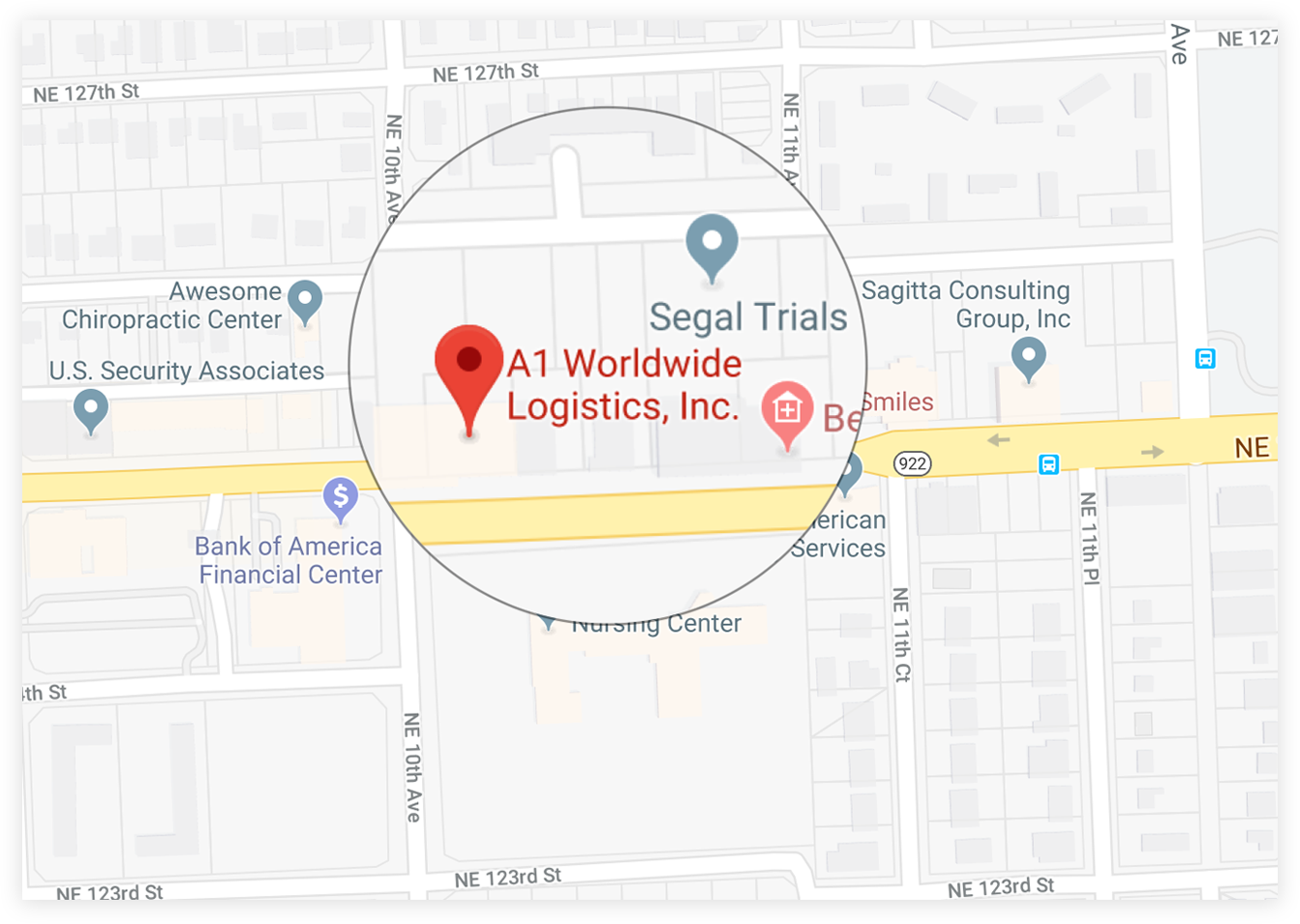
 1035 NE 125th St Suite #320, North Miami, FL 33161.
 a1worldwidelogistics.com
 (305) 821-8995
 Hours: 8AM - 5PM