
by A1 WorldWide Logistics | Feb 19, 2026 | Customs Broker, Economic trends, Shipping Logistics
Navigating the Chinese New Year is essential to consider when shipping during this time of year. Chinese New Year is a 15-day celebration marking the beginning of the year on the lunisolar Chinese calendar. In 2026, the holiday begins on February 17 and finishes with the Lantern Festival on March 3. While it is a time for celebration, the Chinese New Year can significantly disrupt international shipping. Understanding its impact on supply chains is crucial in preventing delays and backlogs. This article explains how the holiday affects shipping and how shippers can prevent disruptions during this period.
How is International Shipping Impacted By the Chinese New Year?
Exporting over $3.5 trillion in 2025, China is the world’s largest shipping company by volume. During the Chinese New Year, carriers, ports, and logistic hubs close or operate at limited capacity. This occurs weeks before and after the holiday, disrupting international shipping and supply chains. In particular, the shutdowns can lead to labor shortages, reduced capacity, and congestion. Port congestion may increase at US ports as shippers import higher-than-usual volumes ahead of the holiday. Customers expecting products may experience delays, especially in mid-to-late February. Another effect is that shippers may experience higher shipping costs due to delays and limited capacity. Truckers who pick up cargo from ports may also see higher costs.
How Can You Navigate the Chinese New Year?
Due to the Chinese New Year holiday, shippers must prepare in advance to prevent disruptions. It is ideal to import months in advance to ensure the cargo reaches the shipper before the holiday rush. Communicating with suppliers and freight forwarders is also beneficial in booking transportation space in advance or finding alternative routes. Importing from countries other than China can help mitigate price increases caused by delays and limited capacity. Switching to air transport is beneficial for smaller shipments that must be delivered within a timeframe. Another consideration is ensuring the paperwork is correct to avoid delays, such as having your goods held at customs.
Although importing goods into the US during this period may seem daunting, it should not disrupt cargo movement. Shippers should, however, take the proper steps to prevent disruptions and delays. When bringing in cargo from China or any other country, it is advisable to consult a customs broker. Customs brokers are licensed corporations, partnerships, and private individuals who arrange customs clearance on behalf of importers. In the US, they ensure shipments comply with CBP (Customs and Border Protection) regulations. Brokers do this by providing documentation, calculating duties, filing entries, and more. Reach our brokers at info@a1wwl.com or 305-912-0631 to learn about our services for getting your goods through customs.

by A1 WorldWide Logistics | Jan 15, 2026 | Economic trends, Importing, Tariffs
A recent announcement has President Trump threatening a new 25% Tariff on Iran’s trading partners. On January 12, the President announced the levies on a social media post. Notable countries that the tariff could affect include India, China, the United Arab Emirates, Turkey, and others. Although the White House has not published final guidelines, Trump noted that the decision was “final and conclusive”. With the Supreme Court currently examining the legality of other tariffs issued by Trump, this announcement further heightens uncertainty.
Why Is Trump Threatening A New 25% Tariff on Iran’s Trading Partners?
The primary reason for the 25% tariff is ongoing geopolitical tensions. Ongoing protests in Iran resulted in casualties of over 2000 people, and the tariff is a pressure against it. Trump recently stated, “If Tehran violently kills peaceful protesters, they will come to their rescue.” The president issued similar “secondary tariffs” last year for countries that buy oil from Venezuela. Trump’s goal is to coerce countries engaging with the Iranian economy to reconsider their ties amid the ongoing anti-government protests. Along with the levies, Trump has also talked about the idea of taking military action against Iran.
Could This Tariff Affect Your Shipment?
Iran’s trading partners that import into the US could face a primary impact if Trump enforces the tariffs. One of the most significant US importers and trading partners of Iran is China. Given the volume of goods coming from China, a tariff could increase import costs for shippers. China has already threatened retaliatory measures in response to Trump’s announcement. The spokesperson for the Chinese embassy in Washington, Liu Pengyu, noted, “Beijing would take all necessary measures to safeguard its legitimate rights and interests.” US importers could soon have to choose between American markets and economic engagement with Iran.
Regardless of whether Trump enforces the tariffs, international cargo movement should not be halted. Shippers should, however, take the proper steps to protect their cargo from disruptions. One way to prepare in advance is to speak with a freight forwarder, such as A1 Worldwide Logistics. Forwarders are companies or individuals that coordinate freight movement on behalf of the shipper. They do this by providing services like cargo transport, international and domestic shipping, customs clearance, warehousing, and more. Speak to our forwarders at info@a1wwl.com or 305-425-9456 to begin moving your shipment to its final destination.
by A1 WorldWide Logistics | Jan 13, 2026 | Economic trends, Exporting, Freight
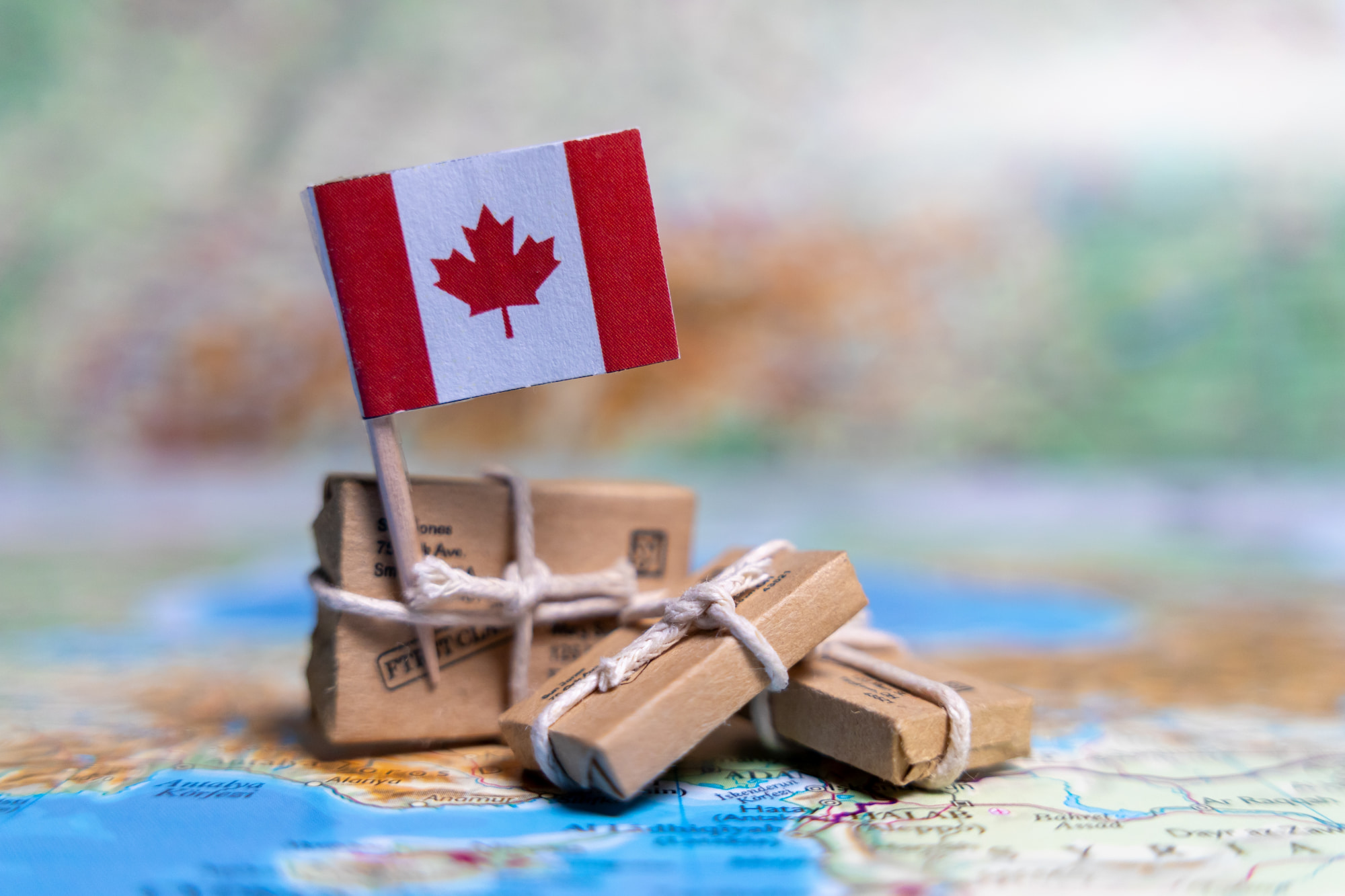
As international shipping continues to shift, the industry can soon see Canada leading the BRICS economy. BRICS is a group of emerging economies comprising ten countries, including Brazil, China, Russia, India, and others. Over the last few years, the BRICS market has expanded, now accounting for 40% of the global economy. Although Canada is not a part of BRICS, Canada’s largest trading partners are in the group, including China and India. As Canada continues to expand its trade, the concurrent growth of BRICS countries may significantly impact shipping.
How Is Canada Leading The BRICS Economy?
While not being a member of BRICS, Canada’s primary exports are to countries in the bloc. A popular commodity that Canada exports is wheat, and it is the world’s third-largest shipper. With Canada as a major trader in BRICS, the country could soon account for 44% of the world’s grain consumption. Canadian exporters also benefit from fast-growing consumer markets in energy, critical minerals, and agriculture. The BRICS push for reduced reliance on the US dollar and greater economic cooperation will also lead to growth opportunities.
What Can This Mean For Shipping?
The reliance on Canadian exports may continue to rise as BRICS reshapes global trade. US tariffs on Canadian imports could further prompt Canadian shippers to diversify their supply chains to BRICS countries. Coincidentally, imports into the US from Canada may also increase, as both countries remain significant trade partners. Maintaining trade relations with the US while engaging pragmatically with BRICS economies will expand Canada’s global presence.
As Canada becomes a major player in global trade, imports and exports between the US and Canada could increase. Despite the opportunities for international shipping, shippers may face risks when starting. An ideal way to prepare is by coordinating with a 3PL (Third-Party Logistics) Provider. 3PLs provide a range of supply chain logistics services, including international and domestic shipping, customs clearance, warehousing, and more. Reach A1 Worldwide Logistics at info@a1wwl.com or 305-425-9752 to learn about our solutions for ensuring your shipment’s success.
by A1 WorldWide Logistics | Dec 31, 2025 | Exporting, Shipping Logistics, Supply Chain
While it is an excellent opportunity for shippers, there are numerous challenges associated with exporting out of the US. The US is one of the world’s largest exporters and an ideal location for reaching other markets. Due to its popularity, US manufacturing companies and individual shippers have benefited from shipping internationally. Despite the benefits, exporting can pose obstacles for both experienced and inexperienced shippers. Failure to understand what to expect and how to prepare can lead to delays, financial losses, and cargo losses. This article explains the challenges of exporting from the US and how to avoid these disruptions.
What Are The Challenges Associated When Exporting Out Of The US?
One of the most significant challenges a shipper can face when exporting from the US is regulatory compliance. There are numerous agencies governing exportations. Examples include the US Customs and Border Protection (CBP) and the Bureau of Industry and Security (BIS). Exporters must ensure compliance with export control laws, sanctions programs, and licensing requirements. Compliance is essential when shipping sensitive goods, including technology, machinery, and dual-use items. Even unintentional violations can result in severe penalties, shipment delays, or denial of export privileges. In turn, this can lead to greater costs and longer exportation times. Another challenge exporters should be aware of is the range of trade policies that can affect their shipments.
A recent example is the trade war the US has been engaged in with multiple countries since President Trump returned to office. In response to reciprocal tariffs, countries such as China imposed levies on US goods. In turn, export costs may rise, and exporters may have to adjust target markets and pricing to offset the impact. Exporters should also be aware of potential logistics issues, including port congestion that can cause delays. Congestion can also make it harder for shippers to secure containers and lead to vessel cutoffs. Packaging and labeling also must meet international standards to prevent rejections on vessels.
How Can Shippers Prepare?
Given the challenges of exporting from the US, shippers must prepare accordingly. Before starting, exporters must understand the requirements of governing agencies such as CBP. The requirements depend on the cargo that the shipper is transporting. An example is medical devices, which require Food and Drug Administration (FDA) approval before being exported from the US. Speaking with a freight forwarder can provide an idea of what to expect, including the required paperwork. Standard documents necessary for exportation include:
- Commercial Invoice
- Bill of Lading
- Packing List
- Certificate of Origin
Certain exports, such as hazardous materials and pharmaceuticals, may also require specialized permits. Minor documentation errors can lead to customs holdups, fines, and port rejections. Shippers must also choose their mode of transport, typically by sea, air, or land. It is beneficial to use drayage services when transporting goods to a port for international shipment.
Exporting from the US typically involves multiple components of the supply chain. Preparation includes additional parts not mentioned in the article. Reaching out to a 3PL (Third-Party Logistics) provider like A1 Worldwide Logistics is an ideal way to get started. A 3PL is a company that handles various supply chain functions for a client. These include freight forwarding, customs clearance, domestic shipping, warehousing, and more. 3PLs also offer consulting services to help you navigate challenges when exporting your shipment. Contact A1 Worldwide Logistics at info@a1wwl.com or 305-425-9456 to learn about our 3PL services for ensuring your export’s success.
by A1 WorldWide Logistics | Dec 24, 2025 | Importing, Shipping Logistics, Tariffs
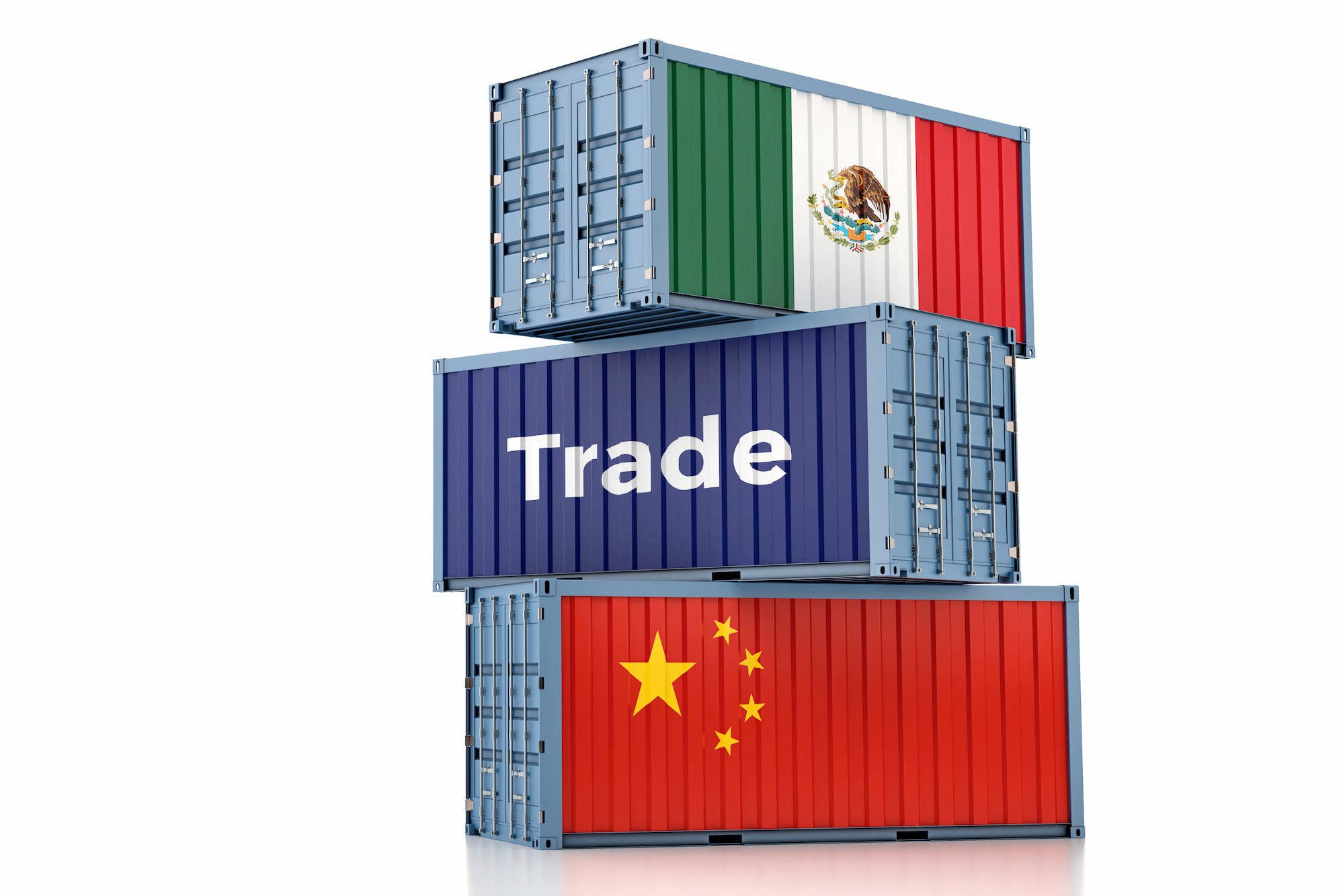
The international shipping industry continues to feel the strain from trade wars, with Mexico imposing a 50% tariff. On December 10, Mexico’s congress agreed to hike tariffs on more than 1,400 imports from China and other Asian nations. Some of the goods subject to tax include automotive parts, steel, furniture, textiles, and plastics. Tariffs on most of these items, previously at 10%, will increase to 35%. Key manufactured goods, such as vehicles, will also see a larger 50% increase. After 75 votes in favor, five against, and 35 abstentions, the new bill will take place on January 1, 2026. These tariffs could significantly affect global trade, particularly the volume of goods imported into Mexico.
Why Is Mexico Imposing A 50% Tariff?
Mexico is imposing tariffs of up to 50% on imports for various reasons, including protecting domestic industries. The country aims to reduce its dependence on imports from countries without free trade agreements. Many of these importers are based in Asian countries, including China, South Korea, Indonesia, India, and Thailand. Mexico’s president, Claudia Sheinbaum, believes that these tariffs will bolster local manufacturing and protect jobs in the country’s economy. She also stated that the duties will reduce trade imbalances and safeguard industries that have declined due to foreign competition. The tariffs will impact nearly 8% of Mexico’s inbound trade and potentially result in over $2.5 billion in 2026.
The US has imposed similar tariffs on imports over the last year to reduce trade imbalances and bolster its economy. When he initially announced the levies, President Trump stated that he wanted to “level the field” by reducing the US trade deficit with its largest trading partners. Despite Mexico’s similar rationale, there is a growing perception that the tariffs also aim to address US concerns that China is expanding its presence in Mexico and using it as a backdoor to North American supply Chains. Mexico’s largest trading partner is the US, and analysts believe a goal is to appease the US. With the 2026 review of the USMCA (US-Mexico-Canada Agreement) approaching, this will be a key topic of discussion.
How Could The Tariffs Affect Shipping?
Although the tariffs could benefit Mexico’s economy, they could strain trade relations, particularly with Asian countries. A Chinese commerce ministry official immediately responded to the tax measures, calling them protectionist and harmful to China-Mexico trade relations. Mexico already has a significant deficit with China, importing nearly $62.1 in the first half of 2025. Similarly, Mexico exported around $4.6 billion to China. China may seek other trading partners, as it did when the US imposed tariffs. With China recently hitting a $1 trillion trade surplus, the country could continue to shift exports away from North America.
Whether you are importing into the US or exporting to a different country, tariffs can affect the transportation process. While it should not halt cargo flow, shippers should be aware of the impact and take steps to prevent disruptions. In addition to staying current with news and regulations, speaking with freight forwarders can be beneficial. Forwarders are third-party companies that act as intermediaries between shippers and carriers, transporting goods on behalf of the shipper. They do this by coordinating with a network of air, sea, and land carriers. Forwarders also provide services like customs clearance, domestic shipping, warehousing, and more. Reach A1 Worldwide Logistics at info@a1wwl.com or 305-425-9456 to talk to our forwarders about transporting your shipment internationally.

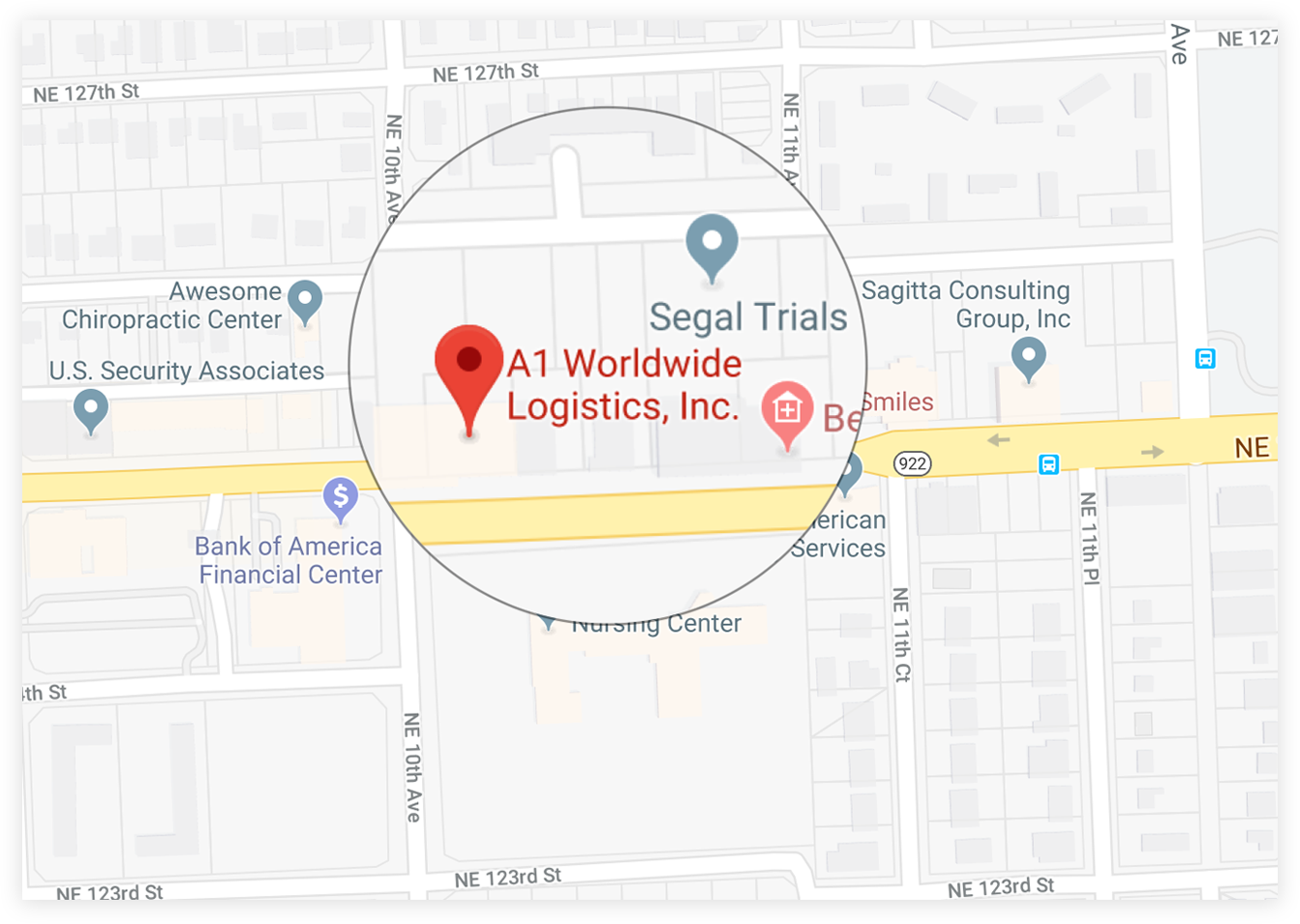
 1035 NE 125th St Suite #320, North Miami, FL 33161.
 a1worldwidelogistics.com
 (305) 821-8995
 Hours: 8AM - 5PM