Trump Is Raising Canada Tariffs
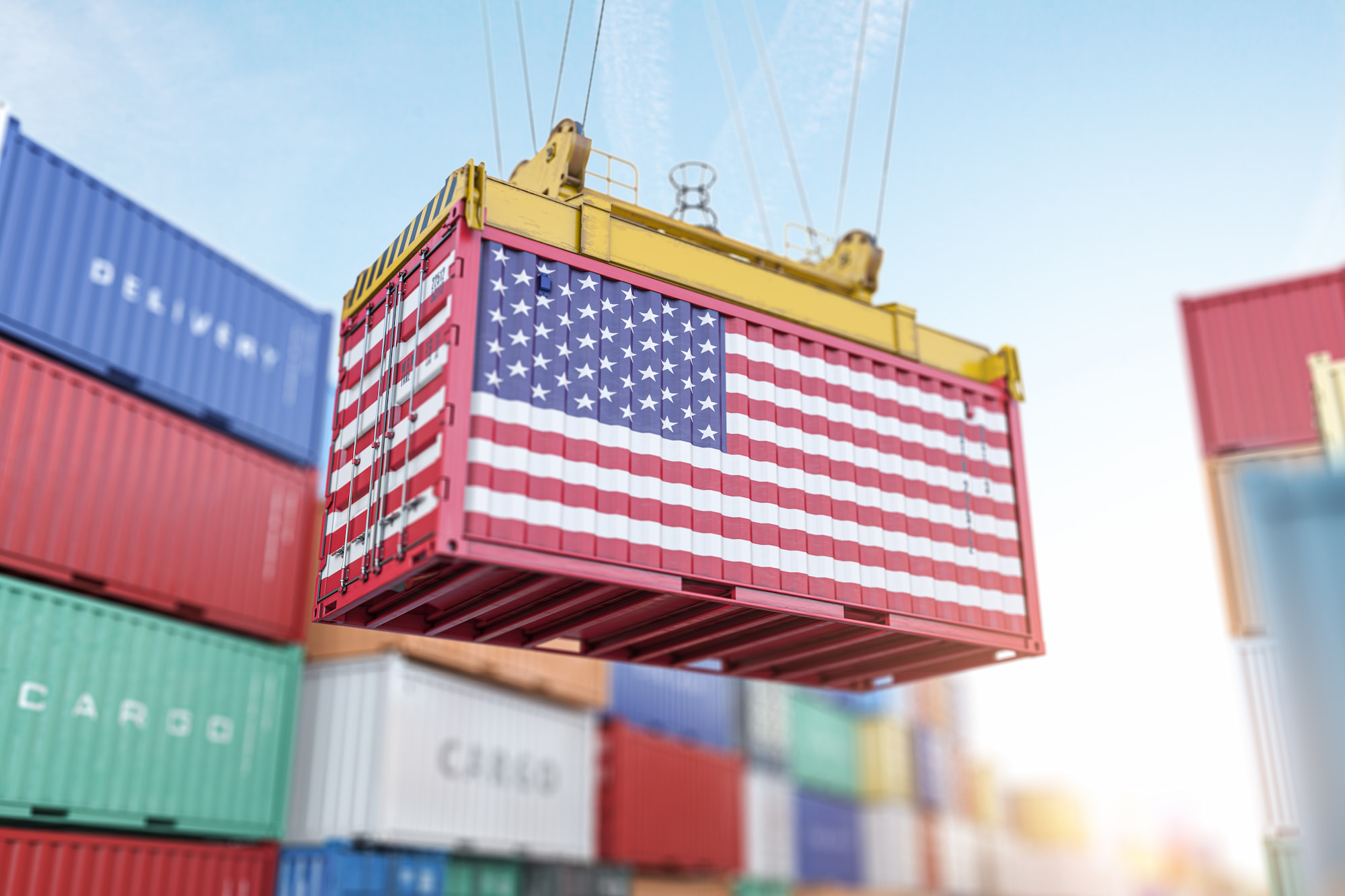
President Trump is raising Canada tariffs by 10% after an announcement on October 25. In a social media post, Trump said he would increase duties on Canadian imports due to a TV ad. The president will add the 10% to previously imposed tariffs, raising the total amount to 45% for certain goods. Canadian imports have been subjected to a 35% tax since August 1. The tariff increase will not affect importations that fall under the USMCA (United States-Mexico-Canada Agreement). Trump has not yet specified the scope of the latest raise and what goods will be affected. This article will explain Trump’s goal behind the tariff increase and its impact on shippers.
Why Trump Is Raising Canada Tariffs By 10%?
The 10% rise came after Canada aired a TV ad featuring former president Ronald Regan criticizing tariffs. Trump immediately responded by calling the advertisement a fraud and stating, “All trade negotiations with Canada are hereby terminated”. The Ronald Regan Presidential Foundation also issued a statement protesting the unauthorized use of selective audio and video. Dominic LeBlanc, Canada’s minister responsible for US-Canada trade, responded to the levies, noting, “Progress is best achieved through direct engagement with the U.S. administration”. The 10% tariff could be part of several levies that Trump has placed on Canada since returning to office. On February 1, the president imposed a 25% tax on most US imports.
On August 1, Trump raised the tariff from 25% to 35%, citing Canada’s “continued inaction and retaliation.” The levies are intended to reduce trade imbalances and address unfair trade practices. Trump has tried to “level the field” between the US and its largest trading partners. The president is also using the tariffs to address Canada’s failure to stop the flow of fentanyl and illegal US immigration. Trump is also attempting to boost the US economy by bringing manufacturing and business back to the US. While the goal is to create jobs, economists believe this could have the opposite effect and create inflation.
How Will The Tariff Raise Impact Shippers?
Canada is a significant trade partner for the US, so the tariff increase will significantly impact shippers. If Trump does impose the 10% levy, importers could see an increase in costs for bringing goods into the US. In particular, industries relying on raw materials from Canada, like automotive and construction, will feel the higher costs. The cost could fall in various parts of a supply chain, including the shipper, international and domestic carriers, customer, etc. There is also a fear that Canada may impose retaliatory levies, raising expenditures. Shippers may look for countries to import from other than Canada or bring production back to the US.
Disruptions like tariffs can affect transportation when importing or exporting from the US. Although the disturbances should not stop cargo movement, the shipper should take the correct steps to protect their shipment. An ideal way to prepare when starting is by contacting a freight forwarder. Forwarders are third-party companies that act as intermediaries between the shipper and the carrier transporting the goods. They do this by offering solutions like providing paperwork, coordinating cargo movement, negotiating rates, warehousing, and more. Forwarders also have consulting services to help shippers navigate disruptions that can affect their shipments’ transport. Speak to our forwarders at info@a1wwl.com or 305-425-9752 to begin moving your goods anywhere internationally.