by A1 WorldWide Logistics | Feb 12, 2025 | Economic trends, Importing, Shipping Logistics
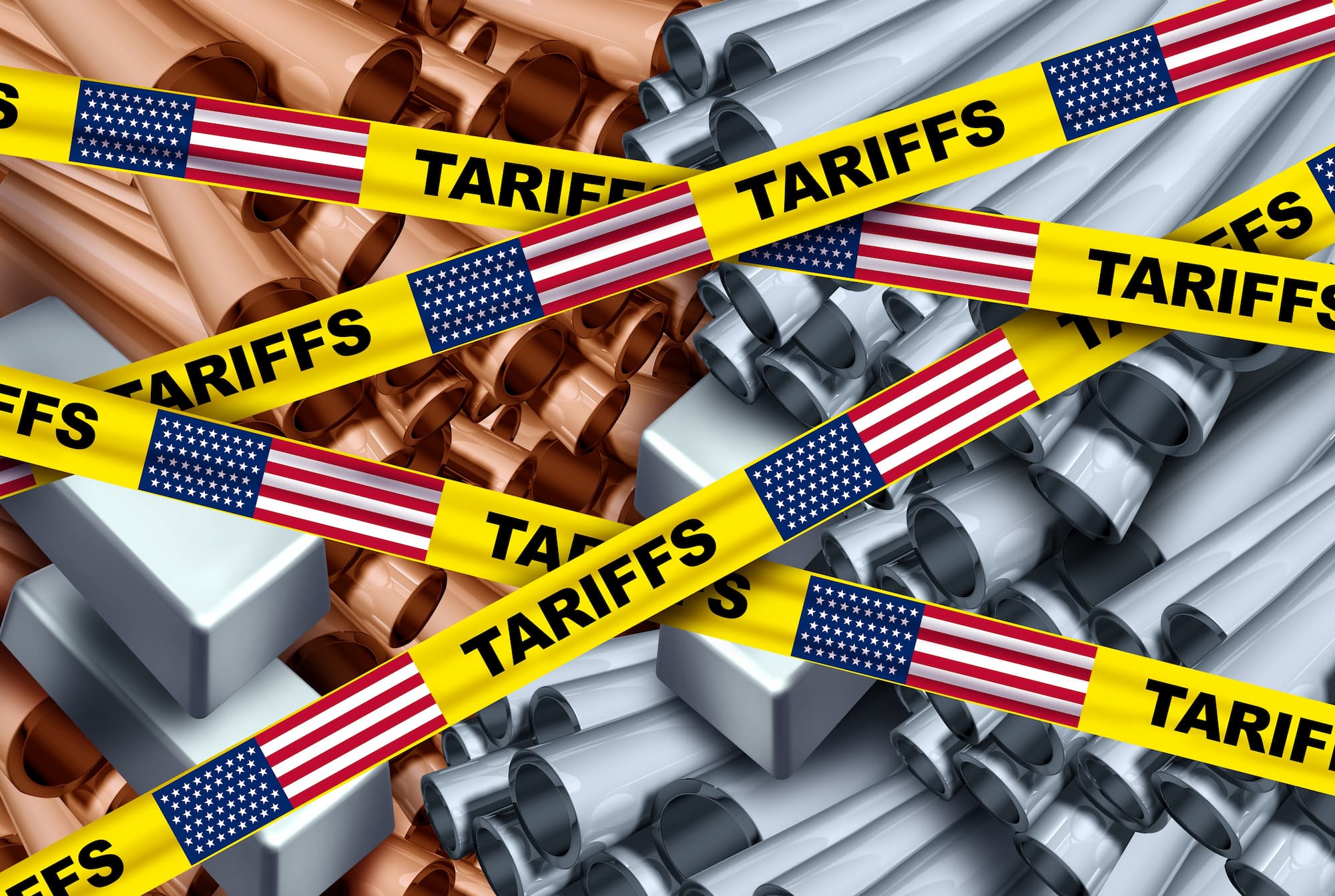
President Trump is imposing new steel and aluminum taxes after signing an executive order on February 10th. Starting March 12th, all steel and aluminum imports into the U.S. will face a 25% tax hike. Trump notes, “It’s 25% without exceptions or exemptions, and that’s all countries, no matter where it comes from”. The executive order is separate from the tariffs Trump announced for China, Mexico, and Canada months ago. During his first term in office, Trump signed a similar 25% tariff on steel but a 10% tariff on aluminum. Aluminum will face a 15% increase compared to the first term. The tariffs will directly impact international shipping due to the importance of these cargo types, the tariffs.
Why is Trump Imposing New Steel And Aluminum Tariffs On Imports?
Over the last few months, Trump has announced various tariffs for imports from different countries. Some of these countries include the most significant importers into the U.S., like Canada, Mexico, and China. A few of the reasons are to stop illegal immigration and the importation of illicit drugs. Trump previously stated, “As everyone is aware, thousands of people are pouring through Mexico and Canada, bringing crime and drugs at levels never seen before.” China is one of the most popular bringers of fentanyl into the U.S. The tariffs also boost the U.S. economy and bring manufacturing back to the U.S. by making importing costly.
During the 2018 price hikes, steel prices surged, increasing domestic companies’ profits. However, an overproduction of steel in the U.S. resulted in prices falling nearly 40% in 2019. This was also due to weakening consumption and retaliatory tariffs from U.S. trading partners. As one of the biggest steel importers, the Canadian government views the tariffs as unjustified and is currently planning retaliatory measures. President of United Steelworkers International, David McCall, said, “Tariffs ultimately hurt workers on both sides of the border.” Along with the executive order is a North American standard requiring steel and aluminum processing in that region.
What Can These Tariffs Mean For Shipping?
Shippers that bring in steel and aluminum from different countries can feel the strain of tariff hikes. Established supply chains could be disrupted by higher transportation costs. Carriers may pass higher freight costs for shipping to the shipper. Greater steel and aluminum production demand could strain manufacturers and cause delays. Unlike the tariffs Trump announced for Canada, Mexico, and China, these are for every country importing. However, tariffs could positively affect domestic shipping since trucks move the cargo to their final destination. A higher volume of U.S. production means greater demand for transport and more profit for truckers.
Shippers must understand what to expect with increased tariffs for various countries and materials. Failure to understand and prepare can lead to supply chain disruptions, resulting in monetary and cargo loss. Another way to ensure a successful shipment is by working with a 3PL (Third-Party Logistics) provider like A1 Worldwide Logistics. 3PLs are service providers that offer numerous solutions for a shipper’s supply chain. These can include transporting cargo, customs clearance, warehousing, and more. They also educate the shipper on the best action to protect their shipment. Speak to an expert at 305-435-9456 or info@a1wwl.com to begin moving goods into or out of the U.S.
by A1 WorldWide Logistics | Feb 7, 2025 | Economic trends, Importing, Transportation
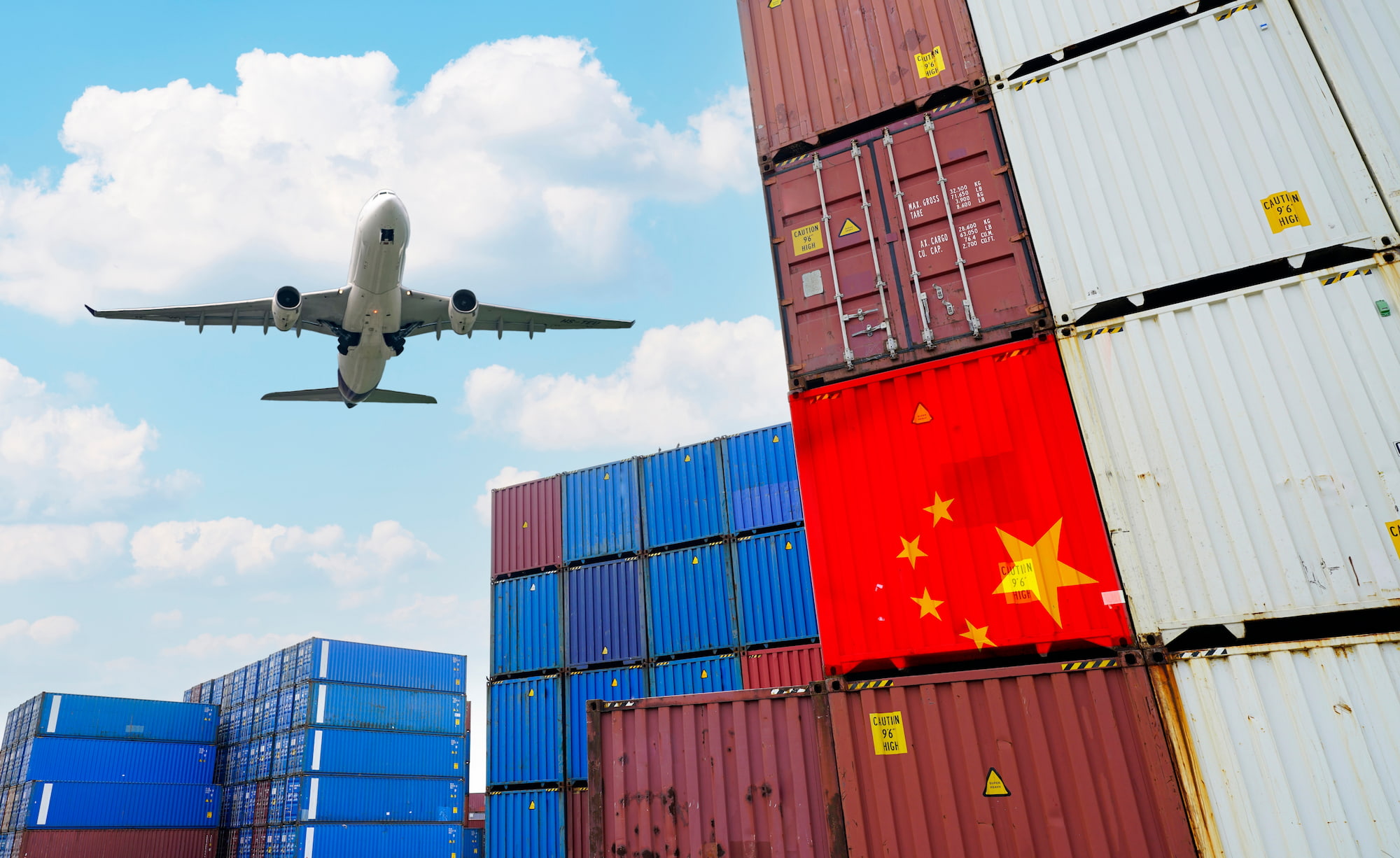
An executive order signed by President Donald Trump could soon see China tariffs impacting air cargo. On February 1st, Trump imposed a 25% tariff on Canada and Mexico imports and a 10% tariff on China imports. The order also eliminated duty-free exemptions for low-value e-commerce goods imported from the countries to the U.S. While Trump has deferred Canada’s and Mexico’s tariffs for a month, China’s hikes will take effect on February 10th. The taxes are to stop illegal immigration and the smuggling of illicit drugs into the U.S. Along with directly affecting international shipping, the tariffs will impact China’s air cargo industry.
How Are the China Tariffs Impacting Air Cargo?
In 2024, China exported approximately $2.62 trillion in goods, making it the largest exporter globally. A significant portion of goods imported into the U.S. are e-commerce shipments from China by air. Nearly 1.3 million tons of e-commerce air imports fall under the duty-free exemption that Trump’s executive order eliminated. The de minimis is a provision that exempts goods $800 or less to a single person per day from taxes. Shippers and online retailers like Temu in China use this to legally avoid import tax on smaller, larger-volume imports. The CBP (Customs Border and Protection) notes that 61% of de minimis entries are from China.
De minimis shipments from China could now have tariffs of up to 35% due to the executive order. Without the de minimis rule, a $50 package bought in Temu may be double the amount due to the fees. Vendors from marketplaces like Temu have built warehouses in the U.S. in the past few years to avoid additional costs. They also have relocated to nearby locations like Vietnam and Thailand to be able to send de minimis shipments. China filed a complaint to the WTO (World Trade Organization) challenging the cancellation of the 10% tariff and duty-free exception. In a country response, China also introduced tariffs of up to 15% on various U.S. goods like coal and oil.
What Can The Tariffs Mean For The Air Cargo Industry?
The tariffs could negatively affect air cargo due to the amount of goods China imports to the U.S. by air. Ending de minimis may significantly reduce airfreight rates as importers decrease the volume of imported goods. Reducing daily de minimis imports could result in overcapacity in the air cargo industry and decline rates. Rates declined during this period due to the Chinese New Year, when demand was lower than usual. A tariff increase will also directly impact customers since sellers could pass on the higher costs.
While the tariffs could impact cargo transport, they should not stop you from importing into the U.S. However, shippers should take the proper steps to mitigate potential disruptions to their supply chains. An ideal way to get started is by speaking to a freight forwarder. Forwarders act as intermediaries between the shipper and the good’s final destination. Along with transporting your cargo, they offer various services like providing documentation, negotiating rates, vetting carriers, warehouses, and more. Contact A1 Worldwide Logistics at 305-425-9752 or info@a1wwl.com to talk to a forwarder regarding moving your goods internationally. Whether you’re shipping by air, sea, or land, we ensure the success of your shipment.
by A1 WorldWide Logistics | Feb 4, 2025 | Economic trends, Importing, Shipping Logistics
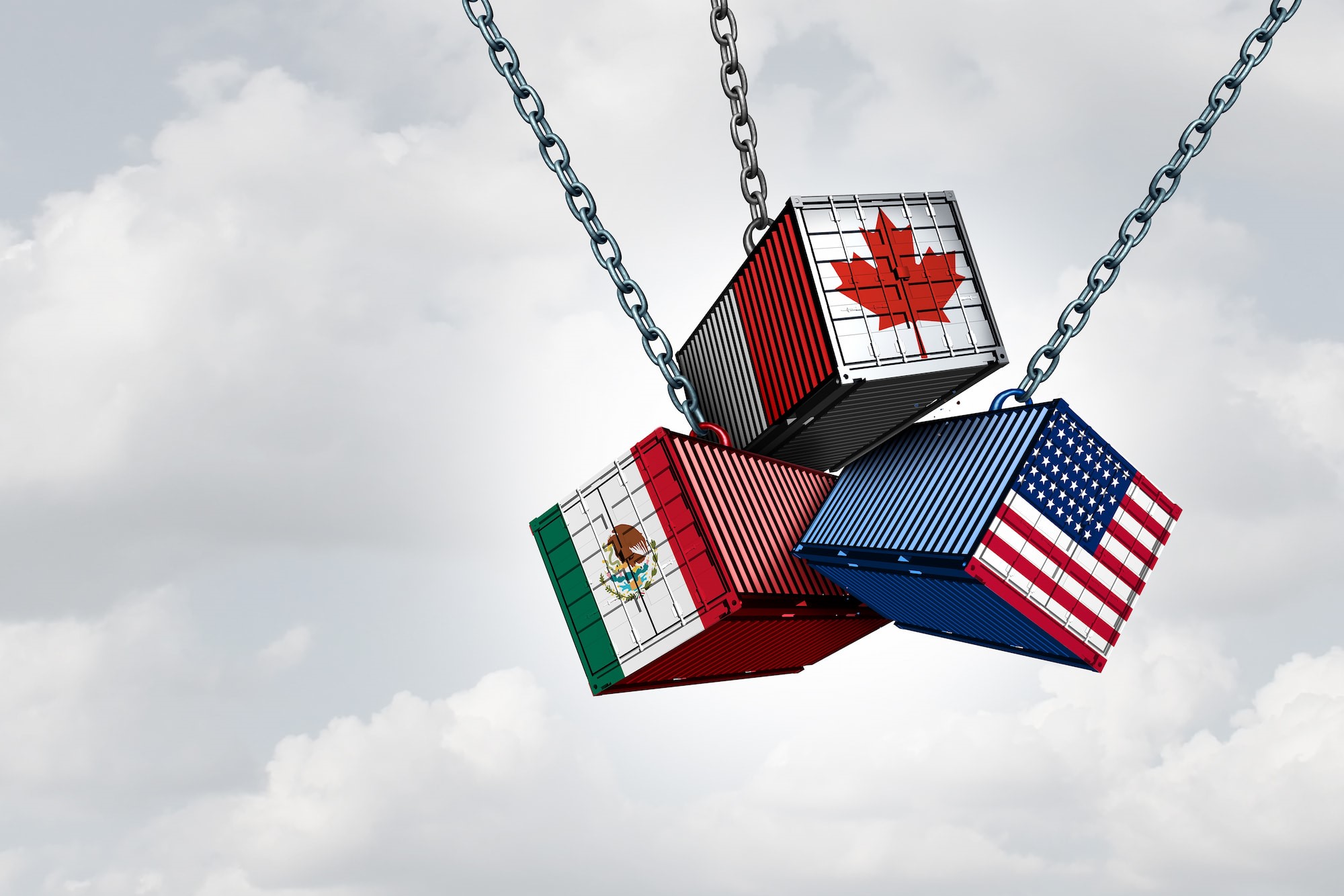
President Donald Trump imposes new import tariffs on top trading partners after months of expectation. On Saturday, February 1st, Trump signed an executive order to enforce a 25% tariff on imports from Mexico and Canada. Canadian energy imports will have a tax increase of 10% separately. The order also includes an added 10% tariff on goods imported from China. Trump implemented the new tariffs through the International Emergency Economic Powers Act (IEEPA). He notes, “This was done through the IEEPA because of the major threat of illegal aliens and deadly drugs killing our citizens.” With the amount of cargo that the U.S. imports from the countries yearly, the tariffs will significantly impact international trade.
What Should You Know As Trump Imposes New Import Tariffs?
In terms of importation, Mexico, China, and Canada are the most significant trade partners of the U.S. Due to the volume of shipments, many supply chains will feel the strain of higher taxes. The tariff hike could increase costs for businesses that import cargo internationally. For example, most of the cars manufactured and imported by the automotive industry are in Mexico. Along with reduced profit margins, the tariffs may result in higher costs that the company passes to customers. The uncertainty for business could result in a short-term economic slowdown. Domestic shipping for drayage services that pick up cargo from ports will also feel the strain from the tariff hike.
Despite the supply chain disruptions, Trump believes these tariffs will benefit the U.S. in the long run. A goal behind the hike is to address legal immigration and drug trafficking. Trump Recently stated, “Thousands of people are pouring through Mexico and Canada, bringing crime and drugs at levels never seen before.” China is also responsible for the majority of illegal importation of fentanyl into the U.S. Another purpose behind the tariffs is to grow the manufacturing of goods within the U.S. instead of relying on importations. A belief is that the increase in tariffs could hurt the U.S. economy and cause inflation.
How Are Mexico and Canada Responding to the Tariffs?
The countries impacted by the new tariffs immediately responded directly following the announcement. Trump spoke to Mexican leaders and Canada’s prime minister, Justin Trudeau, regarding the tariffs on January 3rd. During the meeting, the U.S. and Mexico negotiated a deal to delay the tariffs for one month. Similarly, Canada reached an agreement to postpone the tariffs for one month. The hikes for China will still take place on Tuesday. Once Trump announced the hikes, Canada immediately responded by placing matching 25% tariffs on nearly $155 billion in U.S. imports. Trudeau notes, “Like the American tariffs, our response will also be far-reaching and include everyday items.” China responded to the tariffs by announcing that it would file a lawsuit with the WTO (World Trade Organization).
Shippers should be ready for potential disruptions with the new tariffs significantly impacting international trade. Not preparing can result in monetary loss, delays, and disruptions in supply chains. It is vital to keep current with any news that may impact the status of your shipment. Using the help of a logistics provider is another way to prevent disruptions in your shipment’s transport. Reach A1 Worldwide Logistics at 305-425-9752 or info@a1wwl.com for assistance importing into or exporting out of the U.S. Regardless of the situation, we find the best action to take for protecting your shipment.
by A1 WorldWide Logistics | Feb 4, 2025 | Customs Broker, Customs Broker Miami, Supply Chain
¿Por qué Trump quiere el Canal de Panamá?
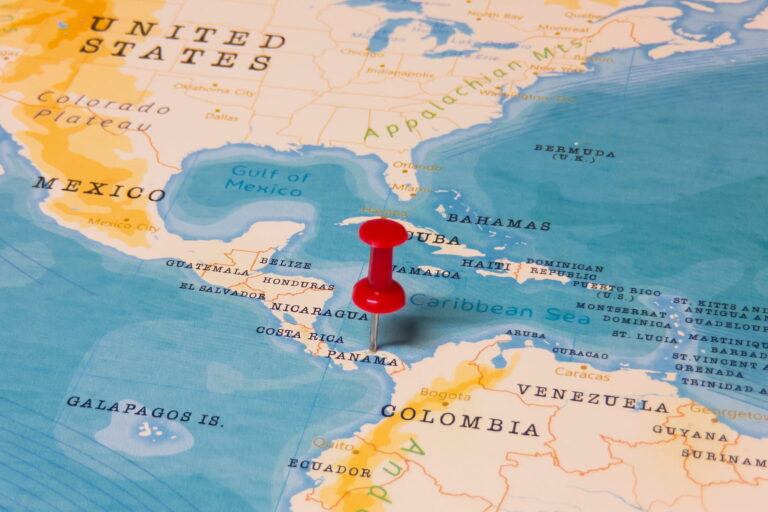
En publicaciones recientes en redes sociales, ha quedado claro que el presidente, electo para el 2025, Donald Trump quiere el Canal de Panamá. Trump anunció que exigirá que Panamá entregue su canal a los EE. UU. debido a las tarifas “ridículas”. Las tarifas para los buques que pasan por el canal han aumentado recientemente, impulsadas por una grave sequía. Dado que EE. UU. es el principal usuario del canal, han enfrentado el impacto más significativo. Originalmente un territorio de EE. UU. hasta 1999, la entrega fue una señal de la soberanía de Panamá y un símbolo económico vital. Las amenazas de apoderarse del canal podrían generar conflictos entre los dos países y alteraciones en el comercio global.
¿Por qué Trump quiere el Canal de Panamá?
Una de las principales razones por las que Trump quiere el canal es por las tarifas que Panamá está cobrando. Él cree que el país impone tarifas excesivas para que los buques de EE. UU. puedan pasar. Además de los costos, Trump también ha expresado preocupaciones sobre la gestión del canal y su importancia para los EE. UU. También ha habido preocupaciones crecientes sobre que Panamá permita que soldados chinos tomen el control del canal. China es el segundo mayor usuario del canal después de EE. UU., y Trump cree que el país quiere tener más influencia. Uno de los temores es que China pueda integrar vigilancia en la infraestructura del canal, proporcionando información crucial sobre la logística de EE. UU.
En una conferencia, el presidente de Panamá, José Raúl Mulino, señaló que el canal pertenece a su país. Mulino reprendió las afirmaciones de Trump, declarando que la soberanía e independencia de Panamá no son negociables. En la conferencia de prensa, respondió: “No hay chinos ni ninguna otra potencia mundial en el canal”. Mulino afirmó que los expertos consideran factores como la oferta y la demanda al determinar las tarifas para los buques. A pesar de las amenazas de recuperar el canal, existen varios obstáculos legales que podrían impedirlo. Por ejemplo, el Tratado de Neutralidad establece que un movimiento para tomar el control del canal violaría la ley internacional y dañaría las relaciones de EE. UU. con América Latina.
La importancia del canal para el comercio internacional
La industria del transporte marítimo internacional considera al Canal de Panamá una piedra angular crítica para el movimiento global de carga. Representa el 6% del comercio marítimo mundial y el 40% del tráfico anual de contenedores de EE. UU. Debido a su ubicación estratégica, es ideal para conectar los principales mercados globales entre Europa, Asia y América. Antes del canal, los envíos realizaban viajes más largos por la punta sur de Sudamérica en lugar de tomar el atajo. Con su importancia, Trump considera el canal un activo nacional crítico para los EE. UU. El canal impacta la economía de EE. UU., con numerosas industrias que dependen de él para rutas rápidas y rentables de envío de mercancías.

by A1 WorldWide Logistics | Jan 28, 2025 | Shipping Logistics, Supply Chain, Transportation
Shipping during China’s New Year can have numerous challenges you should know when starting. The Chinese New Year (or Spring Festival) is a 15-day celebration of the new year in the lunisolar Chinese calendar. In 2025, the holiday will begin on January 29th and conclude with the Lantern Festival on February 12th. The first seven days are holidays in China. During this time, shipping companies, ports, and factories shut down or limit operations. As a result, shippers that move cargo internationally feel the effects of the shutdowns. This article will explain how the Chinese New Year impacts shipping and how to prepare when moving cargo.
What Should You Know When Shipping During China’s New Year?
In international shipping, China is considered one of the biggest global exporters, responsible for nearly 14% of the world’s exports. Due to widespread shutdowns during this period, supply chain disruptions can grow during the Chinese New Year. Along with production and port halts, workers tend to go on vacation to visit families during this period. A significant impact for U.S. importers is that port congestion has become more common. Before the holiday begins and factories close, there is a massive import surge from China. As a result, ports in the U.S. can become congested due to higher volumes, which can also lead to delays. Port congestion can also impact domestic shipping, causing delays in transporting goods to the final location.
As a result of the congestion, shippers may have to pay higher rates due to limited capacity. A higher volume of containers at the port can also increase the likelihood of demurrage and detention charges. Higher costs for the shipper and carrier also fall directly on the customer. Delays come from ports in factories in China working at limited capacity and workers going on vacation. Longer wait times look unfavorable to shipping companies and businesses that deliver products under a specific timeframe. The recovery period after the Chinese New Year can also take a while, meaning a gradual recovery for supply chains.
How Can You Prepare?
With the Chinese New Year’s disruptions in supply chains, shippers should prepare beforehand to mitigate any disturbances. You must understand what to expect and plan to avoid delays. This can include booking container space beforehand and rerouting to different ports in the U.S. If possible, this can mean importing from countries other than China and diversifying suppliers to reduce vulnerability. Switching the conveyance method to air is beneficial for shipments that must move under a specific timeframe. Having extra stock in a company or third-party warehouse in the U.S. can also help in case of delays.
Despite a holiday potentially causing disruptions to supply chains, it should not stop cargo movement internationally. However, shippers should take the necessary steps to prevent disruption. An ideal way to navigate scenarios like the Chinese New Year is by using the assistance of a logistics provider. Logistics providers like A1 Worldwide Logistics have various solutions for shipping goods into and out of the U.S. These services include transportation, customs clearance, warehousing, and much more. They also explain the best steps to mitigate supply chain disruptions. Contact us at info@a1wwl.com or 305-440-5150 to speak to a freight forwarder or customs broker regarding your shipment’s success.

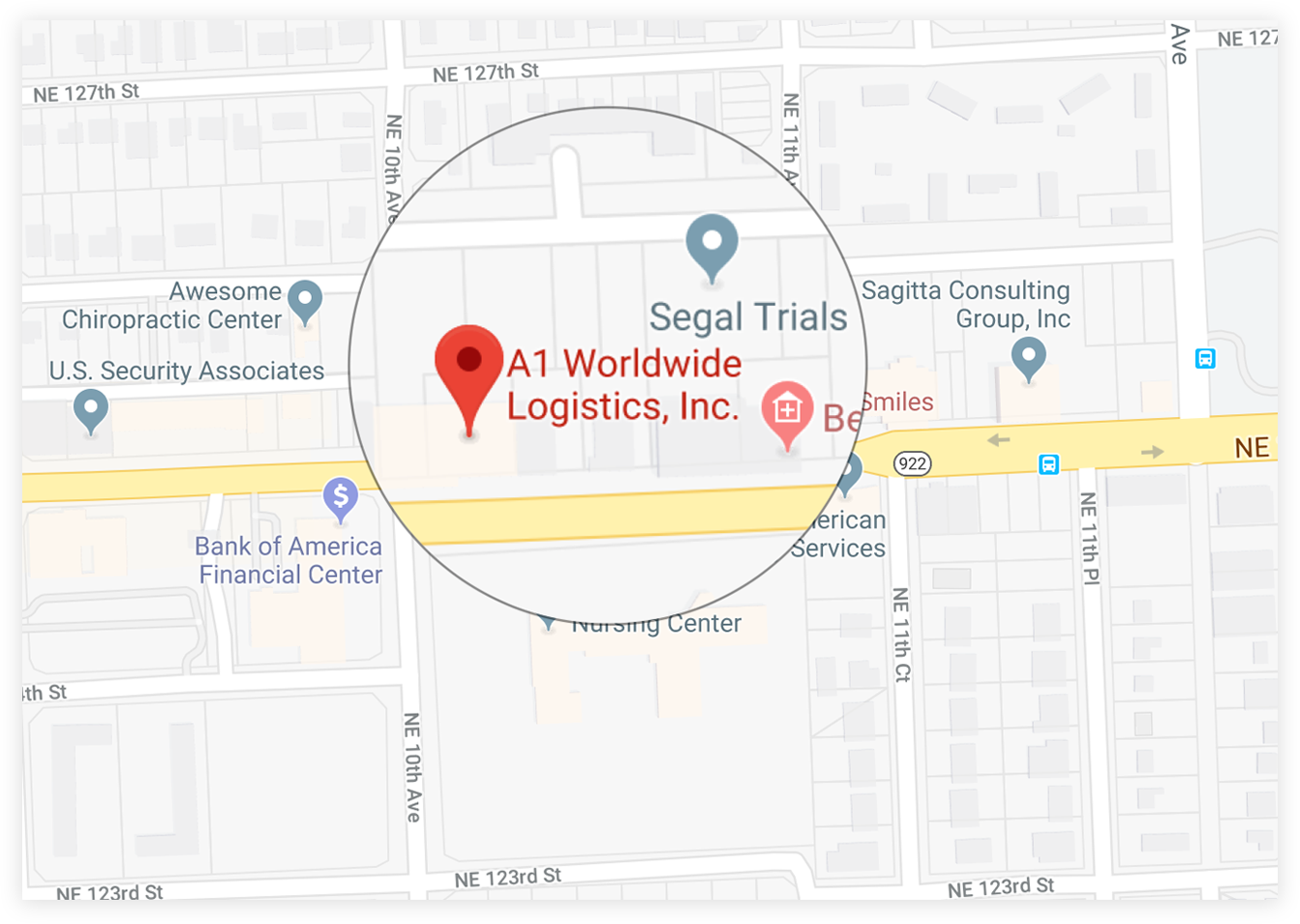
 1035 NE 125th St Suite #320, North Miami, FL 33161.
 a1worldwidelogistics.com
 (305) 821-8995
 Hours: 8AM - 5PM