
Reducing Ocean Freight Costs
A vital consideration a shipper must make when transporting goods internationally is reducing ocean freight costs. Shipping by sea is the most common way cargo moves globally, accounting for over 90% of international trade. Despite its popularity, there can be numerous expenses that may confuse even the experienced shipper. While certain fees are unavoidable, there are specific ways that shippers can reduce the overall price of transporting by sea. Whether you are shipping as an individual or from a company, this can benefit your supply chain. Saving costs is especially important with recent market conditions and the rise in container rates. This article will explain the best ways to lower expenses.
How Do Carriers Calculate Shipping Costs?
Ocean carriers that move freight internationally have different ways of calculating costs. It is crucial to note that cargo has base rates that depend on the shipment type. Other volumes include the weight, volume, distance, origin, and more. The mode of transport is also a crucial consideration. For example, containerships transport sea freight in different ways, including FCL (full container load), LCL (less than container Load), and RoRo (roll-on/roll-off). There are also additional fees like fuel and special handling surcharges. When importing into a country, there are also port terminal handling charges and customs duties a shipper should know. Shipments can also have optional insurance costs for cargo damage or loss.
What Are The Most Effective Ways of Reducing Ocean Freight Costs?
While there are numerous ways to save on ocean freight costs, the most popular ways that shippers use include the following:
- Consolidating Shipments – Consolidation is a method of shipping where a shipper combines multiple orders into one shipment. The shippers share the transportation cost by fitting various shipments into one container. This can reduce costs, and consolidation can speed up the delivery and customs clearance process.
- Negotiate With Multiple Carriers – Since countless carriers move cargo internationally, each has its shipping rates. A shipper can negotiate these rates and get the best quote amongst the transporters. Having solid relationships with steamship lines is critical in negotiating prices. Using online freight marketplaces to compare quotes is also ideal for finding cost-effective options.
- Optimize Shipping Routes – A carrier’s route to transport freight directly impacts the cost. Shorter, more direct lanes are less costly than more extended ones. Avoiding routes with high congestion is also helpful, as it can increase costs and lead to other issues.
- Pay Attention To Cargo Packaging – A way to optimize costs that shippers tend to overlook is to optimize packaging. Not packing cargo optimally can add extra volume and space, raising costs.
- Ship Off Peak Season – Peak season is when shipping demand is high. This season usually starts in mid-August, goes to the end of October, and sometimes extends to November. An effect is that the cost of shipping internationally tends to rise. Deciding to ship before that period can help in saving costs.
Using The Help of a Freight Forwarder
Finding the best cost to transport your goods can be crucial for individual and business shippers. Another way to reduce ocean freight costs is to use the assistance of a freight forwarder to ship internationally. Forwarders are connected to a network of carriers and can negotiate the best rate to move your shipment. Contact A1 Worldwide Logistics at 305-821-8995 to discuss your cargo’s movement with our forwarders.
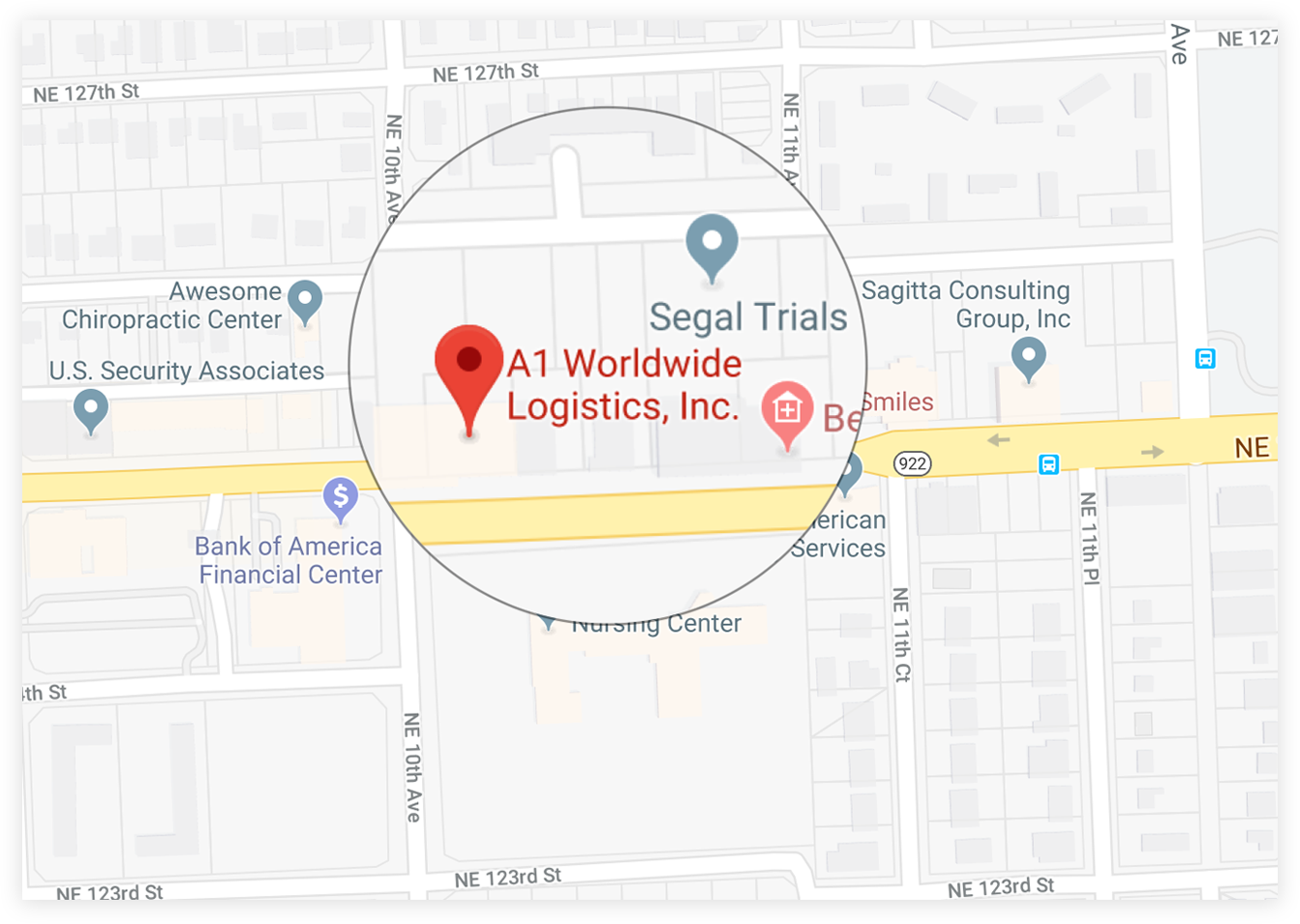
 1035 NE 125th St Suite #320, North Miami, FL 33161.
 a1worldwidelogistics.com
 (305) 821-8995
 Hours: 8AM - 5PM