
by A1 WorldWide Logistics | Feb 19, 2026 | Customs Broker, Economic trends, Shipping Logistics
Navigating the Chinese New Year is essential to consider when shipping during this time of year. Chinese New Year is a 15-day celebration marking the beginning of the year on the lunisolar Chinese calendar. In 2026, the holiday begins on February 17 and finishes with the Lantern Festival on March 3. While it is a time for celebration, the Chinese New Year can significantly disrupt international shipping. Understanding its impact on supply chains is crucial in preventing delays and backlogs. This article explains how the holiday affects shipping and how shippers can prevent disruptions during this period.
How is International Shipping Impacted By the Chinese New Year?
Exporting over $3.5 trillion in 2025, China is the world’s largest shipping company by volume. During the Chinese New Year, carriers, ports, and logistic hubs close or operate at limited capacity. This occurs weeks before and after the holiday, disrupting international shipping and supply chains. In particular, the shutdowns can lead to labor shortages, reduced capacity, and congestion. Port congestion may increase at US ports as shippers import higher-than-usual volumes ahead of the holiday. Customers expecting products may experience delays, especially in mid-to-late February. Another effect is that shippers may experience higher shipping costs due to delays and limited capacity. Truckers who pick up cargo from ports may also see higher costs.
How Can You Navigate the Chinese New Year?
Due to the Chinese New Year holiday, shippers must prepare in advance to prevent disruptions. It is ideal to import months in advance to ensure the cargo reaches the shipper before the holiday rush. Communicating with suppliers and freight forwarders is also beneficial in booking transportation space in advance or finding alternative routes. Importing from countries other than China can help mitigate price increases caused by delays and limited capacity. Switching to air transport is beneficial for smaller shipments that must be delivered within a timeframe. Another consideration is ensuring the paperwork is correct to avoid delays, such as having your goods held at customs.
Although importing goods into the US during this period may seem daunting, it should not disrupt cargo movement. Shippers should, however, take the proper steps to prevent disruptions and delays. When bringing in cargo from China or any other country, it is advisable to consult a customs broker. Customs brokers are licensed corporations, partnerships, and private individuals who arrange customs clearance on behalf of importers. In the US, they ensure shipments comply with CBP (Customs and Border Protection) regulations. Brokers do this by providing documentation, calculating duties, filing entries, and more. Reach our brokers at info@a1wwl.com or 305-912-0631 to learn about our services for getting your goods through customs.
by A1 WorldWide Logistics | Jan 27, 2026 | Customs Broker, Customs Broker Miami, Customs Clearance
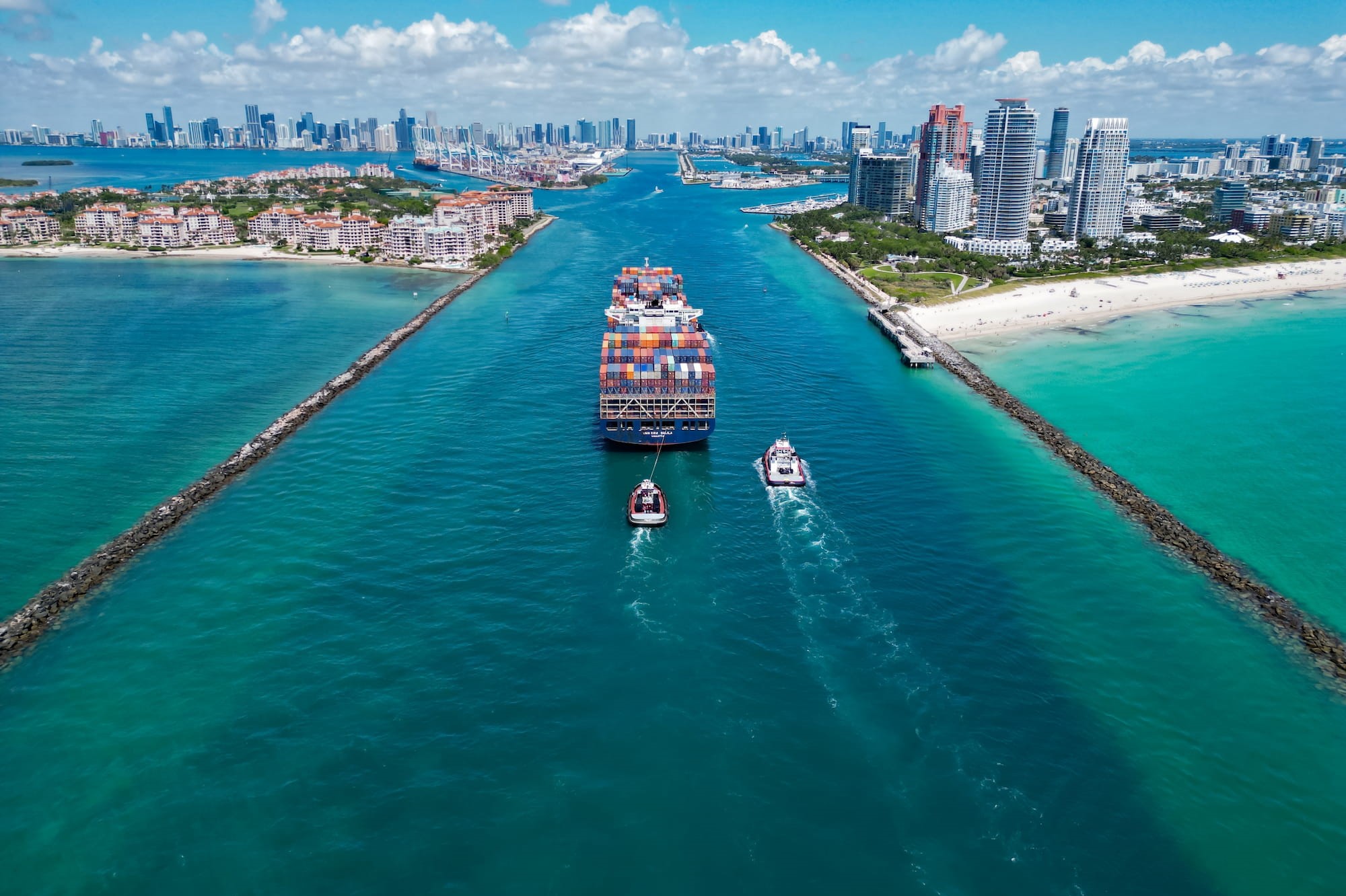
Due to the complexities of importing into the US, there are numerous benefits to working with a Miami customs broker. A Customs Broker is a licensed professional who coordinates the release of goods from customs upon entry into a country. In the US, brokers ensure compliance with the CBP (Customs and Border Protection). They do this by handling documents, calculating duties, filing entries, and more on the shipper’s behalf. Miami is a central location for US imports, and its location makes it a key hub for customs brokers.
Benefits Of Working With A Miami Customs Broker
Using customs brokers based in Miami is ideal, given Miami’s importance in international trade. A high volume of imports arrives in Miami each year due to its proximity to Latin America and the Caribbean. Due to the volume of goods entering the Port of Miami and Miami International Airport, brokers in the area have expertise in clearing a wide range of cargo. Miami customs brokers also provide value to shippers by helping them manage risk and control costs. They understand changing trade policies, tariffs, and free trade agreements, and can help avoid penalties. Businesses importing into South Florida or using Miami as a transshipment point can both benefit from its customs brokers.
A1 Worldwide Logistics
When importing into the US, shippers may encounter various regulations that can be confusing. Failure to comply with these regulations can result in delays and disruptions, potentially causing financial losses. A1 Worldwide Logistics understands this and has customs brokers that can help importers navigate the shipping process. Contact A1 Worldwide Logistics at info@a1wwl.com or 305-425-9456 to speak with our experienced broker about clearing your goods through customs.
by A1 WorldWide Logistics | Jan 12, 2026 | Shipping Logistics
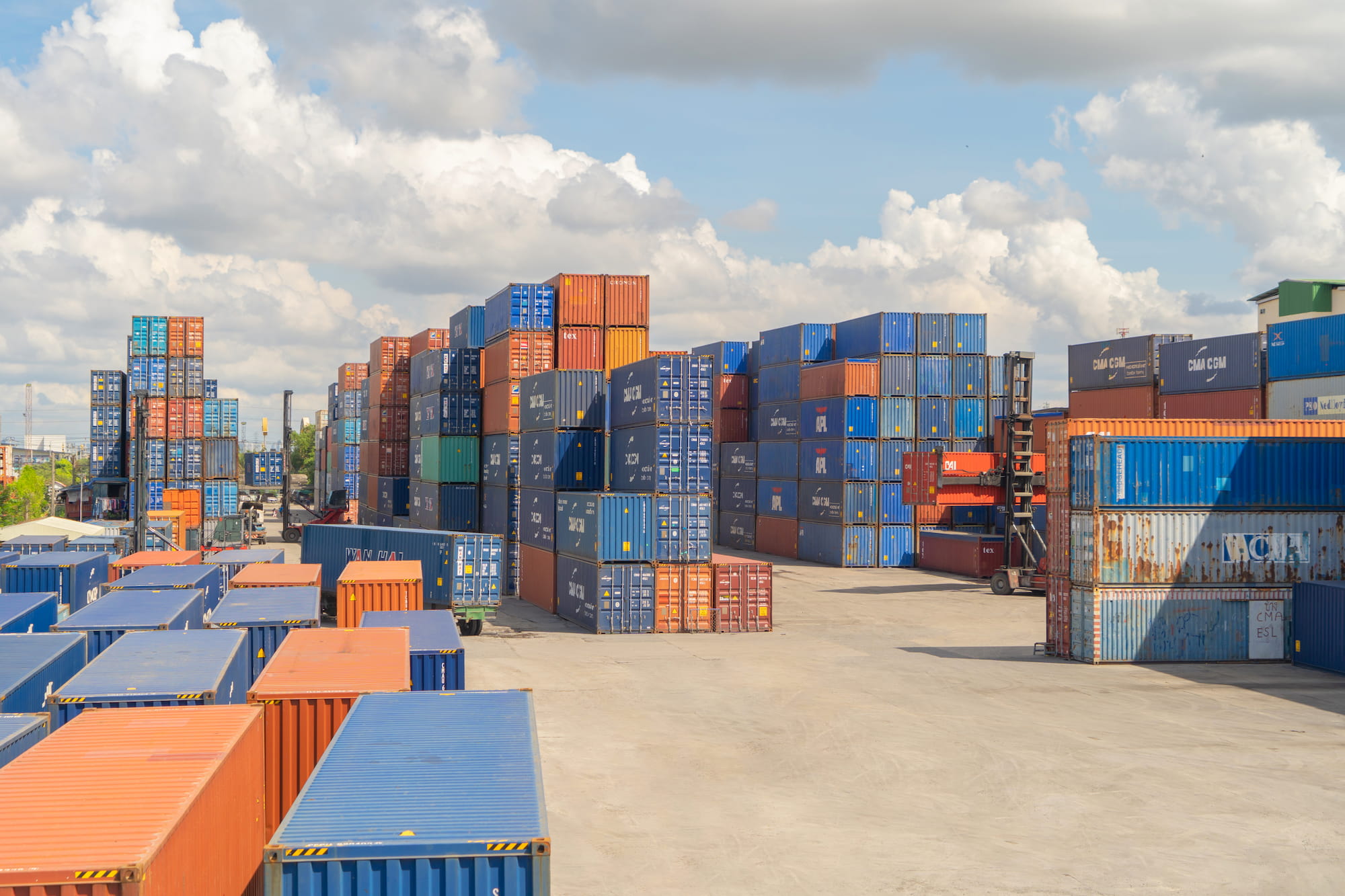
When your freight forwarder tells you, “Your container has arrived at the port,” it’s easy to think your job is done. In reality, the most sensitive part of the process is just beginning. The arrival doesn’t mean your goods are ready for delivery yet. Instead, it means you’re entering a new phase that involves customs clearance, port charges, documentation, and time-sensitive decisions. This article outlines what happens after your container arrives at the port and also how to avoid costly delays or unexpected fees. Whether this is your first import or you’re looking to streamline the process, here’s what you need to know.
What “Container at Port” Really Means
When a container arrives at the port, the unloader unloads it from the vessel and moved to a storage area within the terminal, known as the primary customs zone. During this point:
- The goods are under customs control.
- You can’t access the container yet.
- Time-sensitive port storage charges begin to apply.
Your next steps will determine how quickly and efficiently customs releases your cargo.
Key Steps After Arrival
| Step |
What Happens |
| Discharge vessel |
Container is offloaded and moved to terminal storage. |
| Manifest release |
The carrier sends the cargo manifest to customs. |
| Customs clearance |
A licensed customs broker submits documentation and pays duties. |
| Container release |
After clearance and fee payment, the port allows pickup. |
| Inland transport |
A truck picks up the container for final delivery. |
Why Documentation Matters
Incorrect or missing paperwork is one of the main reasons containers get stuck at the port. Key documents include:
- Bill of Lading (BL)
- Commercial Invoice
- Packing List
- Import licenses or permits (if applicable)
Ensure all documents are consistent and submitted early to avoid delays.
Customs Clearance and Duties
A licensed customs broker handles:
- Product classification
- Tax and duty calculations
- Electronic filing with customs
Once customs reviews the declaration, you must pay any applicable import duties and taxes. Only then customs will release the container.
Demurrage, Detention, and Storage Charges
Time is critical. Ports and shipping lines offer a limited free period (typically 5-7 days). After that:
- Demurrage is charged for containers left inside the port.
- Detention is charged if you delay returning the empty container.
- Storage fees are applied daily.
These charges can add up quickly. Avoid them by preparing in advance.
Final Delivery Coordination
Once released, you must schedule the container for pickup. Specifically, you must make sure:
- A truck is ready to enter the terminal.
- Your receiving location is prepared to unload.
- The empty container will be returned on time.
Efficient coordination during the process can saves both time and money.
Checklist After Arrival
- Confirm arrival and terminal location
- Collect and verify shipping documents
- Contact your customs broker
- Pay duties and port fees
- Schedule transport and delivery
- Track and return the empty container
FAQs
Do I need a customs broker to clear my container?
Yes, in most countries, only licensed brokers can submit customs declarations.
How long do I have before port charges apply?
Typically, 5-7 free days, but this varies by port and carrier.
What happens if port officials inspect my container?
Inspections can delay release and may add handling costs.
Can I speed up the process?
Yes, by preparing all documents in advance and staying in close contact with your broker.
What’s the difference between demurrage and detention?
Demurrage is charged when containers delays happen within the port. In contrast, detention applies after pickup if the shipper doesn’t return the container on time.
Having your container at the port is not the end — it’s the beginning of a critical final phase. With proper planning, timely communication, and accurate documentation, you can avoid additional fees, expedite release, and ensure your goods arrive smoothly.
If you’re managing your logistics and want reliable post-port support, check out A1 Worldwide Logistics, an expert in U.S. customs clearance and final-mile coordination. Contact us at info@a1wwl.com or 305-821-8995.
by A1 WorldWide Logistics | Jan 5, 2026 | Economic trends, Importing, Tariffs
An announcement from President Trump has led to the White House delaying tariffs until 2027. In particular, Trump is postponing planned tariff hikes on imported furniture products for one year. Some of these products include upholstered furniture, kitchen cabinets, and vanities. In September 2025, Trump imposed a 25% tariff on these goods and planned to raise it to 50% in 2026. The White House recently signed an order postponing the increase, which took effect on January 1, 2026. This delay is part of a rollercoaster of
tariff enforcement and reversals that has impacted the US in 2025.
Why Is The White House delaying tariffs?
The decision to delay a tariff increase follows the Trump Administration’s announcement of ongoing positive negotiations with trade partners. A significant issue was national security concerns related to the importation of wood products. The president initially imposed the 25% tariffs after a Section 232 investigation found that an overreliance on foreign timber may harm the US’s defense capabilities. Trump is delaying the tariffs to allow further negotiations with trade partners. The delay may also be due to addressing customer concerns about price increases.
What Can This Mean for Your Shipment?
Given the volume of furniture imported into the US, this postponement could significantly affect shipping, including lowering import costs. Trump’s initial imposition of the 25% tariff led to an immediate increase in import costs. Various parts of the supply chain were affected, from the importer to the customer. Truckers who had to move the goods to the final destination also incurred costs. A recent rollback of tariffs on 200 food products has further lessened inflation concerns. Demand for imports of goods such as furniture could also increase in the coming weeks as Trump reduces tariffs.
Despite tariff delays, importers should still take precautions when importing into the US. In addition to staying current with tariffs and regulations, consulting a customs broker is an ideal way to prepare. Customs Brokers are intermediaries between shippers and the US CBP (Customs and Border Protection) and coordinate customs clearance. They do this by ensuring regulatory compliance, providing documentation, calculating duties, filing entries, and more. Contact A1 Worldwide Logistics at 305-440-5156 or info@a1wwl.com to speak with our brokers about your shipment.
by A1 WorldWide Logistics | Dec 18, 2025 | Customs Clearance, Importing, Shipping Logistics
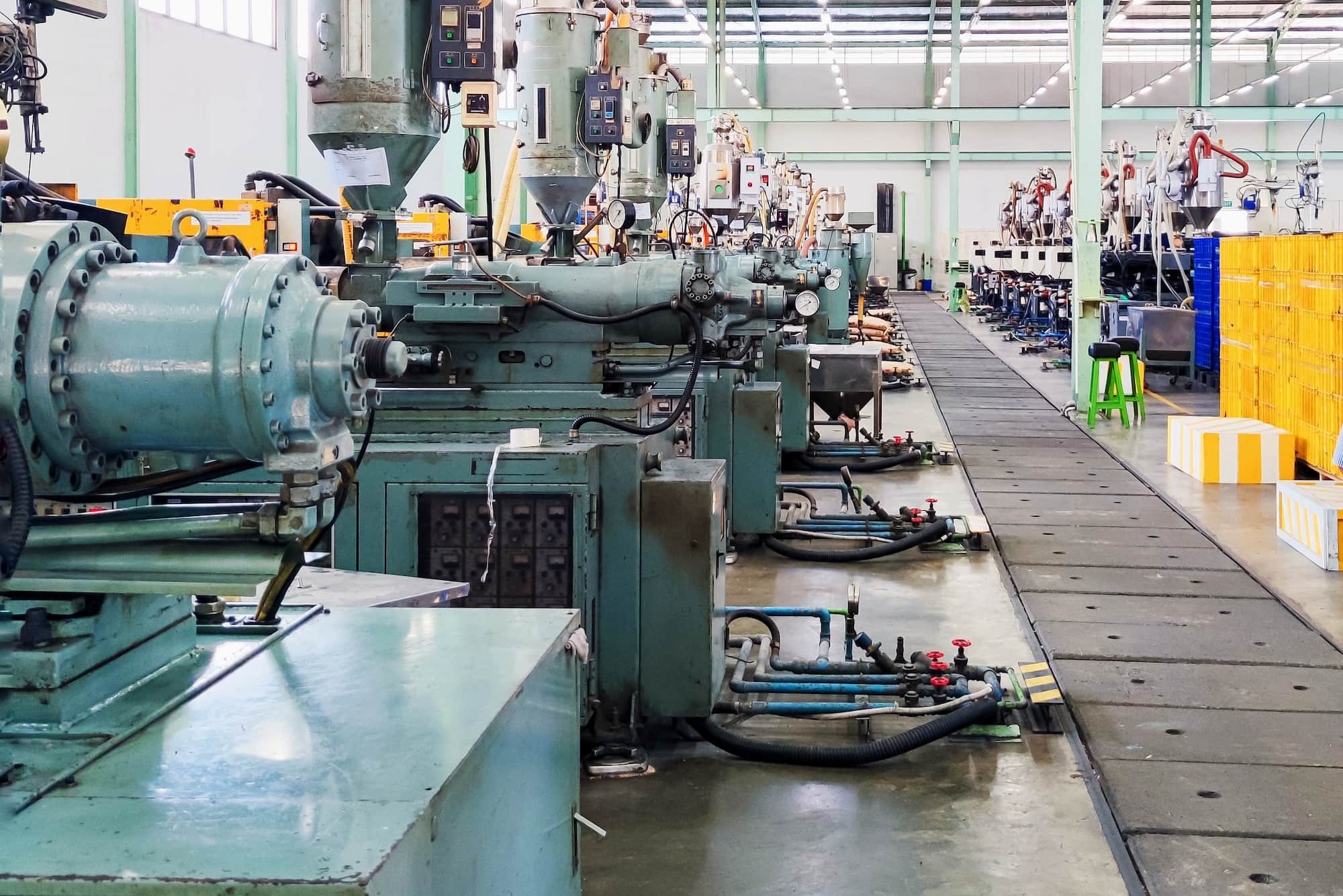
Despite its use across industries, there are several aspects shippers should understand when importing machinery into the US. CBP defines machinery as mechanical equipment that performs a specific function, including equipment used in commercial, industrial, and agricultural operations. Machines also have moving parts to produce, process, or transport goods. Examples include construction equipment, robotics, and electric generators. Cargo such as raw materials, hand tools, and individual spare parts is not classified as machinery by CBP. Due to the number of items that shippers can classify as machines, importing these goods may sometimes be challenging. This article explains the importation process for machines like heavy equipment and what to expect when starting.
What Should You Know Before Importing Machinery Into The US
When deciding whether to import, it is essential to understand the type of machinery you are bringing in. Laws and regulations for importing can vary by machine type. For example, food and medical devices may be subject to additional rules from the FDA (Food and Drug Administration). Used equipment may also be subject to additional requirements, such as EPA emissions compliance and USDA cleaning requirements. It is vital that the shipper properly cleans used machines and declares them as used. The importer should also ensure the correct HTS code is used, with most machines falling under HES chapters 84 (Mechanical Machinery) and 85 (Electrical Machinery).
The HTS (Harmonized Tariff Schedule) is the classification schedule the US uses to impose duties on imports. Contacting a customs broker can be an ideal way to ensure that you have the correct classification. You should also be aware of additional taxes that you may have to pay. Some include Section 301 tariffs, which are common for China-origin machinery, and Section 232 tariffs on steel and aluminum content. Another essential consideration before importing machines is ensuring you have the correct paperwork. Examples of required documentation include:
- Bill of Lading
- Commercial Invoice
- Packing List
- Arrival Notice
- DOT or EPA forms for specific machinery
The importer should also submit an ISF (Importer Security Filing) at least 24 hours before loading an ocean shipment for a vessel bound for the US.
What Is The Process?
When you are ready to import the cargo, it is essential to have the appropriate mode of transport. This can include the ocean, the air, or the land. The mode of transport may affect how long it takes for the shipment to reach the US. For example, air shipping typically takes 5-10 days, while sea shipping takes 20-45 days. You should also determine how you will ship the machine, for example, crated, containerized, ro-ro, etc. When the cargo arrives in the US, CBP will inspect it to verify compliance before releasing it. Providing incorrect documentation can lead to financial penalties and customs seizing the cargo. Once the cargo clears customs, you can contact a freight broker to arrange delivery to the final destination.
While this article explains the process for importing machinery into the US, disruptions can still occur. In turn, this may lead to delays, financial losses, and cargo losses. An ideal way to ensure a successful import is by coordinating with a customs brokerage like A1 Worldwide Logistics. Brokers are licensed individuals or corporations that arrange customs clearance for imports on behalf of the importer. In the US, they ensure compliance with CBP (Customs and Border Protection) regulations. Brokers achieve this by offering solutions like calculating duties, providing documentation, filing entries, and more. Speak to our brokers at info@a1wwl.com or 305-425-9456 to begin importing machinery and other cargo into the US.

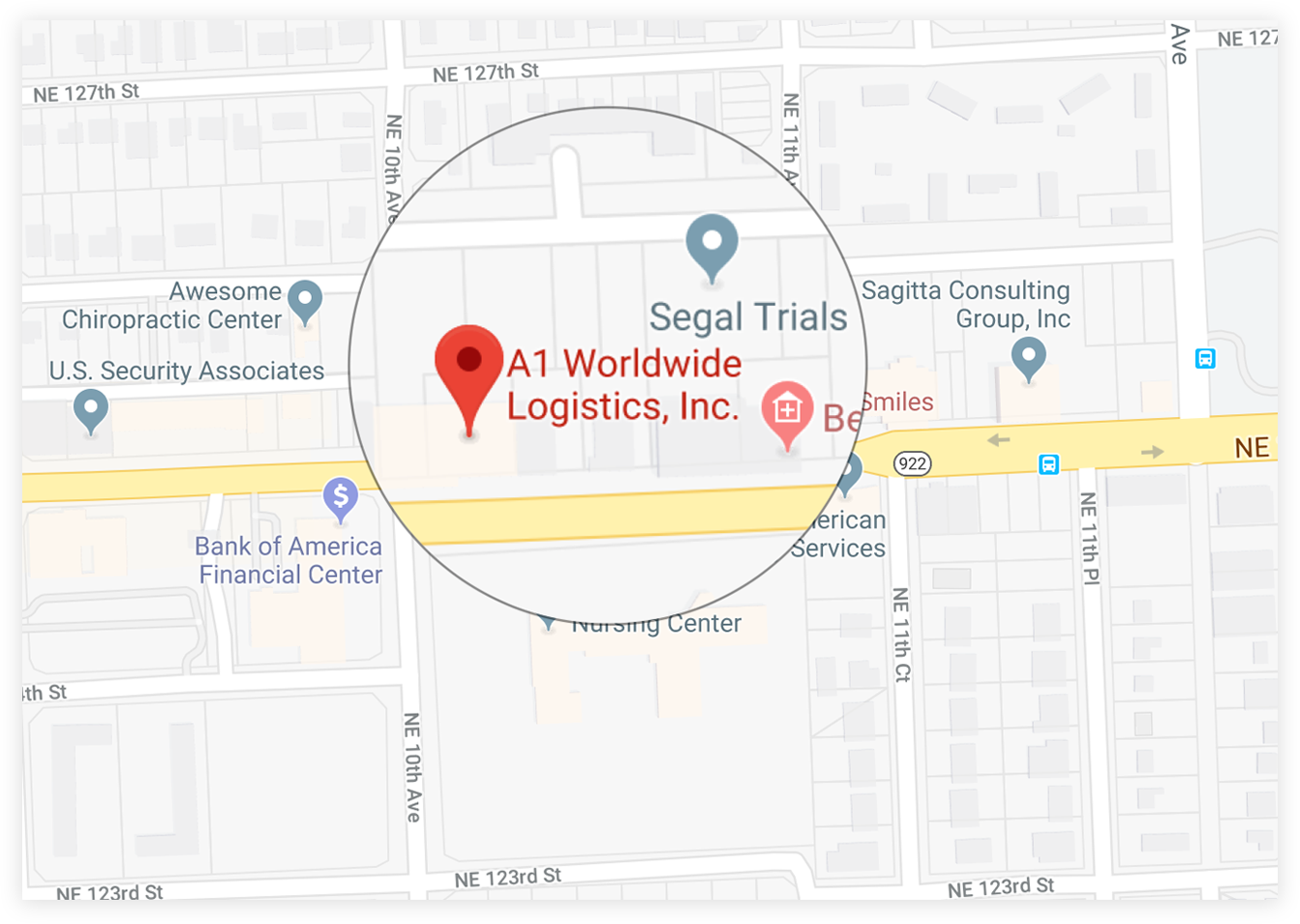
 1035 NE 125th St Suite #320, North Miami, FL 33161.
 a1worldwidelogistics.com
 (305) 821-8995
 Hours: 8AM - 5PM