by A1 WorldWide Logistics | Jan 12, 2026 | Shipping Logistics
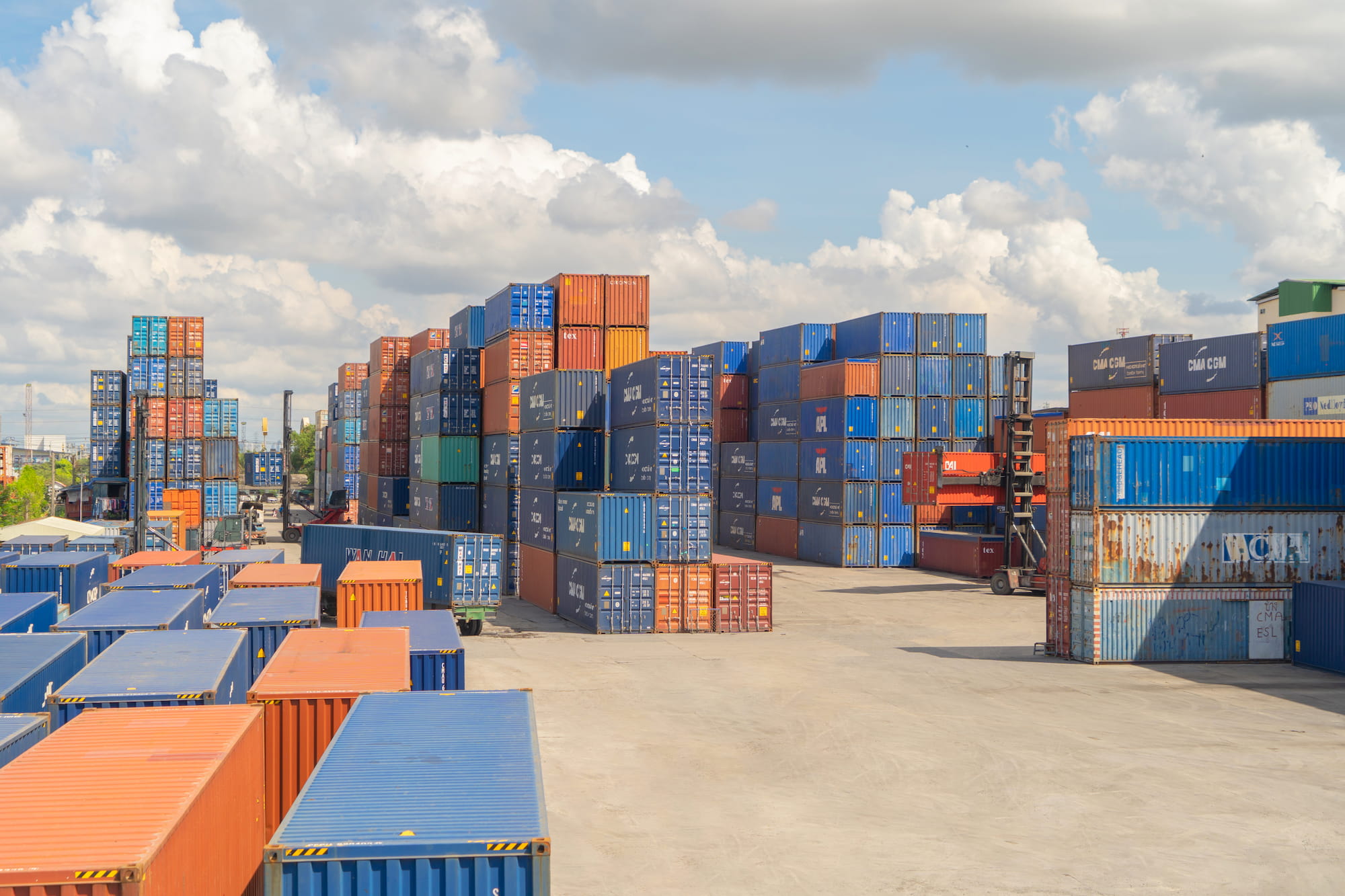
When your freight forwarder tells you, “Your container has arrived at the port,” it’s easy to think your job is done. In reality, the most sensitive part of the process is just beginning. The arrival doesn’t mean your goods are ready for delivery yet. Instead, it means you’re entering a new phase that involves customs clearance, port charges, documentation, and time-sensitive decisions. This article outlines what happens after your container arrives at the port and also how to avoid costly delays or unexpected fees. Whether this is your first import or you’re looking to streamline the process, here’s what you need to know.
What “Container at Port” Really Means
When a container arrives at the port, the unloader unloads it from the vessel and moved to a storage area within the terminal, known as the primary customs zone. During this point:
- The goods are under customs control.
- You can’t access the container yet.
- Time-sensitive port storage charges begin to apply.
Your next steps will determine how quickly and efficiently customs releases your cargo.
Key Steps After Arrival
| Step |
What Happens |
| Discharge vessel |
Container is offloaded and moved to terminal storage. |
| Manifest release |
The carrier sends the cargo manifest to customs. |
| Customs clearance |
A licensed customs broker submits documentation and pays duties. |
| Container release |
After clearance and fee payment, the port allows pickup. |
| Inland transport |
A truck picks up the container for final delivery. |
Why Documentation Matters
Incorrect or missing paperwork is one of the main reasons containers get stuck at the port. Key documents include:
- Bill of Lading (BL)
- Commercial Invoice
- Packing List
- Import licenses or permits (if applicable)
Ensure all documents are consistent and submitted early to avoid delays.
Customs Clearance and Duties
A licensed customs broker handles:
- Product classification
- Tax and duty calculations
- Electronic filing with customs
Once customs reviews the declaration, you must pay any applicable import duties and taxes. Only then customs will release the container.
Demurrage, Detention, and Storage Charges
Time is critical. Ports and shipping lines offer a limited free period (typically 5-7 days). After that:
- Demurrage is charged for containers left inside the port.
- Detention is charged if you delay returning the empty container.
- Storage fees are applied daily.
These charges can add up quickly. Avoid them by preparing in advance.
Final Delivery Coordination
Once released, you must schedule the container for pickup. Specifically, you must make sure:
- A truck is ready to enter the terminal.
- Your receiving location is prepared to unload.
- The empty container will be returned on time.
Efficient coordination during the process can saves both time and money.
Checklist After Arrival
- Confirm arrival and terminal location
- Collect and verify shipping documents
- Contact your customs broker
- Pay duties and port fees
- Schedule transport and delivery
- Track and return the empty container
FAQs
Do I need a customs broker to clear my container?
Yes, in most countries, only licensed brokers can submit customs declarations.
How long do I have before port charges apply?
Typically, 5-7 free days, but this varies by port and carrier.
What happens if port officials inspect my container?
Inspections can delay release and may add handling costs.
Can I speed up the process?
Yes, by preparing all documents in advance and staying in close contact with your broker.
What’s the difference between demurrage and detention?
Demurrage is charged when containers delays happen within the port. In contrast, detention applies after pickup if the shipper doesn’t return the container on time.
Having your container at the port is not the end — it’s the beginning of a critical final phase. With proper planning, timely communication, and accurate documentation, you can avoid additional fees, expedite release, and ensure your goods arrive smoothly.
If you’re managing your logistics and want reliable post-port support, check out A1 Worldwide Logistics, an expert in U.S. customs clearance and final-mile coordination. Contact us at info@a1wwl.com or 305-821-8995.
by A1 WorldWide Logistics | Dec 18, 2025 | Customs Clearance, Importing, Shipping Logistics
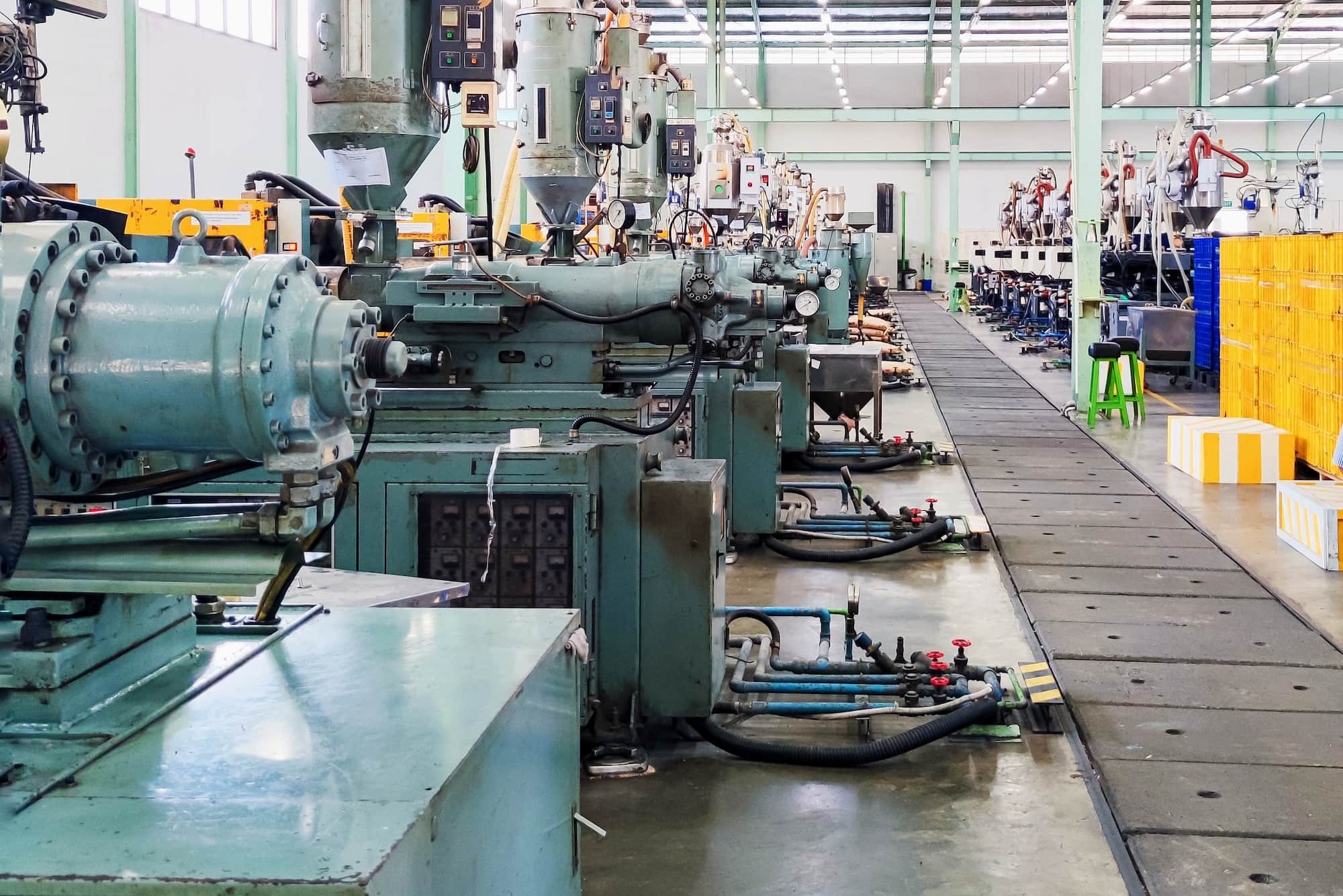
Despite its use across industries, there are several aspects shippers should understand when importing machinery into the US. CBP defines machinery as mechanical equipment that performs a specific function, including equipment used in commercial, industrial, and agricultural operations. Machines also have moving parts to produce, process, or transport goods. Examples include construction equipment, robotics, and electric generators. Cargo such as raw materials, hand tools, and individual spare parts is not classified as machinery by CBP. Due to the number of items that shippers can classify as machines, importing these goods may sometimes be challenging. This article explains the importation process for machines like heavy equipment and what to expect when starting.
What Should You Know Before Importing Machinery Into The US
When deciding whether to import, it is essential to understand the type of machinery you are bringing in. Laws and regulations for importing can vary by machine type. For example, food and medical devices may be subject to additional rules from the FDA (Food and Drug Administration). Used equipment may also be subject to additional requirements, such as EPA emissions compliance and USDA cleaning requirements. It is vital that the shipper properly cleans used machines and declares them as used. The importer should also ensure the correct HTS code is used, with most machines falling under HES chapters 84 (Mechanical Machinery) and 85 (Electrical Machinery).
The HTS (Harmonized Tariff Schedule) is the classification schedule the US uses to impose duties on imports. Contacting a customs broker can be an ideal way to ensure that you have the correct classification. You should also be aware of additional taxes that you may have to pay. Some include Section 301 tariffs, which are common for China-origin machinery, and Section 232 tariffs on steel and aluminum content. Another essential consideration before importing machines is ensuring you have the correct paperwork. Examples of required documentation include:
- Bill of Lading
- Commercial Invoice
- Packing List
- Arrival Notice
- DOT or EPA forms for specific machinery
The importer should also submit an ISF (Importer Security Filing) at least 24 hours before loading an ocean shipment for a vessel bound for the US.
What Is The Process?
When you are ready to import the cargo, it is essential to have the appropriate mode of transport. This can include the ocean, the air, or the land. The mode of transport may affect how long it takes for the shipment to reach the US. For example, air shipping typically takes 5-10 days, while sea shipping takes 20-45 days. You should also determine how you will ship the machine, for example, crated, containerized, ro-ro, etc. When the cargo arrives in the US, CBP will inspect it to verify compliance before releasing it. Providing incorrect documentation can lead to financial penalties and customs seizing the cargo. Once the cargo clears customs, you can contact a freight broker to arrange delivery to the final destination.
While this article explains the process for importing machinery into the US, disruptions can still occur. In turn, this may lead to delays, financial losses, and cargo losses. An ideal way to ensure a successful import is by coordinating with a customs brokerage like A1 Worldwide Logistics. Brokers are licensed individuals or corporations that arrange customs clearance for imports on behalf of the importer. In the US, they ensure compliance with CBP (Customs and Border Protection) regulations. Brokers achieve this by offering solutions like calculating duties, providing documentation, filing entries, and more. Speak to our brokers at info@a1wwl.com or 305-425-9456 to begin importing machinery and other cargo into the US.

by A1 WorldWide Logistics | Aug 21, 2025 | Economic trends, Importing, Shipping Logistics
International shipping could soon feel the impact as the end of de minimis approaches on August 29. On July 30, President Trump signed an executive order to suspend the exemption for all countries importing into the US. The de minimis is a threshold value below which goods can enter a country tax-free. In the US, the amount is currently $800 or less after rising from $200 in 2016 due to e-commerce. Trump initially eliminated the de minimis for China on May 2, but the current pause will be for every nation. Taxes for imports previously under the exception will now be assessed by country-specific reciprocal tariffs or the international postal system.
Duties for goods imported through the international postal system will now be assessed by ad valorem or specific duty. Ad valorem is a tax based on the origin country and evaluated on the value of the cargo. Specific duty is a fee between $80 and $200 based on the IEEPA rate of the origin country. Trump has various goals behind eliminating the de minimis, including combating illegal and deceptive trade practices. Since packages that fall under this exemption tend to be subjected to less scrutiny than regular imports, shippers have used it to bring in illicit fentanyl and other drugs into the US. De minimis shipments, increasing from approximately 134 million to 1.36 billion in the last nine years, further increased the volume.
What Does The End Of De Minimis Mean For Shippers?
Ending the exemption will directly affect shippers due to the goods that other countries import into the US. The most significant impact of ending de minimis is the higher costs for importers. Every shipment will now require duties, customs entry, and paperwork, regardless of value, increasing the price. Online buyers and sellers will feel the effect with many de minimis shipments coming from e-commerce. Logistics providers from different countries have already paused US-bound shipments due to the challenges in quickly adapting to compliance requirements. Another issue that can arise from returning customs entry requirements is a slowdown in the shipping process and potential delays.
If the shipper is a business that sells products, the higher costs could fall on the customers. Especially with the peak season notably increasing the number of products entering the US. Shippers have already begun finding ways to adapt to the higher costs, including importing in bulk. Consolidating shipments into larger sizes instead of importing thousands of smaller sizes can protect against the price increase. Another solution has been nearshoring production into US locations and shipping goods domestically. Importers have also moved manufacturing to nearby countries like Mexico and Canada, allowing easier importation through trade agreements.
A1 Worldwide Logistics
Shippers must be aware of laws and regulations affecting their shipments when bringing goods into the US. Understanding the various regulations can help prevent potential delays, monetary losses, and cargo losses. Another way shippers prepare when importing into the US is by speaking to a customs broker. Brokers are licensed professionals who facilitate the clearance of imports across the country’s borders. They do this by calculating duties, providing documents, filing entries, offering consultation, and more. In the US, brokers ensure compliance with CBP (Customs and Border Protection). Contact A1 Worldwide Logistics at 305-440-5156 or info@a1wwl.com to speak to our brokers about providing a successful importation.

by A1 WorldWide Logistics | Aug 8, 2024 | Customs Clearance, Importing, Shipping Logistics
When purchasing goods from Temu, it is essential to understand the customs clearance for Temu orders. Temu is an online marketplace recently gaining popularity due to its discounted customer goods. Most of the products on the website are made and shipped directly from China to the U.S. Despite the potential for cost savings and other benefits of importing from Temu, it doesn’t come without its challenges. Since workers make most of the items in factories and warehouses in China, customs clearance is required when importing them. This article will explain what can go wrong in the customs clearance process and how to prevent holdups from happening.
What Is the Customs Clearance Process?
The customs clearance process begins when a buyer purchases goods in Temu that they will import into the U.S. The order will include necessary documentation like the customs declaration form and other documents provided by Temu. Shippers will also be responsible for essential import duty payments; however, some retailers offer a pre-paid duty option. Once the shipment reaches the destination port, customs authorities may inspect if the goods comply with regulations. They may also check for prohibited or restricted items entering the U.S. Once everything is correct, Temu will give a “Customs Clearance Completed” status update, and customs will release the cargo. A local carrier will then move it to the final destination or a distribution center.
While the clearance process may seem more straightforward since the goods are from an online marketplace, many things can still go wrong. Temu has recently been getting a reputation for late or disappearing shipments. A reason why this is happening is due to the cargo being stuck at customs. Holdups happen for various reasons, including incorrect import value and inaccurate shipment information. The importation of illegal items can also lead to holdups. For example, the CBP prohibits certain dangerous toys and animal products from China from entering the U.S. It is crucial to understand that goods held up at a port after a specific time lead to detention charges.
How Can You Ensure A Smooth Customs Clearance For Temu Orders?
Due to the numerous things that can go wrong during importing, shippers should take the necessary steps to prevent holdups. While a Temu order differs from a regular import, customs delays can still happen. The shipping details must be accurate to avoid delays in the importation process. The shipper should also be ready to pay any required duties to prevent delays. Importers must also understand the various regulations for bringing freight into a country. Customs clearance can take longer than expected, even if everything is fine with the shipment. This may be due to peak season or shipping during times of high volume.
Another way to prevent holdups at customs is by using the assistance of a customs broker. Brokers coordinate cargo release from customs by ensuring it complies with the laws and regulations. They do this by handling the necessary documentation, permits, duties, classification, and more on behalf of the shipper. Along with the clearance of regular imports, brokers also can help clear Temu orders. Reach A1 Worldwide Logistics at 305-423-9513 or info@a1wwl.com to speak to a customs broker regarding clearing your shipment. Whether you are an individual bringing in online purchases or a business importing products, we help with the clearing process.
by A1 WorldWide Logistics | May 30, 2024 | Shipping Logistics, Supply Chain, Transportation
A vital consideration a shipper must make when transporting goods internationally is reducing ocean freight costs. Shipping by sea is the most common way cargo moves globally, accounting for over 90% of international trade. Despite its popularity, there can be numerous expenses that may confuse even the experienced shipper. While certain fees are unavoidable, there are specific ways that shippers can reduce the overall price of transporting by sea. Whether you are shipping as an individual or from a company, this can benefit your supply chain. Saving costs is especially important with recent market conditions and the rise in container rates. This article will explain the best ways to lower expenses.
How Do Carriers Calculate Shipping Costs?
Ocean carriers that move freight internationally have different ways of calculating costs. It is crucial to note that cargo has base rates that depend on the shipment type. Other volumes include the weight, volume, distance, origin, and more. The mode of transport is also a crucial consideration. For example, containerships transport sea freight in different ways, including FCL (full container load), LCL (less than container Load), and RoRo (roll-on/roll-off). There are also additional fees like fuel and special handling surcharges. When importing into a country, there are also port terminal handling charges and customs duties a shipper should know. Shipments can also have optional insurance costs for cargo damage or loss.
What Are The Most Effective Ways of Reducing Ocean Freight Costs?
While there are numerous ways to save on ocean freight costs, the most popular ways that shippers use include the following:
- Consolidating Shipments – Consolidation is a method of shipping where a shipper combines multiple orders into one shipment. The shippers share the transportation cost by fitting various shipments into one container. This can reduce costs, and consolidation can speed up the delivery and customs clearance process.
- Negotiate With Multiple Carriers – Since countless carriers move cargo internationally, each has its shipping rates. A shipper can negotiate these rates and get the best quote amongst the transporters. Having solid relationships with steamship lines is critical in negotiating prices. Using online freight marketplaces to compare quotes is also ideal for finding cost-effective options.
- Optimize Shipping Routes – A carrier’s route to transport freight directly impacts the cost. Shorter, more direct lanes are less costly than more extended ones. Avoiding routes with high congestion is also helpful, as it can increase costs and lead to other issues.
- Pay Attention To Cargo Packaging – A way to optimize costs that shippers tend to overlook is to optimize packaging. Not packing cargo optimally can add extra volume and space, raising costs.
- Ship Off Peak Season – Peak season is when shipping demand is high. This season usually starts in mid-August, goes to the end of October, and sometimes extends to November. An effect is that the cost of shipping internationally tends to rise. Deciding to ship before that period can help in saving costs.
Using The Help of a Freight Forwarder
Finding the best cost to transport your goods can be crucial for individual and business shippers. Another way to reduce ocean freight costs is to use the assistance of a freight forwarder to ship internationally. Forwarders are connected to a network of carriers and can negotiate the best rate to move your shipment. Contact A1 Worldwide Logistics at 305-821-8995 to discuss your cargo’s movement with our forwarders.

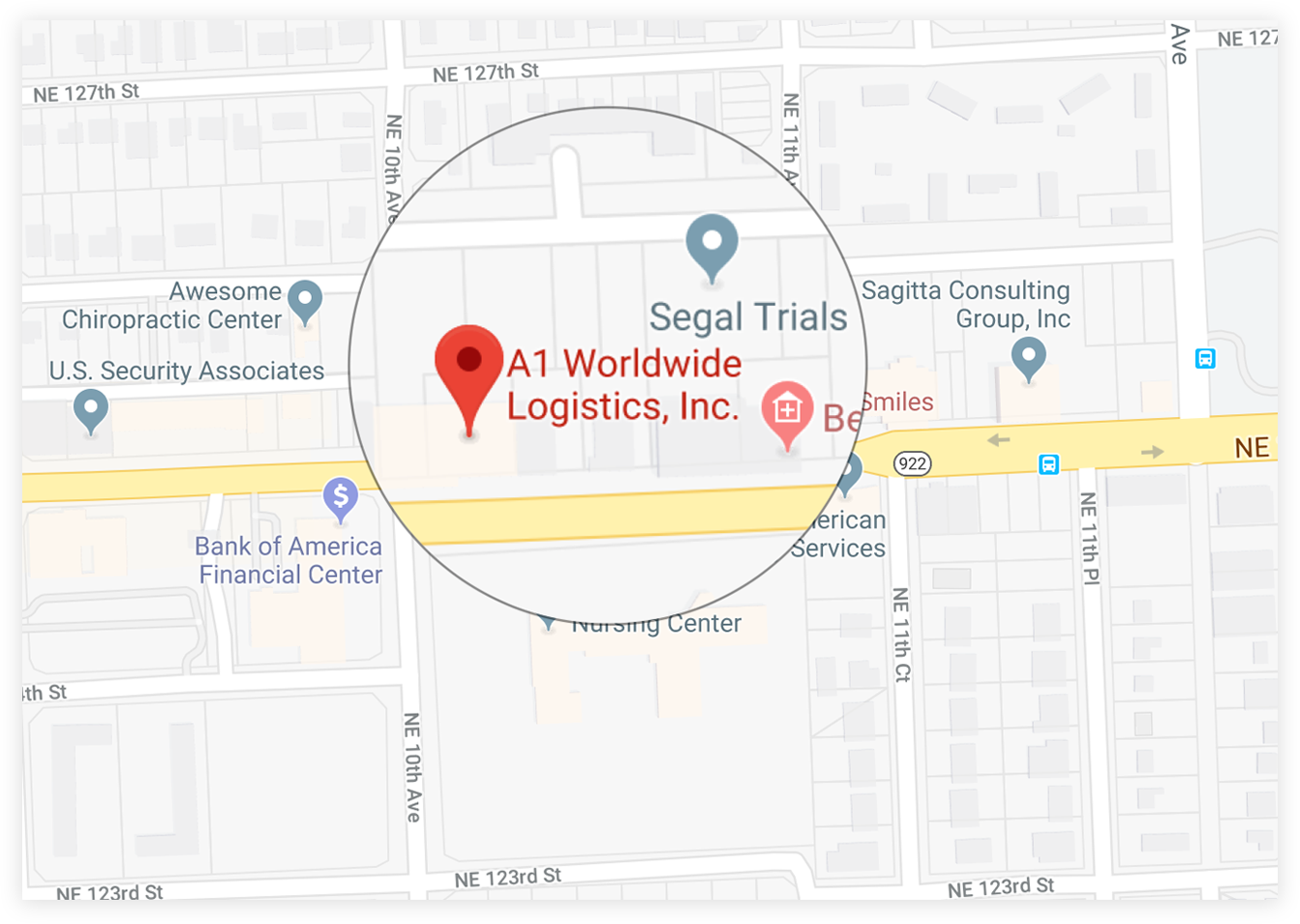
 1035 NE 125th St Suite #320, North Miami, FL 33161.
 a1worldwidelogistics.com
 (305) 821-8995
 Hours: 8AM - 5PM