by A1 WorldWide Logistics | Dec 12, 2024 | East Coast Protests, Importing, Supply Chain
The National Retail Federation (NRF) predicts container imports will increase into the new year and could continue into spring. Data from the NRF’s Global Port Tracker, which tracks America’s biggest importers, notes an increase in the near future. In January 2025, the NRF forecasted 2.2 million TEUs (Twenty-Foot Equivalent) more than January 2024. The surge has already been evident, with imports in October 2024 up approximately 9.3% year-over-year. December projections could see a 14.3% TEU import compared to the previous year. As container imports continue to rise, international shipping could have numerous implications. This article will explain why container importations are increasing and the impact it will have on shippers.
What Are Causing Container Imports To Increase?
Various scenarios, such as threats of port strikes and tariff increases, are leading to a rise in container imports. On October 1st, 2024, approximately 45,000 International Longshoremen’s Association (ILA) dockworkers walked out of ports protesting for better contracts. They are also protesting against the use of automation, which threatens job security. Two days later, the strike ended, with the USMX and ILA agreeing to extend contracts until January 15th, 2025. With the extension date nearly a month away, shippers are importing to avoid any potential protests that could arise. The NRF recently urged the ILA and Port employers to continue negotiations, but there was no response.
Another contributor to the container surge is the new tariff imports that the Trump Administration recently announced. When in office, Trump will impose a 25% tariff increase on all goods entering the U.S. from Canada and Mexico, along with an additional 10% tariff on goods coming from China. Shippers import cargo before the inauguration date to avoid an increase in cost. The NRF advocated that the Trump administration should deploy the tariffs more strategically instead of using a broad-based method. Along with increasing taxes, the hikes could result in higher logistic and customer costs. The new tariffs and the potential of a port strike create a sense of urgency for shippers.
How Will Shippers Be Affected By A Rise In Container Imports?
As container imports into the U.S. continue to rise, international shipping can have numerous implications. A higher volume of containers arriving at a port may increase the chances of port congestion, resulting In delays. In turn, this could lead to supply chain disruptions, with delays leading to potential shortages of products. The cost for shippers, carriers, and customers may also rise as the demand for transportation increases. Despite the possible adverse impact of a rise in imports on shippers, it could benefit domestic shipping. Drayage services for picking up containers from ports could soon see a significant increase in volume.
When shipping internationally, it is essential to understand how a rise in imports can impact your shipment. This allows the shipper to take preventive methods to protect their supply chain from disruptions. Another way that an importer or exporter can prepare is by using the help of a 3PL (third-party logistics.) provider. 3PLs handle various parts of a shipper’s supply chain, including customs clearance, shipping storage, and more. They ensure a shipment’s success by assisting you through the journey and providing the best course of action. Call A1 Worldwide Logistics at 305-425-9513 or email us at info@a1wwl.com to learn about our 3PL solutions.

by A1 WorldWide Logistics | Nov 14, 2024 | Shipping Logistics, Supply Chain, Transportation
With electronics being a popular U.S. import, optimizing logistics for electronics imports can be an excellent opportunity for shippers. In 2023, the U.S. brought approximately $463.36 billion in electrical and electronic goods. Since there is such a high demand for these types of goods, it may be attractive to importers. However, there are many steps that a shipper should be aware of. Failure to prepare correctly can lead to disruptions, which result in delays and monetary loss. Understanding shipping logistics is especially crucial for businesses that ship large volumes of electronics yearly. This article will explain what to expect when bringing in electronics and how to improve the importation process.
What Should You Know Before Importing Electronics Into The U.S.?
Before importing electronics, it is essential to understand that there are various laws and regulations. Organizations such as the Customs and Border Protection (CBP) and the Federal Declaration of Conformity (FCC) determine the requirements for importation. The Food and Drug Administration (FDA) regulates all radiation-emitting devices humans use. Each organization can have its requirements for importation. For example, the CBP requires specific paperwork for goods entering the U.S. These documents include a commercial invoice, customs bond, bill of lading, etc. It is also essential to note the regulations can depend on the type of electronic. Electronics is a broad term that includes consumer products, medical equipment, digital technology, etc.
Classifying the type of electronic is necessary to determine the product’s HTS code. The HTS (Harmonized Tariff Schedule) code is a 10-digit number that defines the duties that the importer has to pay. Classifying the goods incorrectly can result in non-compliance penalties, delays, and product seizure. Understanding the type of electronics is also vital for knowing the registration process. Before beginning the importation of medical devices, the shipper must register with the FDA. The FDA also requires listing the device along with the premarket notification and approval. Similarly, importing products like televisions, radios, or telephones requires registration with the FCC by a Declaration of Conformity or certification.
How Can You Optimize Logistics For Electronics Imports?
Once you are ready to ship your electronics, optimizing logistics for importation can be advantageous for your supply chain. There are various ways to optimize, such as choosing the appropriate conveyance method. If the shipper wants to move their products quickly, shipping by air could be ideal. Likewise, sea transport would be suitable if the shipper wants to move large quantities at a lower rate. Shippers can talk to a freight forwarder or customs broker to complete paperwork and comply with regulations. A forwarder coordinates the shipment’s movement while a broker ensures compliance with the CBP.
For regular supply chains, the logistics for importing electronics continue after they reach the U.S. Importers typically look for warehousing to store their cargo, and customs-bonded warehouses are an ideal choice. A bonded warehouse is a facility where importers can store freight for up to 5 years without payment of duties. This allows the importer to save money and find customers before they must pay taxes for the shipment. A1 Worldwide Logistics has a bonded warehouse and numerous other optimization solutions. Reach us at info@a1wwl.com or 305-425-9513 to learn more about our custom bonded warehousing solutions. We also have freight forwarders and customs brokers to ensure your shipment’s success.

by A1 WorldWide Logistics | Nov 7, 2024 | Importing, Shipping Logistics, Transportation
While it is an excellent opportunity for shippers, there are numerous considerations to understand before importing tea into the U.S. Tea is one of the most commonly consumed beverages in the U.S., and over 159 million Americans drink it daily. Nearly 80% of all American households have tea products. While typical, bringing tea to the U.S. has many regulations and steps importers should know. Failure to comply with these guidelines can result in customs holding your goods and cargo loss. This article will explain what to be aware of beforehand and what to expect during the importation process.
What Should You Know Before Importing Tea Into The U.S.
Before deciding to import tea into the U.S., it is essential to understand the regulations involved. The Food and Drug Administration (FDA) is the primary federal agency that regulates tea importation. When importing, it gives specific food safety standards you must follow before bringing it to the U.S. According to the FDA, all food facilities must register and provide advanced notice to the department before importing tea. The Food Safety Modernization Act (FSMA) further states that facilities that manufacture, process, or pack foods like tea must submit additional information and allow the FDA to inspect registered facilities. Tea-producing facilities must renew registration with the FDA every other year.
Along with filing a notice to the FDA before importation, tea must have proper labeling before importing. The Nutrition Labeling and Education Act (NLEA) provides information on what the FDA package label should contain. Some of the info includes the tea name, quantity, nutrition facts, ingredient statement, allergen declaration, etc. To assist the FDA in determining if your tea abides by requirements, shippers can provide Affirmation of Compliance Codes. While not necessary for importation, providing A of C codes can help quicken the screening process.
Documents Required For Importation
For all cargo coming into the U.S., a shipper must provide necessary documentation to the Customs and Border Protection (CBP). Not filing the paperwork correctly can lead to delays and financial penalties for the importer. Some of the documents that the CBP requires for importation include:
- Bill of Lading
- Commercial Invoice
- Packing List
- Certificate of Origin
Shipments arriving in the U.S. by ocean must also submit an Import Security Filing (ISF). The ISF explains the content of the cargo, who is importing it, the product, and more. Along with having the proper documentation, the shipper must have the correct HTS Code. A Harmonized Tariff Schedule (HTS) code determines the appropriate duty rate for the cargo. Tea has specific codes depending on the package, type, origin, and intended use. You can find the proper HTS code using an online lookup tool or speaking to a customs broker.
How To Start?
Once the tea arrives in the U.S., it may also be vital to arrange domestic shipping and warehousing. With all the requirements to bring tea into the U.S., it can be challenging for inexperienced importers. An ideal way to begin is by using the assistance of a customs broker. A broker is a company or individual that clears goods that enter a country on behalf of an importer. They do this by ensuring the shipment complies with regulations, preparing documentation, calculating duties, etc. Reach A1 Worldwide Logistics at 305-425-9456 or info@a1wwl.com to speak to a customs broker regarding importation.
by A1 WorldWide Logistics | Sep 25, 2024 | East Coast Protests, Supply Chain
Finding solutions for navigating a port strike is becoming increasingly essential, with a coastwide ILA protest nearly a week away. The International Longshoremen’s Association (ILA) plans to strike on October 1st when their six-year contract ends. Talks with the United States Maritime Association (USMX) about new contracts have stopped, and the deadline is quickly approaching. Supply chains that import into East and Gulf Coast ports may soon feel disruptions from port shutdowns. Over 43% of all imports into the U.S. go through these ports, resulting in billions in revenue. This article will explain some ways to mitigate the effects of a potential strike.
What is the Impact of a Coastwide Strike?
The ILA is a union of over 65,000 members handling cargo at nearly 40 East and Gulf Coast ports. With the size of the ILA, a protest can bring more than half of U.S. port operations into pause. A supply chain analyst notes that ports may not clear a two-week strike until 2025. Key industries that the strike will significantly impact include manufacturing, agriculture, retail, energy, and petrochemicals. In particular, a complete shutdown of ports will lead to delays for import and export shipments. Once a carrier enters a port, it could stay days at the dock, not being unloaded by workers. Shippers have already begun rerouting their cargo to West Coast ports to avoid potential slowdowns.
Rerouting to West Coast ports may also lead to longer transport shipper transport times and higher costs. Another impact of an international strike is that fees for international shipping can drastically increase. These expenses include capacity costs, per diem, storage, demurrage chassis, pre-pull, etc. Shippers, carriers, and clients feel the effects of a port strike. For example, clients can view carriers negatively if they have to increase costs and reroute shipments. With the amount of revenue the U.S. generates from exports and imports, a strike could cause extensive economic damage.
The Best Solutions for Navigating A Port Strike
Due to the substantial effect of a potential strike, finding solutions for protecting your cargo is critical. This can mean delaying the shipment until the protest is over. Freight leaving from a port of origin after September 20th will likely be affected by the strike. For goods that are already in transit, redirecting to West Coast ports may be the best solution. It is crucial to understand that West Coast ports are already at high volumes due to the number of shippers rerouting, so you may experience higher transit times. Using other methods of conveyance, like shipping by land or air, can be beneficial for crucial shipments.
With the strike approaching quickly, shippers must be current by constantly checking the news. Another way to protect your cargo is by shipping with the assistance of a freight forwarder. Forwarders ensure the transport of your goods in the most effective, safest, and cost-effective way. They educate the shipper on what to expect and find the best action for your cargo’s transport. A1 Worldwide Logistics has freight forwarders, along with an extensive number of solutions for navigating a potential strike. Speak to us at 305-425-9513 or info@a1wwl.com for assistance importing or exporting in and out of the U.S.
by A1 WorldWide Logistics | Aug 29, 2024 | Freight, Shipping Logistics, Technology
Understanding the actual cost of freight is a vital consideration when shipping internationally. The actual cost is the total amount the shipper pays to ship goods from one location to another. CBP describes it as the amount that goes to the international carrier, freight forwarder, insurance company, and other service providers. Failure to find the correct total can impact the supply chain in numerous ways. For example, underpaying an import that must go through customs can result in a cargo hold at customs. This article will describe what goes into determining the cost and the documents shippers can use as evidence.
What Determines The Actual Cost of Freight?
Due to the numerous factors involved with shipping cargo internationally, many components can determine freight costs. These include outside considerations along with the shipment itself. The type of goods that a carrier is moving is a primary basis for the shipment. For example, freight can be fragile, hazardous, or perishable and require special handling, which may lead to higher pricing. Valuable goods like jewelry are expensive to ship due to their high monetary value. Weight and volume are other determinants of freight costs. Heavier shipments typically cost more than lighter ones. Oversized cargo, like large machinery, may also have higher costs due to the handling.
Along with the freight that the shipper is moving, outside factors like the method of conveyance can determine the costs. Despite the benefits of transportation by air or sea, airfreight tends to be more expensive. The distance of cargo transport also influences costs, with longer distances costing more. Other determinates include fuel costs and additional services like handling, domestic shipping, and tracking. Shipments can also have insurance, which goes to the total freight cost. When goods enter the designated port, they must pay other charges like duties or taxes before customs releases them.
Where To Find The Actual Freight Cost?
Some of the documents that the shipper can use to find evidence of actual freight costs include:
Commercial Invoice – A commercial invoice is a document that acts as a transaction record between the exporter (seller) and importer (buyer). Customs officials use it to assess import duties and taxes; it is also evidence of sale for the shipper.
Bill of Lading – The bill of lading is a legal document between the shipper and carrier that describes what the shipper is shipping. It acts as a receipt for the cargo and provides vital information such as freight charges.
Proof of Payment – This document confirms a transaction between two parties. Examples include checks, bank statements, and letters of credit.
Freight Contracts and Agreements – These agreements between shippers and carriers outline the agreed-upon terms and conditions. They establish the parties’ responsibilities and can provide evidence of the actual cost.
It is essential to note that customs officials have the discretion to accept a document as evidence.
Although the documents described in the article can help find the actual freight cost, they may still confuse shippers. Due to the different fees involved in shipping internationally, inexperienced shippers can have difficulty determining the price. A way to find the total cost is by using the help of a freight forwarder. Forwarders are third-party companies that act as the middlemen between the shipper and the carrier transporting the goods. They determine the total transport cost, provide the paperwork, coordinate the cargo movement, and provide other solutions. Contact A1 Worldwide Logistics at 305-425-9752 or info@a1wwl.com to speak to a forwarder regarding the success of your shipment.

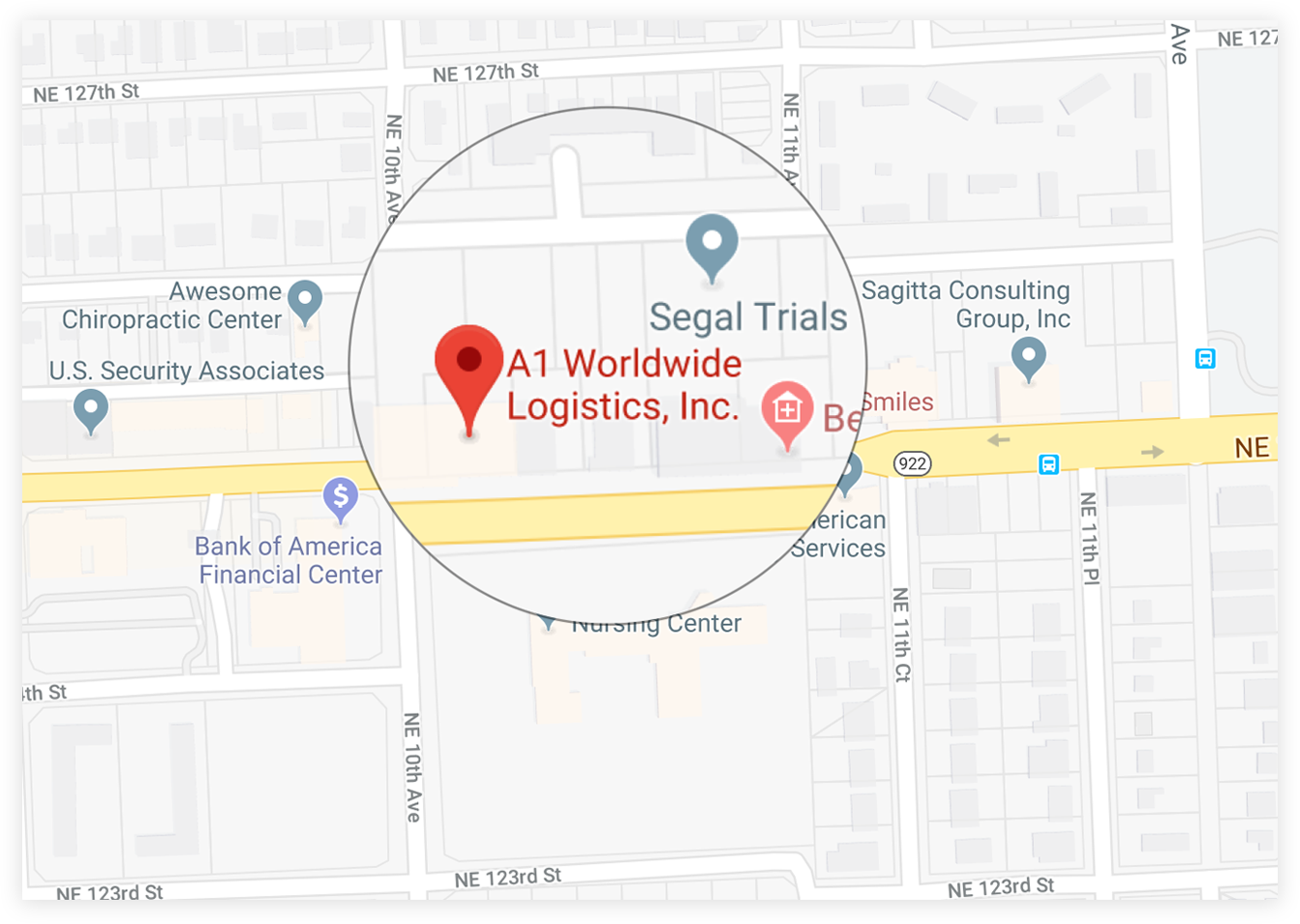
 1035 NE 125th St Suite #320, North Miami, FL 33161.
 a1worldwidelogistics.com
 (305) 821-8995
 Hours: 8AM - 5PM