by A1 WorldWide Logistics | May 19, 2022 | Freight Forwarding, Import and Export Experts, Shipping Logistics, Supply Chain, Transportation
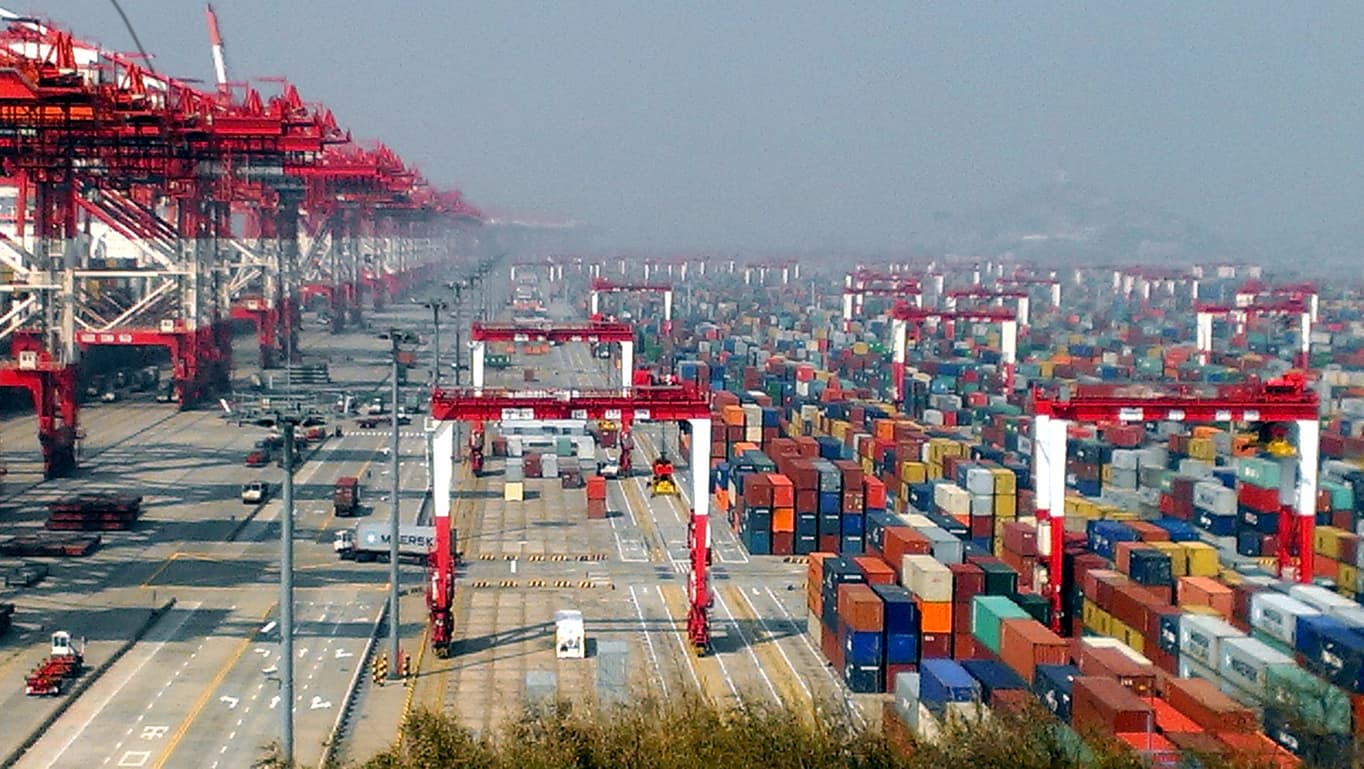
In the past few weeks, the Port of Shanghai had been working at a limited capacity due to the coronavirus pandemic. Now, operations in the port have opened to close to normal levels. Shanghai, China, has been on lockdown because of the “zero COVID” policy and has started to reopen in stages. This opening began with industrial production and manufacturing industries and then went to commercial businesses like stores and pharmacies. Additionally, The Port of Shanghai has slowly opened import and export operations. City authorities have noted that “normal life” will return to Shanghai on June 1, 2022.
This reopening of the city and port is significant for the world of international shipping. When Shanghai and its port shut down, the shipping industry instantly felt the blow. Overseeing an estimated 744 million tons of cargo yearly, the Port of Shanghai is the largest and busiest seaport globally. The lockdown immediately increased the number of container ships outside the port by 195% and affected global supply chains. To prevent a backlog, 20,000 employees worked in the Shanghai port to keep it operating during the lockdown. The result was a throughput of 82% containers passing through the port in April compared to April of last year.
What May Happen in the Upcoming Months
As Shanghai returns to everyday life, the supply chains for various companies may resume pre-lockdown levels of normality. With increasing orders being placed from reopened manufacturing factories, the Port of Shanghai will feel increasing pressure. Not only is freight being exported out of the port but into the port as well. The need for trucks to move freight from and to the port will also rise. Because the Port of Shanghai is so extensive, the opening is highly positive for Shanghai and the world’s economy.
Once the lockdown ends, different ports worldwide may experience a higher volume of containers than usual. This is due to the containers pent up in the Port of Shanghai. Ports like the Port of Rotterdam, which has dealt with congestion in the past, may feel the load. The Port of Los Angeles has been stable during the lockdown due to assistance from the port of Ningbo. When the Port of Shanghai went on lockdown, the Ningbo port took its freight and moved it to the Port of Los Angeles. This movement was done with a priority and helped alleviate pressure for both ports. With the holiday season approaching in a few months, ports and shippers may have to prepare early for any circumstance.
Shipping World Continues to Move
During the last few years, the pandemic and the lockdowns have made their presence known in the world of international shipping. On the one hand, the urgency to have freight shipped has increased due to a spike on ecommerce and, on the other, staff dealing with shippings at the ports and through all the supply chain has been limited (public health restrictions).
Shippers may need more than ever to move their goods and we’re here to help. If you plan on importing/exporting freight from anywhere internationally, contact A1 Worldwide Logistics at 305-821-8995 to get started. With the biggest port in the world fully operational, we want to make sure your cargo is transported with no problems. A1WWL has experience importing cargo from China such as vehicles, electronics, metal clothing, etc. We also have exported machinery, luxury items, furniture, and much more from the U.S. to China.

by A1 WorldWide Logistics | May 13, 2022 | COVID-19, Freight Forwarding, Shipping Logistics, Technology
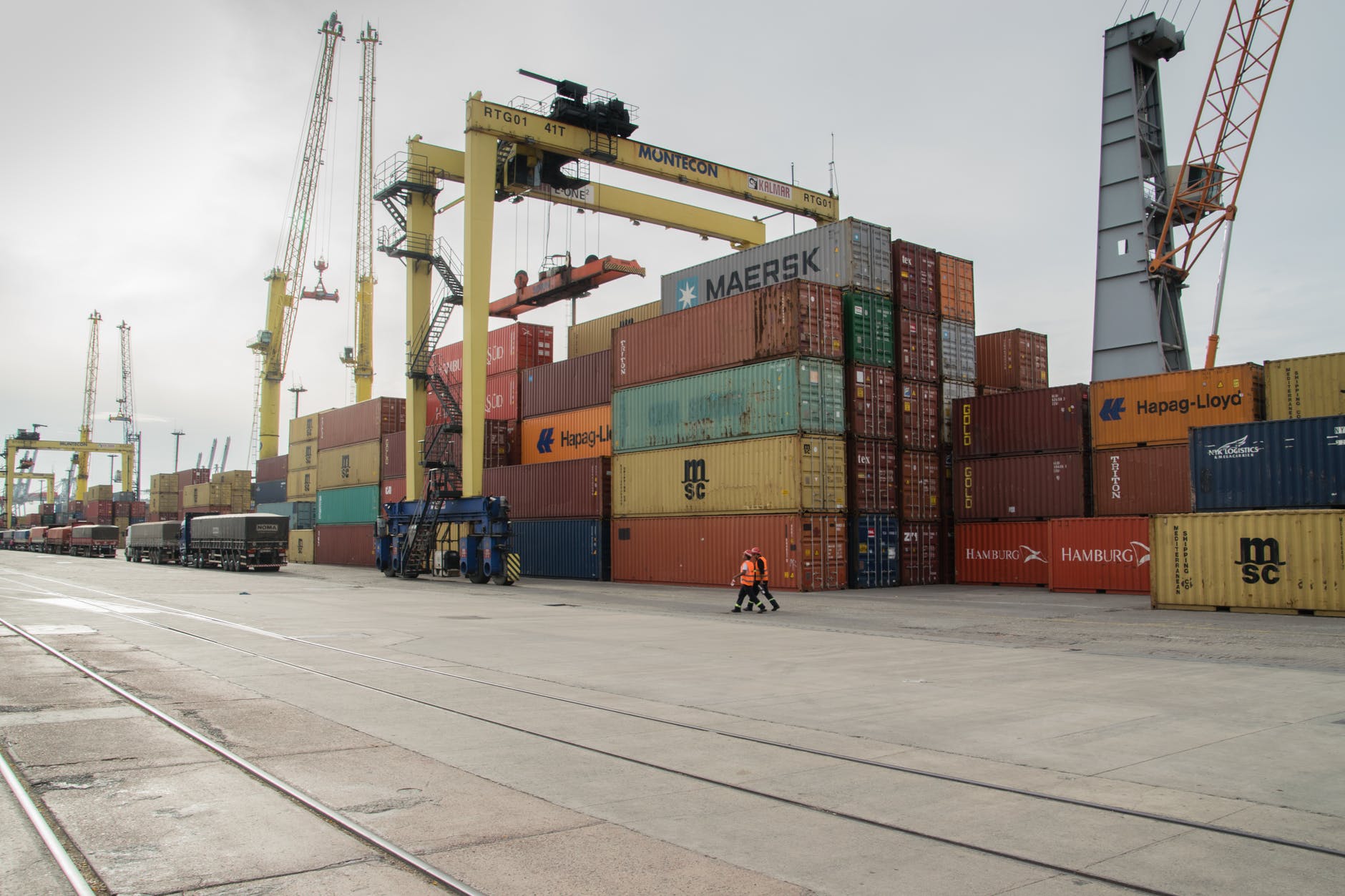
Over the past few decades, international commerce has seen technological advancements which allowed an increase in the cargo shipped globally. A recent development was the expansion of the Panama Canal, one of the most significant structures built for maritime trade connecting the Atlantic and Pacific Oceans. Yearly, it is responsible for the transit of over 13000 cargo vessels. Shippers especially felt the canal’s expansion during the COVID crisis, when the amount of freight shipped internationally grew exponentially.
Neopanamax Locks
In April of 2006, the former president of Panama announced the Panama Canal expansion project. Along with deepening current channels and increasing the water levels, the project included adding a third set of locks to the canal. In 2016, builders completed the Neopanamax locks, increasing freight volume moved through. Before 2016, the Panama Canal only had two sets of locks which allowed for a capacity of 5000 TEUs (Twenty Foot Equivalent). The Neopanamax permitted ships with 15000 TEUs to pass through, which meant more ships could go across. Canal Authority predicts that the cargo tonnage moved through the Panama Canal in 2005 will double by 2025.
Covid-19 Shipping Surge and the Panama Canal
When the COVID-19 pandemic started to make its way globally, most of the world’s nations imposed lockdowns. Instead of driving to a local store for merchandise, many goods were purchased online and delivered to the customers. This tread continued to rise even after the lockdowns ended. The number of freight containers shipped internationally increased significantly due to the COVID pandemic. More goods were purchased online and imported from different countries. The increased capability of Panama Canal has proved to be a key component in the context of the shipping surge generated by the pandemic.
One example of this is the transportation of grain exports from the U.S. Grain exports such as corn and soybeans are a common commodity moved through the Panama Canal. The Neopanamax locks allowed vessels to carry 25% more of bulk grain compared to when the canal had two sets of locks. COVID-19 further increased the need to export grains globally through the Panama Canal. In 2020, the value of global wheat exports rose by 10.9% compared to 2019 due to the demand. The Panama Canal’s expansion aided in streamlining the grain exportation. Another example of the positive impact of the Panama Canal’s expansion is the movement of LPG (Liquified Petroleum Gas) carriers to China.
The U.S. LPG exports rose 32% from January-July 2019 to January-July 2020. LPG exports like propane and butane are popular shipments to Asia. This is because China has the highest manufacturing output globally, and factories use LPG in creating polypropylene, a material used to produce plastic. LPG carriers in the U.S use the Panama Canal as the easiest way to reach China. Some other industries that could benefit from the Canal expansion are the automotive and the manufacturing ones, whose products will be more easily moved from the USA to Asia. If you need to have your goods cleared or shipped, contact A1 Worldwide Logistics at 305-821-8995 to begin the process. We have a team of experts ready to help you in the exporting/importing journey from US to China and all around the world.

by A1 WorldWide Logistics | May 6, 2022 | Agricultural imports, Customs Broker, Customs Broker Miami, Customs Clearance, Import and Export Experts, Shipping Logistics, Supply Chain
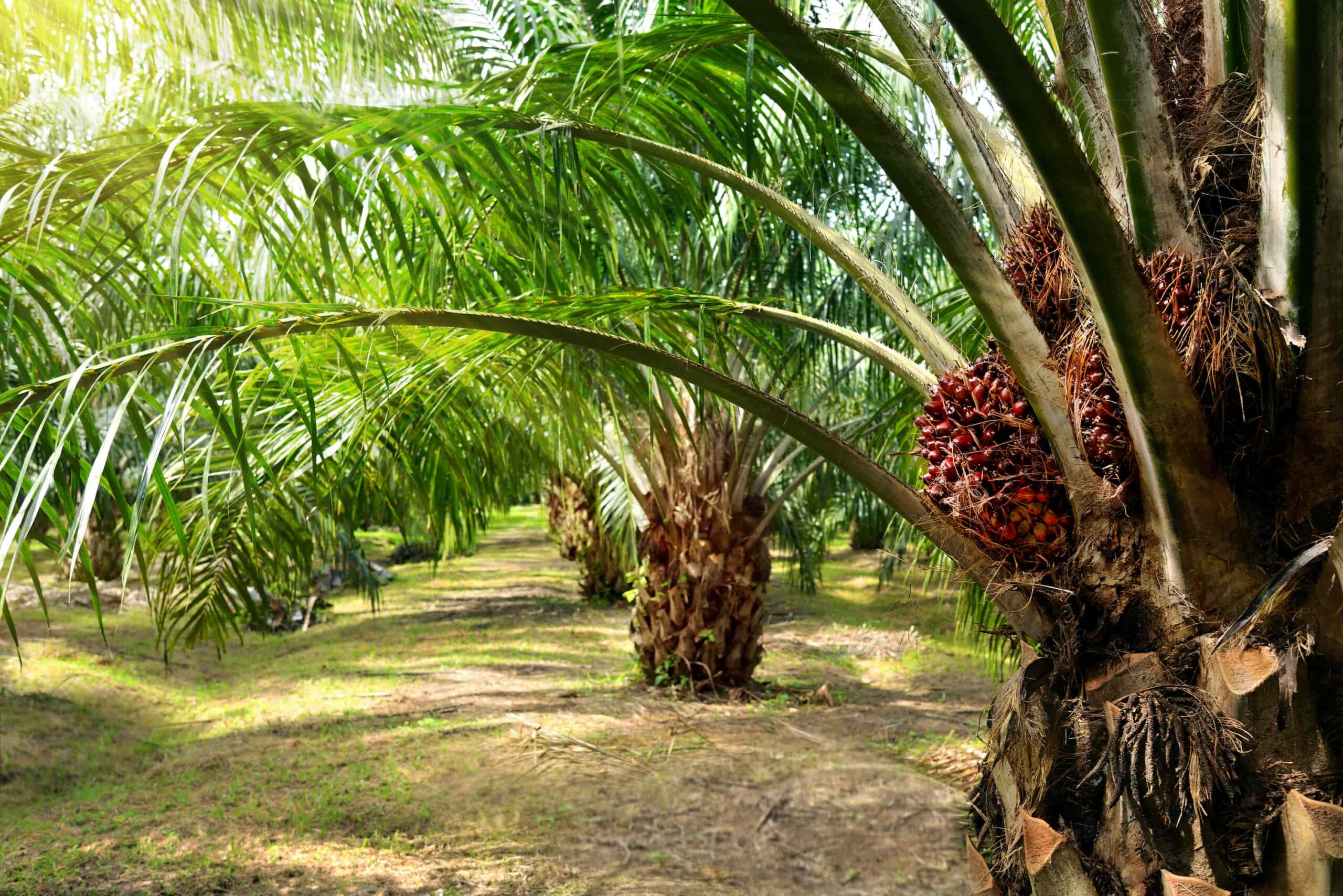
On April 28, the Indonesian government began banning palm oil export. At first, the export ban included only bleached, refined, and deodorized palm oils. However, very soon the ban got to include all types of palm oils. Palm oil is an edible oil used in many food products, detergents, cosmetics, and other products. 60% of the world’s palm oil is estimated to be produced and exported from Indonesia.
Why Is the Ban Happening
One of the main reasons Indonesia is banning palm oil exports is to boost domestic availability. The amount of palm oil available for use in Indonesia has decreased significantly due to rapidly rising prices. In a few months, the price of palm oil has increased by over 40%. Situations such as the COVID-19 pandemic and the war in Ukraine have increased demand for palm oil, as it is a substitute for sunflower oil, which Russia and Ukraine traditionally produce and are now scarce due to the war and economic restrictions. Producers in Indonesia have raised the price to a point where locals can no longer afford to buy the product. There have been protests on the streets of Indonesia due to the shortage.
Authorities in Indonesia have stated that the ban will remain in place until affordability and availability improve in the country. However, analysts predict that Indonesia could shorten the span to a few weeks. This is because palm oil is an ingredient in many food products globally (such as chips, Oreos, candy, and cereal). A short export pause can hurt Indonesia’s economy and the global food economy.
With Indonesia consuming around 33% of its palm oil production, the ban will quickly raise the availability in the country. The ban may create opportunities for countries like Colombia, Malaysia, and Thailand to export palm oil.
The Effects of Banning Palm Oil
Banning palm oil may have different effects on both local and worldwide buyers. The first of them is, obviously, a generalized edible oil inflation. The export ban will be beneficial for Indonesian citizens because it could lower the price of palm oil, but since the ban is for exporting the goods, it may negatively affect importers outside of Indonesia. As previously mentioned, countless food manufacturers use palm oil as an ingredient. The cost of palm oil is relatively cheap, making the finished product affordable for the customers. Without access, manufacturers may have to purchase more expensive oil options, increasing the price of the finished good.
Many importers have already decided to look at different countries like Malaysia to purchase palm oil. Responsible for producing 25% of the world’s palm oil, Malaysia is the second-biggest producer after Indonesia. The global demand has also moved to alternatives like soybean oil. The problem is that Argentina, the biggest producer of soybeans, is currently in a drought. Export taxes for soybean oil have also risen as a direct response to the war in Ukraine. Despite the issues presently being faced, the futures prices for soybean and palm oils have risen to record heights.
When the Indonesian government lifts the ban, the demand to export palm oil and other goods will still be existent. If you are a producer of palm oil or need to import palm oil into the U.S., Contact A1 Worldwide Logistics at 305-821-8995. Our skilled importers will guide you through the shipping process. We also offer customs brokerage services for goods coming into the U.S.
#exports #imports #COVID-19 #Indonesia #Ukraine #Russia #logistics #palmoil #exporting #customsbrokerage
by A1 WorldWide Logistics | Apr 15, 2022 | Air Freight, COVID-19
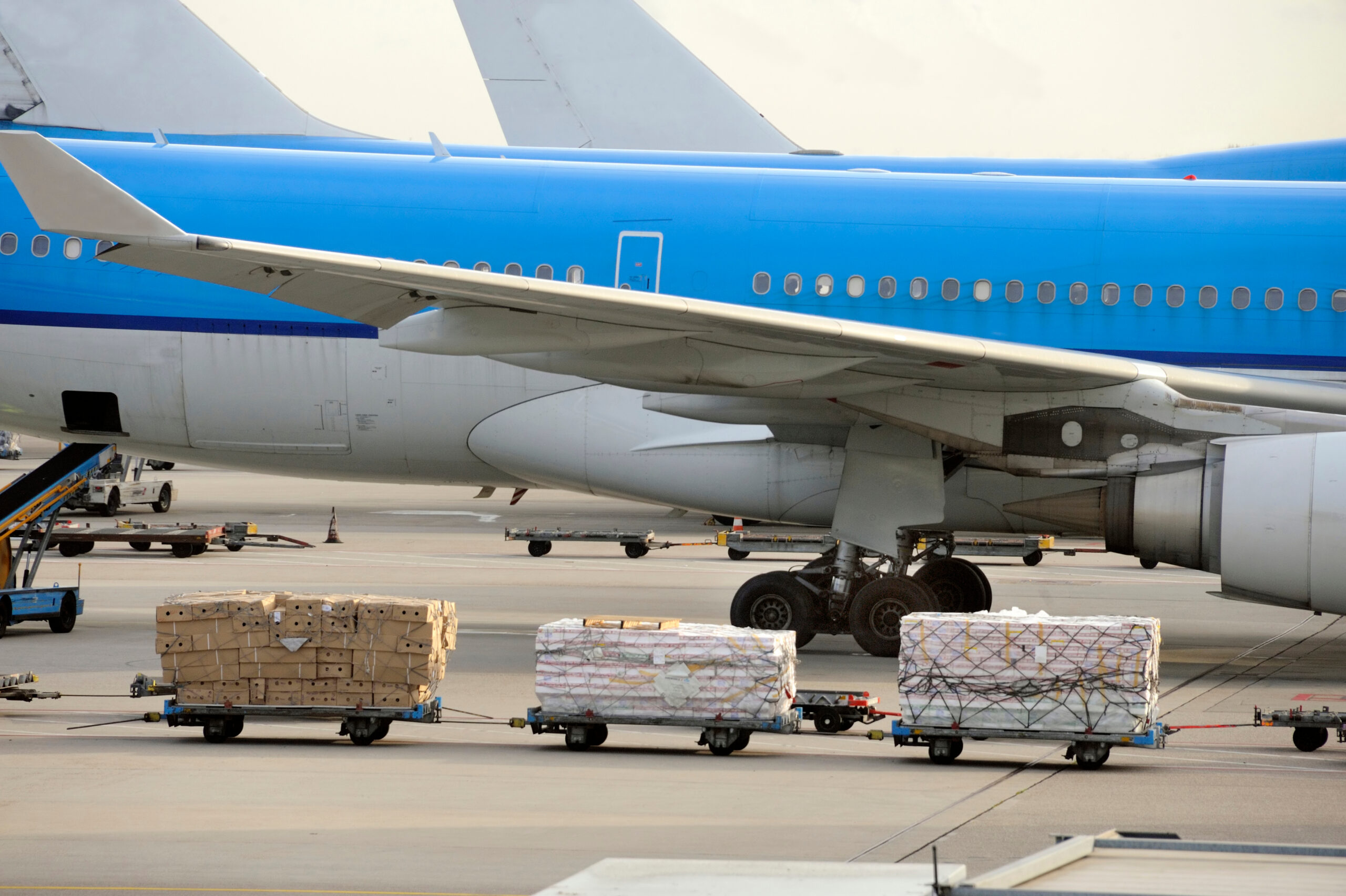
Around the time the coronavirus pandemic began, air freight rates began to have significant volatility. With the rates going up and down multiple times in the past few years, they tended to rise higher every time they went up. The air freight prices could reach new records in the next few months. The pandemic has created a dependence on different methods to transport freight, such as by air. This is during a time of limited capacity due to the pandemic. In 2022, with Russia invading Ukraine, China’s lockdown, and rising oil prices, this trend of air freight rate increase may persist.
Russia and Ukraine conflict
The war in Ukraine has directly affected the air cargo industry. Many carriers have been canceling their flights or taking longer routes to avoid the situation going on in Ukraine. While carriers started having a declining number of flights through Russia than before the war, the airspace in Ukraine has completely closed for flights. Many of the world’s biggest cargo aircrafts are located in Ukraine and Russia. Because of the war, the large cargo aircraft cannot be used. This results in a limited capacity for shipping by air and rise air freight rates on a large scale.
Another result of the conflict in Ukraine is the longer transit times for flight routes between Europe and Asia. To cope with the longer transit times, freight carriers may have to charge higher fuel prices. Significantly, when fuel costs are already rising, the longer routes will only add to the increasing rates. Different air carriers have also added extra surcharges for moving freight, such as a charge for border crossing.
China Lockdown
Last month, a surge in coronavirus cases led to a lockdown within several cities in China, including Shanghai. Shanghai is known to have the biggest seaports globally, the Port of Shanghai. With an estimated container value of 43 million TEU yearly, many supply chains around the world depend on the Port of Shanghai to move their freight. The lockdown limited the number of workers at the port, which slowed port operations. Since goods still had to move globally, shippers looked for other alternatives to move their goods. Shippers not only began switching to different seaports but airports as well.
When many shippers switch to air to move their goods, the capacity becomes tight and limited space means that the cost to move freight by air may go up. Like seaports, many airports in China have also felt the effects of lockdown. The Shanghai Pudong International Airport in Shanghai has recently begun announcing flight cancelations. Because of the lockdown, freight can also not be transported and picked up at the PVG airport. This leads to shippers moving freight to other airports, increasing cargo volume in those airports and air freight rates.
A1 Worldwide Logistics
Over the last few years, air freight transportation has seen its fair share of predicaments, and things may worsen. With the airfreight rates predicted to rise, we want you to be prepared and protect yourself from any surprises. Contact A1 Worldwide Logistics at 305-821-8995 for assistance with moving your goods. We will find the best rates and carriers to get your goods where they need to be. Our company will provide the best solution for your freight forwarding needs, whether importing or exporting.
by A1 WorldWide Logistics | Apr 12, 2022 | Freight Forwarding, Shipping Logistics, Supply Chain
Several districts in China have been on lockdown for the past few weeks due to Covid, and the impact is now being felt on global supply chains. As outbreaks began to surge in Shanghai, the lockdown has lengthened until further notice. This was after an announcement of 16766 positive coronavirus cases on April 5. Even before the lockdowns returned to China in March, many supply chains worldwide struggled to keep up with the overwhelming demand. With some of the world’s biggest ports being shut down, global supply chains may feel more significant stress.
In the past few years, the demand for shipping internationally has risen significantly. After the coronavirus made its way worldwide, ordering goods online instead of driving to a store became more common. When goods are bought online, they tend to be transported from different countries like China. While the number of goods shipped rose, the coronavirus was still present. Limited workers, lockdowns, and other effects of the coronavirus started to show in the supply chains of different companies globally.
How does this impact supply chains
One of the leading exports out of ports like Yantian and Shanghai located in China are electronic products. Manufacturers that create electronic products for large companies like Apple, Tesla, Samsung, and others are being forced to suspend operations. Foxconn, an electronics supplier to Apple, has recently announced that it will pause operations in Shanghai. Since Foxconn is one of Apple’s biggest suppliers, this may lead to product shortages in the next few weeks. The supplier outages will affect the supply chains of Apple and dozens of other electronics companies as well.
Companies have decided to move their manufacturing facilities away from lockdown zones to keep supply chains going during the current lockdown. However, the goods still have to be transported to the ports by truck. Not only are several highways shut down in the lockdown zones, but truck drivers also have to test negative for Covid a certain period before bringing containers to the ports.
Not only will the lockdowns affect production, but the shipping of the products as well. Because many ports in China are shut down, shipping orders can become delayed. China has some of the most prominent ports in the shipping world and many orders may be backlogged. This could mean that ports in Europe and the United States will increase inbounding cargo in the near future, further growing congestion in those ports. The ports in the Los Angeles area saw their fair share of issues last year. From equipment shortage to the backlog of vessels stuck at the ports, the lockdowns in China may prolong the challenges.
A1 Worldwide Logistics
Although different supply chains may be strained at the moment, the world of shipping is continuing. Freight is still being moved internationally. However, much greater precautions than usual may have to be taken when transporting goods. You must be informed of what to expect. If you need assistance with any part of your supply chain, contact A1 Worldwide Logistics at 305-821-8995. Our services include international shipping, customs clearance, trucking, warehousing, etc.

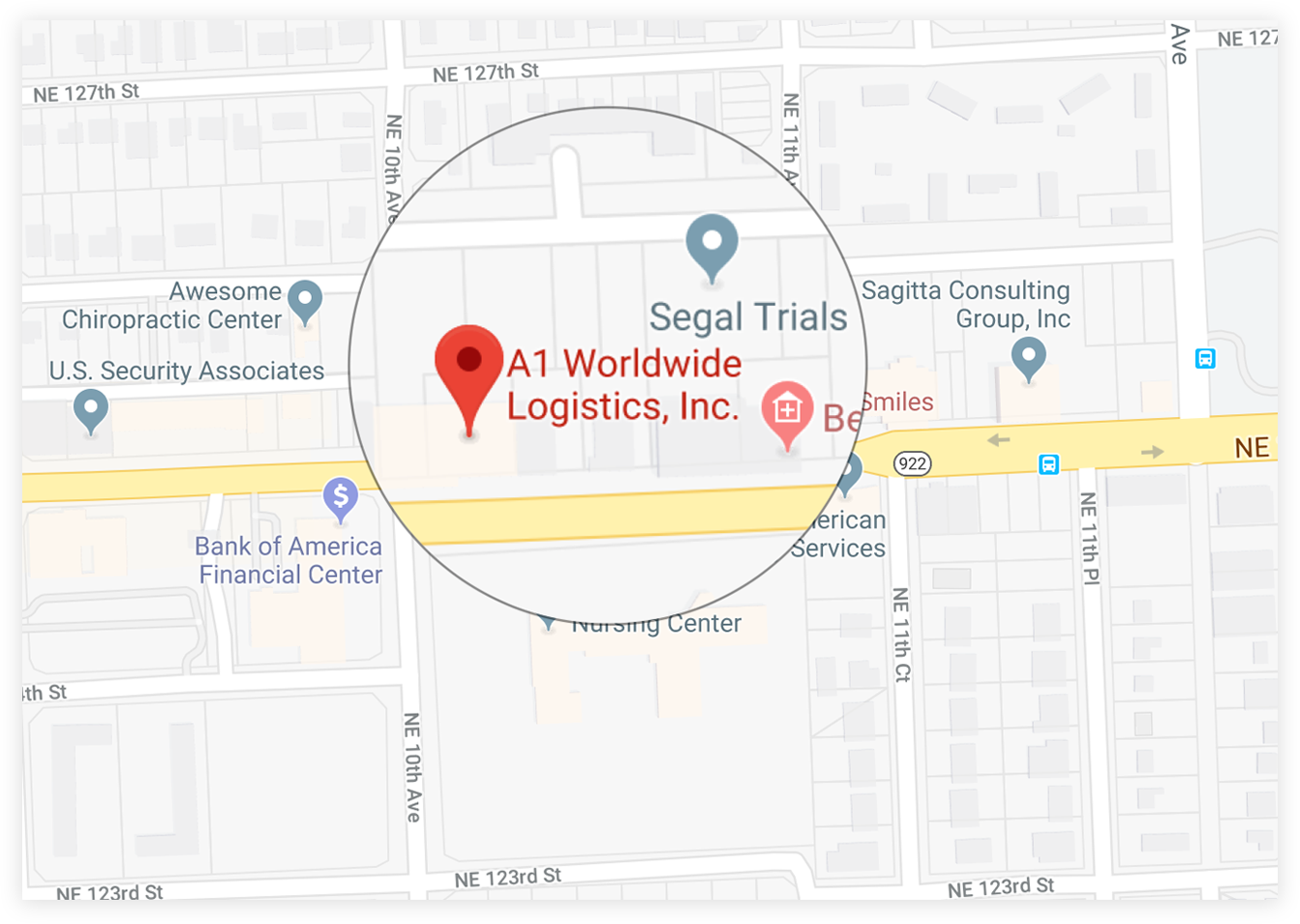
 1035 NE 125th St Suite #320, North Miami, FL 33161.
 a1worldwidelogistics.com
 (305) 821-8995
 Hours: 8AM - 5PM