by A1 WorldWide Logistics | Dec 26, 2024 | East Coast Protests, Economic trends, Shipping Logistics
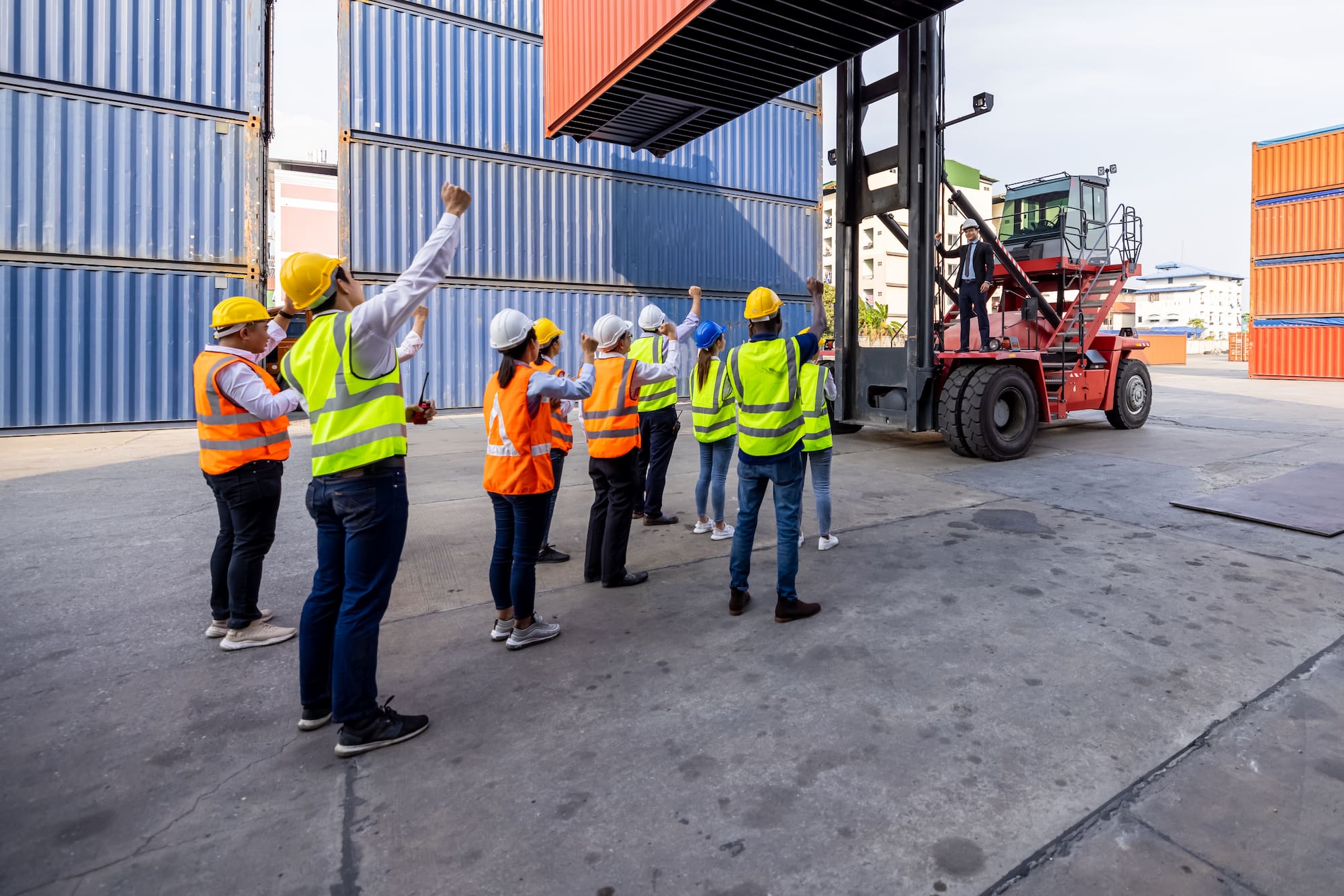
As the end of the contract extension approaches, seaports in the U.S. can see the ILA strike happening In January. Months of unsuccessful negotiations between the ILA (International Longshoremen’s Association) and the (U.S. Maritime Alliance) resulted in an October strike. The two parties disagreed on wages and the use of automation at ports. Port workers across the East and Gulf Coast began protesting until October 3rd, when they reached a tentative agreement. The agreement was a 61.5% pay raise and a $4 an-hour yearly wage increase for the next six years. USMX also extended the current contract to mid-January. With the January 15th, 2025, extension ending date nearing, it can have numerous implications for domestic and international shipping.
Why Could We See The ILA Strike Happening In January?
The chances of a port strike have increased with President-elect Donald Trump publicly backing the ILA. Trump recently met with the ILA President Harold Daggett and Vice President Dennis Daggett. After the meeting, Trump noted, “the financial benefits of automation are “nowhere near the distress, hurt, and harm the technology creates for workers”. Various components can contribute to a potential strike, including the minimal conversation between the parties. The ILA and USMX haven’t had any significant talks for over a month despite January 15th quickly approaching. Despite this, the ILA’s vice president voiced his displeasure regarding the growing use of automation earlier this month.
Despite the ILA’s disposition to automation, the USMX believes it is essential for moderation. The USMX views automation as necessary for building a more sustainable future for the U.S. maritime industry. They also argue that advanced technology will allow ports to handle more cargo while creating more jobs. Other players in the transportation industry believe that the strike may not happen and that the parties will reach an agreement. Along with Trump’s backing, an extension already includes more excellent pay and a yearly wage increase.
What Does The Strike Mean For The Shipping Industry?
Since the ILA handles approximately half of the U.S.’s ocean shipments, a potential strike can have significant effects. During the October 1st strike, 36 U.S. ports shut down, resulting in an economic loss of $5 billion daily. When a port stoppage happens, it can lead to congestion, which may disrupt numerous supply chains. To mitigate against delays, shippers could reroute their shipments to West Coast ports like the Port of Los Angeles. However, rerouting can have the opposite effect, extending the time it takes to ship the goods and causing congestion. They can also use different methods of conveyance like air or, if possible, land.
When shipping cargo internationally, you must take the appropriate steps to mitigate disruptions. Along with the ways the article lists, this can include being present with any news that may affect your shipment. Shippers have already begun importing cargo early to avoid a potential strike and other scenarios, like a tariff increase. Speaking to a logistics provider can also help find the right step to prevent delays. Contact A1 Worldwide Logistics at 305-440-5156 or info@a1wwl.com to navigate any situation impacting your supply chain. We have freight brokering, customs brokering, warehousing, domestic shipping, and more to guarantee the success of your shipment.

by A1 WorldWide Logistics | Dec 19, 2024 | Shipping Logistics, Supply Chain, Transportation
There are numerous considerations that shippers should be aware of when shipping chemicals internationally. Chemicals are any substance with a defined composition, such as acids, fertilizers, solvents, etc. These types of substances can be hazardous or non-hazardous, and numerous industries use them. For example, adenosine is a non-hazardous chemical doctors use to treat heart rhythm disorders in the health industry. Due to the uniqueness of this cargo type, there are numerous regulations, rules, and safety considerations to be aware of. Failure to comply with guidelines can result in delays and monetary fines. It could also result in a shipment loss, disrupting the entire supply chain.
What Should You Know Before Shipping Chemicals Internationally?
Before the international shipping process begins, you should understand the regulations you must follow. The country of destination or origin can determine the rules and ensure proper permits are in place. An example of a primary global regulation is the Globally Harmonized System (GHS) of Classification and Labeling of Chemicals. The guidelines for shipping chemicals also depend on the method of conveyance. For example, shipping by sea follows the International Maritime Dangerous Goods (IMDG) Code, while air shipping follows the International Air Transport Association (IATA). It is also crucial that the shipper uses proper labeling and packaging before transporting the goods. The labels should be clear and comply with labeling regulations.
What Is The Process
Another precautionary step that a shipper should take before shipping chemicals is to review the Material Safety Data Sheet (MSDS). The MSDS is the safety data sheet that details the shipment’s classification, handling, labeling, and transportation requirements. Since specific chemicals are HAZMAT, like fluorine or sulfur dioxide, the shipper must classify them correctly. It is also vital that you have all of the cargo’s documentation, and it is correct. Examples of required documents include the Bill of Lading, Packing List, Commercial Invoice, etc. When selecting the conveyance method, you must understand that international transport involves various methods.
For example, international shipping can require a truck to move the goods to the port before a vessel or air carrier ships it internationally. Since the cargo is chemicals, the transport method can be specialized and include tankers. It is also vital that you adhere to handling and storage requirements. There should be adequate temperature controls and ventilation to prevent damage. Transporting several chemicals at once must also require segregation to avoid reactions. Once the goods reach the destination country, U.S. customs will require customs clearance before reaching its final destination. Using a customs broker is ideal for ensuring a smooth clearance process. When customs clears the freight, a tanker truck can move it to the final location.
A1 Worldwide Logistics
Shipping chemicals internationally can be challenging for inexperienced and even regular shippers due to the steps involved in the process. It can be beneficial to speak to a freight forwarder before starting. Forwarders are the middleman between the shipper and carrier and coordinate the transport of goods internationally. They also educate you on the regulations, process, and what to expect when transporting. Reach A1 Worldwide Logistics to ensure the successful transport of chemicals or any other cargo internationally. Whether you are exporting or importing from or to the U.S., we are with you through the journey.
by A1 WorldWide Logistics | Dec 12, 2024 | East Coast Protests, Importing, Supply Chain
The National Retail Federation (NRF) predicts container imports will increase into the new year and could continue into spring. Data from the NRF’s Global Port Tracker, which tracks America’s biggest importers, notes an increase in the near future. In January 2025, the NRF forecasted 2.2 million TEUs (Twenty-Foot Equivalent) more than January 2024. The surge has already been evident, with imports in October 2024 up approximately 9.3% year-over-year. December projections could see a 14.3% TEU import compared to the previous year. As container imports continue to rise, international shipping could have numerous implications. This article will explain why container importations are increasing and the impact it will have on shippers.
What Are Causing Container Imports To Increase?
Various scenarios, such as threats of port strikes and tariff increases, are leading to a rise in container imports. On October 1st, 2024, approximately 45,000 International Longshoremen’s Association (ILA) dockworkers walked out of ports protesting for better contracts. They are also protesting against the use of automation, which threatens job security. Two days later, the strike ended, with the USMX and ILA agreeing to extend contracts until January 15th, 2025. With the extension date nearly a month away, shippers are importing to avoid any potential protests that could arise. The NRF recently urged the ILA and Port employers to continue negotiations, but there was no response.
Another contributor to the container surge is the new tariff imports that the Trump Administration recently announced. When in office, Trump will impose a 25% tariff increase on all goods entering the U.S. from Canada and Mexico, along with an additional 10% tariff on goods coming from China. Shippers import cargo before the inauguration date to avoid an increase in cost. The NRF advocated that the Trump administration should deploy the tariffs more strategically instead of using a broad-based method. Along with increasing taxes, the hikes could result in higher logistic and customer costs. The new tariffs and the potential of a port strike create a sense of urgency for shippers.
How Will Shippers Be Affected By A Rise In Container Imports?
As container imports into the U.S. continue to rise, international shipping can have numerous implications. A higher volume of containers arriving at a port may increase the chances of port congestion, resulting In delays. In turn, this could lead to supply chain disruptions, with delays leading to potential shortages of products. The cost for shippers, carriers, and customers may also rise as the demand for transportation increases. Despite the possible adverse impact of a rise in imports on shippers, it could benefit domestic shipping. Drayage services for picking up containers from ports could soon see a significant increase in volume.
When shipping internationally, it is essential to understand how a rise in imports can impact your shipment. This allows the shipper to take preventive methods to protect their supply chain from disruptions. Another way that an importer or exporter can prepare is by using the help of a 3PL (third-party logistics.) provider. 3PLs handle various parts of a shipper’s supply chain, including customs clearance, shipping storage, and more. They ensure a shipment’s success by assisting you through the journey and providing the best course of action. Call A1 Worldwide Logistics at 305-425-9513 or email us at info@a1wwl.com to learn about our 3PL solutions.

by A1 WorldWide Logistics | Nov 21, 2024 | Freight, Shipping Logistics, Supply Chain
An essential consideration for shippers of high-value items is understanding how to ship luxury goods internationally. Knowing the logistics for shipping this cargo type is necessary whether you are exporting or importing to the U.S. A general definition of luxury cargo is anything with significant monetary worth that requires secure and specialized handling during transport. Some examples can include jewelry like expensive watches, precious metals, rare artworks, exotic items, high-end vehicles, etc. Due to the value of these shipments, the transportation process must require careful planning, precision, and security. This article will explain what to expect when transporting luxury freight internationally and how to prevent disruptions from occurring.
The Importance Of Knowing How To Ship Luxury Goods.
It is crucial to know how to transport luxury goods because of the consequences of not shipping them correctly. The most significant consequence is the monetary risk taken by the shipper, carrier, and receiver. For carriers, damages can result in high claim payouts they must give the shipper. However, claim payouts to shippers may still not be enough to cover the cost of the cargo. If the exporter is a business with customers, damages or lost high-value goods look highly unfavorable to the company. The value of this type of shipment also makes it vulnerable to cargo theft. Another consequence of incorrect shipping is delays in transportation. If the item is a construction machine worth over $100,000, delays can stall the project.
What Is The Process?
The process begins before the luxury goods are in transit and starts with understanding the regulations for these cargo types. Due to the value of these shipments, they may have strict import rules. Before transporting, the shipper must also pay meticulous attention to the packaging to prevent damage. For items like expensive jewelry, discrete packaging reduces theft risk. The shippers must label the packages correctly and ensure they have the proper HS (Harmonized System) code. HS codes are used by customs to correctly identify and classify imports for taxation purposes. Incorrect codes can result in delays and customs seizing the luxury item.
When deciding on a carrier, the shipper must find one with experience and knowledge handling luxury goods. This can depend on the type of item and urgency of delivery. For example, trusted air carriers with high security can move rare paintings promptly, and vessels with experience, while qualified vessels with ro-ro services can handle expensive vehicles. It is also essential to have the proper insurance coverage to protect against damages or loss. The importer should have their paperwork prepared before the goods arrive at the port of entry to prevent delays. Speak to a customs broker to understand and provide the necessary documentation for customs clearance.
A1 Worldwide Logistics
Once the cargo reaches the destination country, the shipper must move it to the final destination. Choosing an ideal carrier that takes measured steps ensures a successful delivery. While shipping luxury items may seem daunting, shippers can provide the shipment’s success using a freight forwarder. Forwarders understand the importance of this cargo type and focus on utilizing the best practices throughout the supply chain. They also educate the shipper through the journey and connect them to trusted and vetted carriers. Contact A1 Worldwide Logistics at 305-440-5156 or info@a1wwl.com to speak to a broker regarding transporting your luxury goods internationally.

by A1 WorldWide Logistics | Nov 14, 2024 | Shipping Logistics, Supply Chain, Transportation
With electronics being a popular U.S. import, optimizing logistics for electronics imports can be an excellent opportunity for shippers. In 2023, the U.S. brought approximately $463.36 billion in electrical and electronic goods. Since there is such a high demand for these types of goods, it may be attractive to importers. However, there are many steps that a shipper should be aware of. Failure to prepare correctly can lead to disruptions, which result in delays and monetary loss. Understanding shipping logistics is especially crucial for businesses that ship large volumes of electronics yearly. This article will explain what to expect when bringing in electronics and how to improve the importation process.
What Should You Know Before Importing Electronics Into The U.S.?
Before importing electronics, it is essential to understand that there are various laws and regulations. Organizations such as the Customs and Border Protection (CBP) and the Federal Declaration of Conformity (FCC) determine the requirements for importation. The Food and Drug Administration (FDA) regulates all radiation-emitting devices humans use. Each organization can have its requirements for importation. For example, the CBP requires specific paperwork for goods entering the U.S. These documents include a commercial invoice, customs bond, bill of lading, etc. It is also essential to note the regulations can depend on the type of electronic. Electronics is a broad term that includes consumer products, medical equipment, digital technology, etc.
Classifying the type of electronic is necessary to determine the product’s HTS code. The HTS (Harmonized Tariff Schedule) code is a 10-digit number that defines the duties that the importer has to pay. Classifying the goods incorrectly can result in non-compliance penalties, delays, and product seizure. Understanding the type of electronics is also vital for knowing the registration process. Before beginning the importation of medical devices, the shipper must register with the FDA. The FDA also requires listing the device along with the premarket notification and approval. Similarly, importing products like televisions, radios, or telephones requires registration with the FCC by a Declaration of Conformity or certification.
How Can You Optimize Logistics For Electronics Imports?
Once you are ready to ship your electronics, optimizing logistics for importation can be advantageous for your supply chain. There are various ways to optimize, such as choosing the appropriate conveyance method. If the shipper wants to move their products quickly, shipping by air could be ideal. Likewise, sea transport would be suitable if the shipper wants to move large quantities at a lower rate. Shippers can talk to a freight forwarder or customs broker to complete paperwork and comply with regulations. A forwarder coordinates the shipment’s movement while a broker ensures compliance with the CBP.
For regular supply chains, the logistics for importing electronics continue after they reach the U.S. Importers typically look for warehousing to store their cargo, and customs-bonded warehouses are an ideal choice. A bonded warehouse is a facility where importers can store freight for up to 5 years without payment of duties. This allows the importer to save money and find customers before they must pay taxes for the shipment. A1 Worldwide Logistics has a bonded warehouse and numerous other optimization solutions. Reach us at info@a1wwl.com or 305-425-9513 to learn more about our custom bonded warehousing solutions. We also have freight forwarders and customs brokers to ensure your shipment’s success.

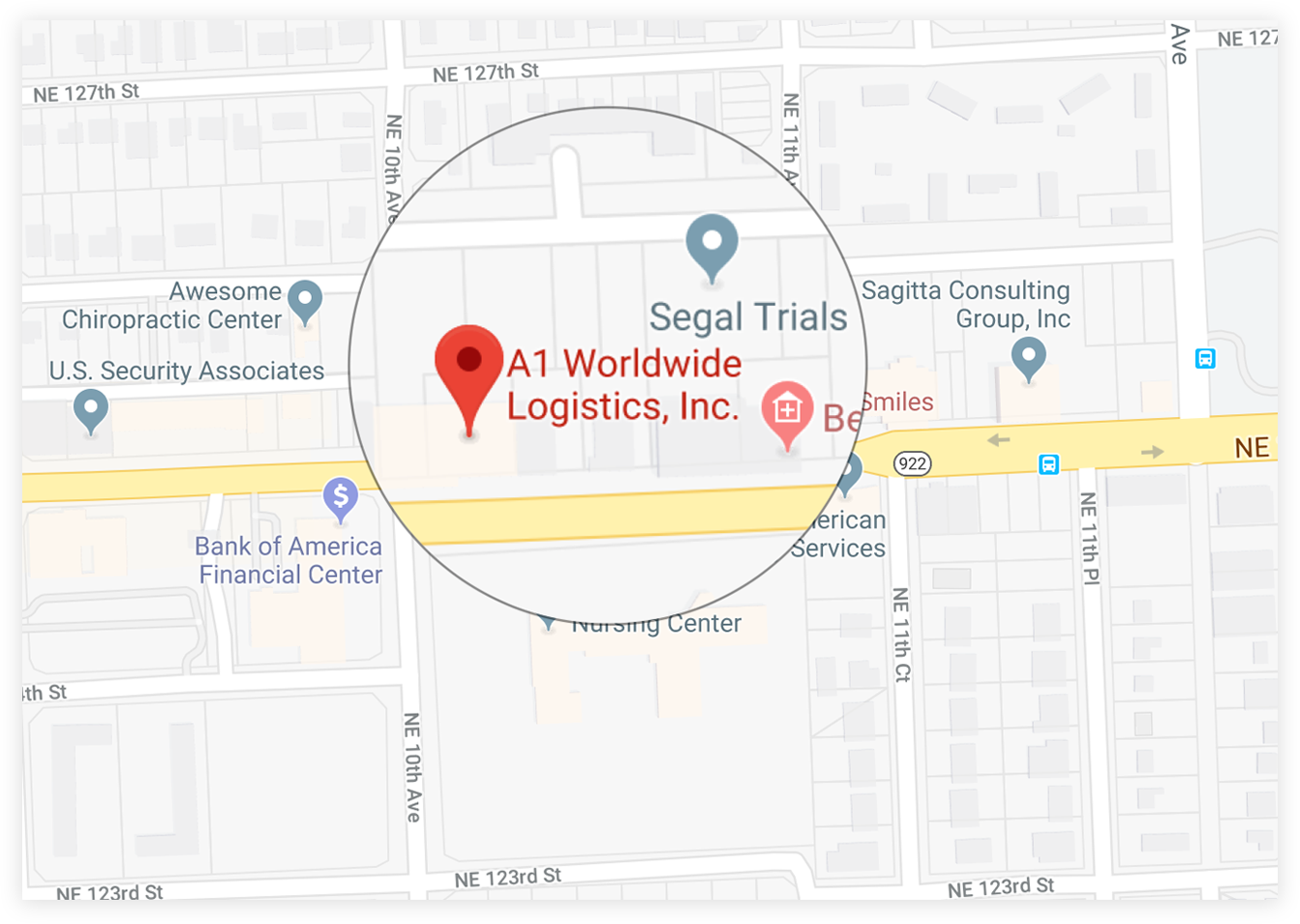
 1035 NE 125th St Suite #320, North Miami, FL 33161.
 a1worldwidelogistics.com
 (305) 821-8995
 Hours: 8AM - 5PM