
by A1 WorldWide Logistics | Oct 24, 2024 | Shipping Logistics, Supply Chain, Transportation
When shipping cargo internationally, it can be very beneficial to understand what is multimodal transport. Multimodal transport uses various modes of transportation to move cargo from the origin to the final destination. For example, this can include a shipment moving by vessel to a country before a truck transports it domestically. The conveyance can consist of air, ocean, road, and rail; however, a shipper uses a single contract and house bill. A single Multimodal Transport Operator (MTO) manages the entire journey despite the multiple transportation methods that the transporter can involve. This article will explain the benefits of multimodal transport and how it differs from intermodal transport.
Why Is It Essential To Know What Is Multimodal Transport?
Because of the components involved in moving goods internationally, understanding multimodal transport can benefit the shipper in numerous ways. A significant advantage is the increased flexibility in the overall supply chain. International shipping tends to be volatile with changing circumstances like demand and disruptions influencing cargo movement. Having different modes of transportation allows for adaptability when situations arise. For example, if a shipment becomes time-sensitive, a shipper can quickly switch to a transportation mode like air. Adaptability from various conveyance methods is also effective for timely deliveries since shippers can avoid situations like congestion. This is increasingly essential for businesses that must ship products to their customers.
Another benefit of multimodal transport is that it can decrease the overall costs of the transportation process. Since the shipper uses one contract with multiple methods of transport, the price tends to be less than using various agreements. The MTO can find the least costly solution for the shipper. Reducing the cost of shipping goods internationally becomes beneficial when moving large volumes of shipments constantly. It can simplify the logistics process for companies with complex supply chains that require managing multiple supply chains. Since a single MTO handles the entire process, the responsibility for damages and delays goes to the handler.
How Does Multimodal Differ From Intermodal Transport?
While multimodal and intermodal transport uses multiple conveyance methods, they differ in various ways. Due to the differences, freight forwarders play a different role based on the type of shipping. Intermodal transportation is the movement of goods to their final destination using various modes of transport with multiple contracts. For example, a truck, vessel, and rail carrier have their own contractors and issue separate Bill of Ladings. Due to the differences, these two transportation methods can have separate advantages based on the shipper’s needs. Intermodal transport lets the shipper choose carriers that fit their expenses and goals. Although multimodal transport may lessen choice freedom, it alleviates responsibility and may simplify scheduling.
A1 Worldwide Logistics
Since multimodal transport uses multiple modes of transport to ship, a key aspect is freight forwarding. Forwarders coordinate the movement of goods for the shipper by contracting one or more carriers. They act as intermediaries between shippers and carriers, ensuring the cargo reaches its final destination. A1 Worldwide Logistics has forwarders that can provide multimodal transport services for moving shipments internationally and domestically. For assistance with transporting cargo internationally, reach A1 Worldwide Logistics at info@a1wwl.com or 305-425-9752. We have solutions like freight forwarding, customs clearance, warehousing, and more to ensure the success of your supply chain.

by A1 WorldWide Logistics | Oct 17, 2024 | Economic trends, Shipping Logistics, Supply Chain
Nearly a week after the storm hit Florida, there are numerous reports of Hurricane Milton disrupting supply chains. On Wednesday, October 9th, hurricane Milton landed near Tampa, Florida, resulting in heavy rains and strong winds. Local weather services issued over 125 tornado warnings in various counties nationwide. Along with the damage to infrastructure and economic loss, Milton impacted supply chains for importers and exporters. With Florida being an entry point for supply chains nationwide, the potential ripple effect could be more substantial. While the storm has left Florida, Milton has already done the damage, and shippers are still determining the full impact.
How Is Hurricane Milton Disrupting Supply Chains?
Located between the Gulf of Mexico and the Atlantic Ocean, Florida is known by shippers as a critical freight market. Its strategic location is a gateway for trade between North and South America. An immediate disruption from the storm was the shutdown of ports like Port Tampa. Port Tampa is a significant hub for steel, cement, petroleum, construction aggregates, and foods. As the seaport suspended operations, it created a backlog that could take a while to clear. As a result, ships are diverting to other ports along the Gulf Coast, potentially raising volume and creating congestion. The Gulf Coast ports are still recovering from the aftereffects of the ILA’s (International Longshoremen’s Association) recent strike.
Milton also impacts supply chains in Florida’s agricultural industry by damaging farmlands that produce agriculture. The damage that occurred two weeks ago from Hurricane Helene remains, which may add to it. Importers in other countries could soon experience shortages and price increases from decreased delays in U.S. exports. Perishable cargo imports that are time-sensitive are at risk from port and infrastructure shutdowns resulting from power outages. Along with shipping internationally, Hurricane Milton affected domestic freight movement. Damaged roads and port closures resulted in delays and made it difficult for shippers to move goods by truck. As a result, freight rates may go up from limited capacity.
What Can Shippers Expect When Shipping During a Hurricane?
When importing or exporting during a hurricane, there are many expectations shippers should be aware of. There may be immediate delays in transportation for air, land, and sea cargo from port closures. To avoid potential slowdowns, importers could reroute to alternative ports. However, this can also increase transit times and transport costs. Price increases could come from limited carrier capacity due to paused services. There can also be significant communication challenges between shippers and carriers, such as power outages and telecommunication disruptions. Shippers must plan by staying updated with weather conditions and constantly communicating with the various players in the supply chain.
Understanding what to expect during a hurricane and how to prepare is vital for a shipment’s success. Along with the ways that the article mentions, preparation shippers can also do this by speaking to a 3PL provider. 3PLs (Third-party Logistics) companies handle numerous supply chain functions for the client. Their services include freight forwarding, customs clearance, domestic shipping warehousing, and more. They also provide supply chain consulting to navigate distributions like a hurricane. Contact A1 Worldwide Logistics at info@a1wwl.com or 305-425-9456 for assistance with shipping to and from the U.S. We have ideal solutions for ensuring that your goods reach the final destination regardless of the situation.

by A1 WorldWide Logistics | Sep 30, 2024 | East Coast Protests, Economic trends, Shipping Logistics
A port strike is imminent at midnight September 30th with International Longshoremen Association (ILA) dockworkers. The ILA has been in talks with the United States Maritime Alliance (USMX) over a new contract. This contract includes higher wages and limits the use of automated technology at ports. These efforts have been unsuccessful and have stopped with the current six-year agreement, which will soon expire. A potential strike would shut ports along the East and Gulf Coasts, severely disrupting domestic and international trade. This could trigger a ripple effect across the U.S. economy, as many supply chains rely heavily on these ports. With the U.S. import industry valued in the trillions, a strike may significantly impact international shipping.
What Can This Mean For Shipping?
Along with shutting down East and Gulf Coast ports, a strike could cause delays in numerous supply chains. This is because East and Gulf Coast ports are responsible for nearly 43% of all U.S. imports. Delays can lead to monetary loss and look unfavorable for importers that have customers. In addition to delays, shipping costs are likely to surge. Port closures often lead to higher freight rates due to constrained capacity, demurrage, and detention fees. Some shippers have already begun rerouting to West Coast ports, though this solution risks overburdening those ports, creating new delays. Shippers are also exploring alternatives like land and air, though they could raise costs even further.
Industries such as retail and manufacturing have been calling for both parties to resolve, hoping to avoid a multibillion-dollar disruption. With the holiday season approaching, many companies have preemptively shifted goods or brought in products early to avoid shortages. Retailers fear that shelves may not be fully stocked for the holidays. Manufacturers risk production slowdowns if carriers don’t deliver critical materials. Other industries, like construction, automotive, and farming, will also feel the impact of a strike on their supply chains.
Since A Port Strike Is Imminent, How Can You Prepare?
Due to the impact of a strike, it is essential to take steps to prepare for what may occur. An option is to delay shipments until the strike ends. Freight leaving its origin after September 20th will likely be affected, so rerouting to West Coast ports could be the best solution for goods in route. However, it’s important to note that West Coast ports are already congested, meaning longer transit times may occur. Alternative conveyance methods, such as land or air transport, could help ensure timely delivery for high-priority shipments. Ports across the U.S. East and Gulf Coast have already been preparing for a potential strike in various ways. Some of the ways include extending gate hours for trucks before the strike occurs.
As the strike deadline nears, staying informed is vital, and you can do this by regularly checking news updates. Another effective strategy is working with a freight forwarder. Forwarders ensure the transport of your cargo efficiently and safely while minimizing costs. They also provide valuable guidance, helping you navigate disruptions and choose the best shipment plan. A1 Worldwide Logistics offers freight forwarding services and a range of solutions to handle the effects of a potential strike. Contact us at 305-425-9513 or info@a1wwl.com for assistance with your imports and exports.

by A1 WorldWide Logistics | Sep 25, 2024 | East Coast Protests, Supply Chain
Finding solutions for navigating a port strike is becoming increasingly essential, with a coastwide ILA protest nearly a week away. The International Longshoremen’s Association (ILA) plans to strike on October 1st when their six-year contract ends. Talks with the United States Maritime Association (USMX) about new contracts have stopped, and the deadline is quickly approaching. Supply chains that import into East and Gulf Coast ports may soon feel disruptions from port shutdowns. Over 43% of all imports into the U.S. go through these ports, resulting in billions in revenue. This article will explain some ways to mitigate the effects of a potential strike.
What is the Impact of a Coastwide Strike?
The ILA is a union of over 65,000 members handling cargo at nearly 40 East and Gulf Coast ports. With the size of the ILA, a protest can bring more than half of U.S. port operations into pause. A supply chain analyst notes that ports may not clear a two-week strike until 2025. Key industries that the strike will significantly impact include manufacturing, agriculture, retail, energy, and petrochemicals. In particular, a complete shutdown of ports will lead to delays for import and export shipments. Once a carrier enters a port, it could stay days at the dock, not being unloaded by workers. Shippers have already begun rerouting their cargo to West Coast ports to avoid potential slowdowns.
Rerouting to West Coast ports may also lead to longer transport shipper transport times and higher costs. Another impact of an international strike is that fees for international shipping can drastically increase. These expenses include capacity costs, per diem, storage, demurrage chassis, pre-pull, etc. Shippers, carriers, and clients feel the effects of a port strike. For example, clients can view carriers negatively if they have to increase costs and reroute shipments. With the amount of revenue the U.S. generates from exports and imports, a strike could cause extensive economic damage.
The Best Solutions for Navigating A Port Strike
Due to the substantial effect of a potential strike, finding solutions for protecting your cargo is critical. This can mean delaying the shipment until the protest is over. Freight leaving from a port of origin after September 20th will likely be affected by the strike. For goods that are already in transit, redirecting to West Coast ports may be the best solution. It is crucial to understand that West Coast ports are already at high volumes due to the number of shippers rerouting, so you may experience higher transit times. Using other methods of conveyance, like shipping by land or air, can be beneficial for crucial shipments.
With the strike approaching quickly, shippers must be current by constantly checking the news. Another way to protect your cargo is by shipping with the assistance of a freight forwarder. Forwarders ensure the transport of your goods in the most effective, safest, and cost-effective way. They educate the shipper on what to expect and find the best action for your cargo’s transport. A1 Worldwide Logistics has freight forwarders, along with an extensive number of solutions for navigating a potential strike. Speak to us at 305-425-9513 or info@a1wwl.com for assistance importing or exporting in and out of the U.S.

by A1 WorldWide Logistics | Sep 5, 2024 | Economic trends, Supply Chain, Warehousing
The logistics industry has seen growing sustainability in warehousing operations in recent years. As the e-commerce business grows, so does the number of warehouses across the U.S. As a result, warehousing activities now contribute to nearly 11% of greenhouse gas emissions in the logistics sector. On a larger scale, it also contributes to massive energy consumption, waste, and transportation emissions in the global supply chain. Warehouse sustainability is the process of decreasing the environmental impact that warehouses have while optimizing operating efficiency. Various trends in warehousing have allowed an increase in greener and more efficient practices. Technology and different strategies have further expanded the push towards sustainability.
The Importance of Sustainability In Warehousing
Sustainability has grown significantly in warehousing for various reasons. One of the primary reasons is to reduce the carbon footprint in the logistics industry. With the U.S. setting a goal to have net-zero emissions by 2050, this is a vital step in the process. Another reason is to create an efficient and more resilient supply chain. Sustainability can have other benefits than a greener future, like reducing energy costs. Better reuse and recycling strategies can reduce expenditures by up to 20%. It can also improve brand awareness by giving a clean image to its customers.
How Is Sustainability Being Adapted in Warehousing?
Some of the most common ways that sustainability is growing in warehousing include:
Recycling and Waste Reduction – Waste management has been a focal point in warehouse sustainability due to the amount of excess they produce. Warehouses manage waste by recycling, reusing resources, and reducing packing waste. Businesses have also optimized their packaging for eco-friendliness by using eco-friendly package materials and reducing the volume of packing material.
Energy Efficiency – Since warehouses are common consumers of energy in the logistics industry Energy-efficient strategies have gotten increasingly popular. Renewable energy sources like solar panels are growing in warehousing to generate clean energy on-site. Smart thermostats and energy-efficient HVAC systems are other strategies for energy efficiency. LED lighting and solar panels can also help save costs.
Technology – A trend that has been growing recently is the usage of advanced technologies like automation in warehousing. Artificial intelligence is being used by warehouses to improve workflows and operations. Sustainability comes from technology that monitors and optimizes energy use or that can reduce waste.
Transportation – Sustainable practices can also come from freight transportation to and from the warehouse. Efficient route planning can lessen the time on the road, decreasing the amount of CO2 the carrier releases into the atmosphere. Using alternative fuels like compressed natural gas and renewable energy is another green practice in warehousing. Another way has been an increase in the use of EVs (Electric Vehicles).
A1 Worldwide Logistics
When importing into the U.S., a shipper must pay specific taxes before releasing their cargo from customs. If the importer does not need their goods immediately, they can keep them in a customs-bonded warehouse. Customs-bonded warehouses allow the storage of imports for up to five years without paying duties and taxes. The goods can undergo manipulation and manufacturing operations during the storage period. This is beneficial if an importer has a product that they do not plan on selling immediately. Contact A1 Worldwide Logistics at 305-440-5156 or info@a1wwl.com to learn about our bonded warehousing solutions for your shipment.

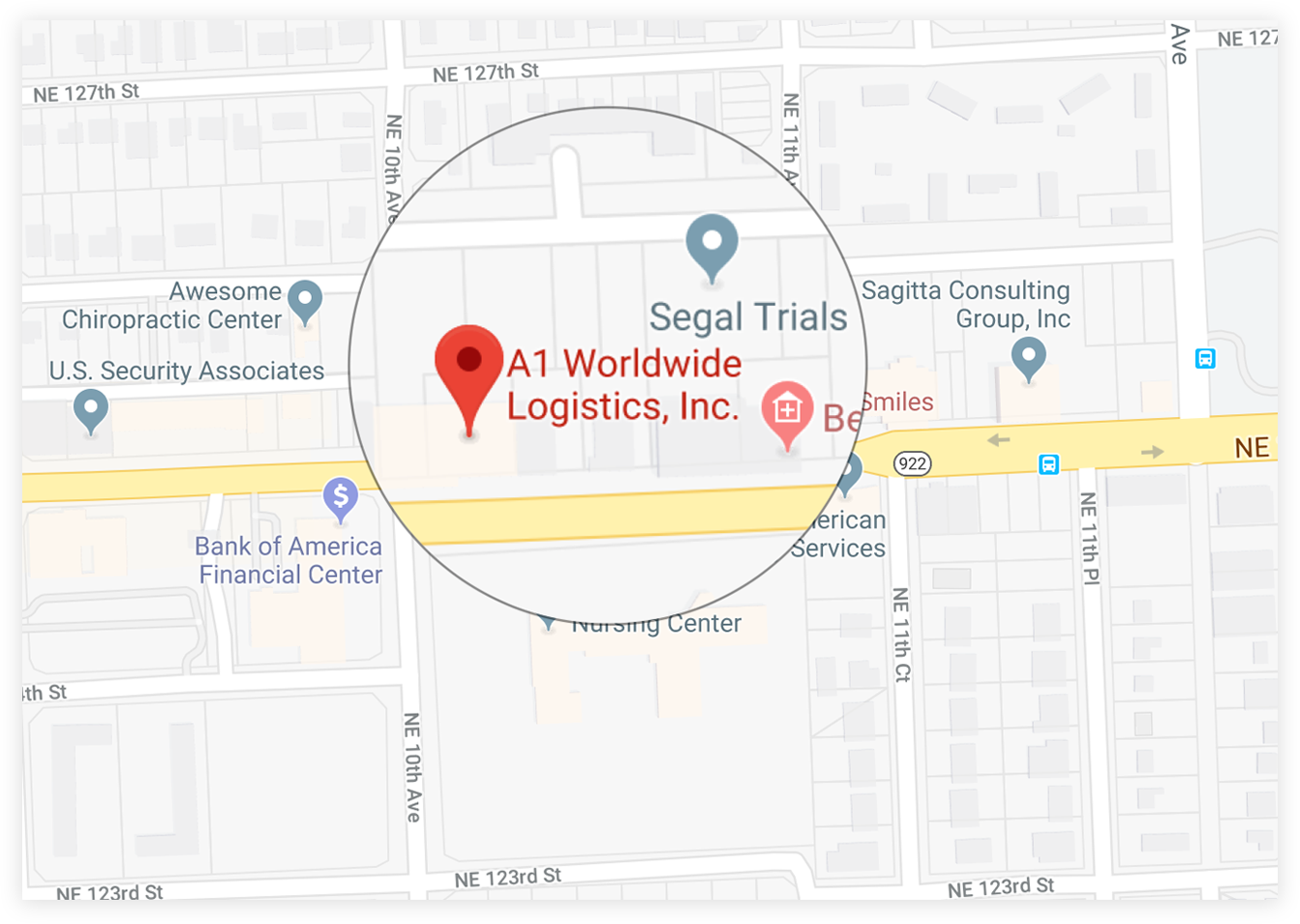
 1035 NE 125th St Suite #320, North Miami, FL 33161.
 a1worldwidelogistics.com
 (305) 821-8995
 Hours: 8AM - 5PM