Why Use Warehousing Services?

Why Use Warehousing Services?

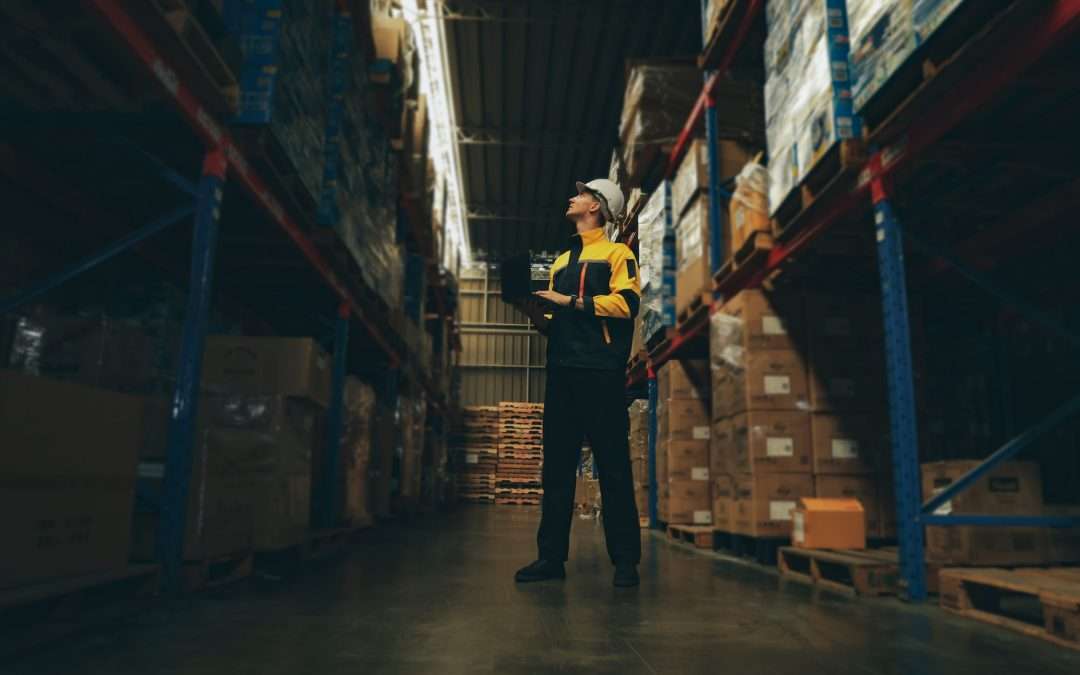
When deciding whether to ship internationally or domestically, consider why you should use warehousing services. Warehousing is a logistics solution that involves storing goods in a specialized facility. From there, the warehouse can provide many value-added services...

¿Cómo almacenar carga sobredimensionada?

¿Cómo almacenar carga sobredimensionada?

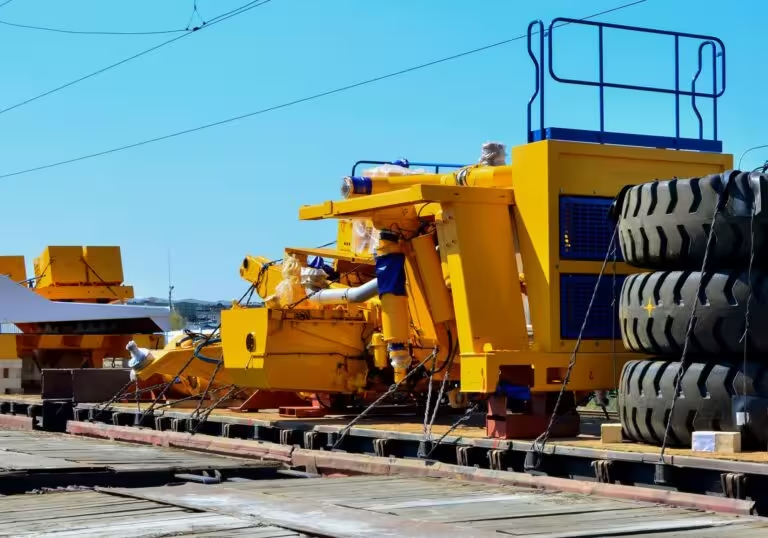
  La carga sobredimensionada es un producto que excede el peso o las dimensiones permitidas para el transporte convencional. Un ejemplo de carga sobredimensionada podría ser equipos grandes como vigas de construcción y maquinaria como tractores. Debido a las...

¿Qué es la distribución en almacenes?

¿Qué es la distribución en almacenes?

  Un tema común al discutir sobre el almacenamiento en la cadena de suministro es la distribución. Esta consiste en transportar productos o mercancías almacenadas a un lugar para cumplir con los pedidos. Si bien existen centros de distribución específicos, los...

Sustainability In Warehousing

Sustainability In Warehousing

  The logistics industry has seen growing sustainability in warehousing operations in recent years. As the e-commerce business grows, so does the number of warehouses across the U.S. As a result, warehousing activities now contribute to nearly 11% of greenhouse...

Packing and Crating Cargo

Share This Article


In shipping, packing is taking an item from a warehouse and putting it inside a packaging material. The good is then loaded into a truck or a courier and transported to the next destination. Packing may begin when a warehouse gets an order from a business to ship a product to a client. A worker inside the warehouse will then find the correct cargo and prepare it for transportation to the customer. Before going into the truck, the freight may be wrapped, packaged, and put on a pallet. A common type of packaging used for packing is crating.

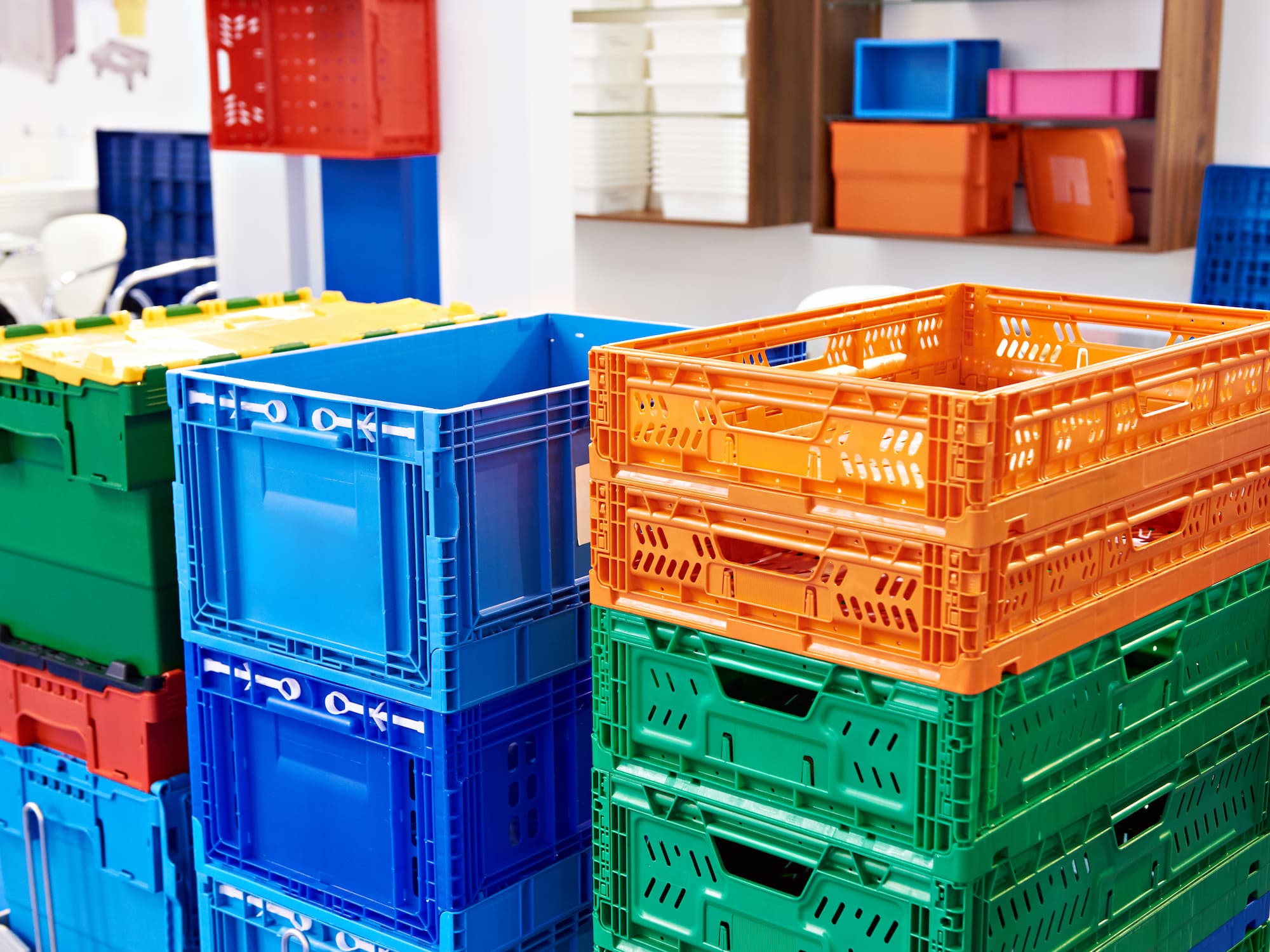
A crate is a four-sided shipping box made from various materials, including metal, plastic, and, most commonly, wood. Cargo that is fragile, easily breakable, or heavy use crates as packaging material to prevent damages. During the shipping process, bumps and bruises may naturally happen to a shipment. Trucks also tend to be loaded to total capacity, meaning the chances of heavy material damaging goods increase.


What are the Pcolorful plastic crates used in warehousesros and Cons of Shipping Cargo in a Crate

One of the main reasons why crates are an ideal solution is because of the protection that they provide. They can withstand a large amount of weight and are difficult to break. The shape also allows for stability, which is helpful for storage and transportation. There may be downsides with crating, such as the cost. Certain types of wood may be expensive, and crates can be more costly than other packaging. Wood that is low quality also may contain toxins that might harm the goods being shipped. The supplier will disinfect and spray chemicals on the crates before usage.

Crates can also take up more space in a container than conventional packaging. Despite the cons, crating is still one of the best alternatives for packing sensitive and heavy cargo. Find a warehouse that offers this service to learn about the benefits of crating goods for a supply chain. Contact A1 Worldwide Logistics at 305-821-8995 for a quote to store your freight in our warehouse. We provide packing and crating solutions for your shipments and transport the load in and out of our facility.

A1 Worldwide Logistics, Inc.

📍1035 NE 125th St #320, North Miami, FL 33161, USA

🌍 a1worldwidelogistics.com

📞 305-821-8995

🕒 Hours: 8AM – 5PM

Submit your request

Transporte internacional maritimo y aereo

Empresa de transporte internacional de mercancías: cómo funciona la logística internacional

Descubra cómo elegir una empresa de transporte internacional de mercancías, comparar opciones aéreas y marítimas, preparar documentos y calcular costos logísticos.

container ship

DDP Shipping to the USA: What Is Included, and Who Handles Customs?

DDP stands for Delivered Duty Paid. Under this shipping term, the seller arranges transportation to the agreed destination and handles export and import clearance, including the applicable import duties and taxes. The goods are delivered to the buyer ready for...
shipping

CIF vs FOB: Costs, Responsibilities, and Customs Clearance for US Importers

CIF and FOB are shipping terms that define the buyer’s and seller’s responsibilities. Under CIF, the seller arranges and pays for ocean freight and cargo insurance to the named destination port. Under FOB, the buyer arranges and pays for the main ocean journey, and...
ocean freight shipping

Ocean Freight Shipping: Costs, Process, and U.S. Customs

Ocean freight, also called sea freight, is the transportation of goods by ship. Businesses use it to move commercial cargo between countries, from a few pallets in a shared container to full-container orders and oversized equipment. For a U.S. import, the shipment...
lcl shipping

LCL Shipping to the USA: Costs, Customs, and Delivery

LCL shipping, short for less than container load, lets your business move ocean freight in a container shared with other shippers. You book space for your cargo instead of reserving a whole container. For a business importing a few pallets at a time, that can make...