by A1 WorldWide Logistics | Jul 25, 2024 | Air Freight, Importing, Shipping Logistics
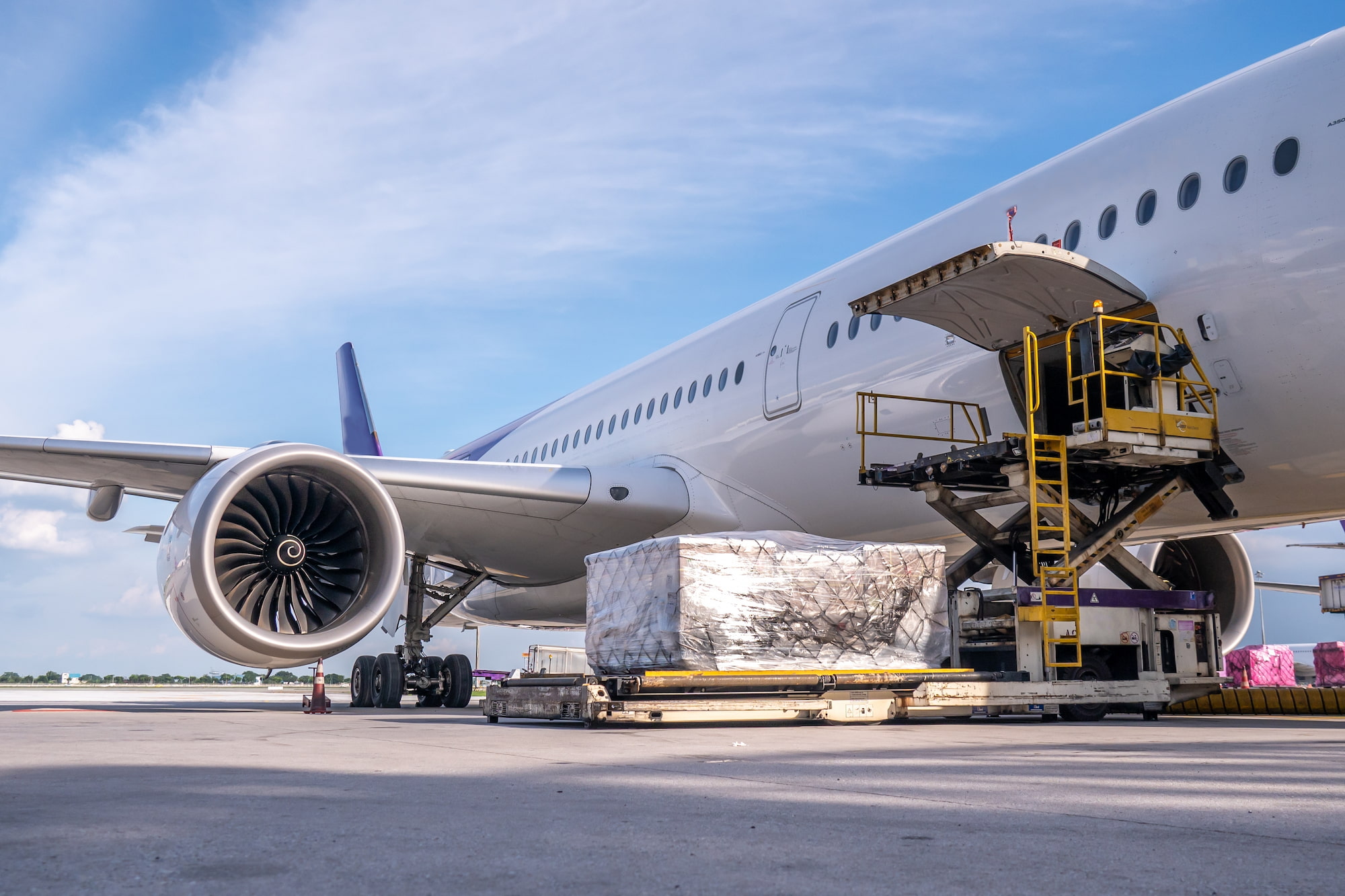
Saving costs on airfreight can be valuable when shipping cargo internationally by air. While moving goods by air is one of the most convenient methods of transport, it may be costly. Over the last decade, the demand for this method has skyrocketed. The coronavirus pandemic further increased demand since customers bought more products online and rose imports. Expenses like fuel prices and other expenditures have further raised costs. Because of this, Shippers have found it increasingly beneficial to find strategies to increase savings. This article will explain the various costs of transporting freight by air and how you can save when starting.
Understanding The Costs Involved In Shipping Cargo By Air
Due to the numerous components involved in international shipping, there are different costs a shipper should be aware of. Before the air carrier transports the cargo, trucks typically move it to the loading port. This means that domestic transport can add to the entire cost of an air shipment. Other costs include the base rate, which covers the airline’s operational fees. Various factors affect the base rate, including volume, route, weight, season, etc. Other costs include security screening, customs clearance, peak season surcharge, etc. Fuel surcharges are fees included in airfreight and can account for over 30% of the total rate.
What Are Common Ways That Shippers Are Saving Costs On Airfreight?
Some of the most common ways that shippers can save on air shipping include:
- Consolidating Shipments – Consolidation is a process where a carrier combines smaller shipments into a single shipment. For airfreight, this can considerably reduce costs for shippers by paying only for the space you use. Other fees like handling also decrease with the grouping of cargo. Consolidation allows for faster transit times, too.
- Shipping Off-Peak Times – Demand for transporting cargo internationally can determine the shipping cost. The peak season is when the demand for moving goods is at its highest. During this time, the price to ship tends to hike due to scenarios like limited capacity. Transporting freight during periods of low demand may result in lower rates and smoother operations.
- Optimizing Packaging – A way to save on airfreight that shippers tend to overlook is using efficient packaging. Since air carriers have less space than vessels, they charge extra on volumetric weigh and space. It can be critical to optimize packing by removing packaging materials or using different crating to minimize bulk.
Using A Freight Forwarder
Another way to save when shipping cargo by air is using a freight forwarder. Freight forwarders are the middleman between the shipper and the carrier. Along with coordinating the movement of goods, they ensure the success of the shipment while finding cost-saving solutions. For example, they can offer the various saving methods mentioned in the article. Forwarders also have established relationships with carriers and can negotiate rates on the shipper’s behalf. Call A1 Worldwide Logistics at 305-821-8995 to speak to our expert freight brokers regarding your shipment’s success. Whether the transport method is air, land, or sea, we help streamline the transportation process.
by A1 WorldWide Logistics | Jul 11, 2024 | 3PL, Supply Chain, Transportation
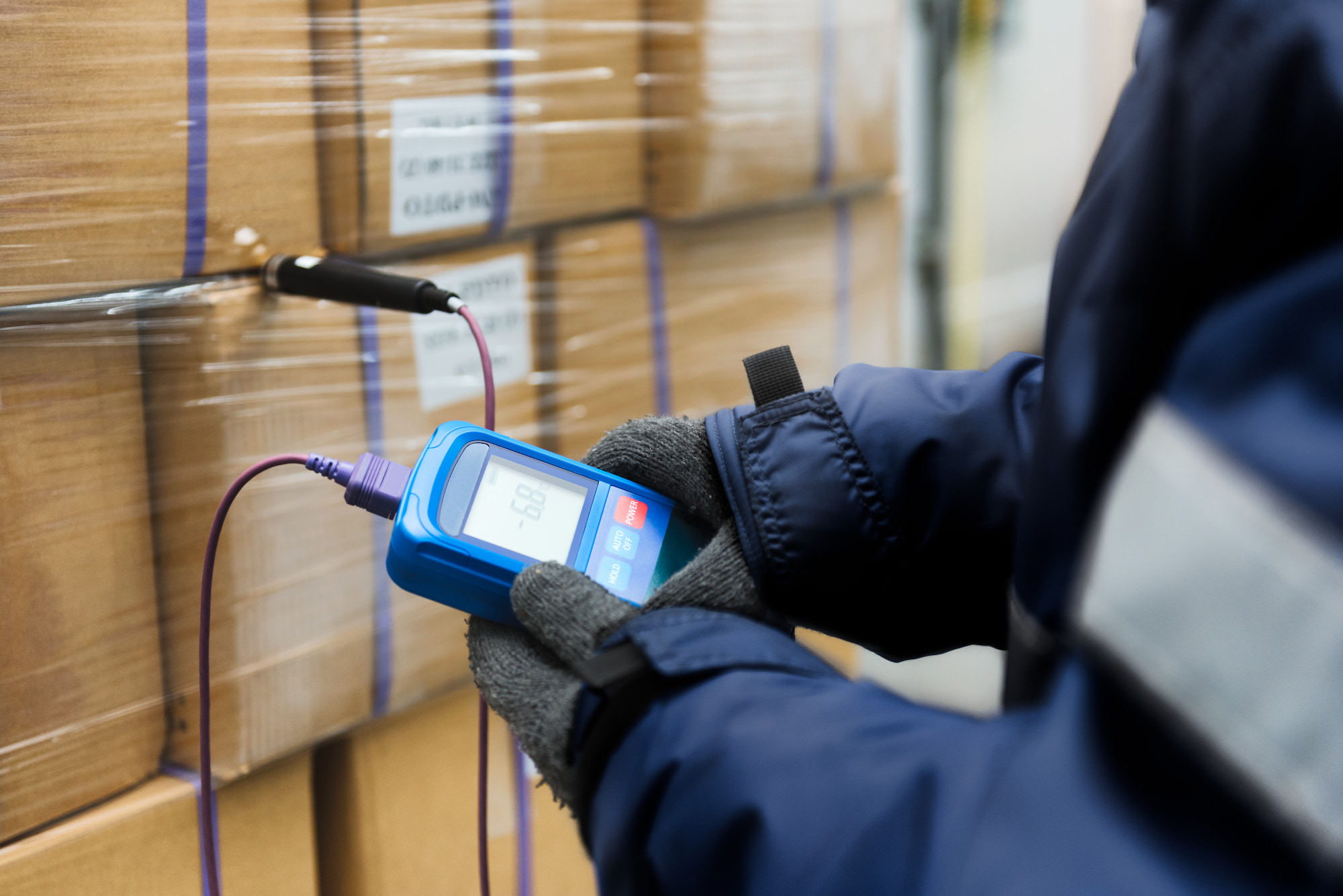
An essential consideration a shipper should make when moving temperature-sensitive cargo is understanding cold chain shipping logistics. A cold chain is a supply chain for transporting freight that has to remain under a specific temperature to prevent damage. These goods include perishable foods, beverages, pharmaceuticals, flowers, chemicals, cosmetics, etc. The process has the parts of a regular supply chain, like transportation and warehousing, but the temperature must remain constant. Cold chains have existed for hundreds of years, but technological advancements helped streamline the potential for more capabilities. While this article will focus on moving shipments internationally, the cold chain can also include domestic cargo transport.
What Are The Main Challenges To Cold Chain Shipping Logistics?
There can be various challenges and things that shippers should be aware of when starting a cold chain. This is due to the numerous components involved in the process. A common challenge is that the cargo has to remain at the same temperature throughout the journey. Even a tiny decimal point fluctuation in temperature can result in spoilage. Fluctuations can be the result of human error or equipment failure. Another challenge is that there are multiple standards and regulations that shippers have to adhere to in a cold chain. Regulators like the Federal Drug and Food Administration (FDA), the Department of Transportation (DOT), the International Air Transport Association, and U.S. Customs set the requirements.
Some regularity requirements include packaging, product stability, temperature transportation, and more. A lack of proper documentation is another issue that the shipper should be aware of. Depending on the type of shipment, the shipper must document data like storage temperature and conditions to prevent errors. Documents also include the paperwork needed for import and export. Failure to provide the correct papers can lead to delays in the shipping process due to holdups at customs. Delays are unfavorable for cold chains, with technologies like dry ice being temperature-sensitive.
What Is The Cold Chain Supply Chain Process?
The cold chain process starts long before the cargo leaves the location of origin. Before exportation, the cargo may be stored in a warehouse facility at the correct temperature to prevent spoilage. The same rule applies to the packaging, which should maintain the quality and prevent contamination before going on the carrier. Refrigerants can include dry ice, gel packs, EPS (expanded polystyrene) panels, and more. Shippers can use various methods of conveyance, like ships, airplanes, and trucks, to move the shipment. However, the transportation method has temperature-controlled systems. Examples include reefers (refrigerated containers) that keep the goods at the correct coldness during the journey.
When the cargo enters the destination port, the paperwork must be correct to prevent holdups. Once customs releases the shipment, a carrier delivers it to a warehouse or another location at the appropriate temperature. Despite the multiple components involved with transporting cold cargo, there can be numerous benefits for businesses and individual shippers. You can ensure the success of your cold chain by starting with the help of a 3PL (Third-party logistics) provider. 3PLs handle various parts of a supply chain, such as transporting, warehousing, and brokering, on behalf of the shipper. Contact A1 Worldwide Logistics at 305-821-8995 or info@a1wwl.com to speak to a 3PL provider regarding your cargo shipment.
by A1 WorldWide Logistics | Jun 20, 2024 | 3PL, Economic trends, Shipping Logistics
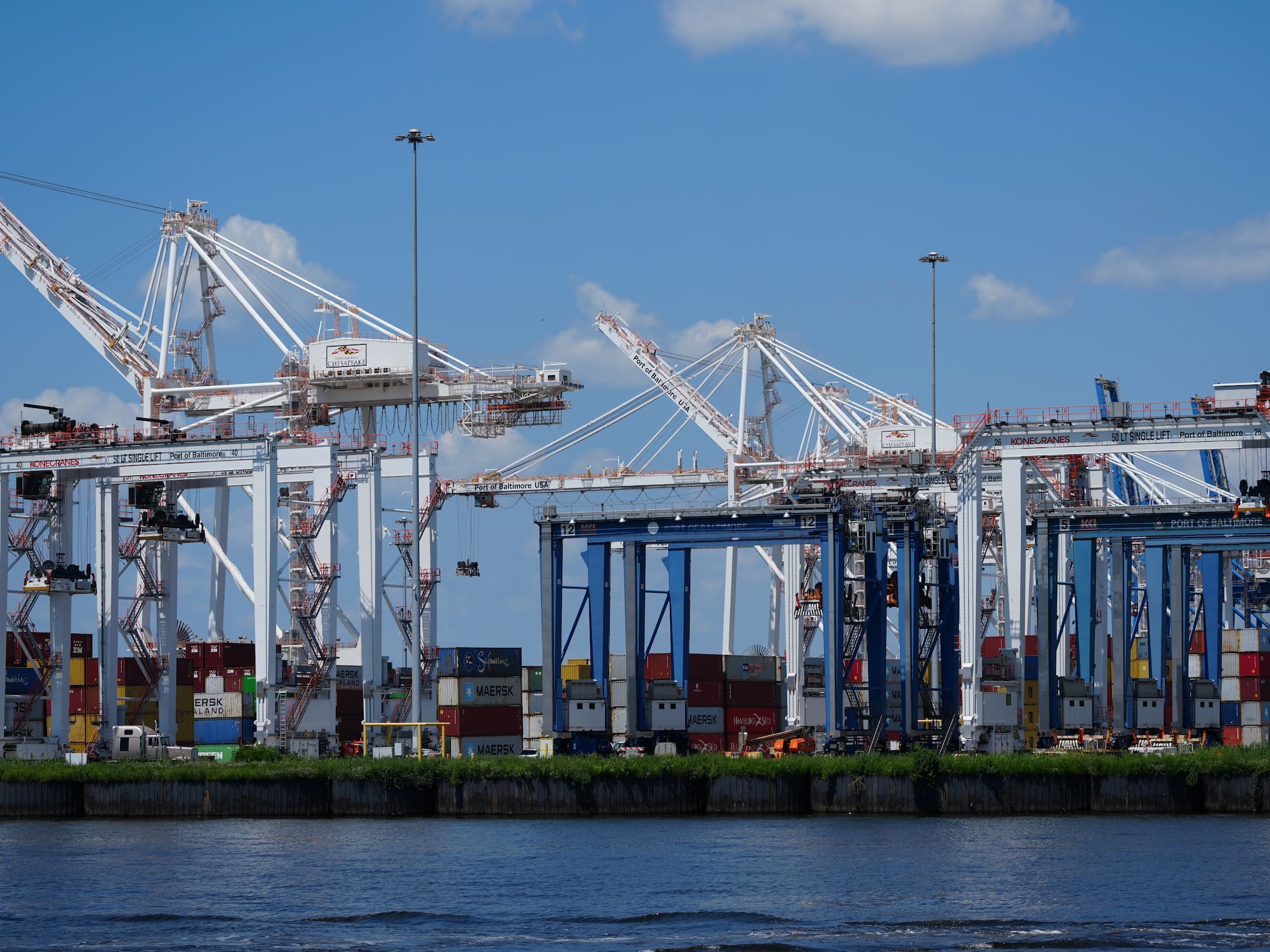
On Wednesday, June 12th, the Port of Baltimore reopened after nearly three months of working at limited capacity. A containership struck the Francis Scott Key Bridge on March 26th, collapsing into the Patapsco River. The bridge collapse resulted in the deaths of six workers and cut off vessel access to the port. Port officials responded by opening temporary alternative channels only for essential vessels and direct responders. Traffic in and out of the main channel was put on halt. The closure of the port led to logistics disruptions for many supply chains. Eleven weeks after the accident, the Fort McHenry channel is now back in regular operations.
How Did The Closing of The Port Affect Shipping?
The Port of Baltimore is known in international shipping as the busiest port in the U.S. in terms of vehicle imports. Along with automobiles, the port is famous for handling sugar, gypsum, construction machinery, and other commodities. Importers and exporters immediately began rerouting their cargo to nearby ports, causing bottlenecks in supply chains. Redirecting shipments also increased delivery time, which was unfavorable for shippers who had to move goods promptly. Congestion in the nearby ports like Savannah, Charleston, and Norfolk also increased due to the traffic moving their way. Some importers have also switched their shipments to West Coast ports, which has posed logistics challenges.
Domestic shipping was also affected by the collapse, with the port being a significant location for RoRo (Roll-On/Roll-Off) operations. Before the accident, approximately 3600 trucks crossed the Francis Scott Key Bridge daily, nearly 1.3 million yearly. Land congestion grew, with the area around the bridge being a significant trade region. This created delays for domestic shipping as well. Along with the cargo movement, the halting of operations also affected the regional economy. Thousands of longshoremen and small businesses have felt the impact of the port closure and bridge collapse. With the port opening up, longshore workers will return to their jobs as operations pick up.
Are Shippers Returning With The Port Of Baltimore Reopened?
When the Baltimore port closed, many regular shippers sought alternative seaports to import their cargo. The monthly general cargo went from almost one million tons in January 2024 to 1,822 tons in April. No importers have reported plans to modify their supply long-term from the closure. The rerouting was more of a short-term plan until operations returned to normal. Shippers that used the Port of Baltimore did so due to its many advantages. Along with its capability to handle numerous cargo types, it’s one of the closest East Coast seaports to Midwestern markets. Traffic has already started to pick up with vessels returning to the port.
Shippers should be aware of many considerations when beginning to move goods internationally. Situations like port closures and other scenarios can deter the shipping process and be unfavorable for the shipper. An ideal way to prepare against any scenario is by getting the assistance of a 3PL (Third Party Logistics) provider. 3PLs offer numerous services for transporting cargo while determining the best course of action for the shipper. Contact A1 Worldwide Logistics at 305-425-9456 or info@a1wwl.com to get started on your shipping journey. Whether it’s the Port of Baltimore or any other port, we help import and export your shipment anywhere globally.
by A1 WorldWide Logistics | May 15, 2024 | Economic trends, Shipping Logistics, Supply Chain
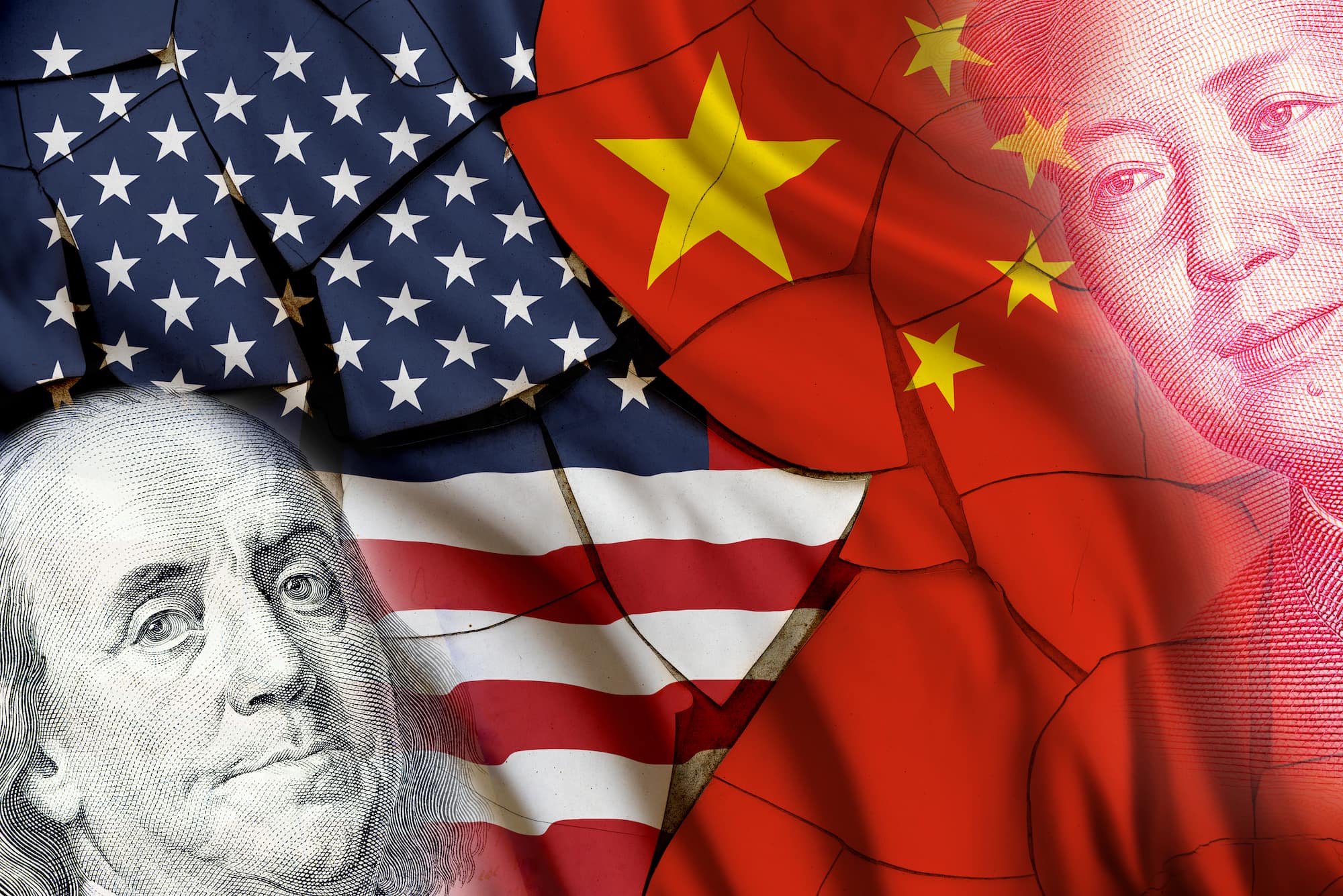
On May 14th, 2024, the USTR Announced strategic adjustments to Section 301 tariffs following a four-year review. U.S. trade representative Katherine Tai initially backed the retention of the Section 301 tariffs for Chinese products. However, there has been a recent strain on U.S. commerce. Due to this, President Biden supervised Tai in either revising or introducing new tariffs. The revisions are a way to counteract the current policy changes introduced by the People’s Republic of China (PRC). China has given signals that it will soon retaliate against the tariff adjustments. The Chinese government stated that the tariff changes will, “seriously affect the atmosphere of bilateral cooperation.”
The key commodities affected by the changes include:
Battery part – Rate increase to 25% in 2024
Electric Vehicles – Rate increase to 100% in 2024
Facemasks – Rate increase to 25% in 2024
Lithium-ion Electrical Vehicle Batteries – Rate increase to 25% in 2024
Lithium-ion Non Electrical Vehicle Batteries – Rate increase to 25% in 2026
Medical Gloves – Rate increase to 25% in 2026
Natural Graphite – Rate increase to 25% in 2026
Other Critical Minerals – Rate increase to 25% in 2026
Permanent Magnets – Rate increase to 25% in 2026
Semiconductors – Rate increase to 50% in 2025
Ship to Shore Cranes – Rate increase to 25% in 2024
Solar Cells (Whether or Not Assembled Into Modules) – Rate increase to 50% in 2024
Steel and Aluminum Products – Rate increase to 25% in 2024
Syringes and Needles – Rate increase to 50% in 2024
The USTR will issue a Federal Register notice regarding the adjustments that will outline the exclusion process and give the protocol for public comments on the tariff adjustments. A1 Worldwide Logistics is closely monitoring the changes and is prepared to guide you through the current situation. We offer solutions for adapting to the tariff increase and ensure the best course of action for the shipment. Contact A1 Worldwide Logistics at 305-425-9456 to navigate the current circumstances and ship your cargo internationally.

by A1 WorldWide Logistics | May 2, 2024 | 3PL, Delivery, Shipping Logistics
An important consideration when shipping cargo internationally is understanding what are outsourcing logistics. Outsourcing is when a company or shipper uses an external provider to provide services typically done in-house. Although outsourcing can happen in the same country, it commonly occurs in outside countries. These services can include manufacturing, operations, shipping, and other tasks. While certain businesses delegate specific functions to external sources, others transfer the majority of processes. With e-commerce and globalization growing rapidly, the need for outsourcing has also risen. This article will explain the benefits and challenges of this logistics model and focus on international shipping.
What Are Outsourcing Logistics And Why Do Shippers Outsource?
While there are numerous reasons that a shipper outsources, a common purpose is to cut costs. For example, a company that makes and ships a large quantity of goods typically has many expenses. Workers in other countries can cut production costs, allowing the company to make more goods. When shipping the finished products internationally, outsourcing the process also has monetary advantages. Expenses from owning and maintaining a carrier pile up over time as shipments grow. Likewise, in domestic transport, using an outside trucking company is cheaper than maintaining a fleet of trucks. Another benefit of outsourcing is the potential for expandability and scalability.
One of a company’s main goals is expansion, and outsourcing is one of the best ways to achieve this. As the volume of shipments increases, the ability to meet the demand becomes more challenging. Using a separate logistics company that can meet customer requirements allows quick scalability. Utilizing a third-party fulfillment center with storage and last-mile delivery enables a company to scale. Along with scalability, flexibility becomes possible when a business can quickly downsize or upsize operations based on market conditions. There are also many regulations that shippers have to follow when bringing in goods from other countries. Outsourcing importation to customs brokers is ideal for simplifying the customs clearance process.
What Can Be Some Disadvantages Of Outsourcing?
While outsourcing has various advantages, this logistics model can also have challenges. A typical issue is the decrease in communication that can arise from many parties involved in a shipment. For example, using a carrier company to move your cargo means that the shipper has to contact the carrier when issues arise. Poor quality carriers can be challenging to reach, which can be a problem in an emergency. Outsourcing can also cause other issues, such as a loss of control. Part of a supply chain goes to another party; if a mistake happens, it goes directly to the shipper. In extreme cases, the third party can commit cargo theft or any other offense.
Despite the challenges, numerous businesses outsource due to the value it has. A shipper must ensure that they find qualified carriers to move their cargo. Shippers can do this with the help of a 3PL (third-party logistics) provider. 3PLs match the sender of a shipment to an ideal carrier that can complete the transport. They also provide other services like warehousing, order fulfillment, reverse logistics, etc. To begin outsourcing, contact A1 Worldwide Logistics at 305-821-8995 to speak to our 3PL exports regarding starting. Along with a focus on transparency and reliability, we have numerous solutions for your supply chain.

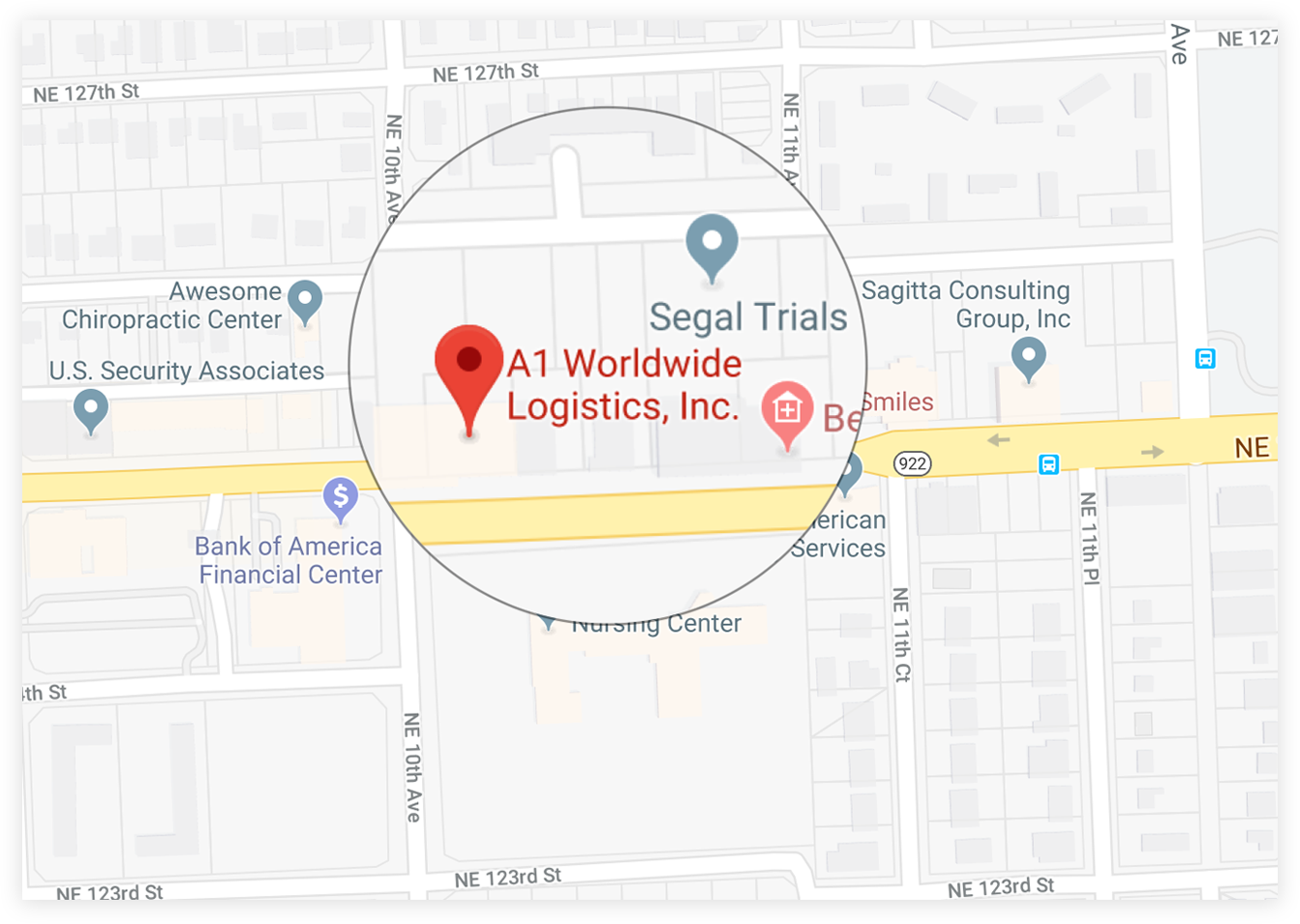
 1035 NE 125th St Suite #320, North Miami, FL 33161.
 a1worldwidelogistics.com
 (305) 821-8995
 Hours: 8AM - 5PM