
by A1 WorldWide Logistics | Feb 12, 2024 | Agricultural imports, Customs Clearance, Shipping Logistics
Shippers should be exceptionally careful when importing flowers into the U.S., especially during Valentine’s Day. Valentine’s Day is a time to show that special someone that you cherish and care for them. One of the most popular ways is by gifting them a bouquet of red roses. In 2023, The CBP reportedly inspected over 1.1 billion flower cut imports during the Valentine’s Day season. Most shipments came from Colombia and Ecuador and arrived in the U.S. through the Port of Miami. When deciding to import flowers into the U.S., a shipper should be aware of many considerations. This article will explain the logistics of importing flowers and how to begin.
What To Know Before Starting?
Floral products can be more challenging to bring into the U.S. than other imports. Along with the Customs and Border Protection (CBP) requirements, shippers must follow regulations from the U.S. Department of Agriculture (USDA). The USDA verifies that agricultural imports like flowers are free from pests, diseases, and other harmful things. Before starting, a shipper must ensure the shipment complies with the entry requirements. While importers commonly ship red roses during Valentine’s Day, each flower type can have its requirement, which the USDA determines. For example, cut flowers, bouquets, and potted plants have different prerequisites, and not understanding them can negatively impact your importation.
What Is The Logistics Process For Importing Flowers Into The U.S.?
A shipper can use various methods of conveyance, like air, ocean, and land, when importing flowers into the U.S. It is essential to note that flowers are perishable, meaning they can spoil after a specific time. Importers usually use reefers or refrigerated containers to prevent them from damaging during transit, as well as other more advanced methods such as vacuum cooling, which not only control the temperature but also the humidity of the flowers, resulting in a longer vase life.
Some of the documents that the CBP requires for importing flowers include:
- Airway/Bill of Lading – A receipt that that shipper is moving, which can also provide tracking information.
- Phytosanitary Certificate – A certificate that ensures the flowers are pest and disease-free.
- Commercial Invoice – A document with essential information about the shipment that customs also uses to evaluate the value of the cargo.
- Certificate of Origin – A certificate verifying the country where the export occurs.
These are just some documents that customs require for importation and can vary depending on the flower type. To understand the paperwork that your shipment requires, speak to a customs broker. A broker is an intermediary between the shipper and customs and coordinates the release of a shipment.
A1 Worldwide Logistics
While importing flowers may be a huge opportunity this Valentine’s Day, it may seem overwhelming for beginner shippers. An ideal way to start is by using the assistance of a 3PL (Third-Party Logistics) provider. 3PLs have freight forwarding services to move your shipment and customs brokerage services for clearing your goods at customs. Logistics providers also have drayage services to transport the goods to their final destination once customs clears the shipment. If you plan on importing flowers, contact A1 Worldwide Logistics at 305-821-8995 or info@a1wwl.com to begin the importation process. We coordinate with the Port of Miami and every other U.S. port to ensure the successful delivery of your shipment.
by A1 WorldWide Logistics | Feb 8, 2024 | Shipping Logistics, Supply Chain, Transportation
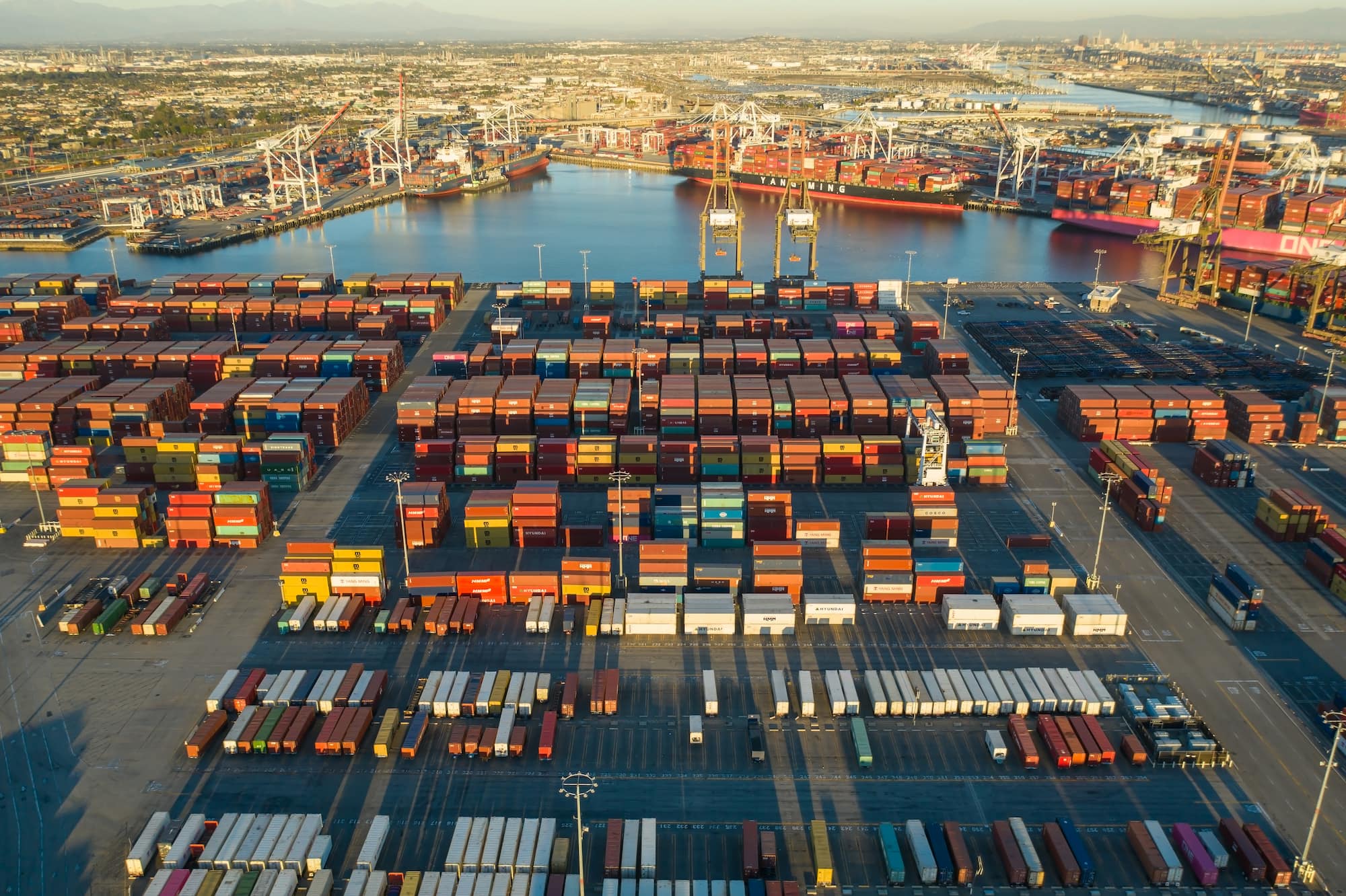
Different situations internationally are causing many to expect a cargo surge in U.S. ports in the coming weeks. Particularly on the West Coast, Long Beach and Los Angeles ports may soon receive extraordinary volumes. A primary reason is the Gaza war, which has a direct effect on the containers passing through the Red Sea. The U.S. Department of Transportation (DOT) has been monitoring the situation, and stakeholders expect increased congestion across ports. With the number of shippers that rely on the ports, potential delays can adversely affect their supply chains. Despite the predicted shipment surge, ports and inland transportation services are more prepared for the volumes than the COVID-19 pandemic.
What Is Causing The Cargo Surge In U.S. Ports?
The issues between Israel and the Hamas militant group have escalated to a war in 2023. Shippers moving cargo to and from the Red Sea to the Suez Canal were affected by potential delays and attacks. The Suez Canal is one of the most significant artificial canals, with more than 12% of global trade passing through. As the conflict reached the canal, numerous shippers began rerouting to safer locations to protect their shipments. As carriers began switching routes, places like the U.S. West Coast rose in popularity. Instead of going the long route through the Cape of Good Hope in Africa, Asia-U.S. shipments can cut time by nearly 14 days by going to the West Coast.
Along with the conflict in the Red Sea, the Panama Canal has been facing a drought. Over the last year, the Panama Canal Authority (ACP) set restrictions on carriers that must pass through. This meant the number of containerships that move through daily went from approximately 40 to nearly 32. A decrease in daily transits led to a backlog of over 100 ships waiting for entry, leading to significant delays. The Panama Canal water shortage initially rerouted cargo going to the U.S. West Coast to the Suez Canal. Now, the situation in the Suez Canal is redirecting ships again to the U.S. West Coast, increasing cargo volume.
How Can You Prepare Your Shipment From Congestion And Delays
With U.S. ports potentially experiencing congestion in the coming weeks, you must prepare your shipment beforehand. Looking at the news or reading shipping web pages could protect your goods from delays by giving you a warning. When your cargo is on the journey to the port, proactive communication with your carrier or logistics provider is critical. Knowing the time expectations beforehand helps you plan your supply chain accordingly and warn your customers about setbacks. Having the documentation ready before the goods enter the port may prevent further delays and demurrage charges. If possible, you can look for alternate nearby ports to import your shipment.
As the West Coast ports get more congested in the coming weeks, protecting your shipment is increasingly essential. While delays can be unfavorable for your supply chain, you can take steps to prevent them from happening. Another way to do this is by speaking to a logistics provider. Logistics companies have various services like freight forwarding and customs brokerage for ensuring the movement of your cargo. Reach A1 Worldwide Logistics at 305-821-8995 or info@a1wwl.com for assistance with importing or exporting to or from the U.S. We have customs brokerage and freight forwarding services to help you navigate the world of international shipping.

by A1 WorldWide Logistics | Feb 1, 2024 | Shipping Logistics, Supply Chain, Warehousing
When a business is considering logistics strategies for growing its supply chain, understanding what is omnichannel logistics can be beneficial. Omnichannel logistics is the process of using multiple channels to reach customers and fulfill demand. While Omnichannel may seem similar to Multichannel logistics, they differ in integration. Multichannel uses several channels to guide a customer through the purchasing process. Omnichannel also has multiple channels; however, they are connected and share data jointly. An example is a company with an app and website where you can order online and ship to the store. Companies usually import the products from distribution centers and warehouses internationally.
The Importance of Understanding What Is Omnichannel Logistics
Knowing omnichannel logistics can help a business streamline its supply chain and offer more to its clients. In a time when customers expect more excellent solutions for their needs, this is especially important. Using the example where buyers can order online and ship goods to a store, this can start at the warehouse. A company understanding omnichannel logistics may have multiple channels with product option services that adapt to the customer’s needs. Once the customer selects, the website will send the order to a warehouse where the cargo manipulation process begins. Other parts of the supply chain, like the delivery process, can offer numerous alternatives with omnichannel logistics.
What Are The Benefits And Challenges Of Omnichannel Logistics
Omnichannel logistics have numerous benefits for the customer, company, and other parts of a supply chain. A significant advantage for businesses is that the enhanced customer journey and solutions increase retention. Greater scalability also becomes possible since the multiple channels allow reaching into new customer segments. An effect is that a business can have a competitive advantage since various integrated channels set it apart. Additionally, having numerous ways for a buyer to access your services may be beneficial in gathering customer data. The information lets the company make more informed service and product decisions.
While this logistics approach has many benefits, there can also be challenges, including difficulty performing reverse logistics. Reverse logistics is the return of products through the supply chain for disposal, reusing, recycling, etc. Compared to businesses with one channel, a company with multiple channels can have difficulty deciding on the best channel to handle the returned product. Another challenge is that inventory visibility may become complex with the numerous retail locations and warehouses that omnichannel usually has. With the number of channels available to customers, omnichannel is accessible to anyone. A problem arises when competition acquires critical information for their interest.
Customs Bonded Warehouse
One of the most critical parts of a supply chain is the warehousing fulfillment a company provides. A common way businesses save money while providing numerous services is by outsourcing to a 3PL warehouse provider. A1 Worldwide Logistics understands this and has a customs-bonded facility for housing your cargo. Customs-bonded warehouses allow freight storage without paying taxes up to five years from the import date. This allows the importer to save money while finding customers for their product. If the shipper cannot find a buyer for the goods, it can be re-exported without payment of duties. To learn more about our customs-bonded warehousing solutions, contact us at 305-821-8995.
by A1 WorldWide Logistics | Jan 25, 2024 | Importing, Shipping Logistics, Supply Chain
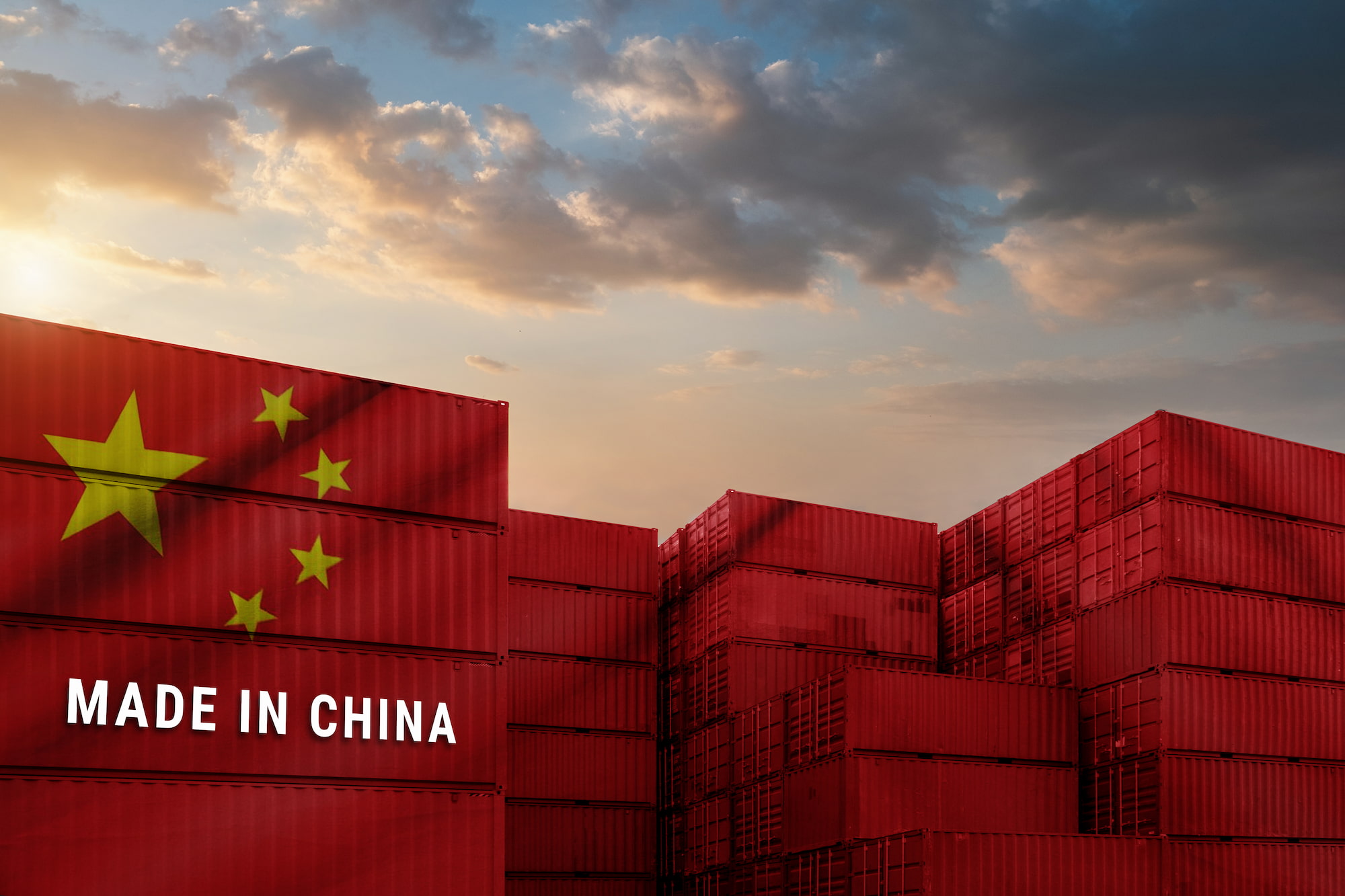
Due to China’s significance for international trade, shippers may face challenges when importing during Chinese New Year. Making up roughly 14% of the world’s total exports, China is the largest exporter of goods globally. The Chinese New Year is a festival that celebrates the start of a new year in a lunisolar Chinese calendar. This year, the Chinese New Year will start on February 10th, 2024, and finish on February 24th, 2024. During the holiday, ports, shipping companies, and factories limit operations or shut down, which can cause supply chain disruptions. This article will explain how the Chinese New Year affects shipping and how to prevent delays when moving cargo.
What Should You Know When Importing During Chinese New Year?
Chinese New Year is a 15-day period where business and production in the country decrease. With China being a powerhouse in world trade, a slowdown has a significant impact internationally. A major impact is that supply chain disruptions can grow during this period. Along with factories closing for more than weeks, a considerable part of China’s population is on vacation. Companies that import goods from China may experience delays and unavailability. Meanwhile, there is an increase in demand in the weeks leading up to the holiday, which can mean port congestion. This is at a time when the ports are already operating at limited capacity.
Congestion is not only felt at the ports; trucking services for moving the cargo to its final location also feel the bottleneck. The increase in demand can mean higher shipping costs since there is limited capacity to match it. Along with increased freight rates, carriers may add charges like peak season surcharge. There is also a shortage of containers due to the demand during the holiday. Even after Chinese New Year finishes, businesses and manufacturers do not return to normal immediately. It can take over four weeks for companies to return to normal production levels. Shippers can feel the majority of the impact between mid to late February.
How Can You Protect Your Supply Chain
Because of the impact of the holiday, shippers that have to move their cargo internationally must be ready to prepare. Preparing for the Chinese New Year should be done weeks in advance. Planning ahead can mean booking container space beforehand or communicating your needs with your logistics provider. Using more than one supplier or supplier in different countries can also help. In a scenario where prices increase, using LCL (less than Container Load) is beneficial for your shipment. LCLs keep prices down and can help prevent delays since full container loads are necessary before the cargo can move. Using different methods of conveyance, like air or land, can also assist in avoiding delays.
As the Chinese New Year quickly approaches, it is essential that international shipping is not disrupted by delays or other issues. Another way to protect your supply chain is by talking to a logistics company. Using the help of a dedicated and experienced logistics provider can help you navigate the Chinese New Year. Reach A1 Worldwide Logistics at 305-440-5156 for a quote to move your cargo Internationally. We also provide customs brokerage services to clear your cargo when it reaches the U.S.

by A1 WorldWide Logistics | Jan 11, 2024 | Economic trends, Shipping Logistics, Supply Chain
Recent disruptions are leading to ocean shipping rates spiking internationally, particularly on the U.S. West Coast. Rates for specific shipments from Asia to the U.S. West Coast have surged over 50% at the start of 2024. The China-West Coast FBX rate of $2,713 on January 3rd was over 95% higher than in January 2020. The rates are going so high because of the current disruptions in the international shipping industry. In particular, the Israel-Gaza conflict is causing containerships to switch routes and Panama Canal Restrictions. Carriers have already rerouted more than $200 billion of cargo from the Red Sea to other locations.
Why Are Ocean Shipping Rates Spiking
The most significant contributor to the current surge in West Coast rates is the situation happening in the Red Sea. A side effect of the Israel-Hamas war is that the Houthi rebels are attacking shipping routes in support of Hamas. Since mid-November, the Houthi has carried out a total of 23 attacks on containerships passing through The Red Sea. As carrier companies reroute their vessels, short routes like Asia to the West Coast are becoming more attractive. While the Cape of Good Hope has also been another alternative route, it is a longer path. A ship transporting goods from Shanghai to New York via the Cape of Good Hope can take 43 days.
Comparatively, A voyage from Shanghai to California takes nearly 17 days plus 1-5 days to move the cargo from China to New York by truck. This is causing Asia to the West Coast to be an increasingly attractive route. The increase in traffic is causing the container shipping rates to the West Coast to rise. A recent drought in the Panama Canal has also led to a growing number of carriers and surging rates. Initially, the restrictions from the draught caused Asian cargo going to the East Coast to reroute to the Suez Canal. The current situation in the Red Sea is now causing carriers to redirect again.
How Are Shippers Managing Disruption
Despite the conflict’s effect on shipping, many believe the disruptions and current rates are temporary. During the coronavirus pandemic, container rates reached record levels due to the immense demand for moving freight. Congestion and the limited capacity to handle the cargo contributed to the surge. The present situation differs since carriers can handle the rising rates more than the pandemic. The Panama Canal’s restrictions will also soon reduce, with the rainy season approaching May 2024. Tankers and dry bulk containers have not been affected by the threats and continue to transit through the Red Sea.
While current situations may seem unfavorable for international shipping, shippers are finding solutions to mitigate potential impacts on their shipments. Along with rerouting cargo, this includes being up-to-date with any events that affect the transport of goods. Exporters are also bypassing the disruptions by switching to different means of conveyance, like air or land, if possible. Another way that shippers are navigating the current situation is by getting assistance from a logistics provider. Call A1 Worldwide Logistics at 305-821-8995 for a quote to move your shipment to and from the U.S. We give you peace of mind knowing that you or your business can navigate the complex world of international shipping.


 1035 NE 125th St Suite #320, North Miami, FL 33161.
 a1worldwidelogistics.com
 (305) 821-8995
 Hours: 8AM - 5PM