
by A1 WorldWide Logistics | Aug 21, 2025 | Economic trends, Importing, Shipping Logistics
International shipping could soon feel the impact as the end of de minimis approaches on August 29. On July 30, President Trump signed an executive order to suspend the exemption for all countries importing into the US. The de minimis is a threshold value below which goods can enter a country tax-free. In the US, the amount is currently $800 or less after rising from $200 in 2016 due to e-commerce. Trump initially eliminated the de minimis for China on May 2, but the current pause will be for every nation. Taxes for imports previously under the exception will now be assessed by country-specific reciprocal tariffs or the international postal system.
Duties for goods imported through the international postal system will now be assessed by ad valorem or specific duty. Ad valorem is a tax based on the origin country and evaluated on the value of the cargo. Specific duty is a fee between $80 and $200 based on the IEEPA rate of the origin country. Trump has various goals behind eliminating the de minimis, including combating illegal and deceptive trade practices. Since packages that fall under this exemption tend to be subjected to less scrutiny than regular imports, shippers have used it to bring in illicit fentanyl and other drugs into the US. De minimis shipments, increasing from approximately 134 million to 1.36 billion in the last nine years, further increased the volume.
What Does The End Of De Minimis Mean For Shippers?
Ending the exemption will directly affect shippers due to the goods that other countries import into the US. The most significant impact of ending de minimis is the higher costs for importers. Every shipment will now require duties, customs entry, and paperwork, regardless of value, increasing the price. Online buyers and sellers will feel the effect with many de minimis shipments coming from e-commerce. Logistics providers from different countries have already paused US-bound shipments due to the challenges in quickly adapting to compliance requirements. Another issue that can arise from returning customs entry requirements is a slowdown in the shipping process and potential delays.
If the shipper is a business that sells products, the higher costs could fall on the customers. Especially with the peak season notably increasing the number of products entering the US. Shippers have already begun finding ways to adapt to the higher costs, including importing in bulk. Consolidating shipments into larger sizes instead of importing thousands of smaller sizes can protect against the price increase. Another solution has been nearshoring production into US locations and shipping goods domestically. Importers have also moved manufacturing to nearby countries like Mexico and Canada, allowing easier importation through trade agreements.
A1 Worldwide Logistics
Shippers must be aware of laws and regulations affecting their shipments when bringing goods into the US. Understanding the various regulations can help prevent potential delays, monetary losses, and cargo losses. Another way shippers prepare when importing into the US is by speaking to a customs broker. Brokers are licensed professionals who facilitate the clearance of imports across the country’s borders. They do this by calculating duties, providing documents, filing entries, offering consultation, and more. In the US, brokers ensure compliance with CBP (Customs and Border Protection). Contact A1 Worldwide Logistics at 305-440-5156 or info@a1wwl.com to speak to our brokers about providing a successful importation.
by A1 WorldWide Logistics | Jul 17, 2025 | Shipping Logistics, Supply Chain, Transportation
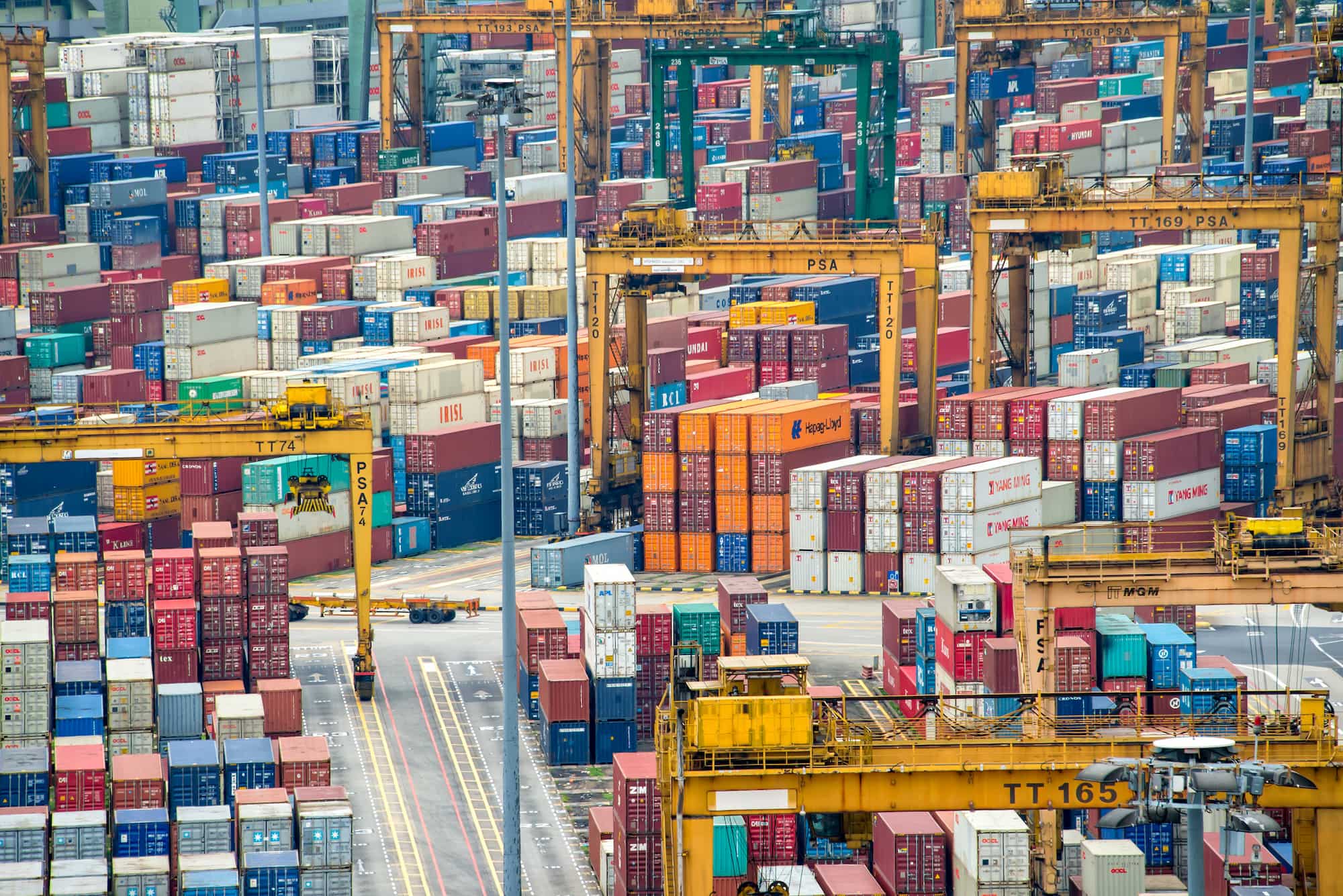
As August rolls around, it is essential to understand what to expect when shipping during the peak season. The peak season is a time when the demand to ship cargo surges. In the US, it usually starts around mid-August and goes to the end of Autumn. Scenarios like the back-to-school rush and stocking up for the holidays happen during this time. In particular, ocean freight in the Trans-Pacific and Asia-Europe trade lanes has a significantly high traffic volume. Due to the high demand for shipping, shippers can face various challenges during peak season. This article will explain what happens during this period and how to protect your shipment.
What Can You Expect When Shipping During The Peak Season?
Due to the high demand for shipping, shippers can face various disruptions during the peak season, including higher shipping costs. As the freight rates rise as the demand to ship cargo internationally rises, so can the freight rates. Carriers also implement other fees like PSSs (Peak Season Surcharges) and GRIs (General Rate Increases) to compensate. Another challenge from shippers importing and exporting higher cargo volumes is capacity constraints. When the number of shipments increases, carriers can rapidly reach full capacity. Overcapacity can result in overbooking and lead to ships rolling the freight to a later sailing. Being forced to wait longer to ship can be detrimental if the shipper has customers expecting their goods promptly.
Delays can also result from port congestion caused by a high volume of imports. As the containers entering the port begin to surge, wait times for unloading start to increase. In turn, this increases the chances of demurrage charges. Demurrage is a fee that seaport officials place on cargo that stays at a terminal past the last free date. Congestion can also lead to container shortages, particularly in high-demand and inland areas. This could lead to longer shipping times, more expensive repository fees, and booking delays. Along with impacting shippers, the demand for last-mile delivery services puts extra strain on truckers.
How Can You Prepare?
With the peak season potentially impacting international shipping, a shipper must know how to prepare. Preparation can include securing carrier space in advance to guarantee successful delivery and prevent delays. It is also beneficial to ship early to decrease the likelihood of peak season challenges and extra costs. Shipping beforehand may also include stocking up on items to prevent the risk of shortages. Shippers can benefit from diversifying shipping routes and transportation modes to avoid port congestion. For routes, this can include transporting your shipment through ports with less volume to prevent bottlenecks and delays. Moving goods using modes other than sea, such as air, and if possible, land, can also prevent unexpected interruptions.
Although the peak season can be a time of pressure for shippers, it should not stop cargo movement. However, the shipper should take the proper steps to avoid supply chain disruptions. Another way to prepare is to work with a 3PL (Third-Party Logistics) provider like A1 Worldwide Logistics. 3PLs are service providers that offer various services for a shipper’s supply chain. These include international and domestic shipping, warehousing, customs clearance, and more. 3PLs also provide consultation on the best action to protect your cargo during peak season. Speak to us at info@a1wwl.com or 305-425-9752 to learn about our 3PL solutions for ensuring a successful shipment.
by A1 WorldWide Logistics | Jul 25, 2024 | Air Freight, Importing, Shipping Logistics
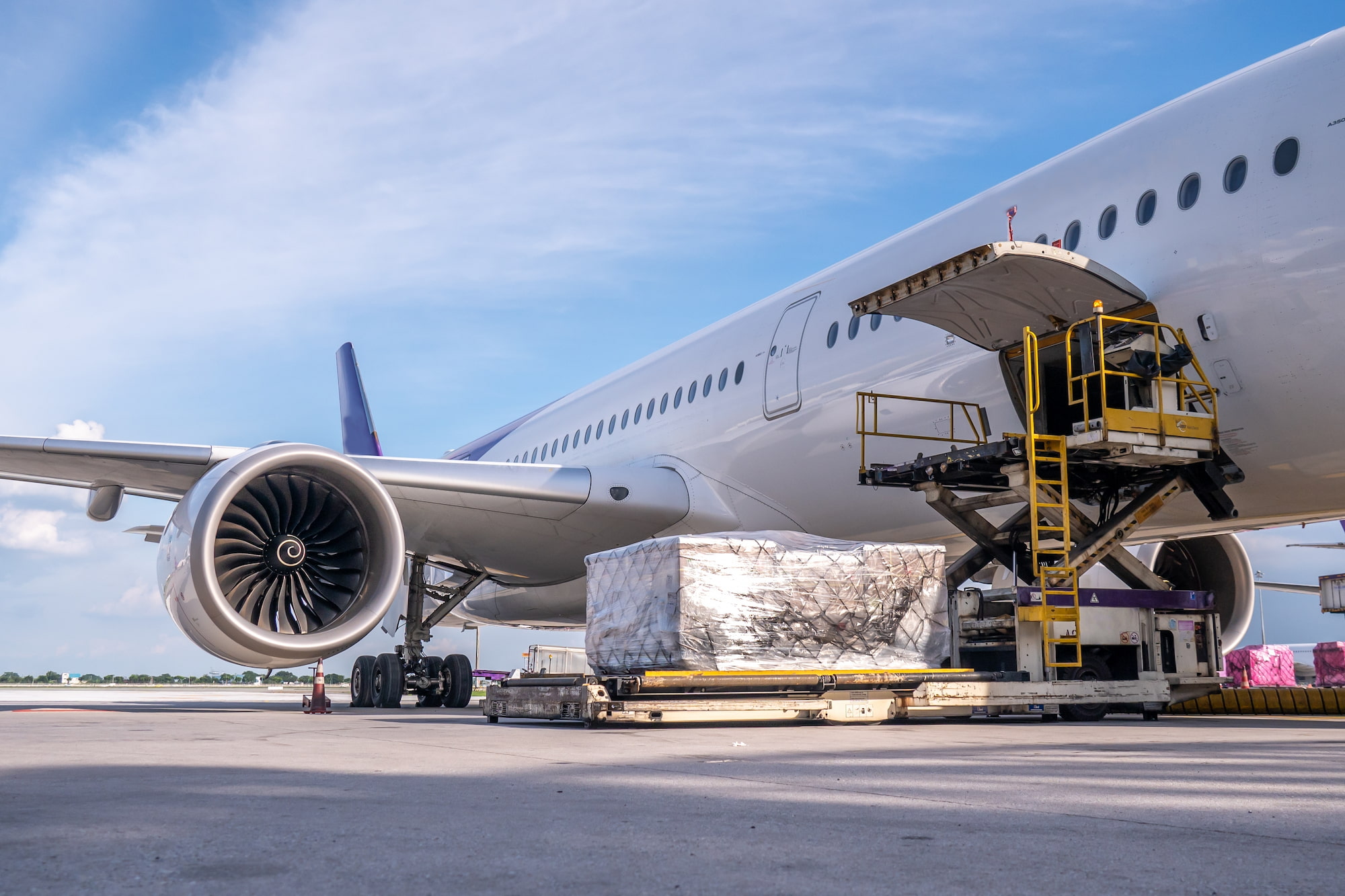
Saving costs on airfreight can be valuable when shipping cargo internationally by air. While moving goods by air is one of the most convenient methods of transport, it may be costly. Over the last decade, the demand for this method has skyrocketed. The coronavirus pandemic further increased demand since customers bought more products online and rose imports. Expenses like fuel prices and other expenditures have further raised costs. Because of this, Shippers have found it increasingly beneficial to find strategies to increase savings. This article will explain the various costs of transporting freight by air and how you can save when starting.
Understanding The Costs Involved In Shipping Cargo By Air
Due to the numerous components involved in international shipping, there are different costs a shipper should be aware of. Before the air carrier transports the cargo, trucks typically move it to the loading port. This means that domestic transport can add to the entire cost of an air shipment. Other costs include the base rate, which covers the airline’s operational fees. Various factors affect the base rate, including volume, route, weight, season, etc. Other costs include security screening, customs clearance, peak season surcharge, etc. Fuel surcharges are fees included in airfreight and can account for over 30% of the total rate.
What Are Common Ways That Shippers Are Saving Costs On Airfreight?
Some of the most common ways that shippers can save on air shipping include:
- Consolidating Shipments – Consolidation is a process where a carrier combines smaller shipments into a single shipment. For airfreight, this can considerably reduce costs for shippers by paying only for the space you use. Other fees like handling also decrease with the grouping of cargo. Consolidation allows for faster transit times, too.
- Shipping Off-Peak Times – Demand for transporting cargo internationally can determine the shipping cost. The peak season is when the demand for moving goods is at its highest. During this time, the price to ship tends to hike due to scenarios like limited capacity. Transporting freight during periods of low demand may result in lower rates and smoother operations.
- Optimizing Packaging – A way to save on airfreight that shippers tend to overlook is using efficient packaging. Since air carriers have less space than vessels, they charge extra on volumetric weigh and space. It can be critical to optimize packing by removing packaging materials or using different crating to minimize bulk.
Using A Freight Forwarder
Another way to save when shipping cargo by air is using a freight forwarder. Freight forwarders are the middleman between the shipper and the carrier. Along with coordinating the movement of goods, they ensure the success of the shipment while finding cost-saving solutions. For example, they can offer the various saving methods mentioned in the article. Forwarders also have established relationships with carriers and can negotiate rates on the shipper’s behalf. Call A1 Worldwide Logistics at 305-821-8995 to speak to our expert freight brokers regarding your shipment’s success. Whether the transport method is air, land, or sea, we help streamline the transportation process.
by A1 WorldWide Logistics | May 30, 2024 | Shipping Logistics, Supply Chain, Transportation
A vital consideration a shipper must make when transporting goods internationally is reducing ocean freight costs. Shipping by sea is the most common way cargo moves globally, accounting for over 90% of international trade. Despite its popularity, there can be numerous expenses that may confuse even the experienced shipper. While certain fees are unavoidable, there are specific ways that shippers can reduce the overall price of transporting by sea. Whether you are shipping as an individual or from a company, this can benefit your supply chain. Saving costs is especially important with recent market conditions and the rise in container rates. This article will explain the best ways to lower expenses.
How Do Carriers Calculate Shipping Costs?
Ocean carriers that move freight internationally have different ways of calculating costs. It is crucial to note that cargo has base rates that depend on the shipment type. Other volumes include the weight, volume, distance, origin, and more. The mode of transport is also a crucial consideration. For example, containerships transport sea freight in different ways, including FCL (full container load), LCL (less than container Load), and RoRo (roll-on/roll-off). There are also additional fees like fuel and special handling surcharges. When importing into a country, there are also port terminal handling charges and customs duties a shipper should know. Shipments can also have optional insurance costs for cargo damage or loss.
What Are The Most Effective Ways of Reducing Ocean Freight Costs?
While there are numerous ways to save on ocean freight costs, the most popular ways that shippers use include the following:
- Consolidating Shipments – Consolidation is a method of shipping where a shipper combines multiple orders into one shipment. The shippers share the transportation cost by fitting various shipments into one container. This can reduce costs, and consolidation can speed up the delivery and customs clearance process.
- Negotiate With Multiple Carriers – Since countless carriers move cargo internationally, each has its shipping rates. A shipper can negotiate these rates and get the best quote amongst the transporters. Having solid relationships with steamship lines is critical in negotiating prices. Using online freight marketplaces to compare quotes is also ideal for finding cost-effective options.
- Optimize Shipping Routes – A carrier’s route to transport freight directly impacts the cost. Shorter, more direct lanes are less costly than more extended ones. Avoiding routes with high congestion is also helpful, as it can increase costs and lead to other issues.
- Pay Attention To Cargo Packaging – A way to optimize costs that shippers tend to overlook is to optimize packaging. Not packing cargo optimally can add extra volume and space, raising costs.
- Ship Off Peak Season – Peak season is when shipping demand is high. This season usually starts in mid-August, goes to the end of October, and sometimes extends to November. An effect is that the cost of shipping internationally tends to rise. Deciding to ship before that period can help in saving costs.
Using The Help of a Freight Forwarder
Finding the best cost to transport your goods can be crucial for individual and business shippers. Another way to reduce ocean freight costs is to use the assistance of a freight forwarder to ship internationally. Forwarders are connected to a network of carriers and can negotiate the best rate to move your shipment. Contact A1 Worldwide Logistics at 305-821-8995 to discuss your cargo’s movement with our forwarders.

by A1 WorldWide Logistics | May 23, 2024 | Economic trends, Importing, Transportation
Recent developments are causing an increase in shipping costs, with container rates still rising since the start of 2024. Carrier companies could soon raise prices to $20,000 for 40ft equivalent units (FEU) by the end of the year. In particular, a surge in Freight All Kind (FAK) rates is not bound to a specific commodity. The Drewry World Container notes an increase of 11% for a 40ft container, bringing the average cost to $3,511. This is a 104% increase compared to the same period last year. The spot rates of specific trade routes’ have also risen by nearly 30% in the past two weeks. With peak season starting in mid-August, the current situation may lead to higher costs and delays in the coming months.
Why Are Container Rates Still Rising?
Different global factors have contributed to the rise in container rates, including the scarcity of available space. Along with the Panama Canal drought and the US-China trade war, the Red Sea crisis significantly adds to the surge. The war near the waterway has caused ships to reroute around the Cape of Good Hope in South Africa. This added nearly 14 days to some shipments, extending transit times and limiting container capacity, raising container costs. Meanwhile, demand for international shipping has reached record levels in Q1 of 2024, nearly up 9.2% compared to Q1 last year. The present market is due to lowering capacity and transit times during the coronavirus pandemic.
Although the international shipping industry has recovered from COVID-19, the impact is still in the minds of shippers. The current scarcity of container space is following the pandemic trend, and many are preparing in advance. Companies are importing more goods now to have inventory and prevent potential delays as the peak season nears. The rise in container rates directly results from the demand and is a GRI (General Rate Increase). GRIs are standardized adjustments by carriers to base rates across shipping routes. With prices rising as the peak season approaches, some may be willing to pay more to secure space.
What Does It Mean For The Shipper?
The hike in rates has a direct impact on shippers that extends beyond having to pay extra costs. Other effects include increasing cancellation of reserved space, new weight limits, and more significant surcharges. While it may be impossible to avoid rising rates, exporters must prepare beforehand to prevent any adverse issues from arising. Shippers have already started looking for alternative methods of conveyance, like air, to prevent delays. They must be current with any news in the international shipping industry. This can include constantly checking news websites or other media sources for information. Understanding your supply chain is also crucial in making informed decisions.
Despite the current rising costs, shippers still must move cargo internationally. However, they must take the proper steps to ensure the transport of their goods. Another way to prepare is by using the assistance of a freight forwarder to move your cargo. Forwarders act as the middleman between the shipper and the carrier transporting the goods. They have various responsibilities, including finding the best rates for exporters. Along with guiding shippers throughout the process, they assist with the duty payments and documentation on their behalf. Call A1 Worldwide Logistics at 305-425-9456 to communicate with our freight forwarders regarding your shipment.

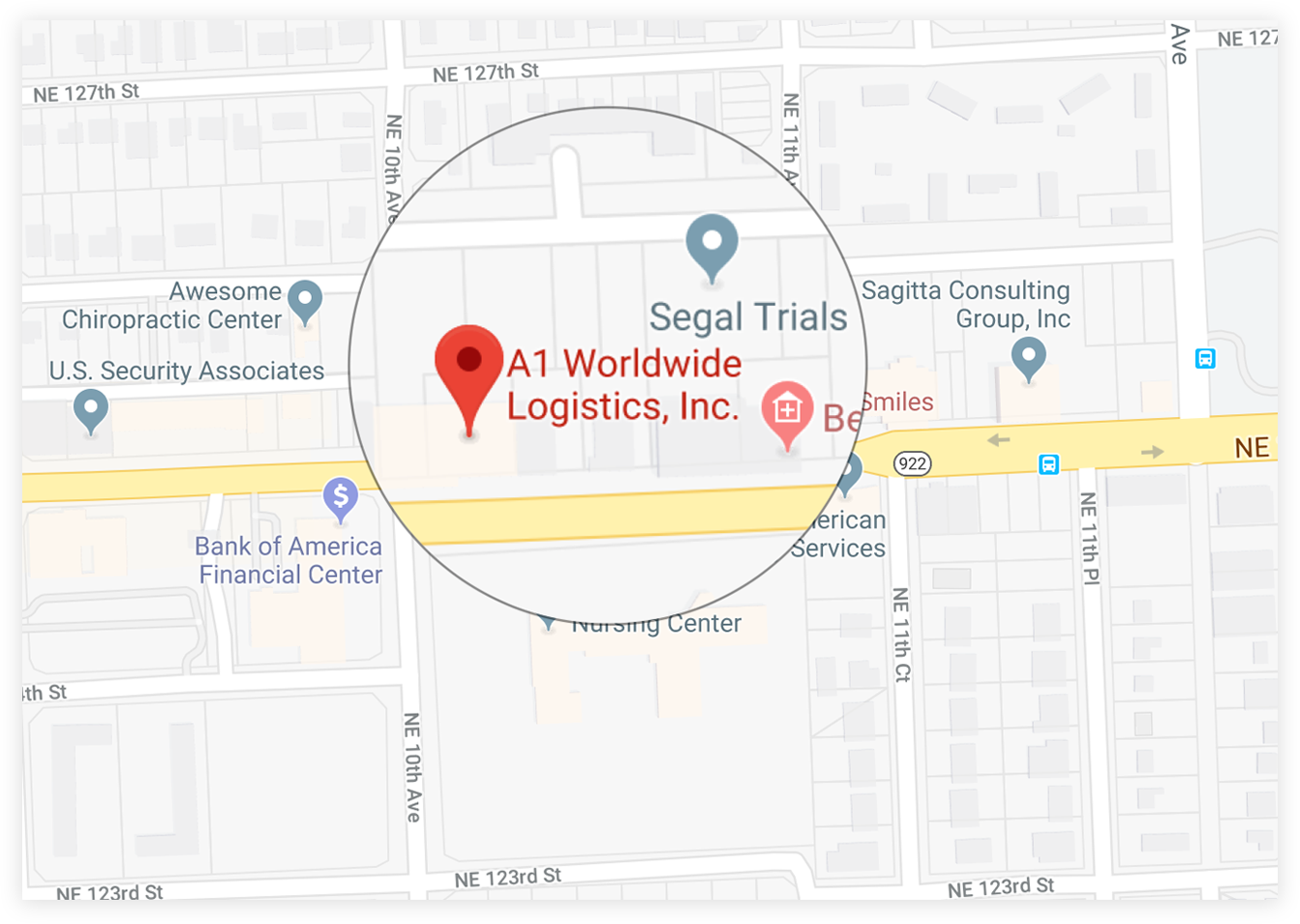
 1035 NE 125th St Suite #320, North Miami, FL 33161.
 a1worldwidelogistics.com
 (305) 821-8995
 Hours: 8AM - 5PM