

Importing Flowers Into The U.S.
Shippers should be exceptionally careful when importing flowers into the U.S., especially during Valentine’s Day. Valentine’s Day is a time to show that special someone that you cherish and care for them. One of the most popular ways is by gifting them a bouquet of red roses. In 2023, The CBP reportedly inspected over 1.1 billion flower cut imports during the Valentine’s Day season. Most shipments came from Colombia and Ecuador and arrived in the U.S. through the Port of Miami. When deciding to import flowers into the U.S., a shipper should be aware of many considerations. This article will explain the logistics of importing flowers and how to begin.
What To Know Before Starting?
Floral products can be more challenging to bring into the U.S. than other imports. Along with the Customs and Border Protection (CBP) requirements, shippers must follow regulations from the U.S. Department of Agriculture (USDA). The USDA verifies that agricultural imports like flowers are free from pests, diseases, and other harmful things. Before starting, a shipper must ensure the shipment complies with the entry requirements. While importers commonly ship red roses during Valentine’s Day, each flower type can have its requirement, which the USDA determines. For example, cut flowers, bouquets, and potted plants have different prerequisites, and not understanding them can negatively impact your importation.
What Is The Logistics Process For Importing Flowers Into The U.S.?
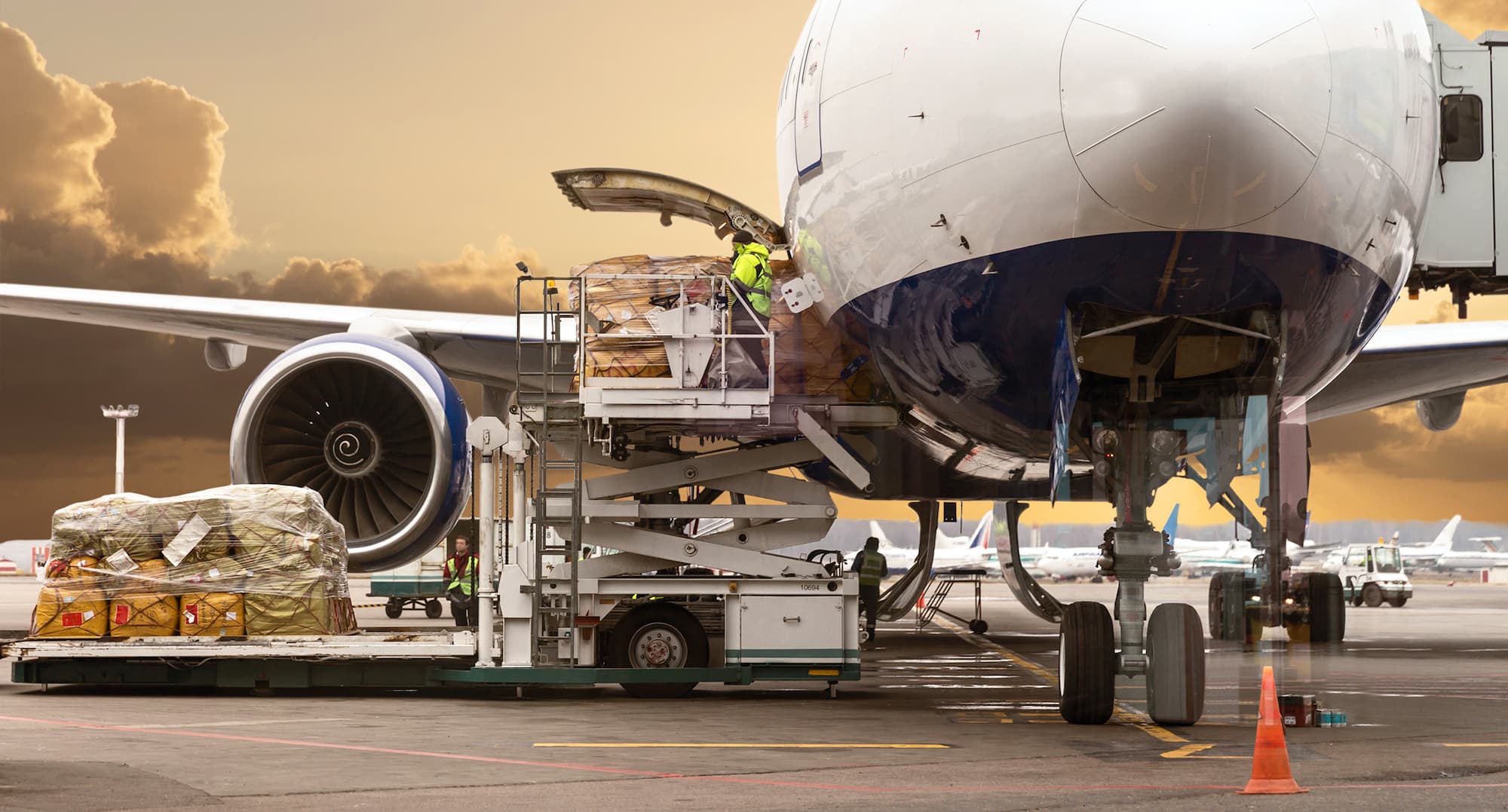
A shipper can use various methods of conveyance, like air, ocean, and land, when importing flowers into the U.S. It is essential to note that flowers are perishable, meaning they can spoil after a specific time. Importers usually use reefers or refrigerated containers to prevent them from damaging during transit, as well as other more advanced methods such as vacuum cooling, which not only control the temperature but also the humidity of the flowers, resulting in a longer vase life.
Some of the documents that the CBP requires for importing flowers include:
- Airway/Bill of Lading – A receipt that that shipper is moving, which can also provide tracking information.
- Phytosanitary Certificate – A certificate that ensures the flowers are pest and disease-free.
- Commercial Invoice – A document with essential information about the shipment that customs also uses to evaluate the value of the cargo.
- Certificate of Origin – A certificate verifying the country where the export occurs.
These are just some documents that customs require for importation and can vary depending on the flower type. To understand the paperwork that your shipment requires, speak to a customs broker. A broker is an intermediary between the shipper and customs and coordinates the release of a shipment.
A1 Worldwide Logistics
While importing flowers may be a huge opportunity this Valentine’s Day, it may seem overwhelming for beginner shippers. An ideal way to start is by using the assistance of a 3PL (Third-Party Logistics) provider. 3PLs have freight forwarding services to move your shipment and customs brokerage services for clearing your goods at customs. Logistics providers also have drayage services to transport the goods to their final destination once customs clears the shipment. If you plan on importing flowers, contact A1 Worldwide Logistics at 305-821-8995 or info@a1wwl.com to begin the importation process. We coordinate with the Port of Miami and every other U.S. port to ensure the successful delivery of your shipment.

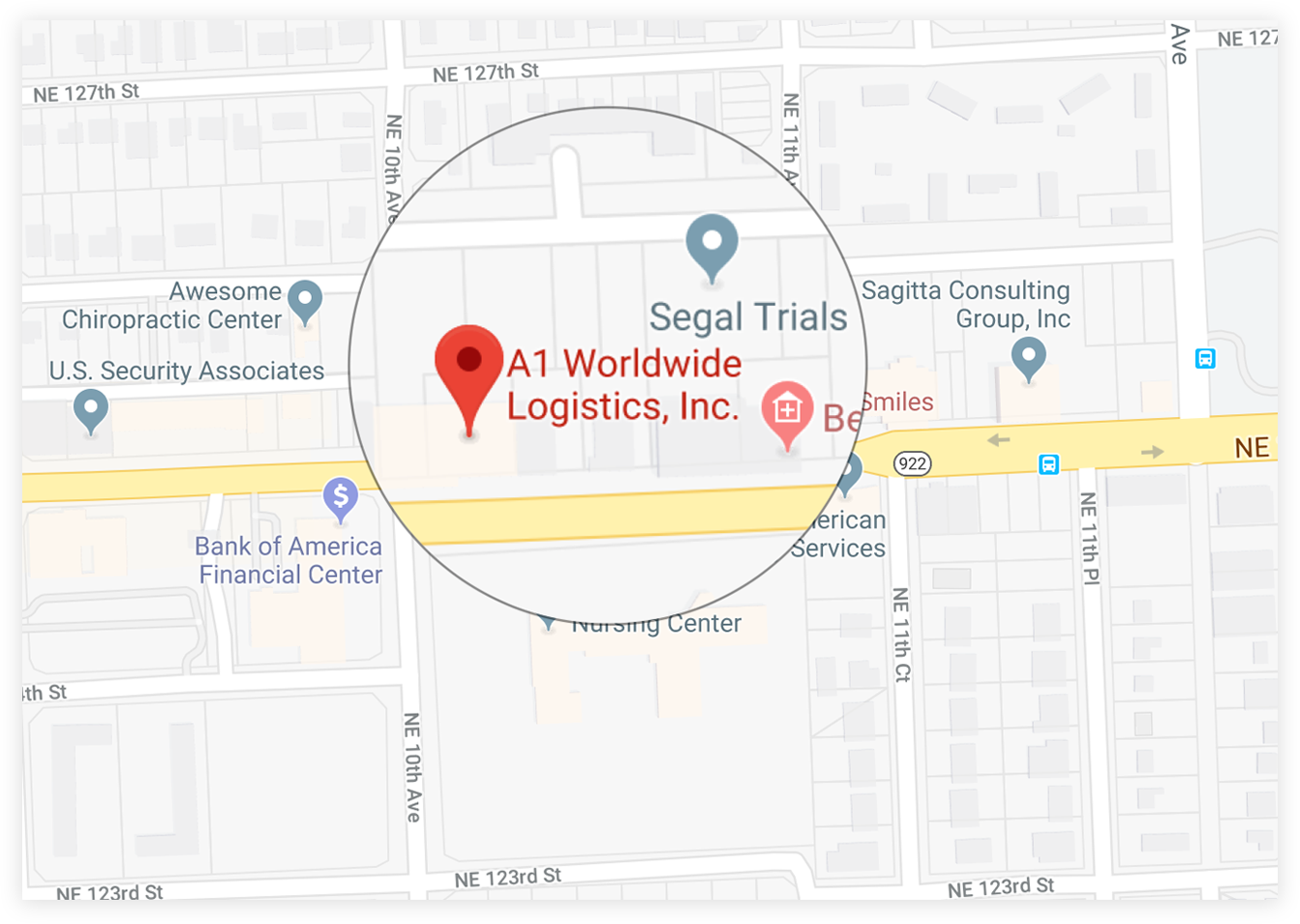
 1035 NE 125th St Suite #320, North Miami, FL 33161.
 a1worldwidelogistics.com
 (305) 821-8995
 Hours: 8AM - 5PM