In the last few decades, e-commerce has grown into a multi-trillion-dollar business. Instead of driving to the local brick-and-mortar store for goods, people began purchasing online, increasing the need for e-commerce. Similarly to large cooperations, smaller retailers began creating online stores due to growth opportunities. Shopping is now interconnected; a U.S. person can buy a good in China in the comfort of their home. Along with e-commerce, the need for warehousing cargo and moving goods internationally grew.
One of the many factors that helped warehousing grow was e-commerce due to the necessity for inventory storage. Since customers surged globally, sellers needed more inventory to accommodate the buyers. Online businesses began using warehouses to store their goods and extra merchandise. This was especially true for smaller companies that may not have enough capital to house goods. Along with storage, there are many value-adding services that a warehouse can have for an e-commerce business.
How do Warehouses Help in E-Commence Fulfillment
Warehouses are essential in many businesses’ supply chains, including online. Technological advances have led to warehouses becoming ideal for e-commerce fulfillment. The fulfillment process begins when a customer buys a product from a website. The site then sends information about the order to the warehouse. The order’s goods are located and then prepared to be sent to the customer. E-commerce is not limited to public warehouses and is also done in other types of warehouses like bonded, consolidated, smart, etc. Other services that warehouses provide for online businesses include:
The performance of warehouse audits for inventory control.
Forecasting the customer demand to determine which items are/aren’t selling.
Delivering the product to the final destination or the customer.
The coronavirus pandemic has recently accelerated the growing e-commerce market. With an increased number of customers buying goods online, businesses may benefit from having extra inventory stored in a warehouse. If you have an online store and looking for a warehouse for your goods, contact A1 Worldwide Logistics at 305-440-5156. If you need a warehouse in Texas, call 305-821-8995. We will find the solution you need for your e-commerce business and a team of experts ready to guide you!
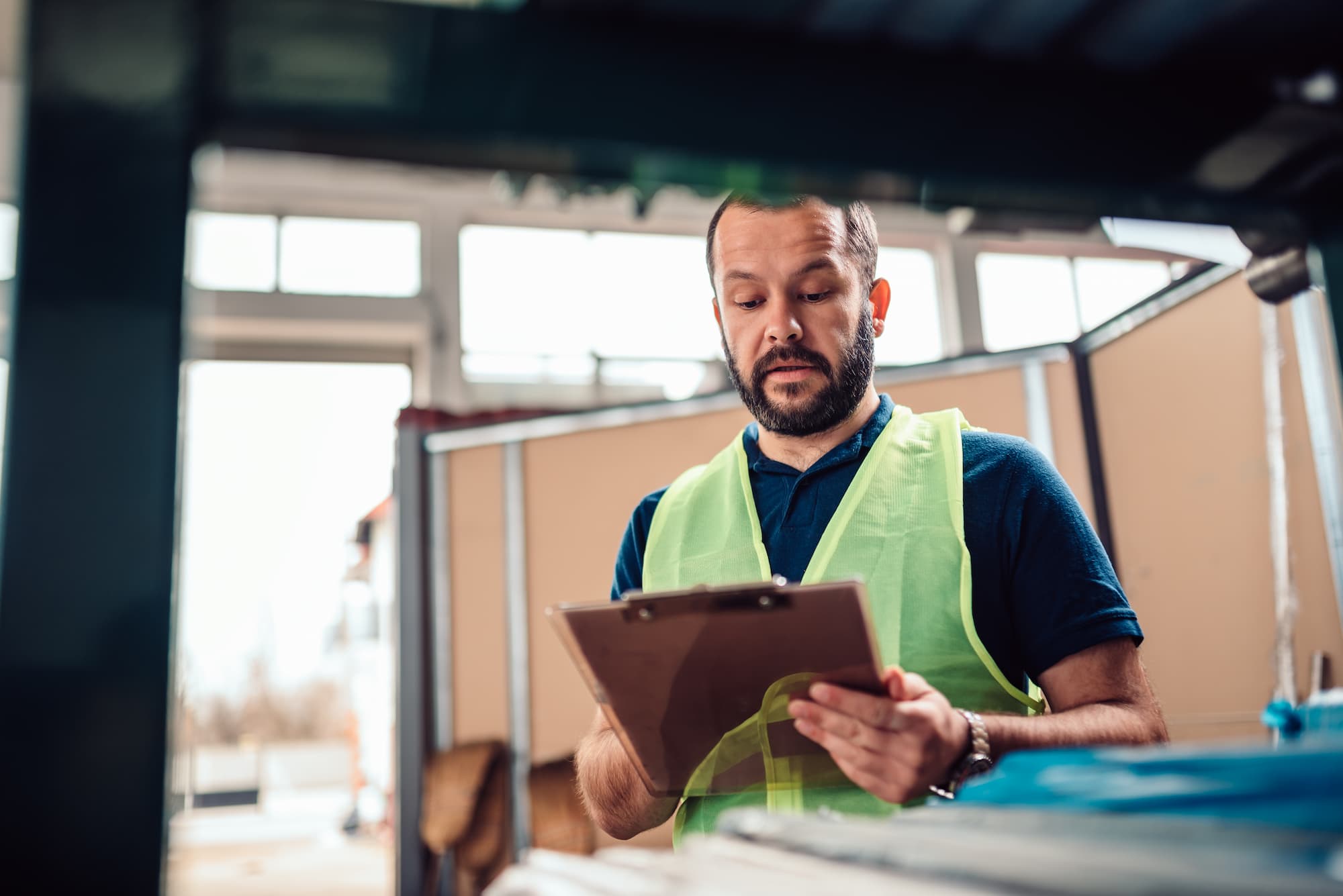
In the logistics of transporting products to clients, there are two common steps that nearly all businesses go through. These steps are picking and packing, and most companies that own or rent a warehouse do them. While the customer may not be familiar with these two processes, one mistake can affect the whole delivery unfavorably. Picking is when a warehouse worker takes a product from storage and transfers it for packing. Packing is when the picked item is sealed and labeled to be shipped by the warehouse to the client. An example to demonstrate when these processes take place is shopping in an e-commerce business.
After searching through a website, customers find something they like and buy the product. The website then sends the order to a warehouse or fulfillment center, usually in the form of a packing list. A warehouse worker then searches for the order in the inventory and brings it to a packing station. The order is packed and labeled in the station and then delivered to the customer. A different type of packing is crating, when workers pack goods into wooden crates. Crating is typically done for valuable goods that damage easily; the crates can also be metal or plastic.
What Can Go Wrong
Due to countless companies’ need for picking and packing, errors may sometimes occur. Since these processes are estimated at 45% of warehouse operating costs, a small mistake may broadly impact the supply chain. One of the more common mistakes is incorrect inventory. For example, an order is sent to a warehouse, and the warehouse’s stock records are inaccurate. The picking, packing, and delivery process can delay if the demand exceeds the stock. Missing details on inventory, such as weight and size, can also lead to unsecure packaging and damages.
A shipper usually outsources packing and picking to a third-party logistics warehouse due to the training and equipment purchasing involved. Contact A1 Worldwide Logistics at 305-821-8995 to find out how our warehousing solutions can streamline your supply chain. Along with packing and picking, we offer many other services like public warehousing, cross-docking, and trans-loading. Our warehouse is also insured and secured, meaning you can store your shipment for five years without paying taxes.
Warehousing services have evolved over the past decades to meet the customer’s needs. Two solutions that have grown into essential pieces of the supply chain puzzle are cross-docking and trans-loading. Both of these services help streamline supply chains and reduce costs; however, they differ in how they accomplish this. Here you will learn which one is best for your shipping goals.
Cross-docking
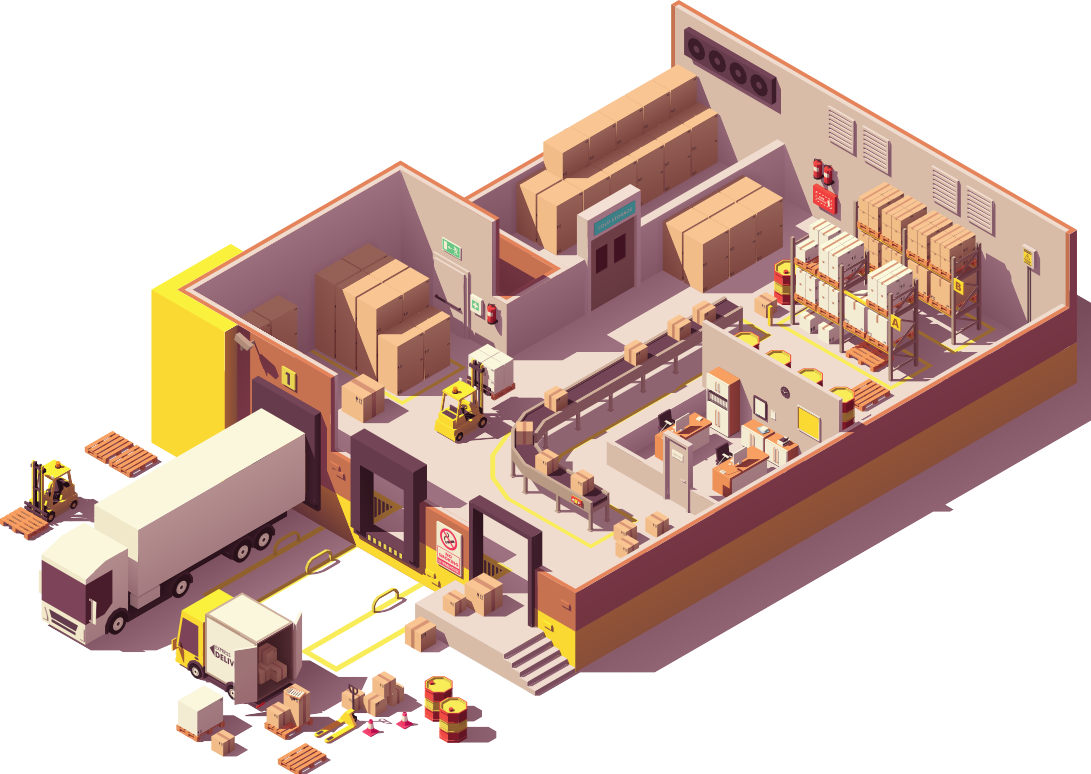
When containerized cargo reaches a warehouse, cross-docking is the unloading of the shipment from one truck to another. When the lumper unloads the freight, it is not stored away or re-palletized and stays briefly before being loaded onto another truck. Speed is a critical factor since customers expect their goods on time. An example of a cross-docking user is a smaller-sized company that wants to have leverage on a larger company. Another significant usage of cross-docking services is to move perishable goods like meat and fruits in a quick manner.
There are many benefits to cross-docking, and one of the most important is saving time. Since the goods are already palletized, they may be immediately transferred to a truck and moved to the next destination. This removes the requirement of storage space which also helps the shipper save time and money. Transport costs are saved by having an FTL shipment arrive at a facility and broken down into smaller LTL shipments. Reduced handling times help lower the chances of damage and theft.
Trans-loading
Trans-loading is moving freight from one mode of transportation to another. Unlike cross-docking, which is only truck to truck, trans-loading is transporting cargo between trucks, rail, ships, or planes. An example can be when a containership arrives at a port and is moved to a warehouse by truck. The warehouse is the trans-loader that may sort, pack, and palletize the freight before being reloaded and moved again. Trans-loading differs from intermodal transport since the cargo does not stay in the same container the entire journey.
Trans-loading uses more modes of transport than cross-docking, and freight may be re-palletized and stored, unlike cross-docking. It also has several benefits in a supply chain. A shipper saves transport costs since multiple smaller shipments are consolidated into one trailer and have a single journey. Warehouses that offer trans-loading services also usually have storage space for cargo. If the shipper plans to sell the goods, they may store them away until they find a customer. The overall supply chain is also streamlined since the trans-loading facility breaks down and delivers the goods on-site.
Having the trans-loading activities for multiple shipments done on-site is quicker than going to a separate distribution facility. Along with cross-docking and trans-loading, A1 Worldwide Logistics offers various other solutions for your warehousing needs.
Contact us at 305-821-8995 or write to info@a1wwl.com for a free quote and to enhance your supply chain.
In Shipping, many aspects come into getting the supplier’s goods to their customers. One essential part of the supply chain is warehousing. When transporting goods internationally, the shipper may place the cargo in a warehouse before or after shipping it. Also, shipments that arrive in the destination country are liable to taxes and charges before your customer can receive them, so they may be kept in a warehouse before being released.
The Purpose of Warehousing in Freight Forwarding
Warehouses provide numerous services for your goods during the shipping process. Storage is a primary function that allows your goods to be kept in a secure facility for a period. The shipper may store the cargo until they are ready to sell or deliver it to a customer. Meanwhile, protecting those goods from damage or hazard is also a priority in warehousing.
How has warehousing changed over the years?
Automation – The technological advancements over the last few decades have led to improved product protection and faster communication within the supply chain. Present-day tractors and forklifts provide easier access to storage while simultaneously increasing workers’ safety.
Location – An increase in warehouses worldwide has improved the supply chain process. As this continues, more customers can participate in the supply chain process compared to the past. Plus, E-commerce has welcomed the creation of even more warehouses to keep up with the demand.
Dimensions – Compared to the past, the overall size of warehouses has increased to hold a broader storage capacity. This helped add variety to the types of products available, since warehouses could now store a broader range of items than before.
Distribution – The advancements in automation and the expansion of locations helped shorten the time it took for products to reach customers. It used to take days or even weeks after the buyer placed an order for them to receive it. Now, same-day deliveries are possible.
Accessibility – Traditionally, large businesses with substantial budgets were the only users of warehouses. However, many smaller businesses and individuals began utilizing warehouses to store their goods more recently. This is due to a combination of the advancements in warehousing and people wanting to manage their own operations.
One of the main components of a shipper’s supply chain is warehousing. When goods have to be imported or exported, warehousing is the step that usually comes before or after. The importance is traced back from the 17th-century trade routes of European settlers to the ancient Roman Empire. Fast forward to today, and countless people still use warehousing due to its benefits. Businesses from a wide range of industries, as well as individual shippers, use warehouses to store their goods. The reason is that it adds value to their supply chain.
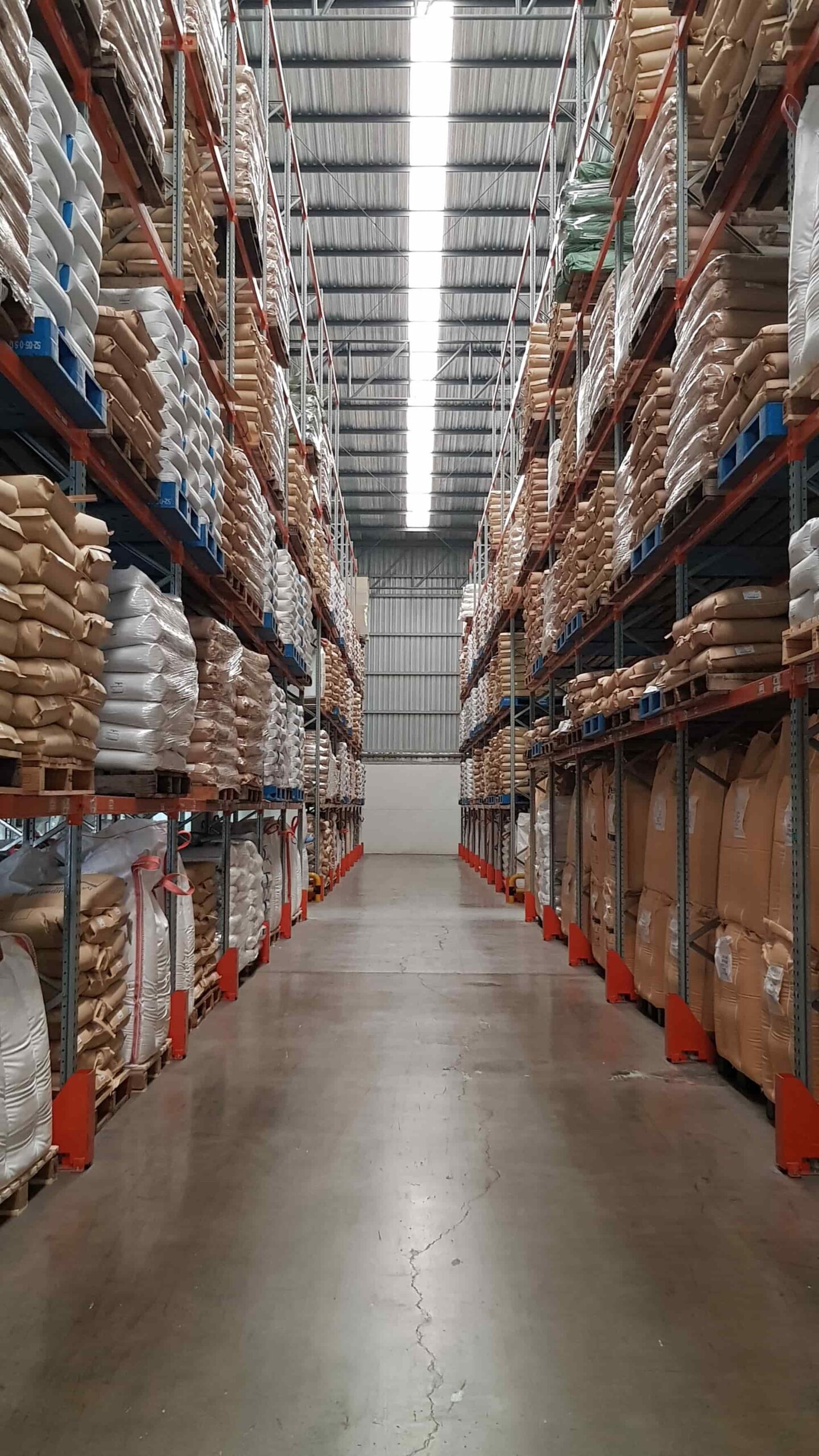
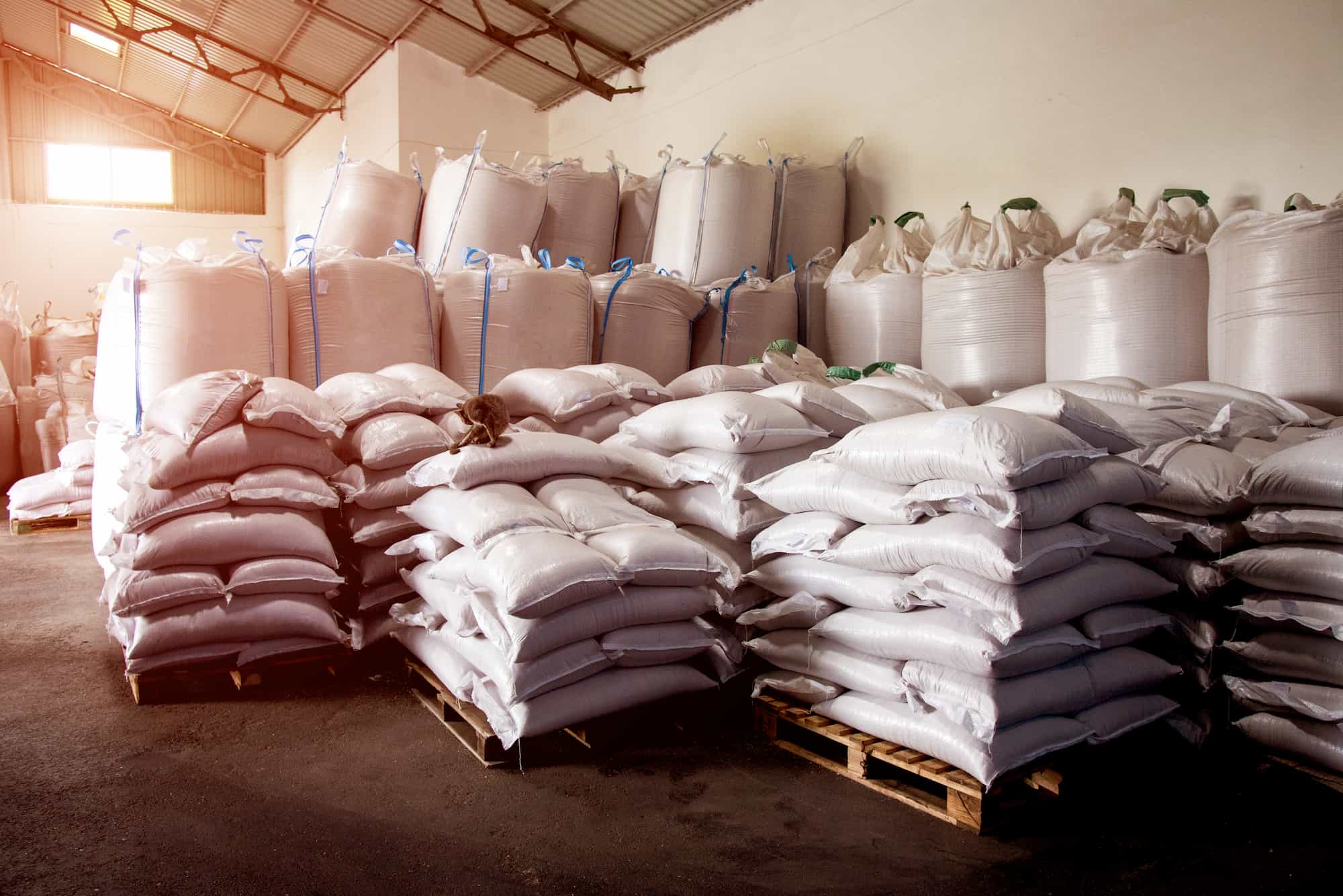
The primary usage of a warehouse is for the storage and distribution of goods. Without warehousing, shippers may not have the space to store cargo for an extended period and deliver it to customers. Likewise, warehousing is ideal for storing goods for later use or until demand for that product is high. Using a warehousing facility may also cut transportation and supply chain costs. A1 Worldwide Logistics offers a range of cost-effective warehousing services to streamline your supply chain.
A few examples of the solutions that we offer include:
Public warehousing services cater to your specific cargo needs.
Storage of merchandise, including industrial products, dry goods, oversized cargo, and more.
Loading and unloading containers for storage.
Distributing the freight to its final destination.
Sorting and segregating items in pallets by color, flavor, size, and other traits.
Cross-docking and trans-loading shipments from one location to another using various modes of transportation.
Picking, packing, and crating cargo.
Cargo manipulation.
The process begins by calling A1 Worldwide Logistics at 305-821-8995. We will give you a quote for warehouse storage. Next, we will coordinate the pick-up and transportation of your goods to our warehouse facility. Once the goods arrive, they will be unloaded and stored securely for the allocated period. While being held, the cargo may undergo any of the above services at your request. Once you are ready, we will also arrange the movement of your goods to the next or final destination.




 1035 NE 125th St Suite #320, North Miami, FL 33161.
 a1worldwidelogistics.com
 (305) 821-8995
 Hours: 8AM - 5PM