Trump Announced New Tariffs
Share Article in Social Media
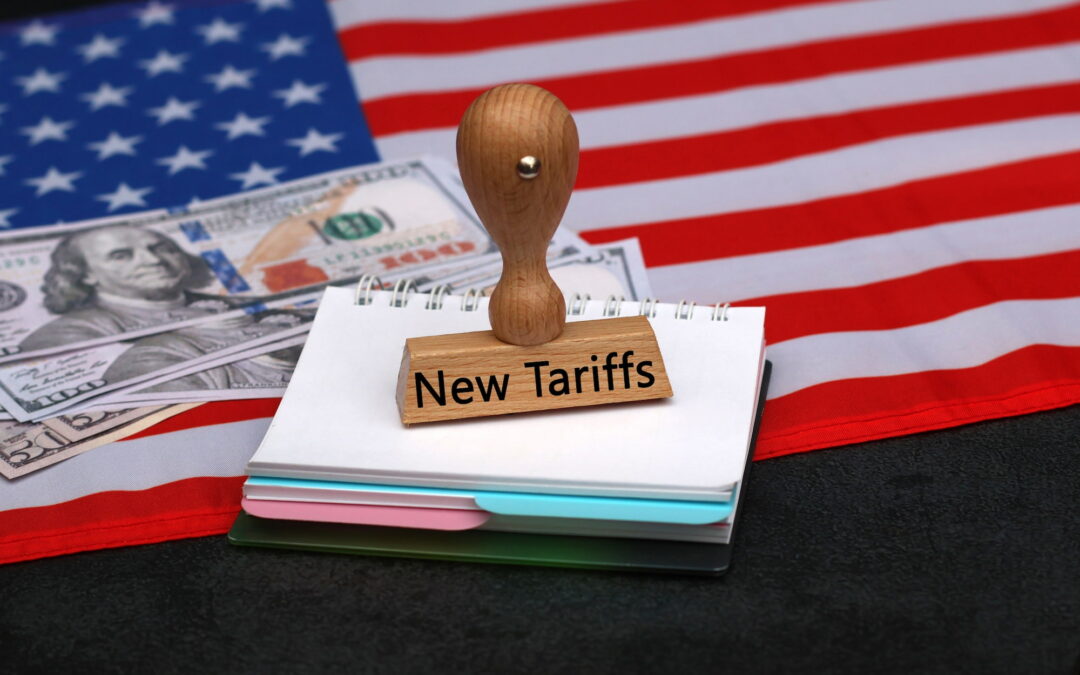
On Monday, July 7, President Trump announced new tariffs for imports into the US after signing an executive order. In identical letters sent to various countries, Trump revealed that reciprocal tariffs would have varying amounts from the original numbers. The executive order will also extend the 90-day extension deadline from July 9 to August 1. Some countries, like Japan and Malaysia, will see an increase in rates from 24% to 25%. Other countries will see a decrease, like Laos, from 48% to 40%, and others, like Thailand, will remain the same. This article will explain the goal behind the tariff changes and what it could mean for US imports.
Why Trump Announced New Tariffs For Imports
President Trump’s goal in extending the tariff deadline is to give trading partners time to negotiate deals. The new rates are to maintain negotiating leverage by pressuring importing countries to finalize talks. Multiple reasons have been given for issuing the reciprocal tariffs, including addressing unfair trade practices. Trump wants to “level the field” by reducing the trade deficit with the US’s most significant trading partners. Another goal of the taxes is to bring manufacturing back to the US and strengthen the economy. Economists believe this may have the opposite effect and hurt the economy by creating inflation. The tariffs also penalize countries with critical supply chains in China.
Most countries affected by the tariffs have responded by strongly opposing them. While some countries are preparing to make new deals with the US, others are preparing for retaliation. South Korea’s finance ministry said the government would immediately act if fluctuations become excessive. Trump also stated that the US would match any reciprocal tariffs with hikes in addition to the rate. In the letters, Trump noted, “These Tariffs may be modified, upward or downward, depending on our relationship with your country.” The 10% baseline tax for importation is still in place despite the extension of the reciprocal tariffs.
What Can This Mean For Shipping?
The new tariffs will significantly impact international shipping due to the amount of goods that countries import into the US. Immediately, costs could rise for different parts of a supply chain and even fall on the customer. Other countries may also impose their retaliatory levies, which could also raise the cost of exporting. Shippers might begin rerouting production to other countries that are not affected by the tariffs or bring it back domestically to compensate. If manufacturing returns to the US, a higher volume of cargo needing to be transported could benefit domestic shipping.
Importing goods during higher tariffs can be stressful for the shipper, but it should not stop cargo movement. You should, however, know the costs and what it can mean for your shipment. A way to understand what to expect and how to prepare is to use a customs broker. Brokers are the middleman between the importer and the CBP (Customs and Border Protection) and assist with customs clearance. They do this by offering various solutions like paperwork, filing entries, and calculating duties. Brokers also ensure that your cargo follows regulatory compliance and does not get stuck at customs. Contact A1 Worldwide Logistics at 305-425-9513 or info@a1wwl.com to speak to a customs broker about ensuring a successful importation.


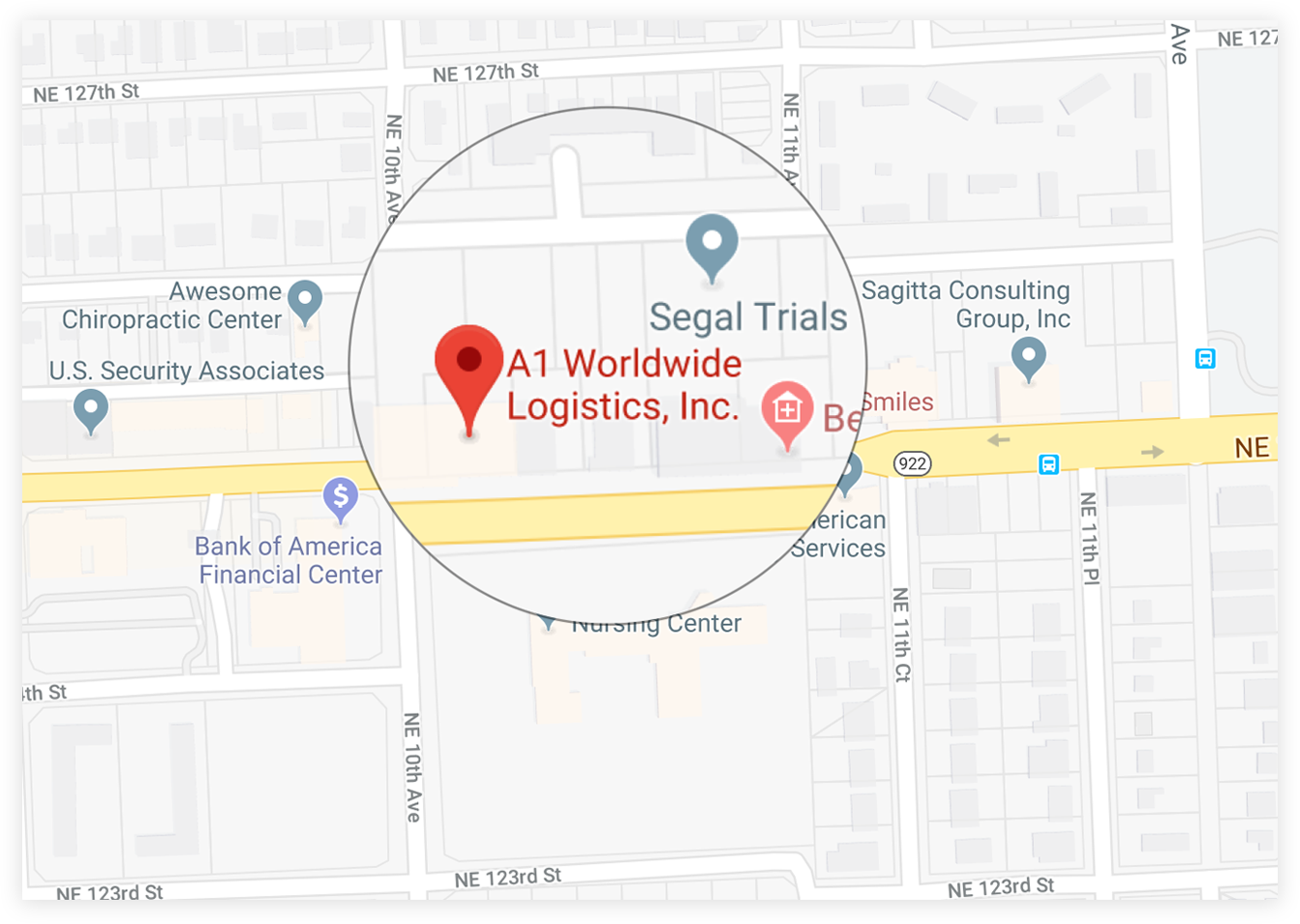
 1035 NE 125th St Suite #320, North Miami, FL 33161.
 a1worldwidelogistics.com
 (305) 821-8995
 Hours: 8AM - 5PM