Trump To Ease Auto Tariffs
Share Article in Social Media
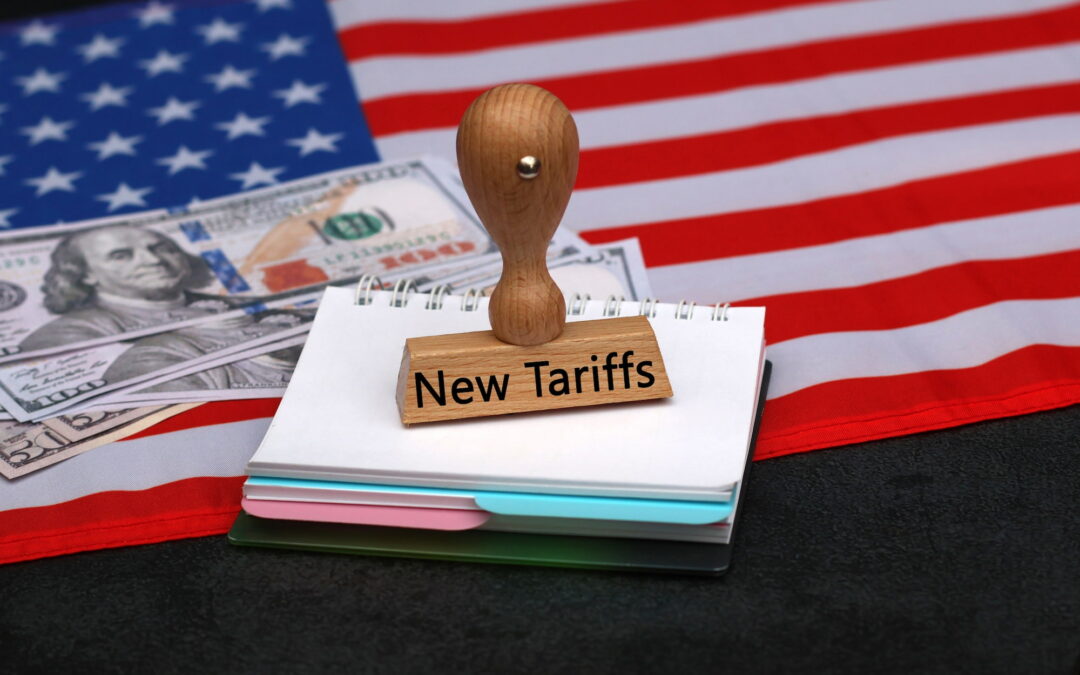
The White House released plans for Trump to ease auto tariffs on U.S. car imports. On April 3, President Trump imposed a 25% tariff on cars and light-duty trucks entering the U.S. The automobile tariff was separate from the 10% duty that the president enforced on all U.S. trading partners. Trump then paused tariffs on automobile imports from Mexico and Canada for one month. The pausing was to give automakers time to prepare before the duties took effect on May 3. President Trump is now announcing plans to provide tariff relief for carmakers. This article will explain the policy changes and how they could impact importers bringing foreign-made cars into the U.S.
How Is Trump Easing Auto Tariffs?
Beginning on May 3, a portion of the automobile and auto part tariff will see a reimbursement of the costs. The new policy states that automakers assembling their vehicles domestically can apply to offset up to 3.75% of tariff fees. Trump’s offset rate was calculated by applying the 25% import duty to 15% of the value of U.S.-assembled vehicles. These costs will be for auto imports that automakers use to assemble cars in the U.S. for one year. The offset rate will fall to 2.5% in the second year before the Trump administration phases it out completely. The Commerce Department will have 30 days to create a process for automakers to provide documentation to obtain the offset.
Trump’s new policy will not conflict with the 25% auto tariff the administration enacted earlier this month. It will also prevent tariffs from stacking on each other, including those on aluminum and steel imports. The goal behind easing the levies is to bring manufacturing back to the U.S. Trump said, “We just wanted to help them during this little transition. If they can’t get parts, we didn’t want to penalize them.” He believes bringing production to the U.S. will stimulate the economy by creating jobs. Analysts predict the opposite effect will happen, and manufacturing costs will rise, hurting the economy.
The Response Of Automakers And Shippers To The Tariffs
Despite the new policy easing auto tariffs for importers, there have been concerns about the long-term impact of the tariffs. Automakers believe bringing business back to the U.S. will be timely and costly. The higher costs could fall on customers purchasing vehicles. Job cuts have already started for automaker companies, bringing production back to the U.S. Companies in the automaking industry have been pushing for leniency from Trump’s tariffs for months. Trump’s policy changes are a response to the concerns of automakers and shippers. While tariffs could negatively impact international shipping, many believe that production may potentially positively affect the movement of goods domestically.
When importing into the U.S., it is essential that you are aware of anything that can affect your shipment. Failure to prepare can result in delays, monetary loss, and cargo loss. One of the best ways to ensure successful importation is by speaking to a customs broker. Customs Brokers are individuals or corporations that facilitate cargo movement through international borders. They do this by ensuring that the shipment complies with the laws and regulations of the country of import. Brokers also provide other services like documentation, calculating duties, filing ISFs, etc. Contact A1 Worldwide Logistics at 305-425-9513 or info@a1wwl.com to speak to a broker regarding the importation of your goods.



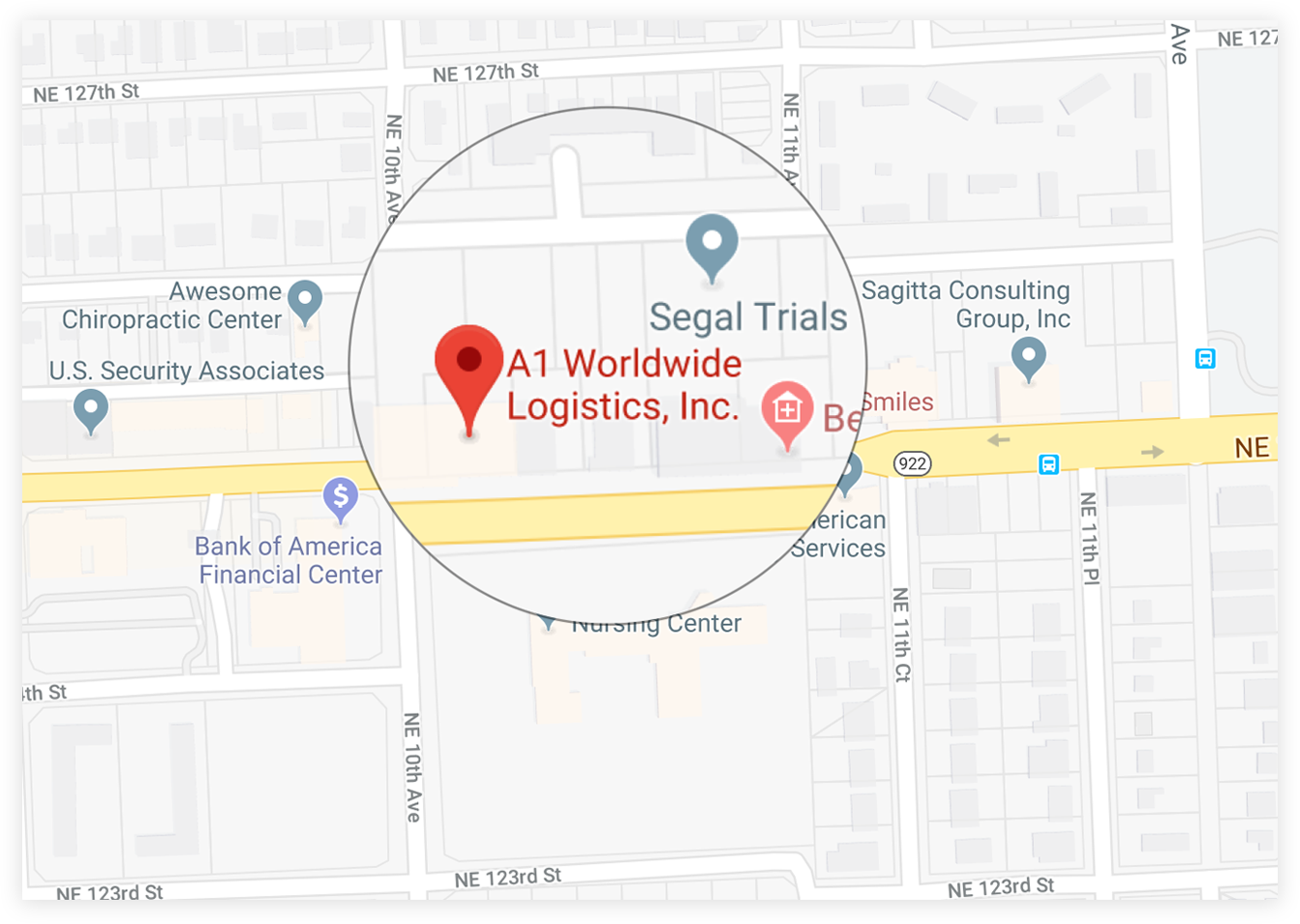
 1035 NE 125th St Suite #320, North Miami, FL 33161.
 a1worldwidelogistics.com
 (305) 821-8995
 Hours: 8AM - 5PM