U.S. Imposing Fees On Chinese Ships
Share Article in Social Media
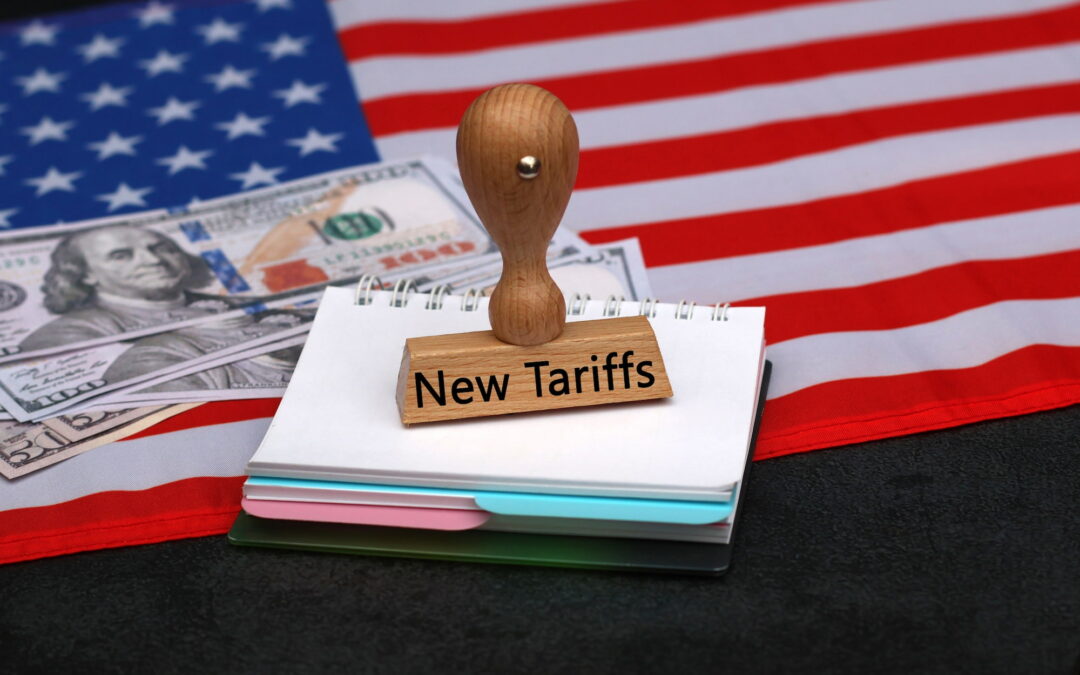
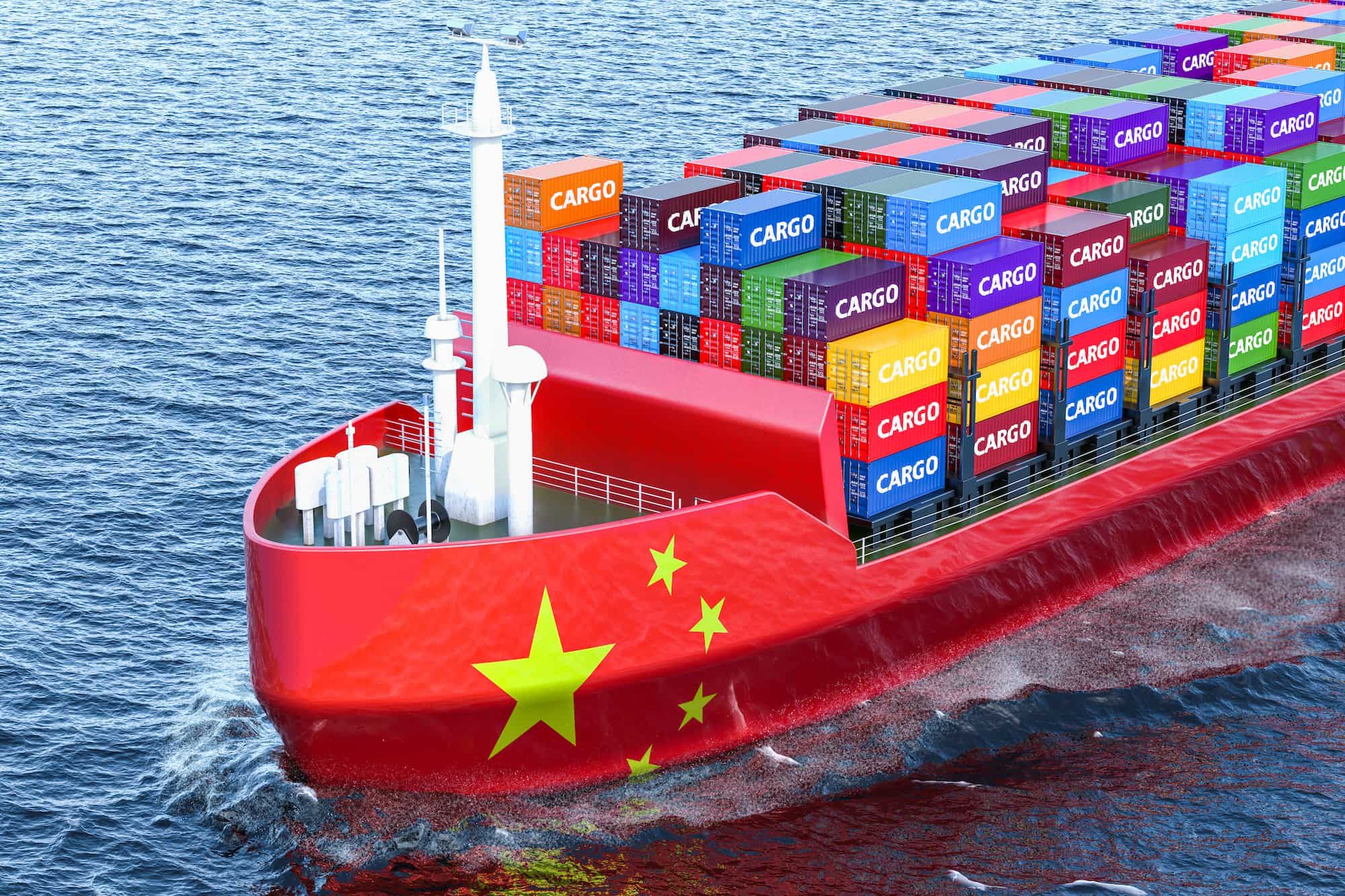
An ongoing trade war remains, with the U.S. imposing fees on Chinese ships docked at U.S. ports. On April 17, the Trump administration announced a long-term multi-phase plan to increase charges on China-built vessels. The USTR (United States Trade Representative) gave a guideline that will start in 180 days from April 17. Afterward, the charge will be $50 per net ton per U.S. voyage. The charge will increase incrementally to five times yearly and be $140 by April 17, 2028. More specifically, Chinese-built carriers will see:
- A fee of $50% per net ton on October 14, 2025.
- A fee of $80% per net ton on April 17, 2026.
- A fee of $110% per net ton on April 17, 2027.
- A fee of $140% per net ton on April 17, 2028.
Why Is the U.S. Imposing Fees on Chinese Ships?
The proposed fees aim to address China’s dominance in global shipbuilding and boost the U.S. maritime industry. While China builds approximately 1,700 commercial ships yearly, the U.S. only builds around five. USTR Ambassador Jamieson Greer noted, “The Trump administration’s actions will begin to reverse Chinese dominance, address threats to the U.S. supply chain, and send a demand signal for U.S.-built ships.” The increase in U.S. vessel building is part of a bigger goal to bring manufacturing back domestically. Similarly, Trump recently released various tariffs to bring production to the U.S. and boost the economy. Similar to the tariffs, the Chinese ship fees have had a backlash from major players in the international shipping industry.
U.S. shippers and importers expressed concerns that the Chinese ship fees would have devastating consequences. Vice president of the AAFA (American Apparel and Footwear Association), Nate Herman, stated, “These measures are driving up shipping costs, shrinking GDP, and reducing U.S. exports.” Initially, the proposal was up to $1.5 million per port call for China-built vessels; however, industry backlash resulted in adjustments. The USTR will phase in these changes over time and consider concerns from shippers and port operators. Specific China-built ships, including ones carrying U.S. government cargo, will be exempted from the fees.
What Can This Mean For International Shipping?
The fees will significantly impact international shipping due to the goods imported into the U.S. from China-built carriers. In 2024, the U.S. imported approximately 13.4% of all imports from China, totaling $438.9 billion. As previously mentioned, shippers could soon see the U.S. import cost rise from the vessel fees. The cost of importing goods into the U.S. has risen due to the tariffs enforced by the Trump administration. Shippers may begin rerouting their supply chains and importing from less costly countries like Japan and Taiwan. Players in the domestic shipping industry believe these fees could disrupt freight markets and lead to operational challenges for trucking.
When shipping cargo internationally, different scenarios can arise that can affect your shipment’s success. Situations like cost increases and tariffs may impact several parts of a supply chain and cause other problems. An ideal way for a shipper to protect their cargo is by speaking to a 3PL (third-party logistics) provider. 3PLs are service providers that offer various services like freight forwarding, customs clearance, domestic shipping, warehousing, and more. They also stay with you throughout the transportation journey until the goods reach their destination. Reach A1 Worldwide Logistics at info@a1wwl.com or 305-425-9513 to learn about our numerous 3PL solutions for your supply chain.


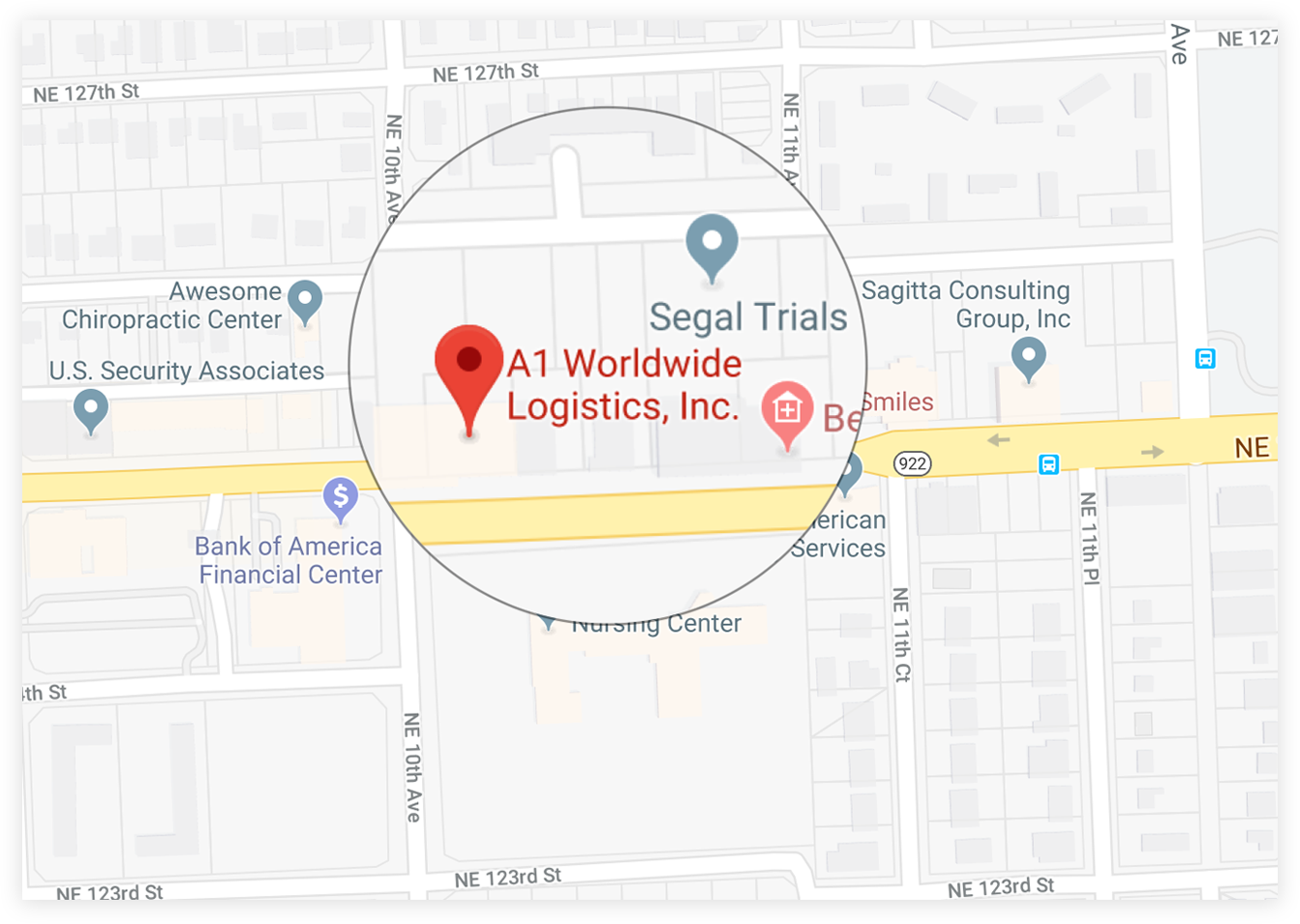
 1035 NE 125th St Suite #320, North Miami, FL 33161.
 a1worldwidelogistics.com
 (305) 821-8995
 Hours: 8AM - 5PM