US Reducing South Korea’s Tariffs
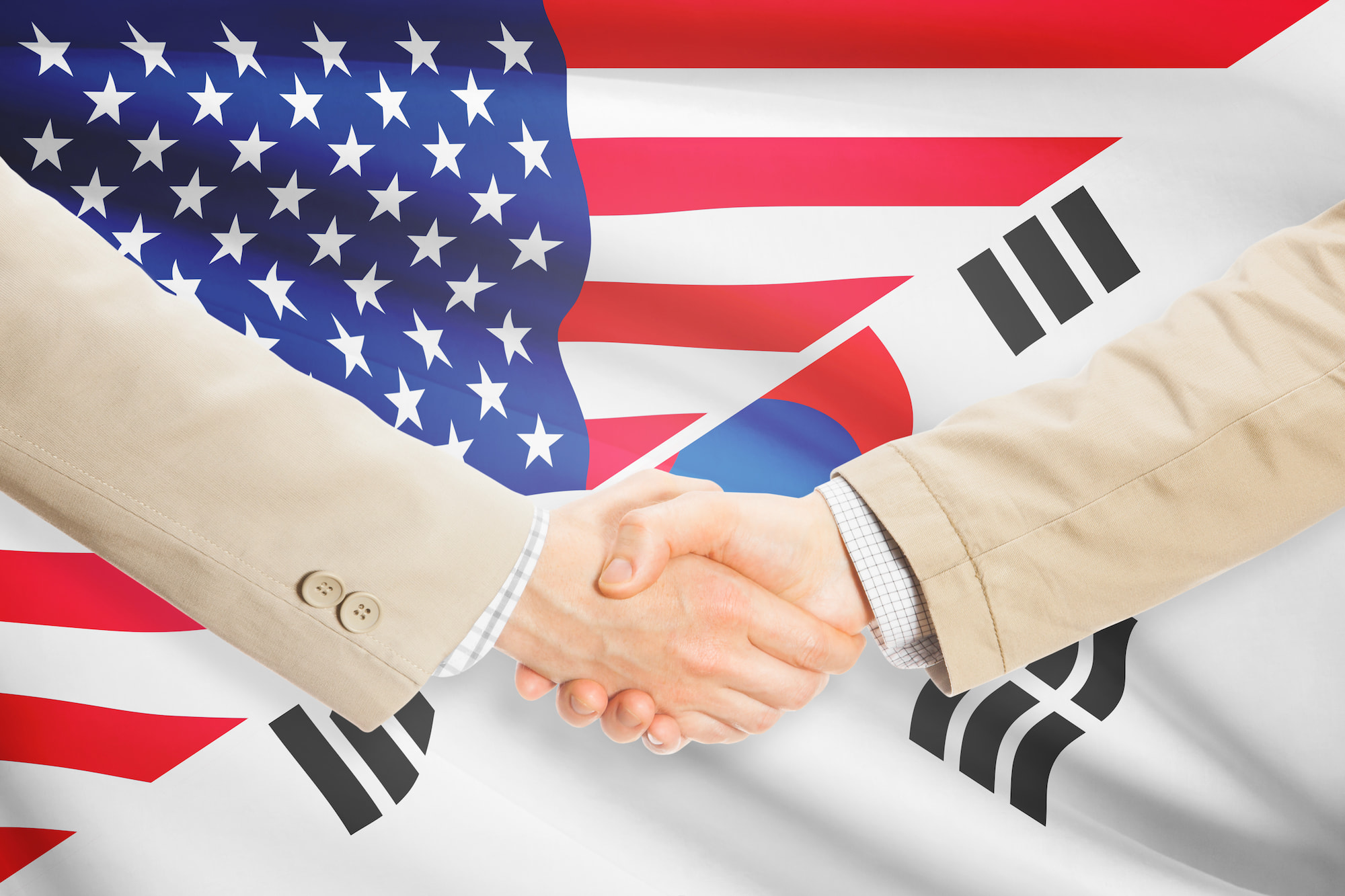
A bilateral trade deal is resulting in the US reducing South Korea’s tariffs on imports. On December 1, Commerce Secretary Howard Lutnick announced that the US will reduce levies to 15% retroactively to November 1. Previously, the US imposed tariffs of up to 25% on South Korean automobiles and other goods. The 25% came from duties the US used under Section 232 of the Trade Expansion Act. Reciprocal tariffs that President Trump imposed under the IEEPA (International Emergency Economic Powers Act) also added to the 25%. In addition to reducing duties to 25%, tariffs on airplane parts from South Korea will be eliminated. The deal will also cap future tariffs on sectors such as semiconductors and Pharmaceuticals at 15%.
Why Is The US Reducing South Korea’s Tariffs?
The main reason for the tariff reduction is a trade deal between the two countries. Along with the US reducing levies, South Korea will invest approximately $350 billion into strategic US industries. Some of these industries include shipbuilding, energy, and others. Once South Korea’s parliament passed legislation, the US implemented its side of the deal, lowering tariffs. Regarding the deal, Howard Lutnick noted, “Korea’s commitment to American investment strengthens our economic partnership and domestic jobs and industry.” Other goals behind the agreement are to “level the field” between the US’s biggest trade partners and strengthen its economy. The US has recently struck deals with major importing countries, such as China and Japan.
A trade deal with South Korea could strengthen the US economy by boosting Korean investments in US industries. In turn, this could create jobs in industries that export goods to Korea, such as the semiconductor industry. One of Trump’s original goals behind issuing reciprocal tariffs was to bring manufacturing back to the US. The trade deal between the two countries includes the Buy America in Seoul initiative. Under the initiative, South Korea will have an annual exhibition of US companies to encourage the export of US goods. By the end of the year, Korea will also release a plan of action for promoting reciprocal trade.
What Can This Mean For Shippers?
Given the volume of imports from South Korea, reduced tariffs can significantly benefit shippers. The most significant impact is that the cost of importing various cargo into the US could decrease. In turn, the cost decrease could be passed on to other parts of the supply chain and ultimately to the customer. The automobile industry, in particular, may be advantaged, since South Korea is one of the US’s largest importers of cars. Domestic shipping could also benefit, as the cost of moving imports to the final destination may decrease. A final Supreme Court ruling overturning Trump’s IEEPA tariffs could further lower import costs.
With South Korea’s tariffs lowering, it may be beneficial to import goods, such as automobiles, into the US. Despite this, importers should be aware of what to expect when starting. Failure to properly prepare can lead to delays, financial losses, and cargo losses. Speaking to a 3PL (Third-Party Logistics) provider is essential when starting. 3PLs are companies that handle various logistical aspects of a supply chain. They do this by offering solutions such as customs clearance, international and domestic shipping, warehousing, and more. 3PLs also educate shippers on how to have a successful shipment. Reach A1 Worldwide Logistics at Info@a1wwl.com or 305-425-9456 to learn about our 3PL solutions for moving your cargo internationally.