The Chinese New Year isn’t just a celebration — it’s a major moment for global supply chains 🌏🚢 With factories and families celebrate, international shipping can slow dramatically.


The Chinese New Year isn’t just a celebration — it’s a major moment for global supply chains 🌏🚢 With factories and families celebrate, international shipping can slow dramatically.
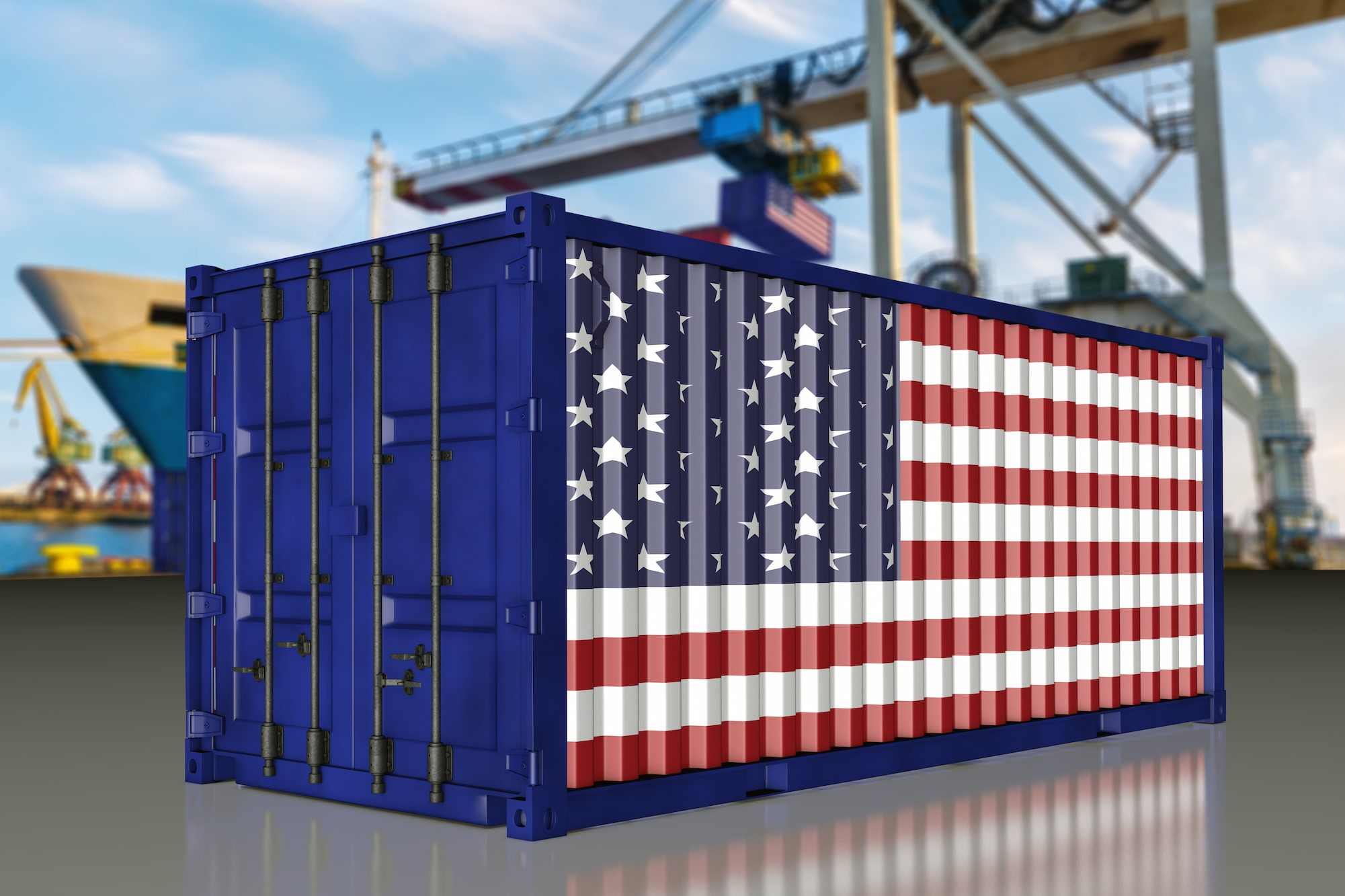
Exportar desde Estados Unidos ofrece acceso a mercados globales y grandes oportunidades de crecimiento. Sin embargo, el proceso también implica desafíos importantes que pueden afectar tanto a exportadores nuevos como experimentados. La falta de preparación puede generar retrasos, costos adicionales e incluso la pérdida de la carga.
The recent agreement by Canada and Mexico to a new North American trade deal (USMCA) with the United States offers an encouraging sign that such cooperation and mutual benefit is something the Trump administration sees as good for U.S. business and the logistics/supply chain industry in general
The new deal, which must be approved by Congress, offers both good news and bad news.
As supplychaindive.com notes,
In a nutshell, negotiators drafted a deal designed to “do no harm,” as the business community demanded for over a year. Despite a few give-and-takes, and heated rhetoric over the past year, the original trade foundations of the North American Free Trade Agreement (NAFTA) remain mostly intact.
The net result of this new agreement is that for the moment is the slight cooling of the trade war that has been rapidly escalating over the best few months.
Some of the biggest winners of USMCA are Mexico and Canada who were able to extract a partial exemption from the steel and aluminum tariffs that the Trump administration put into effect this year.
USMCA also preserves NAFTA’S Chapter 19, which is an independent panel set up to resolve individual trade disputes. While the committee has changed a bit in the number of members – there are five members now – its mission and guidelines stay mostly intact.
The US, Canada, and Mexico also agreed to important new provisions on e-commerce, which didn’t exist when NAFTA took effect in 1994, and on countries sovereign intellectual property rights.
In summary, the adoption of USMCA can be seen; on its face, like a half-step improvement over NAFTA, It will have no measurable effect on economic growth, job growth or wage growth in the United States. It will have no foreseeable impact on the U.S. trade deficit with Mexico.
Regardless of the positives or negatives, it’s going to be a long wait to see the results of USMCA, Trump says he will sign the agreement in November, but most of the USMCA provisions go into effect in 2020 since the legislatures in Mexico and Canada, and the U.S. Congress must vote for the $1.2 trillion deal.
Have questions about how USMCA will affect logistics, the supply chain or customs? Send us an (305) 821-8995 or send us an email at info@a1wwl.com. A1 worldwide logistics is ready to help your business navigate the ever-changing world of international trade and customs.
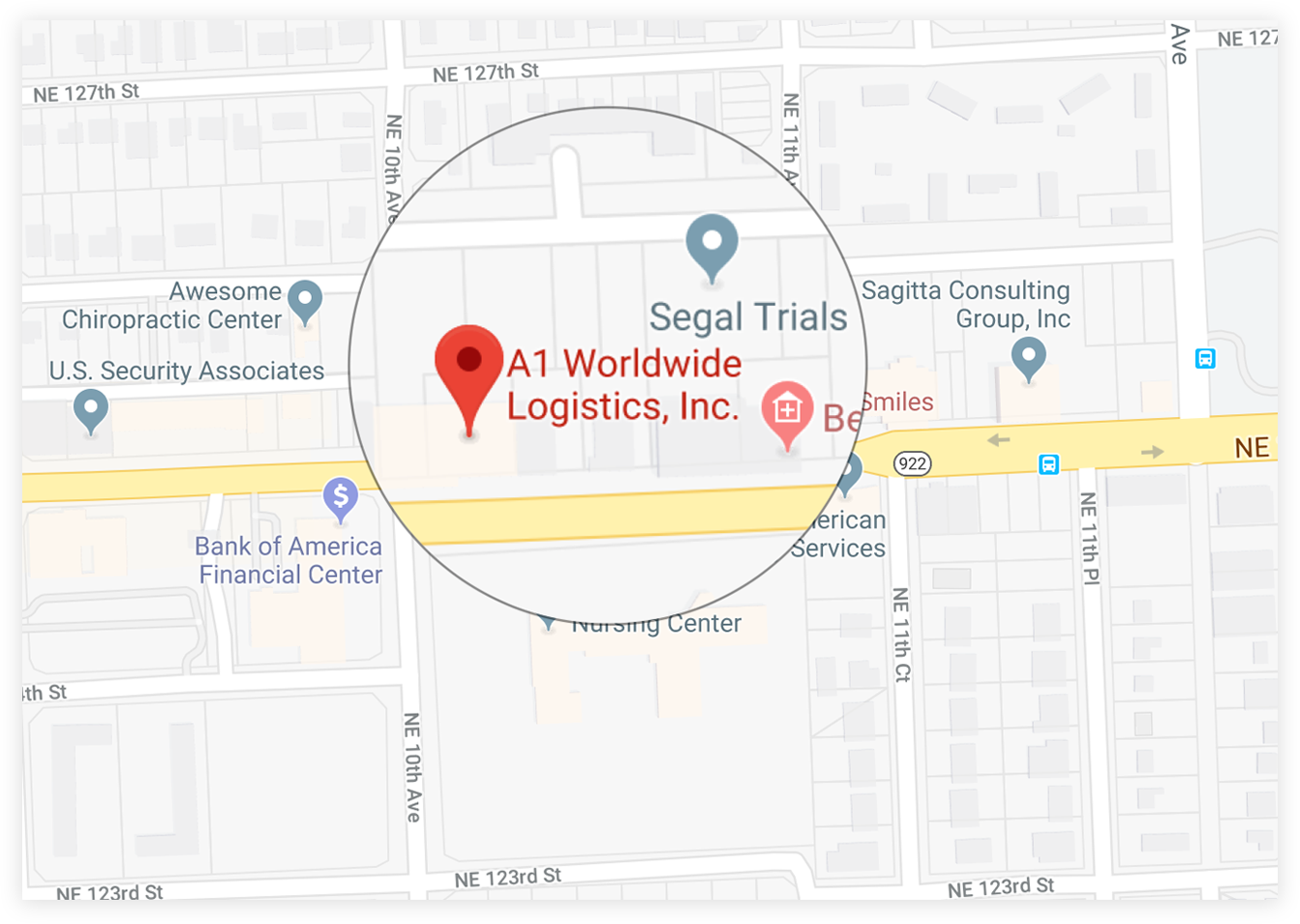
 1035 NE 125th St Suite #320, North Miami, FL 33161.
 a1worldwidelogistics.com
 (305) 821-8995
 Hours: 8AM - 5PM