How to Ship Goods Internationally: A Guide for Businesses

How to Ship Goods Internationally: A Guide for Businesses

Shipping goods internationally can mean very different things depending on what you are moving. Sending a box overseas with a parcel carrier is one process. Moving pallets, machinery, a full container, or commercial inventory between countries involves freight...

How to Choose a Freight Forwarder

How to Choose a Freight Forwarder

Choosing a freight forwarder should involve more than comparing freight rates. The company you choose may be responsible for coordinating carrier bookings, shipping documents, international transportation, customs clearance, and final delivery. When everything goes...

New Regulations Reshaping Logistics

New Regulations Reshaping Logistics

International and domestic shipping could soon see new regulations reshaping logistics industry compliance. In the last few months, two regulatory decisions have impacted five major sectors of the logistics industry. These include freight brokers, freight forwarders,...

The US And Iran Reach A Deal

The US And Iran Reach A Deal

The US and Iran reach a deal to open the Strait of Hormuz following months of tension between the nations. On June 14, President Trump announced that the countries reached an agreement to end the war that closed the strait. Although Trump has not yet released the full...

Flower Shipping During this Valentine’s Season

Share This Article


Celebrated February 14th, Valentine’s Day is known as a celebration of love and romance. Goods such as chocolates, candy, and perfumes are imported into and out of the U.S. from different countries. Another typical shipment moved globally for Valentine’s Day celebrations is flowers. Over 1.1 billion flowers are imported into the U.S. and inspected annually by customs. Out of all the imports, most are roses produced and transported from farms in Colombia. Several trade agreements have resulted in more than 62% of the total rose imports into the U.S. coming from Colombia.Bouquet of red roses ready to be given

Miami International Airport receives an estimated 91% of all the flower imports that come into the U.S. 23% of these imports happen between January and February in preparation for Valentine’s Day. While the importance of shipping flowers internationally is known, the process of moving the goods to their final destination is not. This article will give a background of how flowers are imported into the U.S. and explain how to begin. For more information, talk to one of our customs brokers at 305-425-9752 to understand the shipping process.

The Logistics Behind Importing Flowers into the U.S.

Since most rose imports into the U.S. come from Colombia, shipping from this country will be an example. The supply chain begins at the farms in Colombia, where producers grow the flowers and prepare them for shipping. When a wholesale company or independent shipper places an order, the flowers are packed into a refrigerated plane and transported. The method of conveyance is generally an airplane because the flowers have to be transported from Colombia to the U.S. in a speedy manner. Nevertheless, in some cases, boats are also used to transport flowers. Once they reach the U.S., Customs and Border Protection inspect the flowers for insects or diseases.

Customs’ purpose is to ensure that anything imported or exported from a country complies with the laws and regulations. Since there are an extensive amount of guidelines that require compliance, many importers hire a customs broker. A broker acts as an intermediary between the shipper and customs for the release of a shipment. They do this by providing the correct documents, filing customs entries, and paying the duties of the importer.

When customs clears the flowers, a refrigerated truck transports them to their final destination. A shipper who wants to begin importing flowers into the U.S. should start by understanding the necessary documents for importation. Customs brokers also help educate shippers to understand that and to provide the paperwork. The importer should also talk to a freight forwarder to find a carrier to move the shipment. Forwarders find the best transportation prices for conveyances such as boats, planes, rail, and trucks.

Give flowers!

Valentine’s day is a time of showing that special someone admiration and appreciation. A conventional way is by giving presents like flowers and other gifts such as jewelry or chocolates. If you plan on shipping cargo for this coming Valentine’s Day, contact A1 Worldwide Logistics at 305-821-8995 to get started. Our company has freight forwarders and customs brokers prepared to handle your cargo. We will ensure your and your customers’ satisfaction with the secure movement of your shipment.


Two workers at a rose greenhouse harvesting light-pink roses

A1 Worldwide Logistics, Inc.

📍1035 NE 125th St #320, North Miami, FL 33161, USA

🌍 a1worldwidelogistics.com

📞 305-821-8995

🕒 Hours: 8AM – 5PM

Send your request

This is a guide on how to ship goods internationally.

How to Ship Goods Internationally: A Guide for Businesses

Commercial international shipping can involve freight transportation, carrier bookings, complex documentation, customs requirements, and much more. 🚢✈️ Understanding these steps can help you avoid delays, unexpected costs, and compliance issues.

There are many qualities to look for when choosing a freight forwarder, this will be a guide for making a decision.

How to Choose a Freight Forwarder

Choosing a freight forwarder should involve more than simply comparing rates. The right company can help coordinate bookings, manage documents, arrange international transport, assist with clearance, and move your cargo toward its final destination.

How to Choose the right Customs Broker

How to Choose the Right Customs Broker

Choosing the right customs broker can make a major difference when importing goods into the U.S. From classifying and calculating duties to managing documentation and communicating with CBP, a knowledgeable broker can prevent costly surprises.

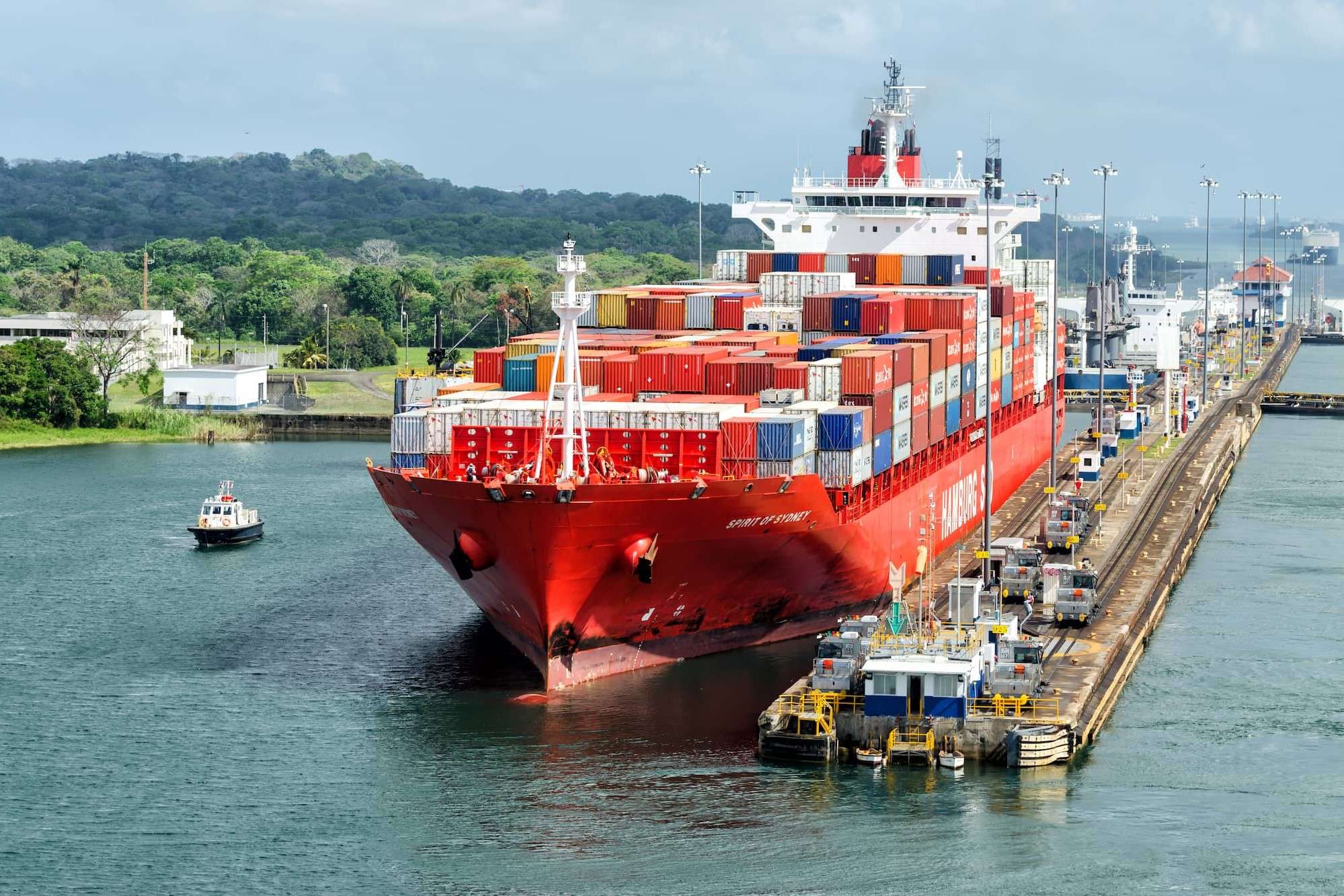
What can shippers expect as as the fees to cross the Panama Canal continue to rise.

Panama Canal Fees Continue To Rise

Panama Canal costs are rising—and shippers may soon feel the impact. Higher transit fees, carrier surcharges climbing from $100 to nearly $150, and auction prices exceeding $2 million for a single crossing are putting pressure on shipping costs.

President Trump is continuing to impose tariffs on various nations.

Trump Continuing To Impose Tariffs

Global trade is facing another wave of tariff changes. The Trump Administration has announced new 25% tariffs on numerous imports from Brazil and 50% tariffs on certain Canadian imports.