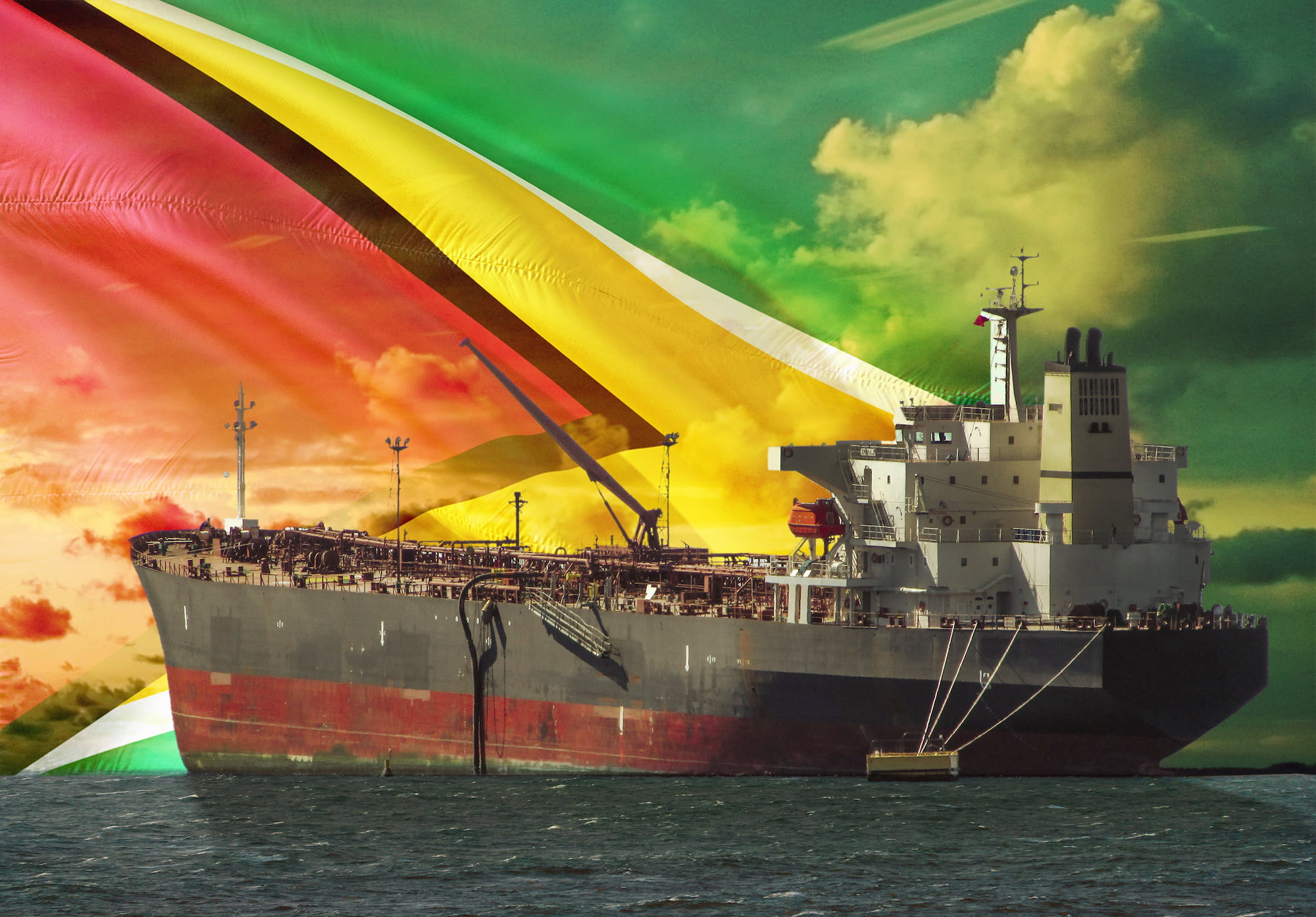
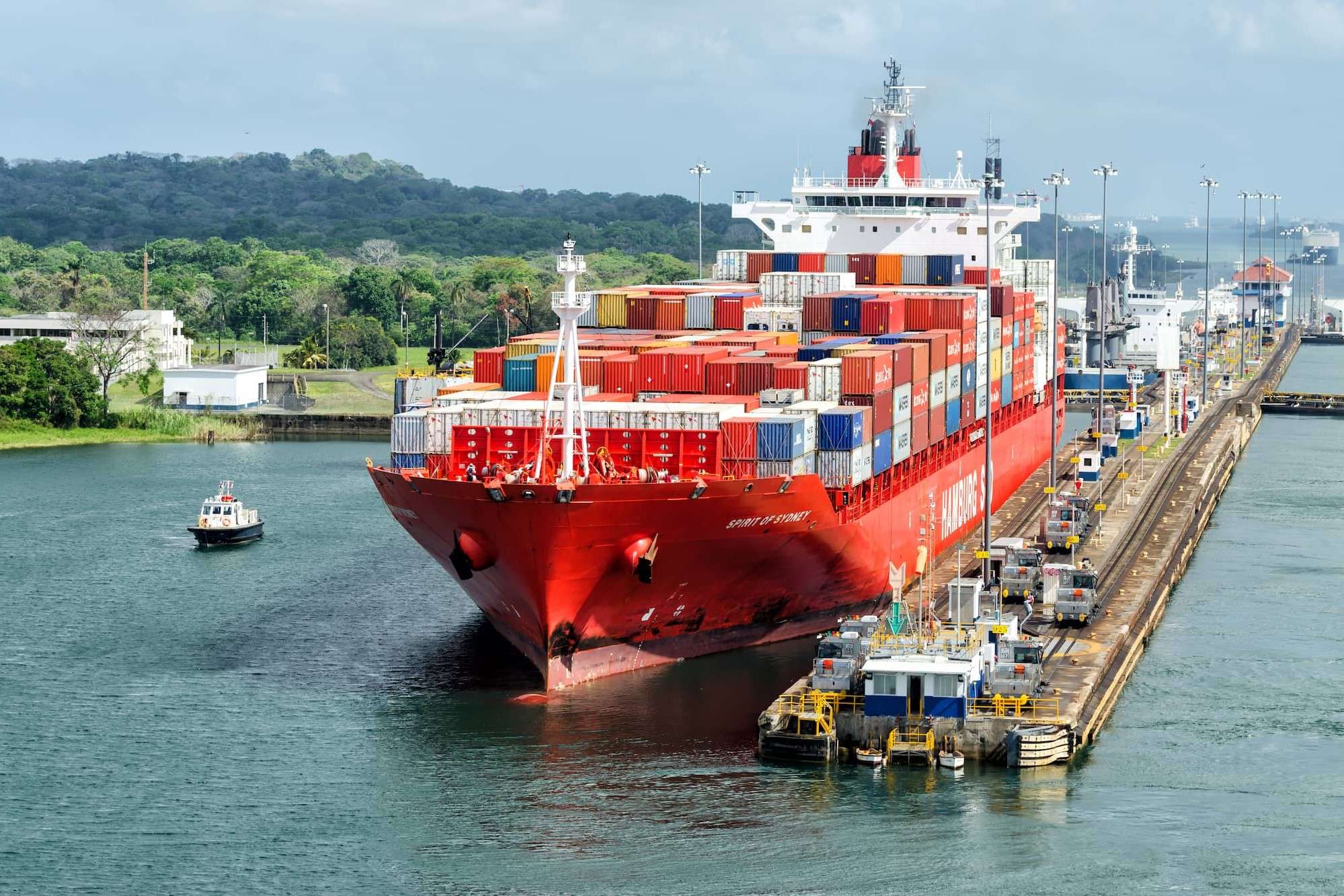
A current conflict between Venezuela and Guyana may result in tankers facing a new war soon. In the past year, international shipping has gone through two conflicts simultaneously. The first was Russia’s invasion of Ukraine, and then the more recent Israel-Hamas conflict. Both events influenced oil trade globally and led to scenarios like a surge in oil prices and shipment rerouting. Now, disputes between Venezuela and Guyana regarding Guyana’s prominent oil region of Essequibo are growing. While exporters are currently not too concerned, a potential escalation in tensions can unfavorably impact global oil transport. In particular, crude tankers moving out of the Atlantic Basin may feel the most significant effect.
Why Could Venezuela Invade Guyana?
The conflict between the two countries results from a more than century-long claim dispute of Essequibo. Essequibo is a land territory that the Paris Arbitral Award gave ownership to Guyana in 1899. In 2015, the discovery of major oil deposits in that region resulted in an oil boom in Guyana. In 2019, Guyana’s economy rose nearly 60% in the first half of that year. When the U.S. company found oil in Essequibo, Venezuela’s interest in the region returned. Venezuela’s pursuit of Essequibo has also grown to the present moment with the justification that the 1899 contract was unjust. Nicolas Maduro, the country’s president, has recently threatened an invasion of Guyana and seizing of the region.
If Venezuela does invade Guyana, both countries could face the drawbacks. Since 2019, Guyana’s oil exports have grown to 400,000 barrows daily and could reach 1 million by 2027. An annexation can halt the growth and hurt Guyana’s economy, of which oil shipping makes up a significant part. For Venezuela, different countries could reimpose sanctions, leading to oil companies leaving Guyana and hurting oil production. It is crucial to note that the U.S. has a notable presence in Essequibo, meaning an invasion can be challenging. Guyana’s and Venezuela’s presidents will meet on the island of St. Vincent this week to discuss the issue further.
Will International Shipping Be Disrupted By Tankers Facing A New War?
An escalation in the current tensions between Guyana and Venezuela could impact international tanker shipping. Similar to the Israel-Hamas conflict, tanker rates can surge to significant levels. In the week that Hamas attacked Israel, tanker rates in 16 global trade routes rose an average greater than 50%. Another effect of Venezuela’s invasion of Guyana is a reduction of Atlantic Basin exports. The decrease will be slight and short because numerous countries are increasing oil production. Brazil has been growing its oil production recently, and the U.S. is still the fifth largest oil producer globally.
Other countries outside the Atlantic Basin are also increasing tanker shipping with refinery capacity being built near the Suez Canal. The impact of Venezuela invading Guyana may be small on international tanker movement since the demand from countries like Brazil and the U.S. is much greater. While the effects may be less dire to global oil shipping, a shipper must understand what to expect before starting. Being informed and prepared is essential to ensure the smoothness of a shipment. Contact A1 Worldwide Logistics at 305-821-8995 to begin shipping your goods internationally. We understand the importance of your shipment and will be with you through the entire process.