The Court of International Trade (CIT) has recently announced a class action for IEEPA refunds. On October 8, the CIT said the class action will allow refunds to importers who imported cargo under the now-illegal International Emergency Economic Powers Act (IEEPA)...
Elegir el agente de aduanas adecuado es una decisión importante para cualquier empresa o persona que importe mercancías a Estados Unidos. Su agente de aduanas puede ayudarle a preparar su declaración de aduanas, clasificar sus productos, calcular los aranceles,...
Choosing a customs broker is an important decision for any business or individual importing goods into the United States. Your broker can help prepare your customs entry, classify your goods, calculate duties, manage documentation, and communicate with U.S. Customs...
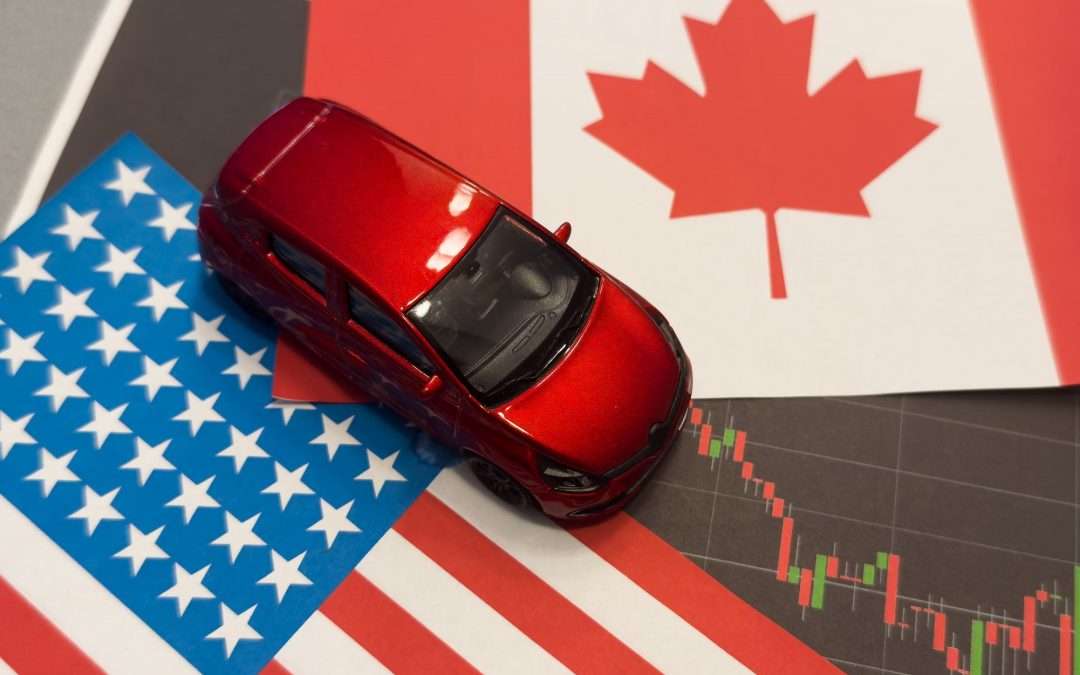
Although importing cars from Canada can benefit importers and businesses, it can be confusing for the average shipper. Canada’s proximity to the US makes cross-border vehicle transportation relatively accessible. In addition to offering easy access, Canada is an...
The Shipping Puzzle – Container Chassis
Share This Article
Why is the Chassis so Important?
We’ve all seen them, large transport trucks hauling great containers holding quantities of goods, machinery or textiles. Well as it turns out there is a bit of an issue with these transports. It isn’t that they are unsafe or faulty, or that there are not enough drivers able to do the job. It is something altogether a little more unusual; transport companies are running out of container chassis.
What is the Chassis?
A transport chassis is an exclusive trailer or undercarriage used to transport ocean containers over the road.
What is the Issue?
It is not the fault of the locations providing the chassis to the companies, as they keep records of which transportation company the chassis is with, but more so what occurs after their pick-up. It has been noted that they fall into a kind of “Black Hole” of sorts, not knowing when they will reappear at their end arrival. Not knowing when transport will return from its location is a serious issue as the terminal will be unable to keep a proper inventory.
A follow-up issue is not just the destination of the goods, but also the chassis itself. It appears that as opposed to returning the chassis to its start location drivers, at around 50 percent are dropping the chassis off at a different location. The apparent issue here is that this leads to a surplus of chassis at some locations and a demand for them at others.
In correlation to not only having an unsure supply of chassis, but warehouses are also bleeding funds into relocating them back to their original hubs. The Old Dominion research project determined that 80 percent of chassis relocation was unnecessary and in Southern California alone costs for a pool of pools around $20 million a year.
What Does the Future Hold?
As of yet there have not been any definitive solutions devised there are a few ideas in the works. The most obvious one is outfitting the chassis with GPS tracking devices, though the cost at this moment is still too high. Another idea is for motor carriers to purchase their chassis or taken the equipment out on long-term leases, this will lead to a reliance on the transport company but also keep the warehouse from having to spend extra money returning the chassis to the original storage building.
Descubra cómo elegir una empresa de transporte internacional de mercancías, comparar opciones aéreas y marítimas, preparar documentos y calcular costos logísticos.
DDP stands for Delivered Duty Paid. Under this shipping term, the seller arranges transportation to the agreed destination and handles export and import clearance, including the applicable import duties and taxes. The goods are delivered to the buyer ready for...
CIF and FOB are shipping terms that define the buyer’s and seller’s responsibilities. Under CIF, the seller arranges and pays for ocean freight and cargo insurance to the named destination port. Under FOB, the buyer arranges and pays for the main ocean journey, and...
Ocean freight, also called sea freight, is the transportation of goods by ship. Businesses use it to move commercial cargo between countries, from a few pallets in a shared container to full-container orders and oversized equipment. For a U.S. import, the shipment...
LCL shipping, short for less than container load, lets your business move ocean freight in a container shared with other shippers. You book space for your cargo instead of reserving a whole container. For a business importing a few pallets at a time, that can make...

 It is not the fault of the locations providing the chassis to the companies, as they keep records of which transportation company the chassis is with, but more so what occurs after their pick-up. It has been noted that they fall into a kind of “Black Hole” of sorts, not knowing when they will reappear at their end arrival. Not knowing when transport will return from its location is a serious issue as the terminal will be unable to keep a proper inventory.