Trump Threatening A 200% Tariff
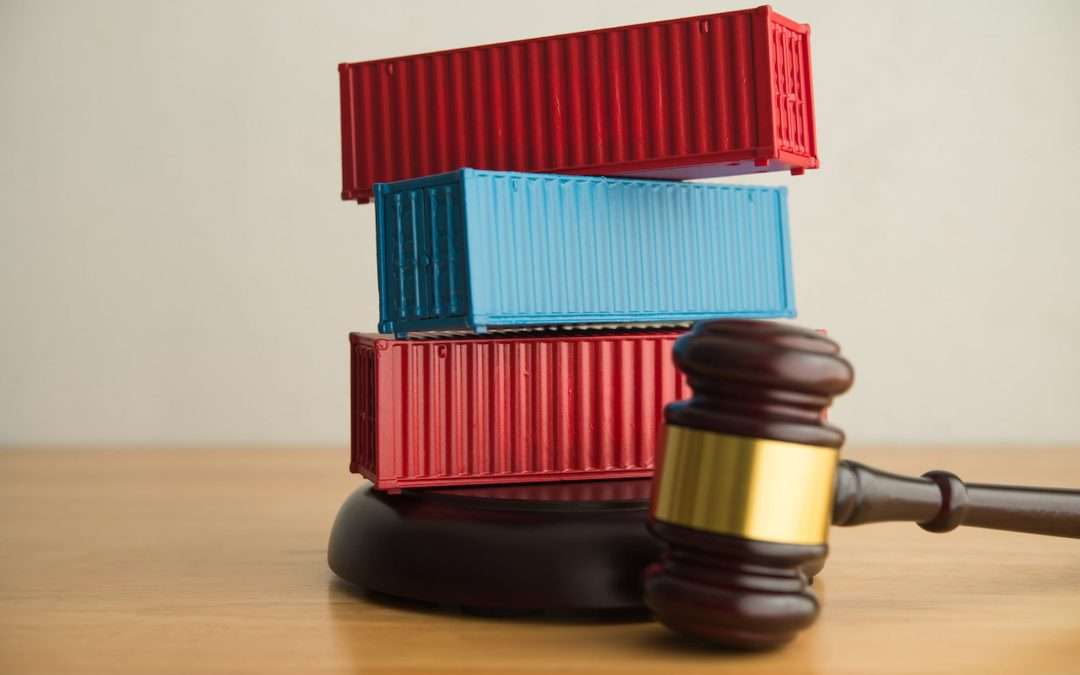
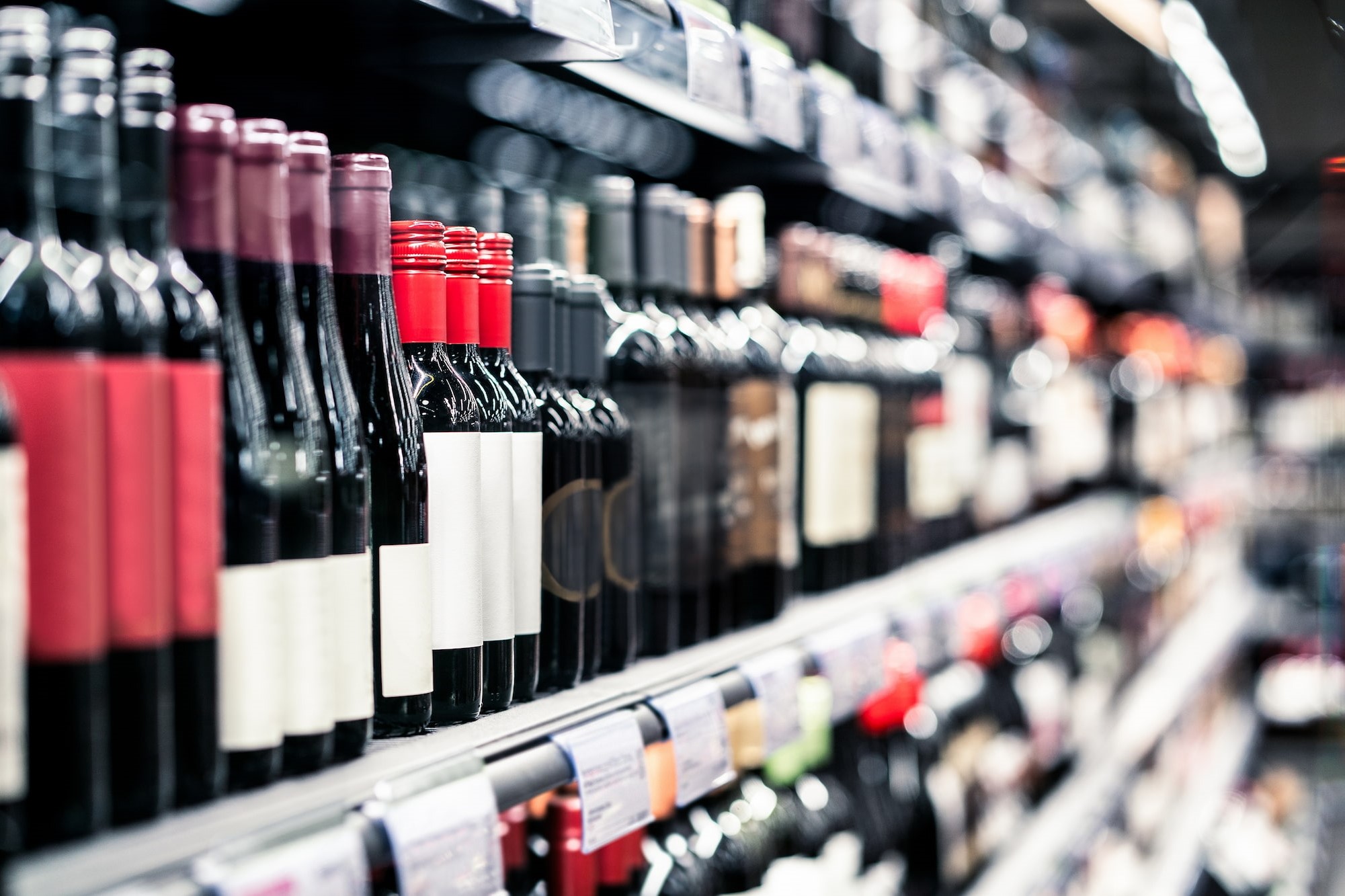
The trade war between the U.S. and other countries is escalating, with Trump threatening a 200% tariff on wine imports. Last Thursday, President Trump threatened 200% taxes on wine, champagne, and other alcoholic beverages from the EU (European Union). Trump noted that the tariffs would be “great for the wine and champagne businesses in the US.” The threat is the latest tariff the U.S. has announced on imports in recent months. A European Commission spokesperson recently said that talks between the U.S. and EU will happen regarding the situation. Because the U.S. is a major wine importer, the tariff hike could substantially affect the EU’s market.
Why Is Trump Threatening a 200% Tariff on European Wine?
President Trump’s 200% tariff threat is due to recent duties announced by the EU. Earlier this week, Trump imposed a 25% tariff on steel and aluminum imports into the U.S. The EU retaliated by introducing tariffs on $28 billion of U.S. goods, including a 50% tax on American whisky. Trump responded by calling the EU “One of the most hostile and abusive taxing and tariffing authorities in the world.” During the first Trump Administration, the EU enforced similar taxes in response to Trump’s previous steel and aluminum tariffs. However, it was suspended and then later extended to March 31st. The EU’s retaliatory tax will go into effect on April 1st, just a day before Trump’s separate reciprocal tariff starts.
Since Trump’s return to office, he has placed duties over various U.S. trade partners, including Canada, China, and Mexico. The reason is to address the trade imbalance between the U.S. and other countries. Trump said he plans to “level the field” by reducing trade deficits with trading partners. Another goal behind the tariffs is to bring manufacturing and businesses like wine production back to the U.S. This will stimulate the economy and create jobs. The tariffs are also to stop the inflow of drugs and illegal immigration into the U.S. The majority of fentanyl that smugglers import into the U.S. comes from China and Canada.
What Will Be the Impact Of A 200% Tariff On International Shipping?
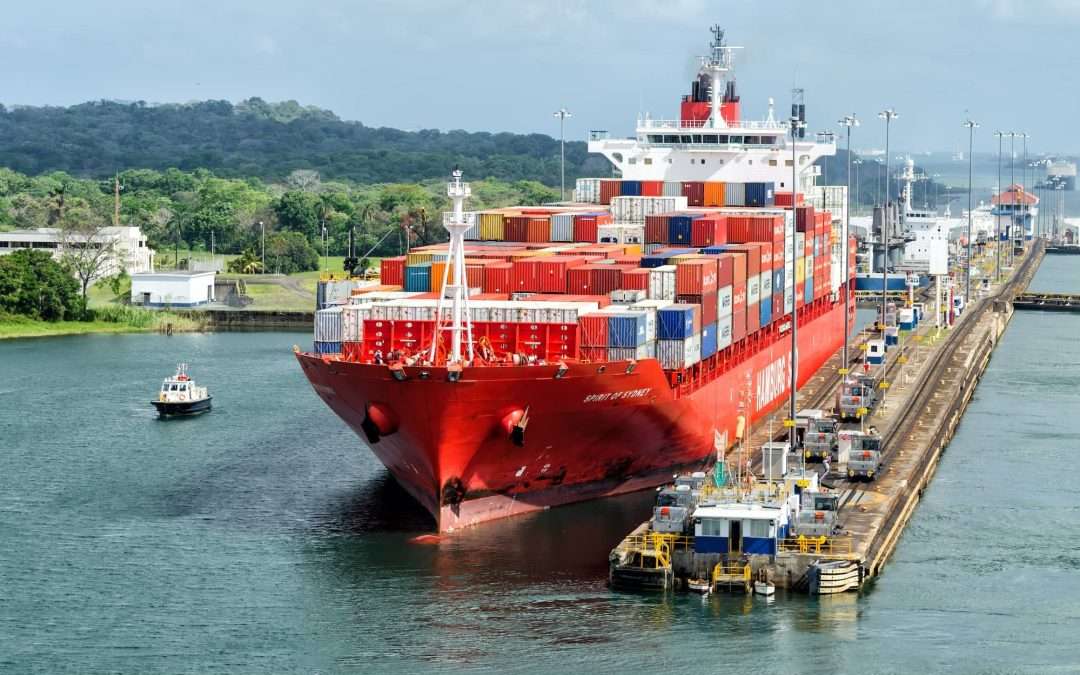
The U.S. is the largest wine importer globally, bringing in nearly 1.2 billion liters in 2024. Its biggest importers are in the EU, and the EU is also one of the world’s largest wine-producing regions (France, Italy, Spain, etc.). A 200% tariff could hurt producers by causing substantial revenue losses. In turn, higher costs will fall on consumers, and alcohol prices will skyrocket. A 200% tariff could also prompt retaliatory measures from the countries involved and escalate the trade war. While it may hurt international trade, domestic shipping could benefit if production returns to the U.S.
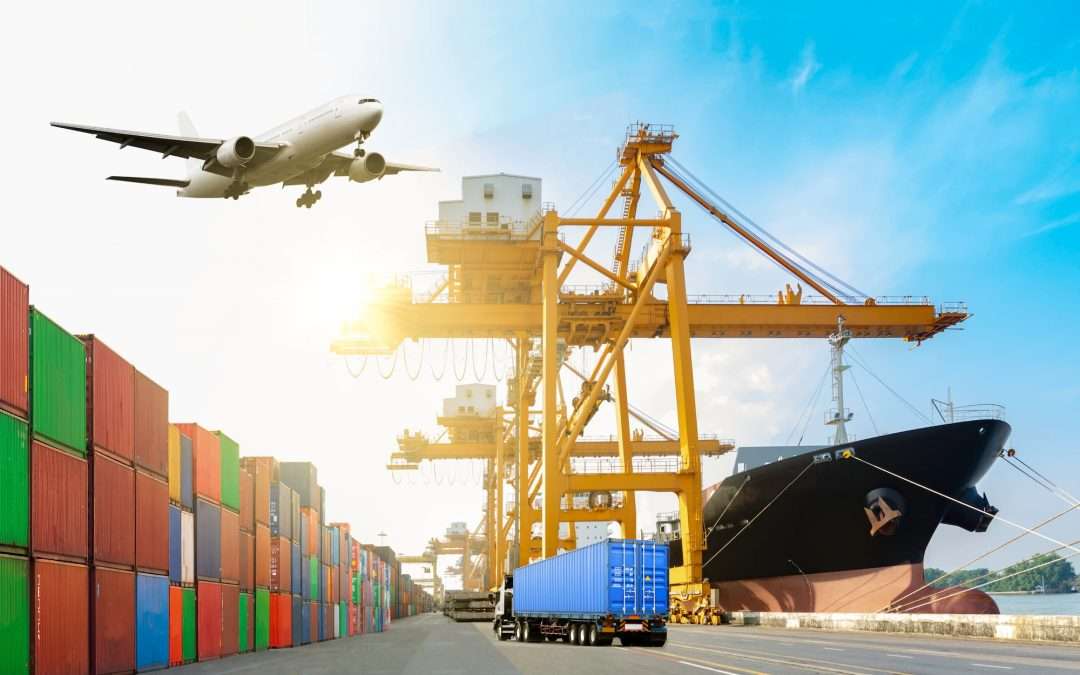
When shipping cargo internationally, a shipper must be aware of potential disruptions that can affect the process. Failure to prepare can result in delays, cargo loss, and monetary loss. You can prepare by staying up to date on any laws and regulations that may apply. Another way to protect your shipment is by speaking to 3PL (Third-Party Logistics) provider. A 3PL provides various supply chain logistics services, including international and domestic shipping, customs clearance warehousing, and more. They also advise shippers on the best course of action to avoid disruptions. To learn about our solutions for ensuring the success of your shipment, reach A1 Worldwide Logistics at 305-425-9456 or info@a1wwl.com.