by A1 WorldWide Logistics | Feb 26, 2026 | Economic trends, Importing, Tariffs
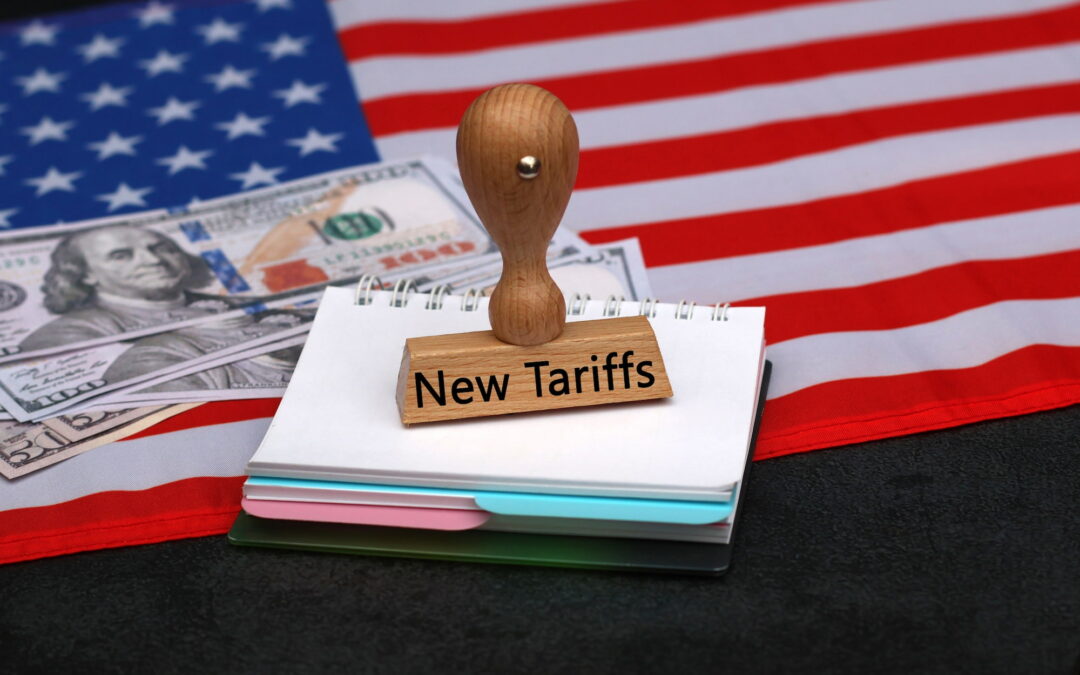
The international shipping industry could still feel the effects of levies, with President Trump imposing Section 122 tariffs. On February 20, the Supreme Court ruled against Trump’s tariffs imposed under the International Emergency Powers Act (IEEPA). Following the ruling, the president announced levies under Section 122 of the Trade Act of 1974. Section 122 allows for the temporary levies of up to 15% for a period of 150 days. Trump originally announced he would raise tariffs to 15%; however, they began at 10% on February 24. This article explains Trump’s goal in imposing Section 122 tariffs and what they could mean for the shipping industry.
Why Is Trump Imposing Section 122 Tariffs?
Along with the issuing of Section 122 tariffs as a response to the Supreme Court’s decision, President Trump’s goal is to address trade imbalances. Imposing a 10% tariff is Trump’s way of “level the field” to reduce trade deficits. The Trump Administration argued that rising imports and growing trade gaps justify the levies to boost the economy. Another reason for the Section 122 tariffs is to be used as temporary leverage in trade talks. Similar to the IEEPA levies, Trump is pressuring trading partners to revisit trading terms and create more favorable US deals. The tariffs are part of an economic strategy to bring manufacturing back to the US and boost the economy.
What Can The Shipping Industry Expect With Levies Continuing?
With levies continuing, shippers may expect certain US imports to remain more expensive. Certain levies, including a Section 232 tariff on imports such as steel, aluminum, and vehicles, also remain in effect. With the court ruling that IEEPA tariffs are unlawful, importers could be entitled to refunds. However, the Supreme Court has yet to provide any guidelines. It is essential to understand that specific goods imported during the transition window will be exempt from the 10% surcharge. More specifically, the exemption applies to goods loaded on a vessel or in transit before 12:01 on February 24. Goods that entered the US for consumption before February 28 will also be exempt from Section 122 tariffs.
With tariffs for importing still in place, shippers should take precautions when importing into the US. Failure to take precautions can result in delays, financial losses, and cargo loss. Disruptions can be especially unfavorable if the importer is a business with customers. In addition to staying current with tariffs and regulations, speaking with a 3PL (third-party logistics) provider is ideal before starting. 3PL’s are service providers that assist with various aspects of the supply chain. These can include customs clearance, freight forwarding, domestic shipping, warehousing, and more. 3PLs also provide consultation services to navigate issues such as tariffs. Contact A1 Worldwide Logistics at info@a1wwl.com or 305-425-9456 to begin moving your cargo to the final destination.

by A1 WorldWide Logistics | Feb 20, 2026 | Economic trends, Supply Chain, Tariffs
The Supreme Court ruled against Trump’s tariffs imposed under the International Emergency Powers Act (IEEPA) in a landmark decision. In April 2025, President Trump issued sweeping reciprocal tariffs on all countries importing into the US. Months after the announcement, an appeals court ruled that Trump’s tariffs were illegal in a 7-4 decision. Following the decision, the Supreme Court announced that it would hear the case, and an oral announcement began in November 2025. Due to the case’s significance, the court justices agreed to decide it on an expedited timeline. On February 20, 2026, the Supreme Court ruled that Trump exceeded his authority in imposing levies.
Why The Supreme Court Ruled Against Trump’s Tariffs.
In a 6-3 decision, the Supreme Court justices concluded that Trump could not rely on the IEEPA to impose levies. The belief is that the president cannot impose broad tariffs without definite congressional approval. This affirmation reaffirms that the power to levy taxes lies with Congress. The Trump Administration’s original argument for the levies was to address unfair practices by trading partners and boost the economy. Economists believed it would have a negative effect, hurting the economy by creating inflation. Although reciprocal tariffs issued under the IEEPA were struck down, others issued by Trump under separate laws remain. The president could also use other legal authority to reimpose tariffs.
Trump Response to Supreme Court Tariff Ruling
President Trump’s immediate response was to disapprove of the ruling and express disappointment with the justices. Trump further announced a 10% global tariff under a different legal authority (Section 122 of the Trade Act of 1974). Section 122 replaces the invalidated tariffs for up to 150 days. There is a potential that the Trump Administration may also impose Section 338 of the Tariff Act of 1930. This act allows the president to impose tariffs up to 50% on imports from countries that “discriminate” against the US.
What Can This Mean For Shipping?
Given the volume of goods entering the US, the Supreme Court’s decision will significantly impact shippers. Importing into the US could become less expensive, leading to more goods entering the country. Despite the removal of tariff pressure on international shipping, uncertainty remains in the industry. With the court declaring the tariffs unlawful, importers could be entitled to refunds. Even if refunds happen, only those who meet strict deadlines and compliance protocols may be eligible. We Pay The Tariff, a coalition of 800 small businesses, has begun demanding refunds, launching a national sign-on letter to the Trump Administration and Congress for “full, fast, and automatic” tariff refunds. Currently The Supreme Court does not provide specific guidance for a refund process.

by A1 WorldWide Logistics | Feb 19, 2026 | Customs Broker, Economic trends, Shipping Logistics
Navigating the Chinese New Year is essential to consider when shipping during this time of year. Chinese New Year is a 15-day celebration marking the beginning of the year on the lunisolar Chinese calendar. In 2026, the holiday begins on February 17 and finishes with the Lantern Festival on March 3. While it is a time for celebration, the Chinese New Year can significantly disrupt international shipping. Understanding its impact on supply chains is crucial in preventing delays and backlogs. This article explains how the holiday affects shipping and how shippers can prevent disruptions during this period.
How is International Shipping Impacted By the Chinese New Year?
Exporting over $3.5 trillion in 2025, China is the world’s largest shipping company by volume. During the Chinese New Year, carriers, ports, and logistic hubs close or operate at limited capacity. This occurs weeks before and after the holiday, disrupting international shipping and supply chains. In particular, the shutdowns can lead to labor shortages, reduced capacity, and congestion. Port congestion may increase at US ports as shippers import higher-than-usual volumes ahead of the holiday. Customers expecting products may experience delays, especially in mid-to-late February. Another effect is that shippers may experience higher shipping costs due to delays and limited capacity. Truckers who pick up cargo from ports may also see higher costs.
How Can You Navigate the Chinese New Year?
Due to the Chinese New Year holiday, shippers must prepare in advance to prevent disruptions. It is ideal to import months in advance to ensure the cargo reaches the shipper before the holiday rush. Communicating with suppliers and freight forwarders is also beneficial in booking transportation space in advance or finding alternative routes. Importing from countries other than China can help mitigate price increases caused by delays and limited capacity. Switching to air transport is beneficial for smaller shipments that must be delivered within a timeframe. Another consideration is ensuring the paperwork is correct to avoid delays, such as having your goods held at customs.
Although importing goods into the US during this period may seem daunting, it should not disrupt cargo movement. Shippers should, however, take the proper steps to prevent disruptions and delays. When bringing in cargo from China or any other country, it is advisable to consult a customs broker. Customs brokers are licensed corporations, partnerships, and private individuals who arrange customs clearance on behalf of importers. In the US, they ensure shipments comply with CBP (Customs and Border Protection) regulations. Brokers do this by providing documentation, calculating duties, filing entries, and more. Reach our brokers at info@a1wwl.com or 305-912-0631 to learn about our services for getting your goods through customs.
by A1 WorldWide Logistics | Feb 18, 2026 | Customs Broker, Exporting, Freight Forwarding
Aunque exportar desde Estados Unidos representa una excelente oportunidad para los transportistas, también conlleva numerosos desafíos. EE. UU. es uno de los mayores exportadores del mundo y una ubicación ideal para acceder a otros mercados internacionales. Gracias a ello, las empresas manufactureras estadounidenses y los exportadores individuales se han beneficiado del comercio internacional. Sin embargo, a pesar de sus ventajas, la exportación puede presentar obstáculos tanto para exportadores experimentados como para quienes empiezan. No comprender qué esperar ni cómo prepararse puede provocar retrasos, pérdidas financieras e incluso la pérdida de la carga. Este artículo explica los principales desafíos de exportar desde EE. UU. y cómo evitar estas interrupciones.
¿Cuáles son los desafíos asociados a exportar desde EE. UU.?
Uno de los mayores retos que puede enfrentar un exportador es el cumplimiento normativo. Existen numerosas agencias que regulan las exportaciones, entre ellas la Oficina de Aduanas y Protección Fronteriza de EE. UU. (CBP) y la Oficina de Industria y Seguridad (BIS). Los exportadores deben cumplir con las leyes de control de exportaciones, los programas de sanciones y los requisitos de licencias. Este cumplimiento es especialmente importante al enviar mercancías sensibles, como tecnología, maquinaria y productos de doble uso. Incluso las infracciones no intencionales pueden resultar en sanciones severas, retrasos en los envíos o la revocación de privilegios de exportación, lo que, a su vez, genera mayores costos y tiempos de exportación más largos.
Otro desafío que los exportadores deben considerar es la variedad de políticas comerciales que pueden afectar sus envíos. Un ejemplo reciente es la guerra comercial en la que EE. UU. se ha visto involucrado con varios países desde el regreso del presidente Trump al cargo. Como respuesta a los aranceles recíprocos, países como China impusieron aranceles a productos estadounidenses. Esto puede elevar los costos de exportación y obligar a los exportadores a ajustar los mercados objetivo y los precios para mitigar el impacto.
Los exportadores también deben estar atentos a posibles problemas logísticos, como la congestión portuaria, que puede provocar retrasos. La congestión puede dificultar la obtención de contenedores y provocar cierres anticipados de embarque. Asimismo, el embalaje y el etiquetado deben cumplir con las normas internacionales para evitar rechazos en los buques.
¿Cómo pueden prepararse los exportadores?
Dados los desafíos de exportar desde Estados Unidos, es fundamental que los exportadores se preparen adecuadamente. Antes de comenzar, deben comprender los requisitos de las agencias reguladoras, como la CBP, que varían según el tipo de carga. Por ejemplo, los dispositivos médicos requieren la aprobación de la Administración de Alimentos y Medicamentos (FDA) antes de su exportación. Hablar con un freight forwarder puede ayudar a entender qué esperar, incluida la documentación necesaria. Algunos de los documentos estándar requeridos para exportar incluyen:
- Factura comercial
- Conocimiento de embarque (Bill of Lading)
- Lista de empaque
- Certificado de origen
Ciertas exportaciones, como materiales peligrosos y productos farmacéuticos, pueden requerir permisos especiales. Incluso errores menores en la documentación pueden provocar retenciones aduaneras, multas y rechazos en el puerto. Los exportadores también deben seleccionar el medio de transporte adecuado, generalmente marítimo, aéreo o terrestre. El uso de servicios de drayage resulta especialmente útil para trasladar mercancía a los puertos para su envío internacional.
Exportar desde EE. UU. suele involucrar múltiples componentes dentro de la cadena de suministro y la preparación incluye aspectos adicionales no abordados en este artículo. Contactar a un proveedor 3PL (Third-Party Logistics), como A1 Worldwide Logistics, es una excelente forma de comenzar. Un 3PL es una empresa que gestiona diversas funciones de la cadena de suministro para sus clientes, incluyendo freight forwarding, despacho aduanero, transporte doméstico, almacenamiento y más. Además, los 3PL ofrecen servicios de consultoría para ayudar a afrontar los desafíos del proceso de exportación. Comunícate con A1 Worldwide Logistics en info@a1wwl.com o al 305-425-9456 para conocer nuestras soluciones 3PL y asegurar el éxito de tu exportación.
by A1 WorldWide Logistics | Feb 12, 2026 | Economic trends, Importing, Tariffs
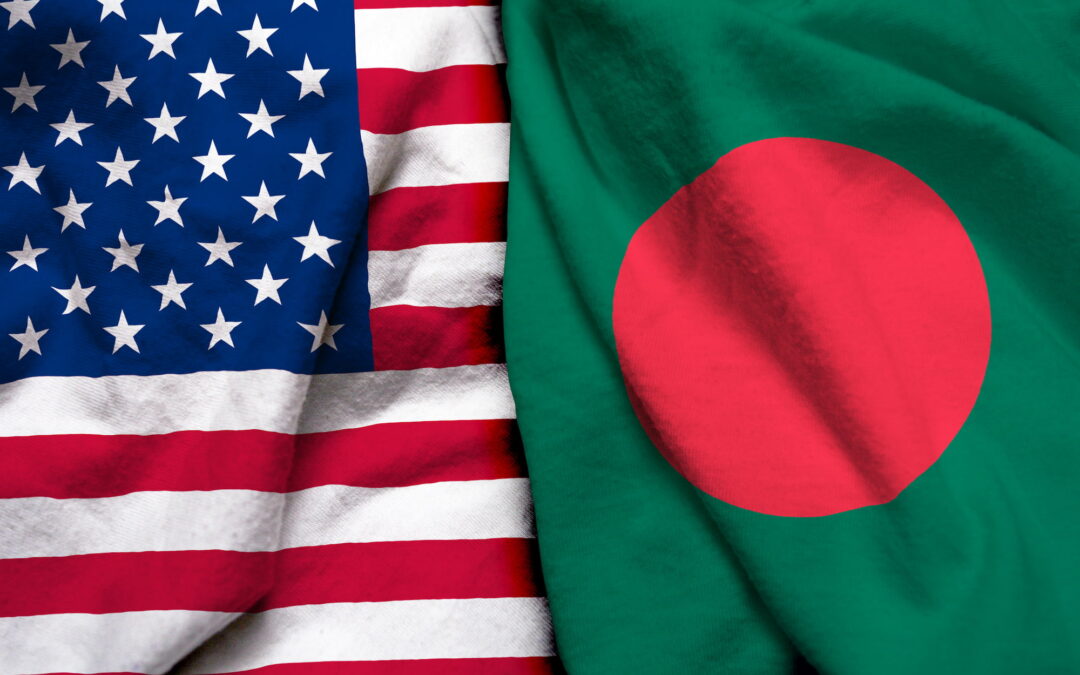
A recent trade agreement will result in the US lowering Bangladesh tariffs to 19%. On February 9, American adviser Jamieson Greer met with Bangladesh advisor Sheikh Uddin to sign the Agreement on Reciprocal Trade. In addition to lowering the levy from 20% to 19%, certain textiles and apparel products will enter the US duty-free. These goods include US-sourced cotton and manufactured fibers. The agreement will also expand market access between the two countries, particularly for American industrial and agricultural products. This will cover goods ranging from machinery and communication equipment to dairy and beef products. With the ongoing international trade war over the last year, the news is a relief.
Why Is The US Lowering Bangladesh Tariffs and Finalizing A Trade Agreement?
The US and Bangladesh have reached a trade deal for various purposes, including strengthening bilateral trade ties. Lowering tariffs and offering duty-free importing for apparel made with US material will expand Bangladesh importers’ access to US markets. The access will increase trade flows between the two countries and strengthen economic ties. Another goal of the trade agreement is to support Bangladesh’s garment sector, which relies on exports. Lower and duty-free tariffs on imports like garments made from US cotton will benefit American retailers and help sustain orders. On a broader scale, the US has been negotiating with Bangladesh and other countries over the past year to reduce trade frictions caused by tariffs and strengthen trade relationships.
What Can This Mean For Shipping?
The Agreement on Reciprocal Trade between Bangladesh and the US could significantly impact international shipping. Both countries may benefit from increased cargo imports and exports, as well as access to each other’s markets. The US has been making similar deals with countries such as India for greater bilateral cooperation. A hope is that the US will continue to negotiate trade agreements that benefit importers and exporters. Supply chains that import from Bangladesh could also benefit from lower import costs, which in turn reduce costs for other components, such as domestic shipping.
As tariffs on imports from Bangladesh decline, it will be more beneficial for importers bringing goods into the US. It is still essential that the shipper take the necessary steps to avoid delays that could result in financial losses. To prevent shipping disruptions, it can be beneficial to consult a freight forwarder, such as A1 Worldwide Logistics. A forwarder is a person or company that acts as a middleman between the shipper and the carrier. They do this by offering a range of solutions, including providing documentation, customs clearance, warehousing, and consulting services. Speak to our forwarders at info@a1wwl.com or 305-423-9456 to begin moving your goods anywhere internationally.

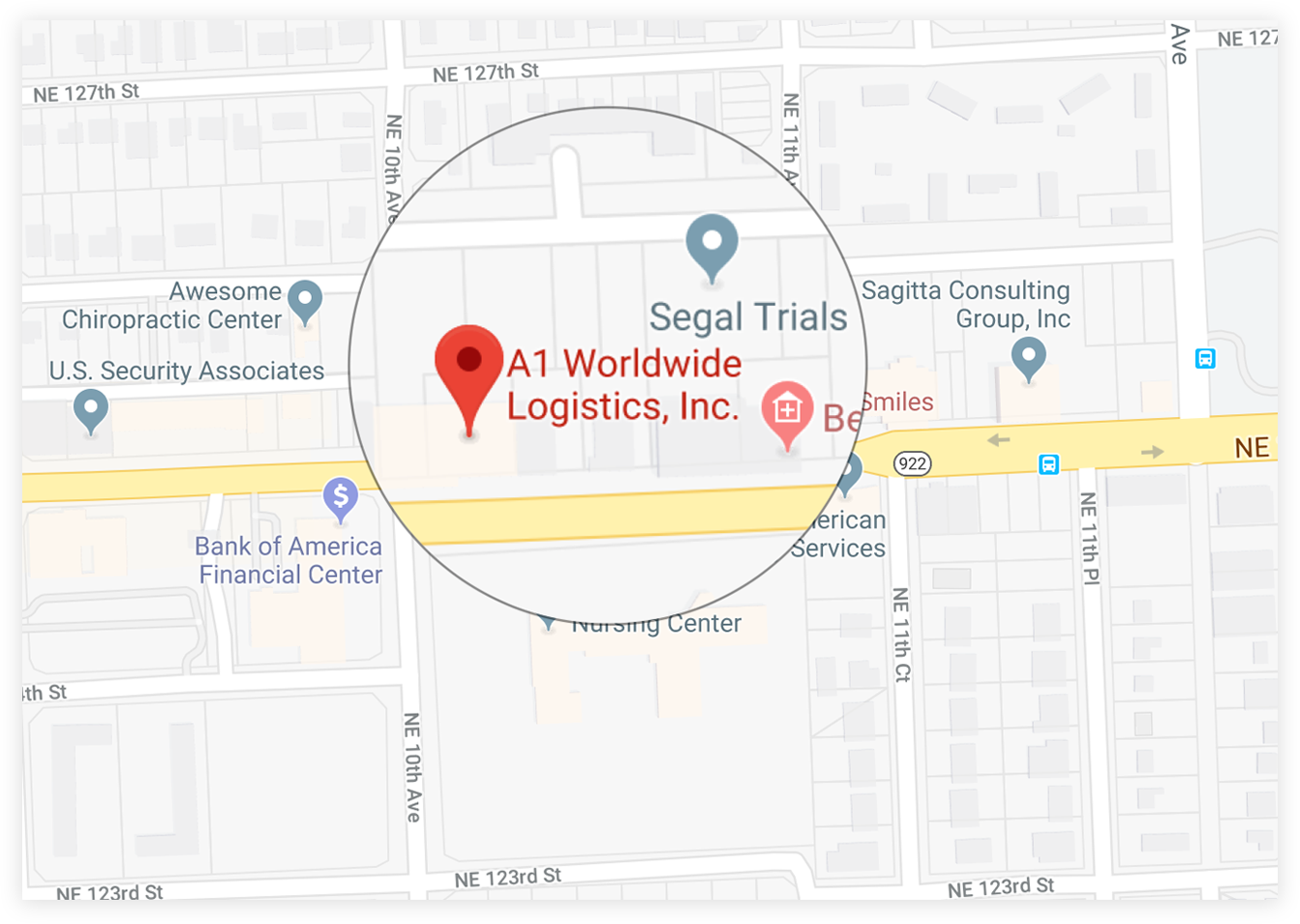
 1035 NE 125th St Suite #320, North Miami, FL 33161.
 a1worldwidelogistics.com
 (305) 821-8995
 Hours: 8AM - 5PM