
by A1 WorldWide Logistics | Jan 30, 2023 | Agricultural imports, Customs Broker Miami, Freight Forwarding, Supply Chain
Celebrated February 14th, Valentine’s Day is known as a celebration of love and romance. Goods such as chocolates, candy, and perfumes are imported into and out of the U.S. from different countries. Another typical shipment moved globally for Valentine’s Day celebrations is flowers. Over 1.1 billion flowers are imported into the U.S. and inspected annually by customs. Out of all the imports, most are roses produced and transported from farms in Colombia. Several trade agreements have resulted in more than 62% of the total rose imports into the U.S. coming from Colombia.
Miami International Airport receives an estimated 91% of all the flower imports that come into the U.S. 23% of these imports happen between January and February in preparation for Valentine’s Day. While the importance of shipping flowers internationally is known, the process of moving the goods to their final destination is not. This article will give a background of how flowers are imported into the U.S. and explain how to begin. For more information, talk to one of our customs brokers at 305-425-9752 to understand the shipping process.
The Logistics Behind Importing Flowers into the U.S.
Since most rose imports into the U.S. come from Colombia, shipping from this country will be an example. The supply chain begins at the farms in Colombia, where producers grow the flowers and prepare them for shipping. When a wholesale company or independent shipper places an order, the flowers are packed into a refrigerated plane and transported. The method of conveyance is generally an airplane because the flowers have to be transported from Colombia to the U.S. in a speedy manner. Nevertheless, in some cases, boats are also used to transport flowers. Once they reach the U.S., Customs and Border Protection inspect the flowers for insects or diseases.
Customs’ purpose is to ensure that anything imported or exported from a country complies with the laws and regulations. Since there are an extensive amount of guidelines that require compliance, many importers hire a customs broker. A broker acts as an intermediary between the shipper and customs for the release of a shipment. They do this by providing the correct documents, filing customs entries, and paying the duties of the importer.
When customs clears the flowers, a refrigerated truck transports them to their final destination. A shipper who wants to begin importing flowers into the U.S. should start by understanding the necessary documents for importation. Customs brokers also help educate shippers to understand that and to provide the paperwork. The importer should also talk to a freight forwarder to find a carrier to move the shipment. Forwarders find the best transportation prices for conveyances such as boats, planes, rail, and trucks.
Give flowers!
Valentine’s day is a time of showing that special someone admiration and appreciation. A conventional way is by giving presents like flowers and other gifts such as jewelry or chocolates. If you plan on shipping cargo for this coming Valentine’s Day, contact A1 Worldwide Logistics at 305-821-8995 to get started. Our company has freight forwarders and customs brokers prepared to handle your cargo. We will ensure your and your customers’ satisfaction with the secure movement of your shipment.


by A1 WorldWide Logistics | Jun 15, 2022 | Agricultural imports, Customs Broker, Customs Broker Miami, Customs Clearance, Freight Forwarding
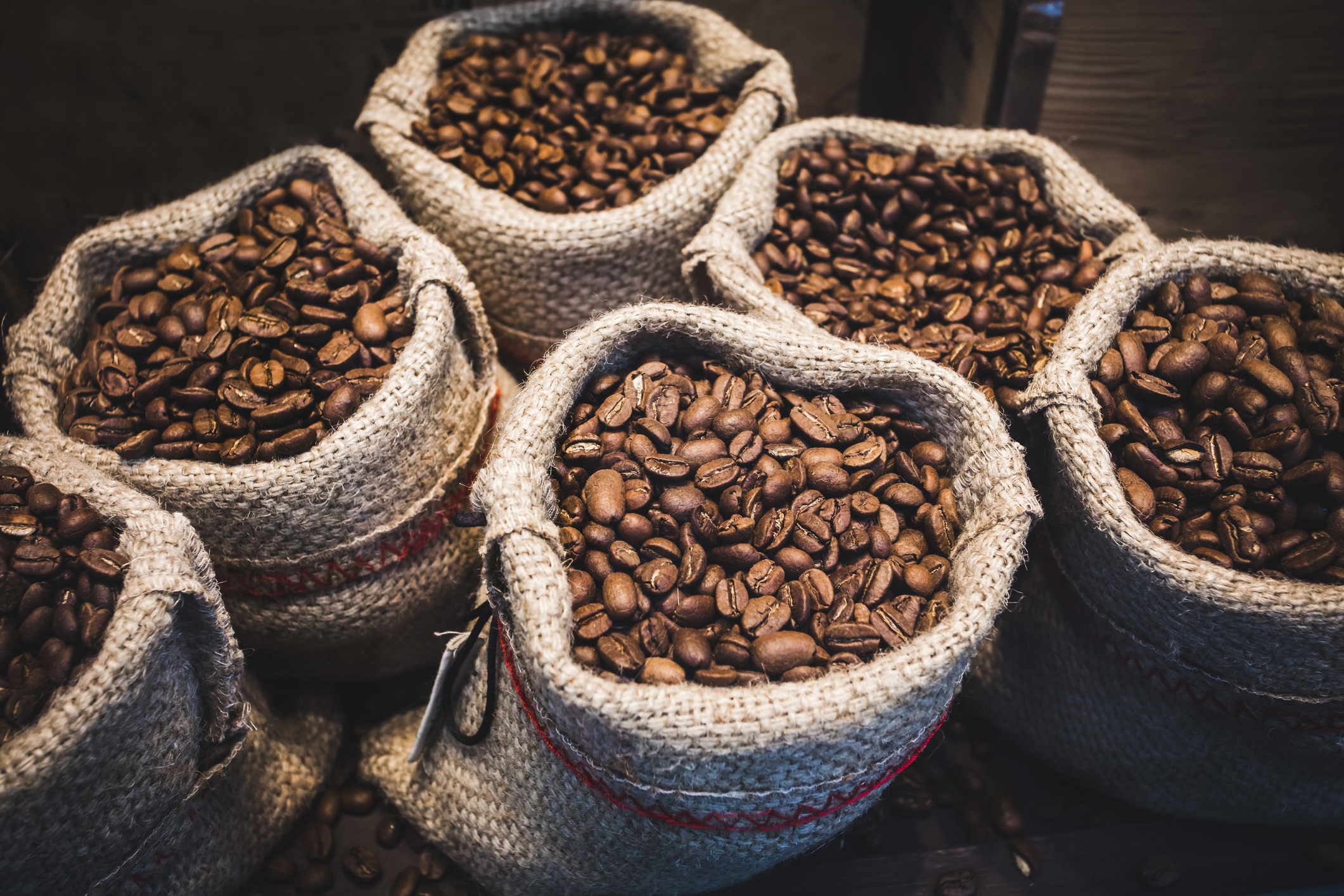
One of the first things that millions of Americans do when they wake up is have their morning coffee. 64% of Americans drink coffee daily. It is a routine and a necessity for many as they start their workday. Bringing in an estimated $6.9 billion of coffee in 2021, the United States is the world’s biggest importer of coffee. For reference, this is about 19.2% of the amount of coffee imported globally. Americans drink approximately 400 million cups of coffee daily and 146 billion cups a year. With over $1 billion in coffee exported to the U.S. each year, Colombia is the largest exporter.
Coffee rose to one of the most popular beverages after the Tea Act of 1773. The Tea Act imposed taxes on various imports, including tea, the most consumed drink at the time. The Americans protested against the tariffs by switching to coffee instead of tea; the rest is history. Only two states are legally allowed to grow coffee for commercial purposes, meaning that shippers import most coffee from elsewhere. If you plan to import coffee into the U.S., this article provides a summary of what to expect. Contact a customs broker for a detailed explanation and to be fully prepared.
Beginning the importation Process
To begin the import process, the shipper understands the requirements. It is vital to ensure that the import complies with the requirements of governing agencies such as the CBP, FDA, and USDA. Each agency has specific documents to be submitted and requirements, for example:
- US. Customs and Border Protection (CBP): The CBP requires any import valued at over $2500 to have a customs bond.
- Food and Drug Administration (FDA): The FDA requires import registration and a Prior Notice Filing with important information about the shipment. Contact a customs broker for a list of what is needed for the filing and assistance with completion.
- United States Department of Agriculture (USDA): The USDA requires an application for a permit to import plant products like coffee beans.
The FDA also requires you to appropriately label every bag imported into the U.S. This includes the ingredients, content, net weight, and more.
In the shipment arrangement, select the conveyance method that corresponds to the shipment type. For example, a load of 24 pallets of coffee beans would benefit from an FTL sea freight container. Shipments that aren’t too large and need to be moved quickly should go on an airfreight aircraft. It is also crucial to understand the different costs associated with your shipment. For example, the CBP requires a Harbor Maintenance Fee for any shipment entering the U.S. by ocean. A Merchandise Processing Fee is a processing payment required for most imports into the U.S.
Whether you’re a first-time importer of coffee beans or a business that continuously imports, it is essential to prepare. If you plan to import coffee or other goods, contact A1 Worldwide Logistics at 305-821-8995 to get started. Our freight forwarders will move your cargo anywhere inside or out of the U.S. Our licensed customs brokers will coordinate with U.S. customs to clear your shipment and simplify your shipping process.
by A1 WorldWide Logistics | May 6, 2022 | Agricultural imports, Customs Broker, Customs Broker Miami, Customs Clearance, Import and Export Experts, Shipping Logistics, Supply Chain
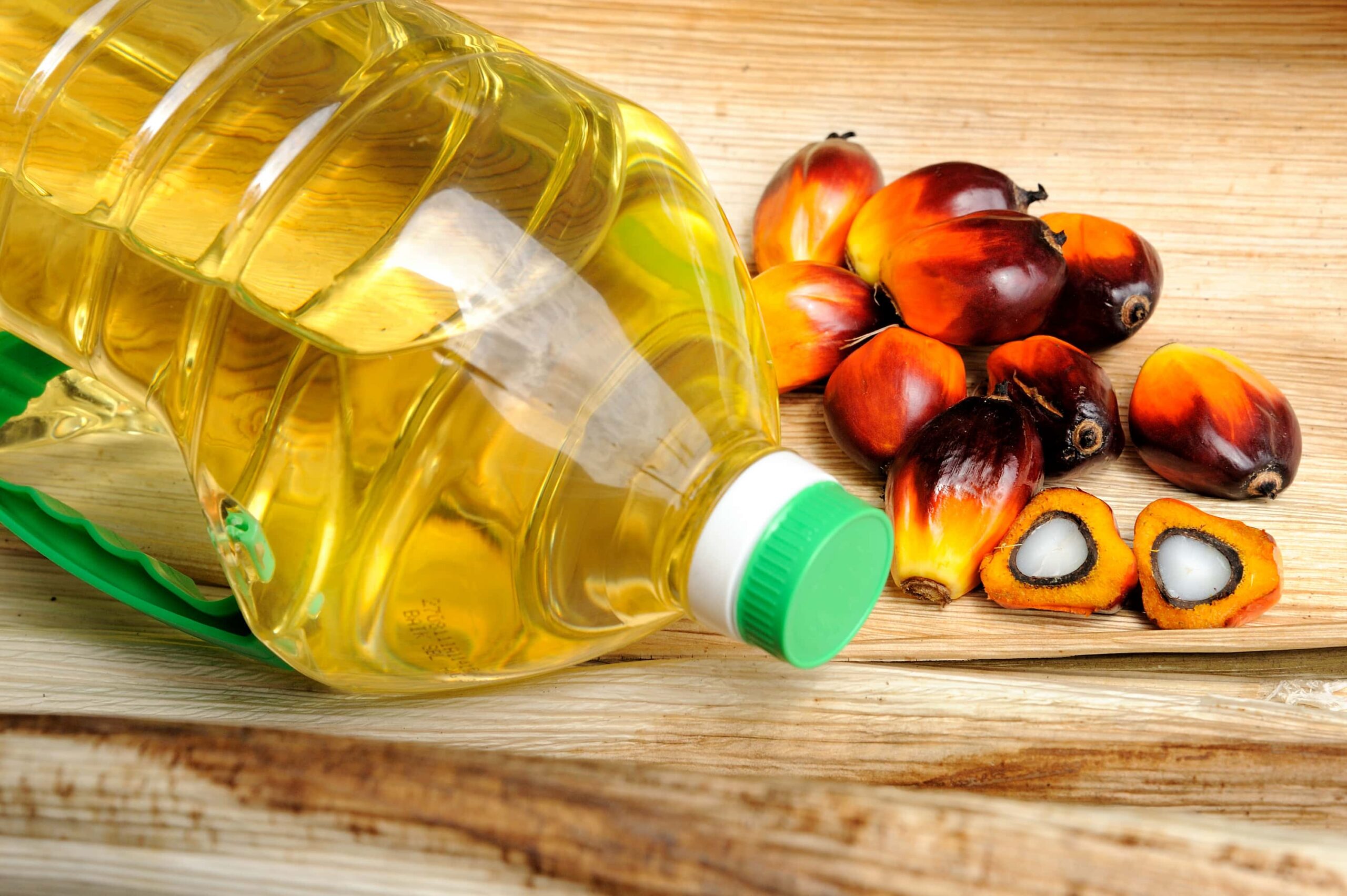
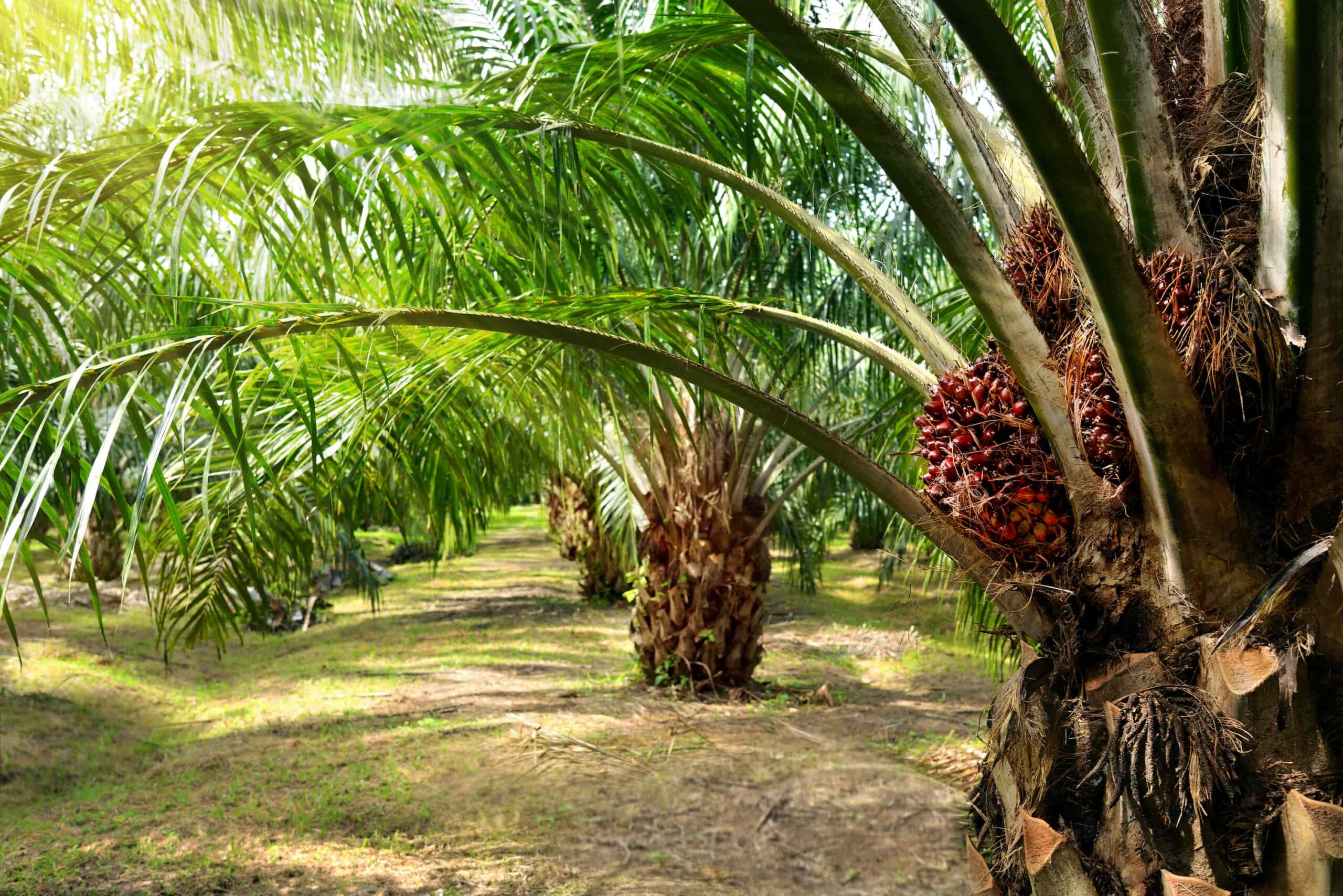
On April 28, the Indonesian government began banning palm oil export. At first, the export ban included only bleached, refined, and deodorized palm oils. However, very soon the ban got to include all types of palm oils. Palm oil is an edible oil used in many food products, detergents, cosmetics, and other products. 60% of the world’s palm oil is estimated to be produced and exported from Indonesia.
Why Is the Ban Happening
One of the main reasons Indonesia is banning palm oil exports is to boost domestic availability. The amount of palm oil available for use in Indonesia has decreased significantly due to rapidly rising prices. In a few months, the price of palm oil has increased by over 40%. Situations such as the COVID-19 pandemic and the war in Ukraine have increased demand for palm oil, as it is a substitute for sunflower oil, which Russia and Ukraine traditionally produce and are now scarce due to the war and economic restrictions. Producers in Indonesia have raised the price to a point where locals can no longer afford to buy the product. There have been protests on the streets of Indonesia due to the shortage.
Authorities in Indonesia have stated that the ban will remain in place until affordability and availability improve in the country. However, analysts predict that Indonesia could shorten the span to a few weeks. This is because palm oil is an ingredient in many food products globally (such as chips, Oreos, candy, and cereal). A short export pause can hurt Indonesia’s economy and the global food economy.
With Indonesia consuming around 33% of its palm oil production, the ban will quickly raise the availability in the country. The ban may create opportunities for countries like Colombia, Malaysia, and Thailand to export palm oil.
The Effects of Banning Palm Oil
Banning palm oil may have different effects on both local and worldwide buyers. The first of them is, obviously, a generalized edible oil inflation. The export ban will be beneficial for Indonesian citizens because it could lower the price of palm oil, but since the ban is for exporting the goods, it may negatively affect importers outside of Indonesia. As previously mentioned, countless food manufacturers use palm oil as an ingredient. The cost of palm oil is relatively cheap, making the finished product affordable for the customers. Without access, manufacturers may have to purchase more expensive oil options, increasing the price of the finished good.
Many importers have already decided to look at different countries like Malaysia to purchase palm oil. Responsible for producing 25% of the world’s palm oil, Malaysia is the second-biggest producer after Indonesia. The global demand has also moved to alternatives like soybean oil. The problem is that Argentina, the biggest producer of soybeans, is currently in a drought. Export taxes for soybean oil have also risen as a direct response to the war in Ukraine. Despite the issues presently being faced, the futures prices for soybean and palm oils have risen to record heights.
When the Indonesian government lifts the ban, the demand to export palm oil and other goods will still be existent. If you are a producer of palm oil or need to import palm oil into the U.S., Contact A1 Worldwide Logistics at 305-821-8995. Our skilled importers will guide you through the shipping process. We also offer customs brokerage services for goods coming into the U.S.
#exports #imports #COVID-19 #Indonesia #Ukraine #Russia #logistics #palmoil #exporting #customsbrokerage
by A1 WorldWide Logistics | Apr 28, 2022 | Agricultural imports, Import and Export Experts, Shipping Logistics, Supply Chain
Before importing agricultural products into the United States, you need to be aware of many regulations. Guidelines to import can be extensive; this article will give you a basic understanding of what to expect. Agricultural goods are products derived from animals or crops used for human consumption and sustainability. Some examples include fruits, vegetables, livestock, raw materials, fuel, etc. This article will describe the general process for importing. However, call A1 Worldwide Logistics at 305-821-8995 for a comprehensive explanation.
FDA Requirements for Importing Agricultural Goods
The Food and Drug Administration (FDA) ensures that food and medicine coming into the U.S. meet safety requirements. To begin importing into the U.S., you must register your facility with the FDA. Your “facility” is where the agricultural good was manufactured and packaged before being imported. Failure to register with the FDA may result in civil penalties such as detention holds and fines for your product. After registering, the FDA will assign you an agent to inspect and ensure that your products meet safety requirements. It is also necessary to have all the required permits for importing your goods. Find a customs broker to learn more about the permits and documents needed.
The importer has to send prior notice documents no more than 15 days before the goods arrive at the U.S. Information such as registration number, country of origin, product code, and more should be on the prior notice documents. The FDA also requires that your fruits and vegetables are appropriately labeled before entering the U.S. The types of label formats permissible by the FDA depend on the packaging and type of product. Once the goods arrive at a port of entry, a customs agent will inspect them before being released. The inspection prevents potential threats such as diseases, pests, and other threats from entering the U.S.
USDA Requirements for Importing Agricultural Goods
-
-
Watermelon cargo
-
-
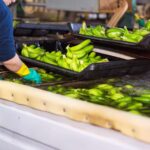
Plantain being processed for import
-
-
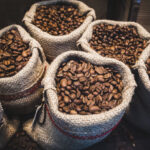
Coffee beans in bags. Fresh coffee beans
The U.S. Department of Agriculture (USDA) enforces its regulations for importing agricultural goods as well. The USDA has different rules and services depending on the agricultural cargo imported. For example, the USDA has the Food Safety and Inspection Service (FSIS) for poultry, meat, and egg products. The FSIS makes sure that meat and egg products are safe for import into the U.S. The guidelines depend on the type of import; however, the eligibility depends on the country. The country has to be certified by the FSIS to allow importation into the U.S.
Countries that are certified have a certain number of goods eligible for importation which the FSIS determines using three categories. The three categories are Process Category, Product Category, and Product Group. Goods that are qualified for importation also have labeling and permit requirements based on the product. Similar to FSIS, the USDA also has the National Plant Protection Organization (NPPO), regulating plant importation. The NPPO ensures that the fruits and vegetables imported into the U.S. have the correct permit and certificate.
Once the agricultural goods reach the U.S., the Customs and Border Protection will ensure that you have the correct paperwork filled out. Finally, the imported goods will be moved to an import establishment for inspection before being released. If you need a customs broker to assist with the paperwork, contact A1 Worldwide Logistics at 305-821-8995. Our experts will guide you through the importation process and answer any questions.



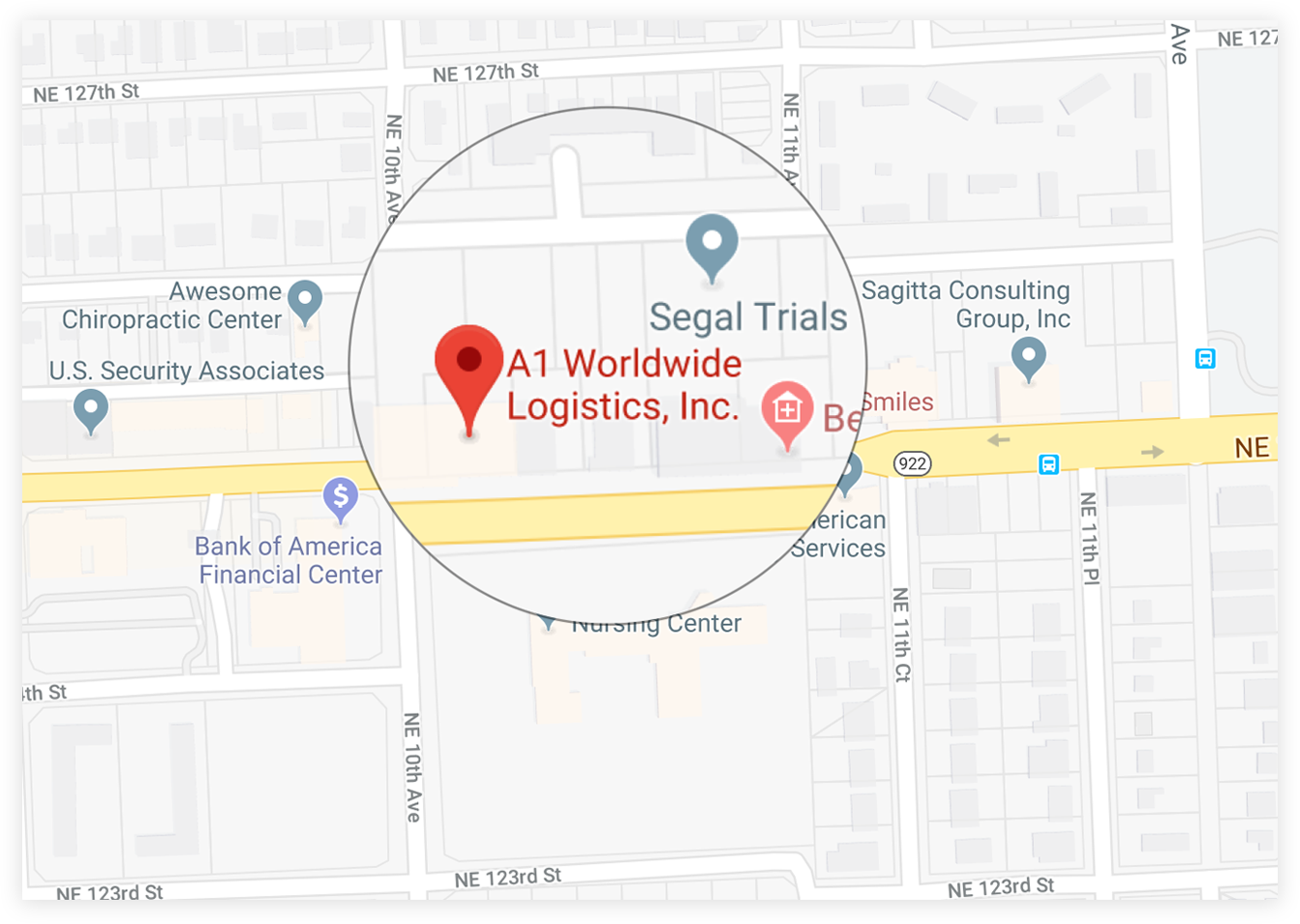
 1035 NE 125th St Suite #320, North Miami, FL 33161.
 a1worldwidelogistics.com
 (305) 821-8995
 Hours: 8AM - 5PM