
by A1 WorldWide Logistics | Jul 8, 2022 | COVID-19, Freight Forwarding, Shipping Logistics, Supply Chain
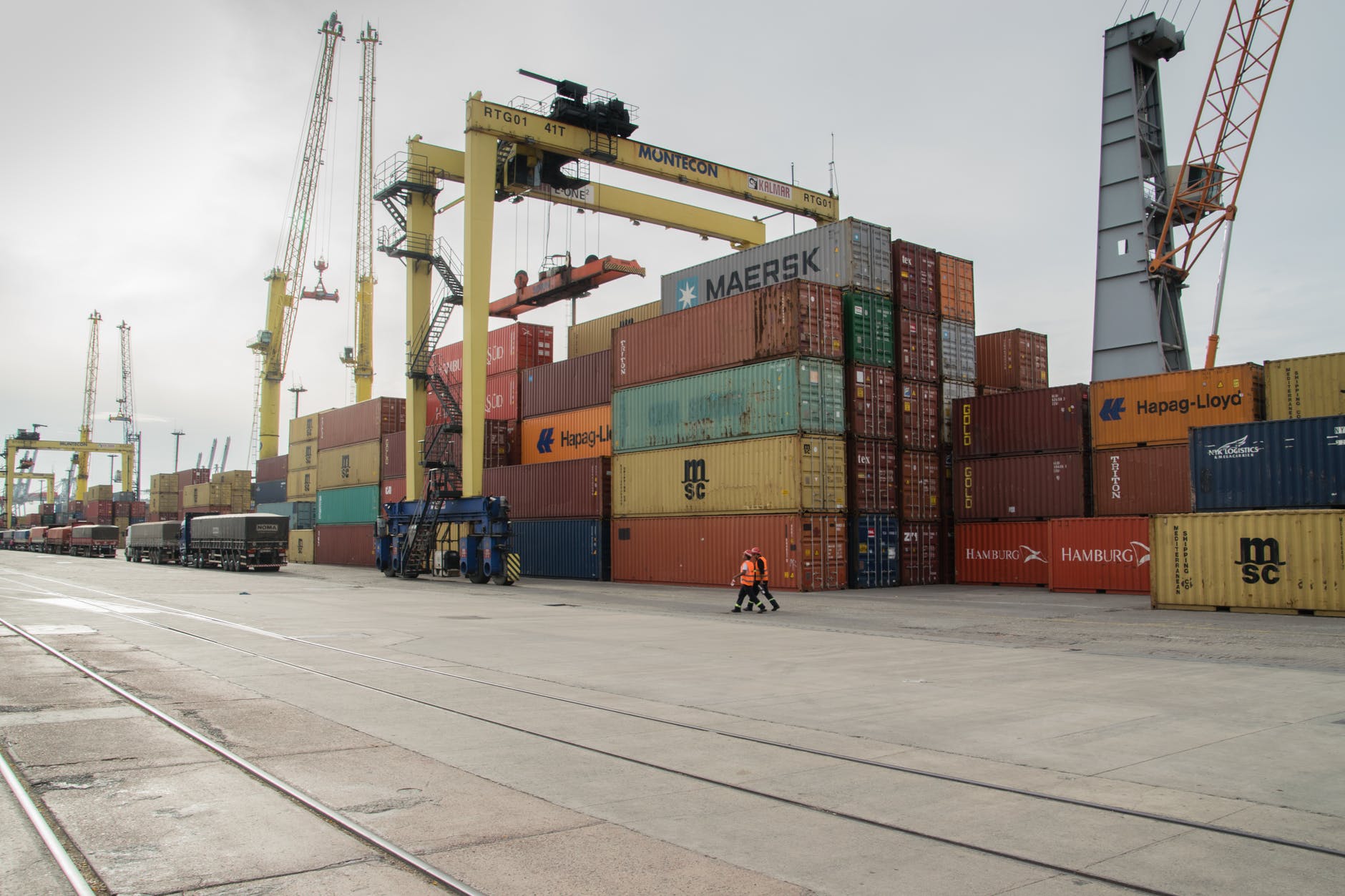
Ports across the United States have recently seen a decrease in container import demands. This surprises many with the high volumes of imports into the U.S. in early 2022. The number of vessels waiting outside Los Angeles/Long Beach ports decreased from over 100 in January to under 30. From May 24 to June 7, container imports dropped an estimated 36%. While some believe this is the calm before the post-Shanghai lockdown storm, others see it as something more positive. Over the past year and a half, COVID has led to massive port congestion and backlogged supply chains. This decline in container ships could be a potential sign of relief.
One of the reasons for the reduction in West Coast ports is carriers moving freight to East Coast ports. The East Coast ports became more attractive after the congestion months ago created a logjam in West Coast ports. What is interesting is that East Coast ports are also facing a reduction in container imports. The drop is leading many to speculate that imports will reach pre-pandemic levels. However, it may be too soon to predict how inflation will impact the international shipping industry in the coming weeks. The vessels that left ports overseas on the trans-Pacific are expected to reach the U.S. by June.
The Impact of Inflation
Inflation has spread worldwide and affected industries such as oil and food. Compared with March last year, inflation has risen an estimated 8.5%, according to the Bureau of Labor Statistics. This is a 40-year high, with the previous high at 7.9% in December 1981. The price increases are due to multiple factors, such as the war in Ukraine and post-COVID demand. The geopolitical risks of the Ukraine war have also led companies to keep their goods in inventory in the U.S. As inventory builds up in the U.S., new orders from overseas slow, decreasing imports.
The price increase may have directly contributed to the decrease in demand. Now that inflation has risen to substantial levels, customers may be spending less on goods than before. With fewer goods purchased, fewer container vessels are being brought into U.S. ports internationally. It may be too early to tell if inflation significantly affected the decrease in U.S. port imports.
Can this Be a Good Thing?
The return of imports to pre-pandemic levels may signal a return to normalcy in the shipping world. Alongside the U.S. port import volumes, container spot rates from China to west coast ports are also declining. On a month-to-month basis, the spot rate has gone down over 30% since March 28, 2022. With container shipping rates lowering, this can tremendously benefit shippers transporting goods internationally. It may cost less to ship freight compared to a year ago. The container capacity to move freight has risen compared to last year, which shippers can take advantage of.
If you need a freight forwarder to move your cargo, contact A1 Worldwide Logistics at 305-821-8995 for assistance. We have a team of experts ready to handle your shipment and provide you with the best quote.

by A1 WorldWide Logistics | May 13, 2022 | COVID-19, Freight Forwarding, Shipping Logistics, Technology
Over the past few decades, international commerce has seen technological advancements which allowed an increase in the cargo shipped globally. A recent development was the expansion of the Panama Canal, one of the most significant structures built for maritime trade connecting the Atlantic and Pacific Oceans. Yearly, it is responsible for the transit of over 13000 cargo vessels. Shippers especially felt the canal’s expansion during the COVID crisis, when the amount of freight shipped internationally grew exponentially.
Neopanamax Locks
In April of 2006, the former president of Panama announced the Panama Canal expansion project. Along with deepening current channels and increasing the water levels, the project included adding a third set of locks to the canal. In 2016, builders completed the Neopanamax locks, increasing freight volume moved through. Before 2016, the Panama Canal only had two sets of locks which allowed for a capacity of 5000 TEUs (Twenty Foot Equivalent). The Neopanamax permitted ships with 15000 TEUs to pass through, which meant more ships could go across. Canal Authority predicts that the cargo tonnage moved through the Panama Canal in 2005 will double by 2025.
Covid-19 Shipping Surge and the Panama Canal
When the COVID-19 pandemic started to make its way globally, most of the world’s nations imposed lockdowns. Instead of driving to a local store for merchandise, many goods were purchased online and delivered to the customers. This tread continued to rise even after the lockdowns ended. The number of freight containers shipped internationally increased significantly due to the COVID pandemic. More goods were purchased online and imported from different countries. The increased capability of Panama Canal has proved to be a key component in the context of the shipping surge generated by the pandemic.
One example of this is the transportation of grain exports from the U.S. Grain exports such as corn and soybeans are a common commodity moved through the Panama Canal. The Neopanamax locks allowed vessels to carry 25% more of bulk grain compared to when the canal had two sets of locks. COVID-19 further increased the need to export grains globally through the Panama Canal. In 2020, the value of global wheat exports rose by 10.9% compared to 2019 due to the demand. The Panama Canal’s expansion aided in streamlining the grain exportation. Another example of the positive impact of the Panama Canal’s expansion is the movement of LPG (Liquified Petroleum Gas) carriers to China.
The U.S. LPG exports rose 32% from January-July 2019 to January-July 2020. LPG exports like propane and butane are popular shipments to Asia. This is because China has the highest manufacturing output globally, and factories use LPG in creating polypropylene, a material used to produce plastic. LPG carriers in the U.S use the Panama Canal as the easiest way to reach China. Some other industries that could benefit from the Canal expansion are the automotive and the manufacturing ones, whose products will be more easily moved from the USA to Asia. If you need to have your goods cleared or shipped, contact A1 Worldwide Logistics at 305-821-8995 to begin the process. We have a team of experts ready to help you in the exporting/importing journey from US to China and all around the world.
by A1 WorldWide Logistics | Apr 15, 2022 | Air Freight, COVID-19
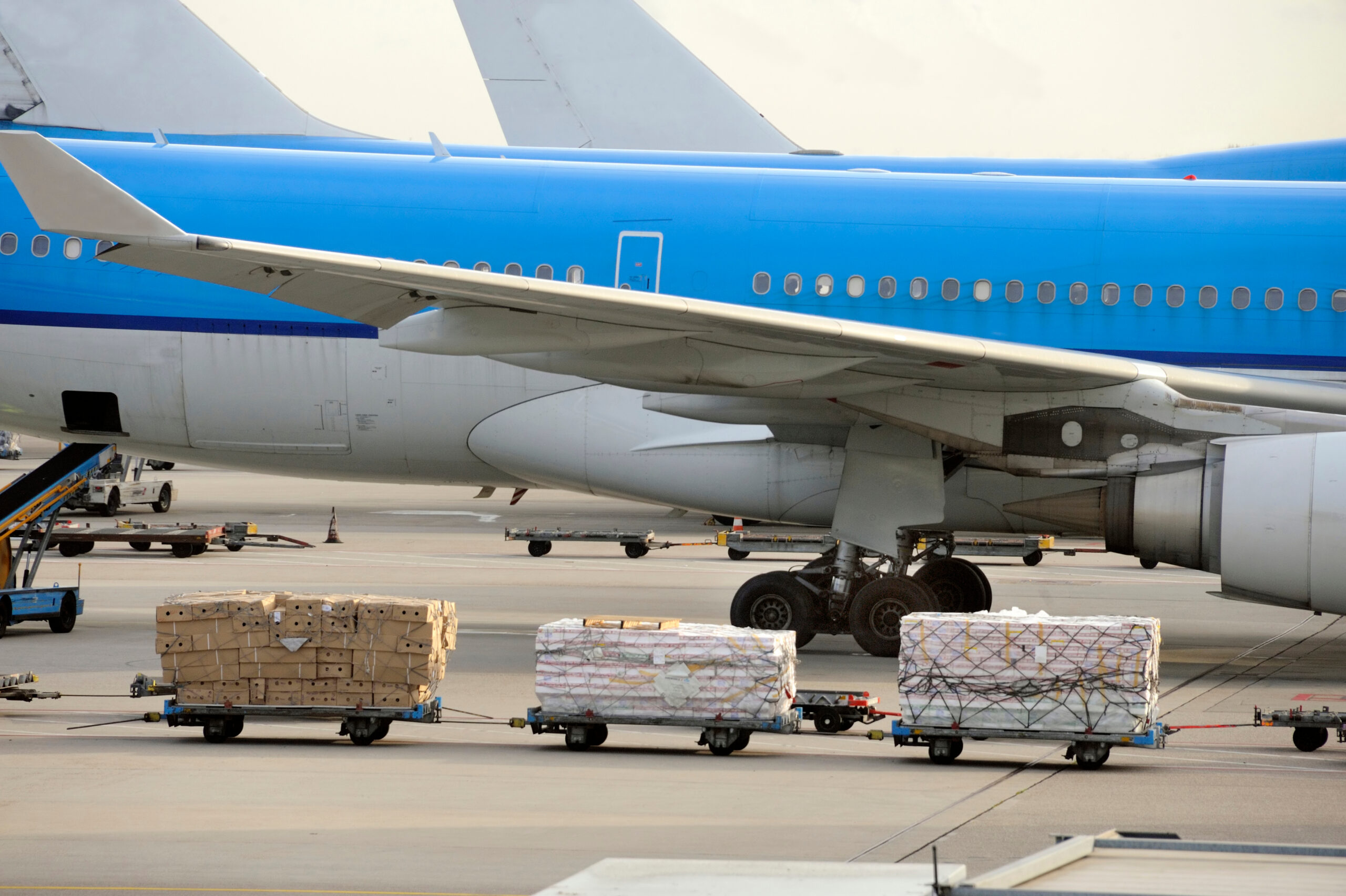
Around the time the coronavirus pandemic began, air freight rates began to have significant volatility. With the rates going up and down multiple times in the past few years, they tended to rise higher every time they went up. The air freight prices could reach new records in the next few months. The pandemic has created a dependence on different methods to transport freight, such as by air. This is during a time of limited capacity due to the pandemic. In 2022, with Russia invading Ukraine, China’s lockdown, and rising oil prices, this trend of air freight rate increase may persist.
Russia and Ukraine conflict
The war in Ukraine has directly affected the air cargo industry. Many carriers have been canceling their flights or taking longer routes to avoid the situation going on in Ukraine. While carriers started having a declining number of flights through Russia than before the war, the airspace in Ukraine has completely closed for flights. Many of the world’s biggest cargo aircrafts are located in Ukraine and Russia. Because of the war, the large cargo aircraft cannot be used. This results in a limited capacity for shipping by air and rise air freight rates on a large scale.
Another result of the conflict in Ukraine is the longer transit times for flight routes between Europe and Asia. To cope with the longer transit times, freight carriers may have to charge higher fuel prices. Significantly, when fuel costs are already rising, the longer routes will only add to the increasing rates. Different air carriers have also added extra surcharges for moving freight, such as a charge for border crossing.
China Lockdown
Last month, a surge in coronavirus cases led to a lockdown within several cities in China, including Shanghai. Shanghai is known to have the biggest seaports globally, the Port of Shanghai. With an estimated container value of 43 million TEU yearly, many supply chains around the world depend on the Port of Shanghai to move their freight. The lockdown limited the number of workers at the port, which slowed port operations. Since goods still had to move globally, shippers looked for other alternatives to move their goods. Shippers not only began switching to different seaports but airports as well.
When many shippers switch to air to move their goods, the capacity becomes tight and limited space means that the cost to move freight by air may go up. Like seaports, many airports in China have also felt the effects of lockdown. The Shanghai Pudong International Airport in Shanghai has recently begun announcing flight cancelations. Because of the lockdown, freight can also not be transported and picked up at the PVG airport. This leads to shippers moving freight to other airports, increasing cargo volume in those airports and air freight rates.
A1 Worldwide Logistics
Over the last few years, air freight transportation has seen its fair share of predicaments, and things may worsen. With the airfreight rates predicted to rise, we want you to be prepared and protect yourself from any surprises. Contact A1 Worldwide Logistics at 305-821-8995 for assistance with moving your goods. We will find the best rates and carriers to get your goods where they need to be. Our company will provide the best solution for your freight forwarding needs, whether importing or exporting.
by Rob Simmons | Jan 22, 2021 | COVID-19, Customs Broker, Customs Broker Miami, Customs Clearance, Freight Forwarding, Shipping Logistics
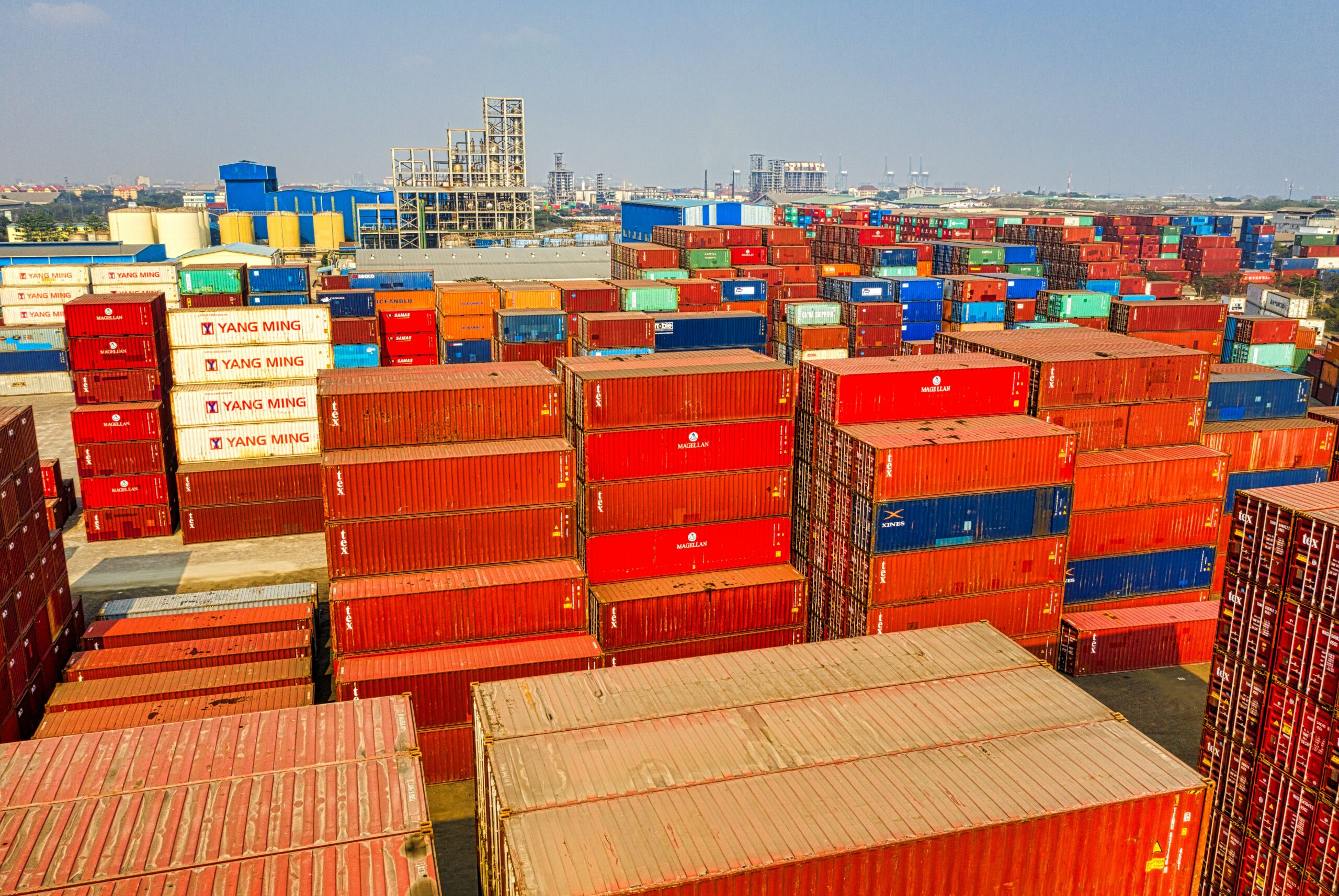
Over the last few months, Ports in the U.S have reached record import volumes. The ports of California, in particular, have seen an unprecedented amount of congestion due to the number of imports. While this started around September of 2020, it may continue through February of this year. The reason for this overcrowding traces back to various of different causes that directly relate to each other.
Coronavirus – The effect of COVID-19 was felt on separate parts of supply chains globally, including the arrival of goods to their designated ports. The port facilities have seen a decrease in the number of workers available due to the virus and with a large number of imports, the delivery and pick-up time is prolonged.
E-Commerce – A direct effect of the coronavirus is that instead of going directly to the merchandise store to pick up goods, people realize that it is safer to shop at their own homes. This, in turn, may lead to goods being bought online and imported from different countries. In California’s case, many goods that customers bought were imported from China. This, in turn, created a buildup at the ports.
Equipment Shortages – Lately, there has been a decline in the amount of chassis available for truckers, likely due to the economic downturn in 2020. A chassis is the frame of an automotive vehicle to where the body is attached to. Trucks use the chassis to load containers and drive them to the warehouse.
Trucker Shortages – Over the past few years, the amount of truck drivers on the highways has gone down. The recent Covid-19 pandemic also impacted this situation because with the increase of freight being imported, the number of truckers is not enough to keep up with the load. This leads to the piling up of containers at the port which may create certain surcharges on your freight.
Demurrage and Detention – When a container stays in a port after a certain period of time without being picked up, demurrage fees can occur. This may also lead to detention charges, which is the use of equipment such as containers and chassis for an extended period of time.
A1 Worldwide Logistics
Navigating your supply chain may not always be a simple process. We help ease this by giving customized one on one assistance to our clients. Our services range from freight forwarding to customs clearance and more. Call us at 305-821-8995 or email us at info@a1wwl.com for more information.

by Rob Simmons | Dec 30, 2020 | COVID-19, Customs Broker, Customs Broker Miami, Customs Clearance, Freight Forwarding, Shipping Logistics
2020 has been one of the more interesting years in recent times, the coronavirus has left an impact on the logistics of different supply chains globally. Many companies had to adapt their distribution and freight forwarding methods to accommodate the pandemic and the economic downturn. Despite this, an opportunity for learning also arose.
Preparation
This year came as a surprise to many companies that had to suddenly stop or limit their production due to lockdown. With no production, revenue will not be generated, and companies may close due to bankruptcy. Numerous businesses closed various stores across the nation because they were not ready to handle such a situation. Planning means having a contingency plan in case a catastrophic event like the coronavirus occurred.
Using More Digital Supply Chain Technologies
Being up to date with the current happenings of your supply chain can save time and capital loss. With employers in quarantine, this task became more demanding than before. The solution was to have workers do their jobs remotely. The current progress in working remotely may lead to a greater reliance on overseeing and communicating with the supply chain digitally in the future.
Being Creative Amidst the Chaos
One of the biggest lessons that can be learned from the pandemic is how to be innovative during uncertain times. Many different techniques were used to keep the supply chain processes running, here are a few examples:
- Diversification: The economic downturn created a scenario where jobs had to expand their services to combat the current situation. Restaurants started to sell take-home meals for the first time and breweries started making hand sanitizer from ethanol.
- Reshoring: When a supply chain is spread out across different countries or continents, the time it takes to allocate the goods to the required destination may be longer than if the goods were in-sourced from the same area. Especially with the current shortage of production, reshoring can help speed the process.
- Remodeling: Instead of diversifying or reshoring, some corporations renovated their whole supply chain. Suppliers and vendors were substituted for cheaper means of distribution and methods of transporting freight were changed from ocean to air or land.
A1WWL
Navigating the logistics of a supply chain may sometimes be difficult and confusing to do without proper guidance. A1 Worldwide Logistics is a customs brokerage that is here to make that process easier. Call us at 305-821-8995 for your freight forwarding or customs brokerage needs.

by Rob Simmons | Dec 11, 2020 | COVID-19, Freight Forwarding
The battle with coronavirus has taken a very interesting turn where several companies are reporting optimistic outcomes in vaccine testing. This has led to the confidence that the allocation of the vaccine to people in need will take place as soon as late December. There are many logistical aspects that will go into the forwarding of the treatment to millions of people.
1. Transportation
The main method of conveyance is going to be by air freight. Since the quantity of the vaccines distributed is going to be so immense, forwarders must be prepared to handle such a large amount of freight. Various vaccines must also be kept at specific temperatures. For instance, Pfizer’s needs to be maintained at -70 degrees Celsius (-94 degrees Fahrenheit) while Moderna and AstraZeneca must be kept at 2-8 degrees Celsius (35.6-46.4 Fahrenheit). The airplanes must have the appropriate accommodation for this task.
2. Storage
When the air freight arrives at the warehouse, the facilities must make sure that they are placed in an area with the same temperature as they were on their journey there. The storerooms should be equipped to handle large-scale quantities while simultaneously having the capacity to keep them at their respective temperatures. In Pfizer’s case, there must be enough dry ice in the storage to house the vaccines. The issue is that the amount of dry ice being produced has reduced due to a lack of ethanol currently being produced.
3. Distribution
The final part of the logistics process will be the dispensation of the vaccine to the public. The first receivers of the vaccine will be hospital workers such as doctors and nurses. Next will be high-risk individuals including people above the age of 65 and people with preexisting health conditions. Lastly, the individuals that have occupations where there is a high likelihood of interacting with other people and everyone else.
A1WWL
If you have questions regarding the logistics of transporting your cargo to the required destination or have anything that you plan on having imported/exported to a location, call us at 305-821-8995 or email us at info@a1ww1.com. We will be there with you from the start of the journey till the destination.

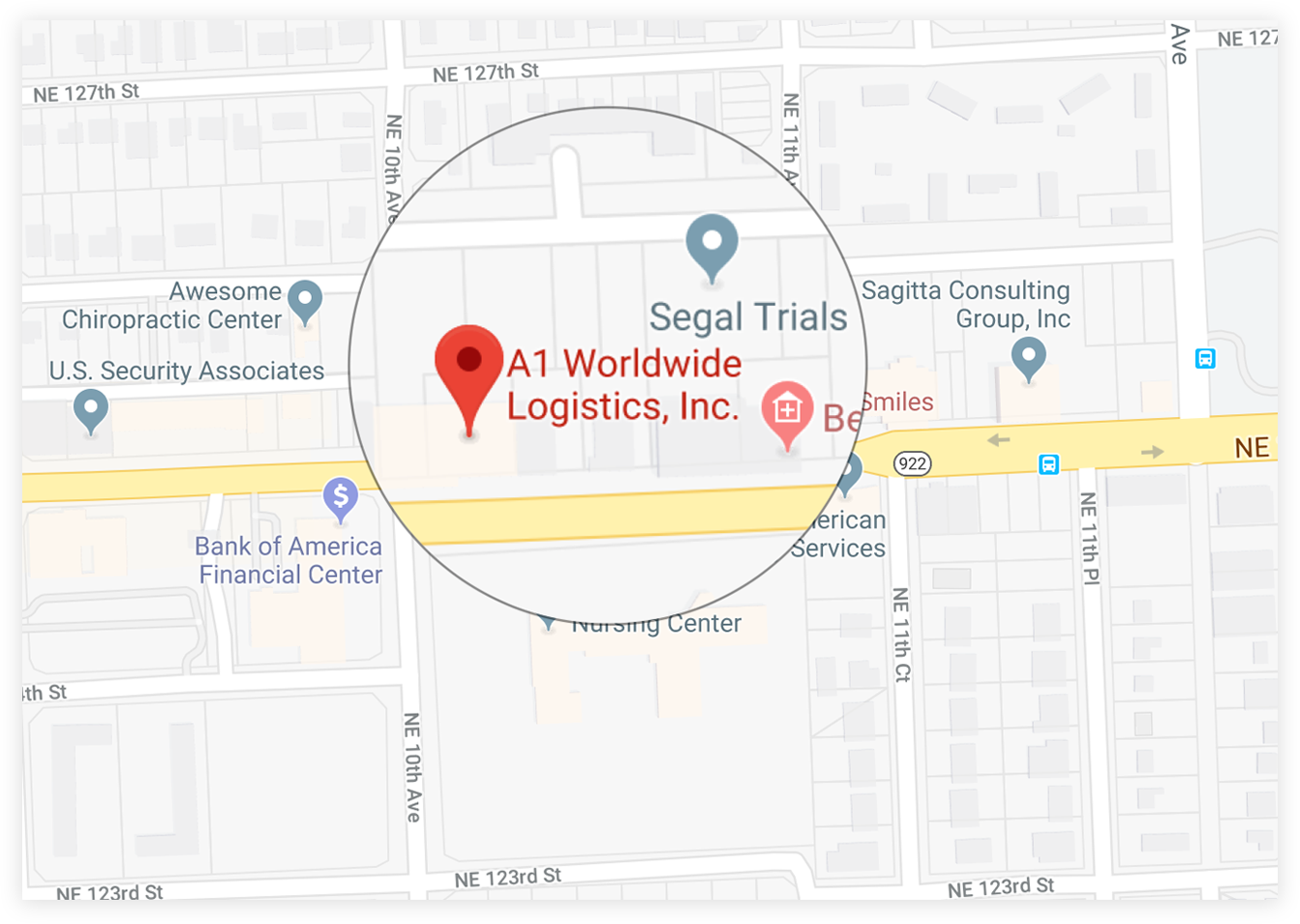
 1035 NE 125th St Suite #320, North Miami, FL 33161.
 a1worldwidelogistics.com
 (305) 821-8995
 Hours: 8AM - 5PM